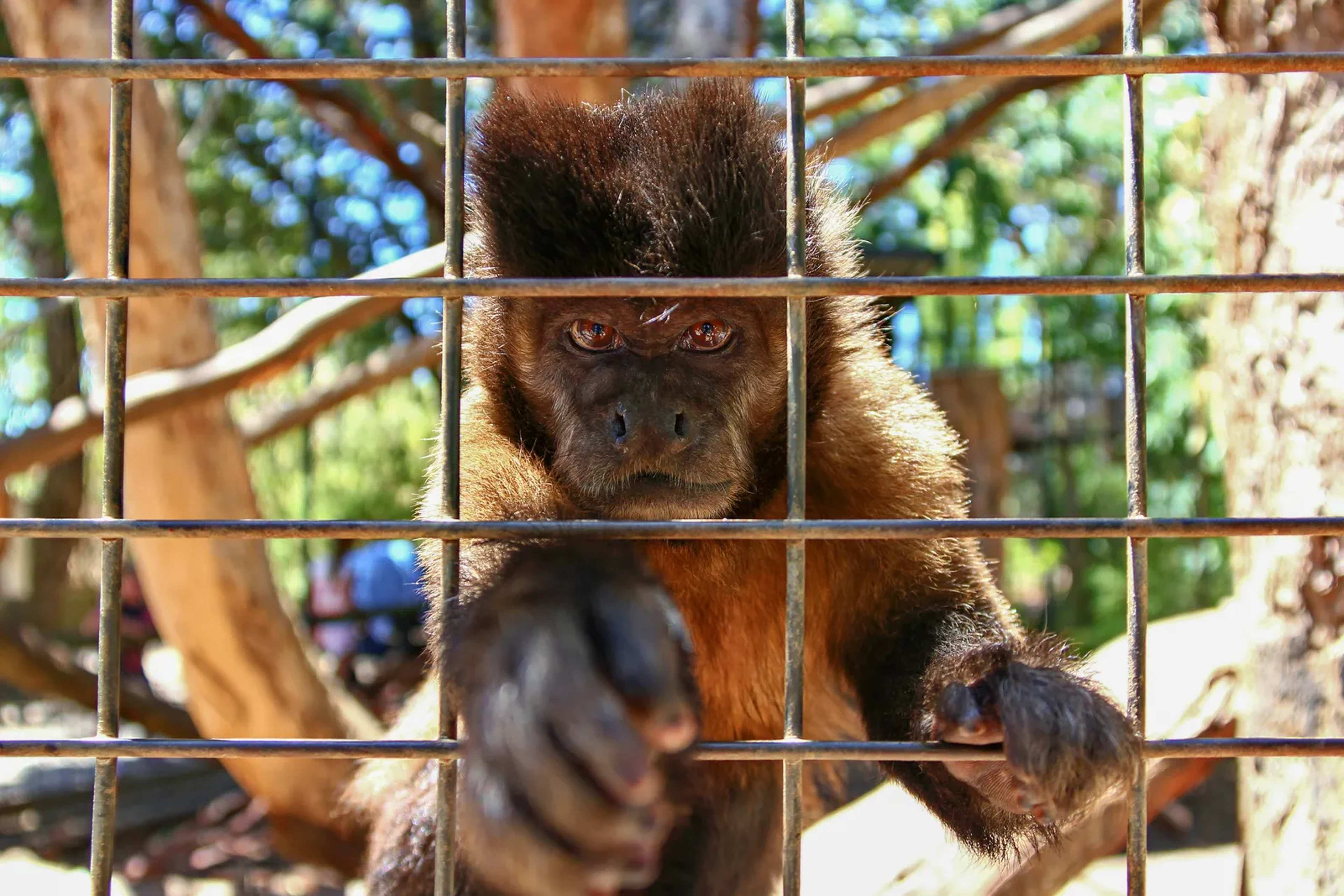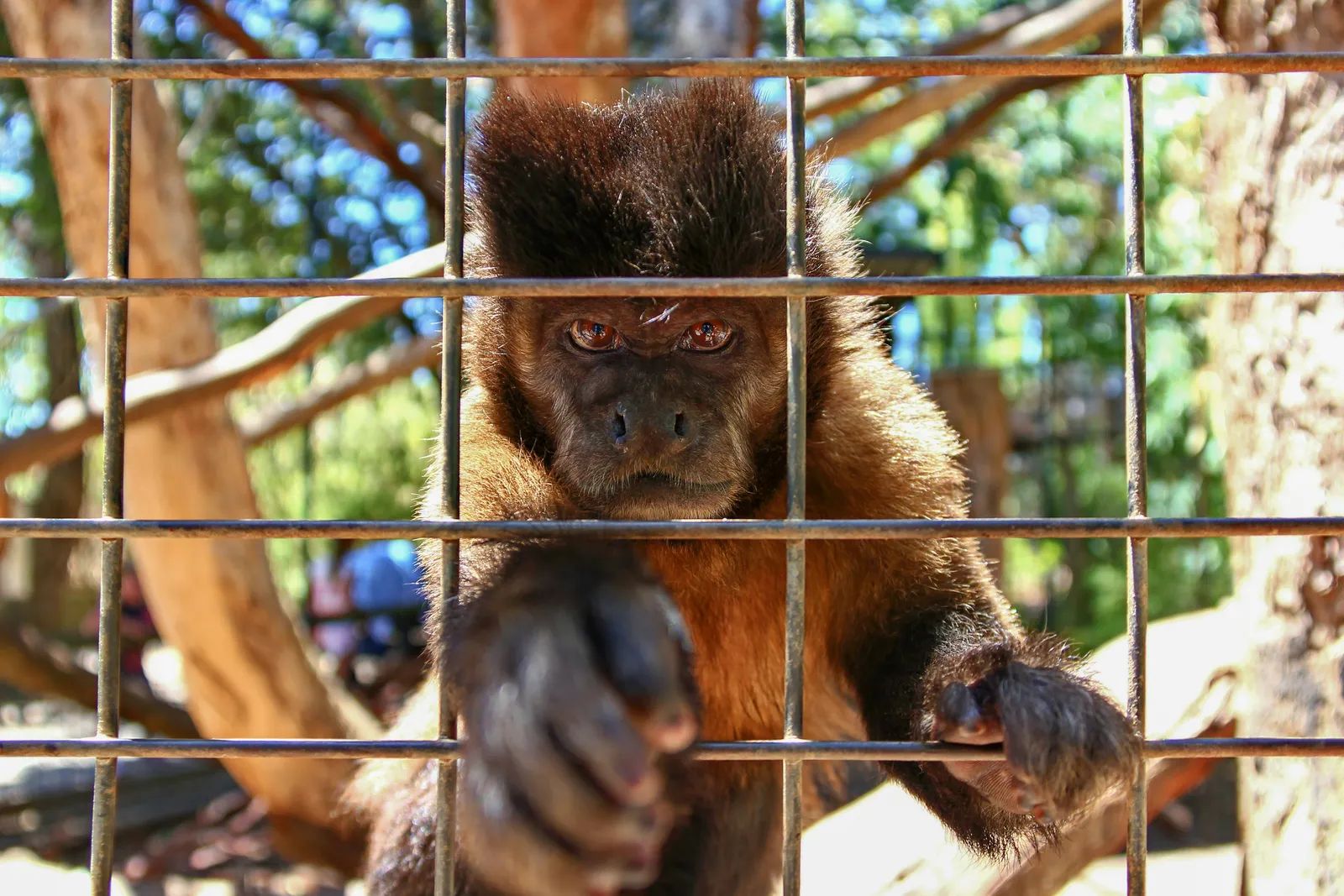
Wildlife images that appear to capture animals in pristine natural settings sometimes originate from a different source entirely. Photographers can pay to work at specialized captive facilities known as photography game farms, where they produce pictures of animals that are then marketed as authentic wildlife shots. These images frequently reach stock photography sites, magazines, and competition entries without any indication of their captive origins. The practice has drawn scrutiny from conservation-minded photographers who argue it distorts public understanding of how wild animals actually behave.
Facilities Built for Controlled Encounters
Photography game farms operate as commercial venues that house animals in enclosures designed to facilitate close-range photography. Operators provide access to species that would otherwise be difficult or impossible to approach in the wild. Photographers visit these sites, often paying fees, to obtain high-quality images under predictable conditions that eliminate the uncertainty of field work. The resulting photographs can then be licensed or submitted to contests as if they documented free-ranging wildlife. This model creates a steady supply of dramatic animal portraits that meet the visual standards demanded by commercial outlets. Because the animals remain in fixed locations, sessions can be scheduled around optimal light and weather without the logistical challenges of remote travel. The business arrangement benefits both the facility operators and the photographers who gain reliable access to subjects.
Questions About Animal Conditions and Accuracy
Critics highlight two primary issues with the arrangement. First, the living conditions for animals at these facilities have raised welfare concerns, as the focus remains on photographic access rather than natural habitat requirements. Second, the images themselves can convey misleading impressions of animal behavior and environments. Viewers who encounter the photographs in magazines or online galleries typically have no way to distinguish staged captive scenes from genuine wild encounters. The gap between appearance and reality matters because wildlife photography shapes public perceptions of conservation needs. When images suggest animals thrive in settings that do not reflect their actual circumstances, audiences may underestimate the pressures facing free-ranging populations. This disconnect has prompted calls for greater transparency in how such photographs are presented and sold.
Pushback From Photographers Seeking Change
Photographer Melissa Groo has emerged as a vocal opponent of the practice, using her platform to highlight the distinction between captive and wild imagery. Her efforts focus on educating both the photography community and the broader public about the origins of certain widely circulated images. By drawing attention to the commercial pathways that move these photographs into stock libraries and award competitions, advocates aim to reduce demand for undisclosed captive shots. The campaign reflects broader discussions within nature photography circles about ethical standards and disclosure practices. Supporters argue that clear labeling would allow viewers to make informed judgments about the authenticity of what they see. Opponents of the facilities maintain that the current system prioritizes visual impact over accurate representation of wildlife.
Practical Effects on the Industry
The continued operation of photography game farms affects multiple stakeholders. Stock agencies receive a stream of polished images that perform well commercially. Magazines and contest organizers gain access to eye-catching content without the expense of commissioning field assignments. At the same time, photographers who invest time and resources in genuine wild photography face competition from lower-cost alternatives produced in controlled settings. Efforts to shift industry norms center on voluntary disclosure rather than regulatory mandates. Some photographers now include statements about image origins in their submissions, while others encourage publications to adopt clearer sourcing policies. These incremental steps seek to align commercial incentives with greater accuracy in how wildlife is portrayed. The tension between visual appeal and factual representation continues to shape conversations about the future of wildlife imagery. As audiences encounter more photographs online and in print, the distinction between captive and wild subjects remains a point of ongoing discussion among those who produce and consume such work.