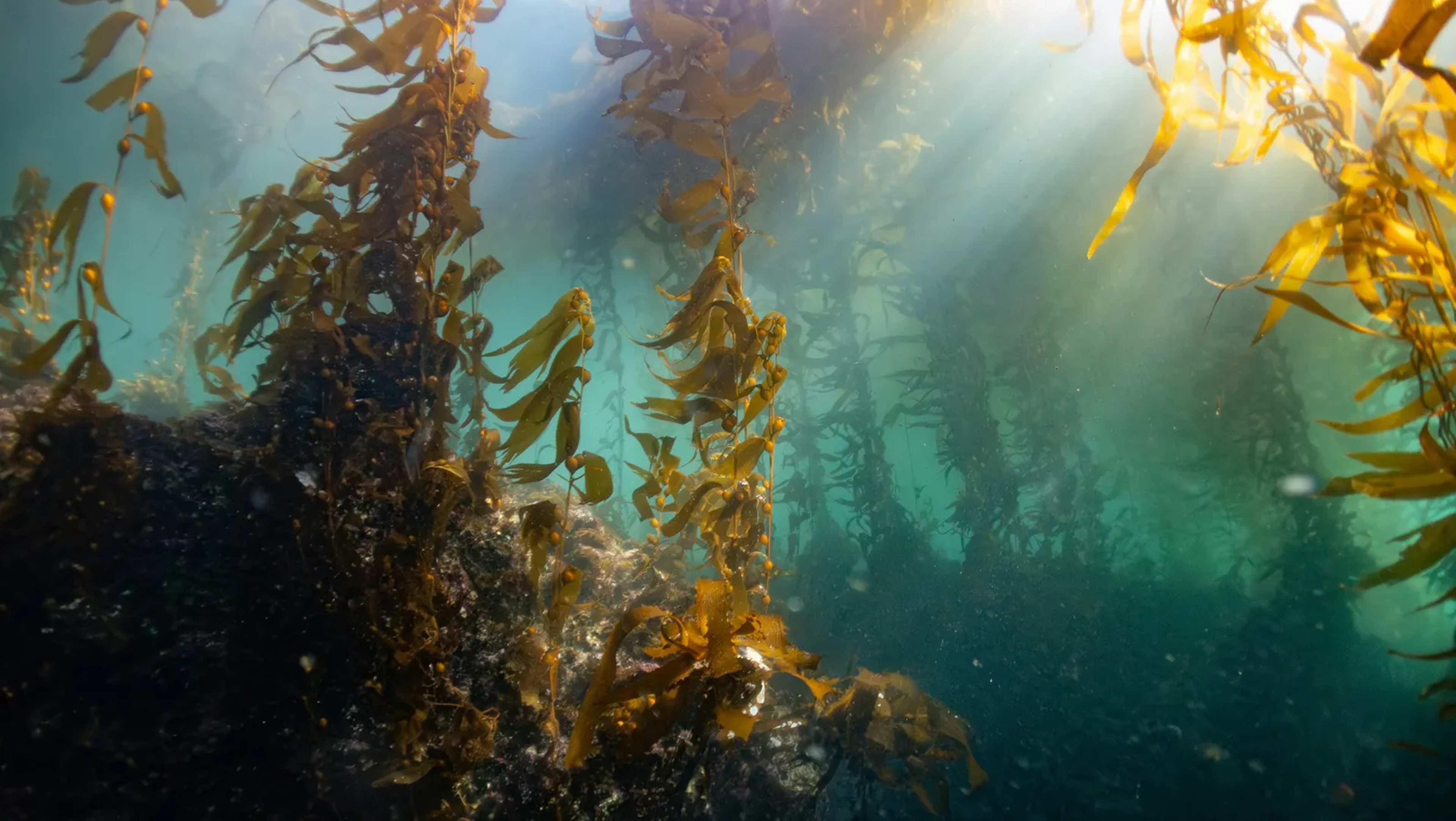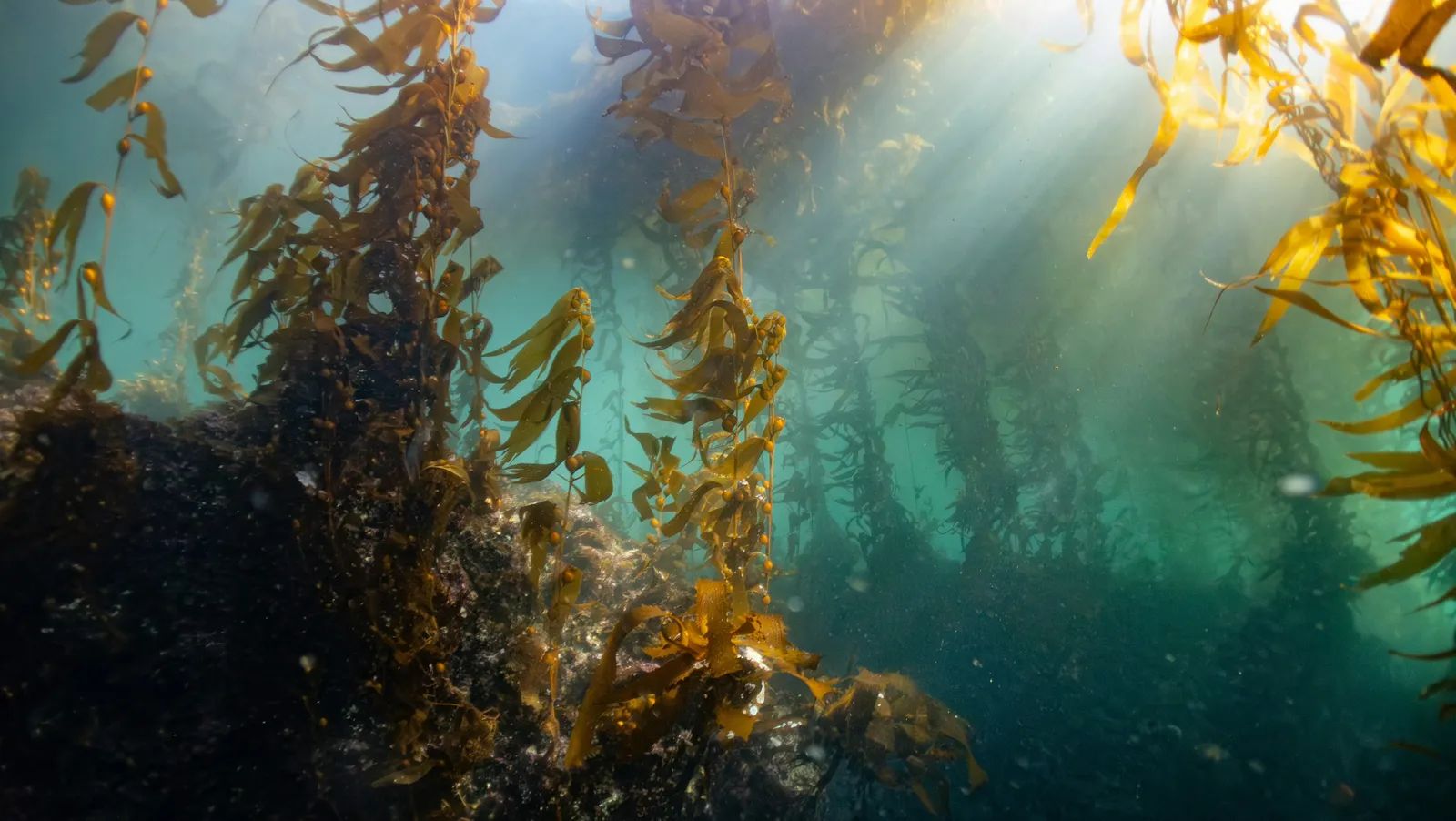
Clayoquot Sound on the west coast of Vancouver Island has long supported rich marine life, yet many of its once-dense kelp beds have thinned over time. A new effort launched early this year brings together the Tla-o-qui-aht First Nation, the Redd Fish Restoration Society, and West Coast Kelp to grow and transplant young kelp plants back into the water. The work draws on both modern nursery techniques and knowledge passed down through Tla-o-qui-aht oral history to choose suitable sites.
Why Kelp Forests Matter Here
Kelp provides shelter and food for fish, invertebrates, and other marine species that support local ecosystems and coastal economies. When these underwater forests decline, the habitat they create shrinks and the balance of the nearshore environment shifts. The current project focuses on two species, bull kelp and giant kelp, both native to the region and valued for the structure they add to the seafloor. Restoration teams are tracking how the replanted areas affect surrounding life, though the planted sections remain modest in size. The approach tests whether protected nursery growth followed by careful transplanting can improve survival rates compared with earlier attempts. Local observers note that visible changes will take time, yet the effort already offers a model for combining scientific monitoring with community priorities.
Growing Kelp Away From Grazers
Sea urchins and other grazers often consume young kelp before it can establish, so the partners built a nursery that keeps seedlings out of reach until they are large enough to transplant. Sections of the nursery-grown plants are then moved to selected locations around the sound. This two-step method aims to give the kelp a stronger start in waters where natural recruitment has been limited. The work is still in its early stages, with roughly 4,200 square meters planted so far. Project leaders emphasize that the scale is small by design, allowing them to refine techniques before expanding. Monitoring will measure not only plant survival but also the habitat value the new kelp provides over time.
Traditional Knowledge Shapes Site Selection
Tla-o-qui-aht oral histories describe long-standing relationships with the marine environment, including places where kelp once thrived and how communities managed resources sustainably. Those accounts help the team identify locations that historically supported healthy beds and may again. Tatt Charlie, a tribal guardian with the Tla-o-qui-aht First Nation, described the guiding principle: “My ancestors had a system of reciprocity where they knew not to take too much, and we were always giving back. So, to have that balance is what we’re trying to achieve with our territories.” The project treats restoration as one step in maintaining that balance rather than a quick fix. Emily Fulton, marine program manager for the Redd Fish Restoration Society, noted the need for better data: “We know that kelp creates habitat, but we don’t have numbers to associate with that, and we want to be able to determine the actual benefit.” Combining these observations with traditional insight gives the effort both ecological and cultural grounding.
Looking Ahead Along the Coast
The partnership continues to expand its nursery capacity and refine transplant methods while collecting baseline information on the restored sites. Success will be measured in gradual improvements to habitat rather than dramatic overnight results. For visitors to nearby Tofino and other Clayoquot Sound communities, the work adds another layer to the region’s reputation as a place where conservation and Indigenous stewardship intersect. The effort remains focused on learning what works in these specific waters, with the hope that lessons can inform similar projects elsewhere along the Pacific coast.