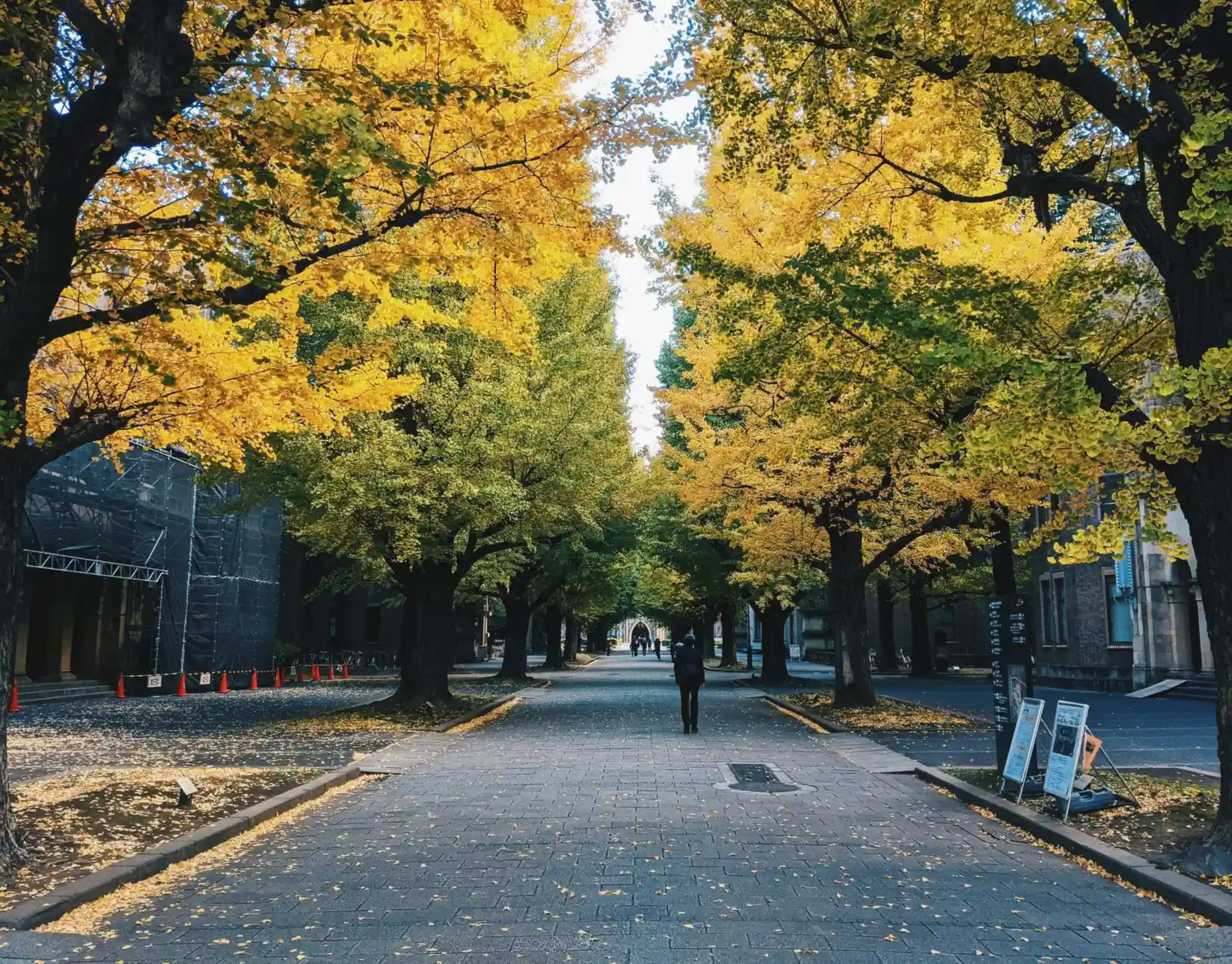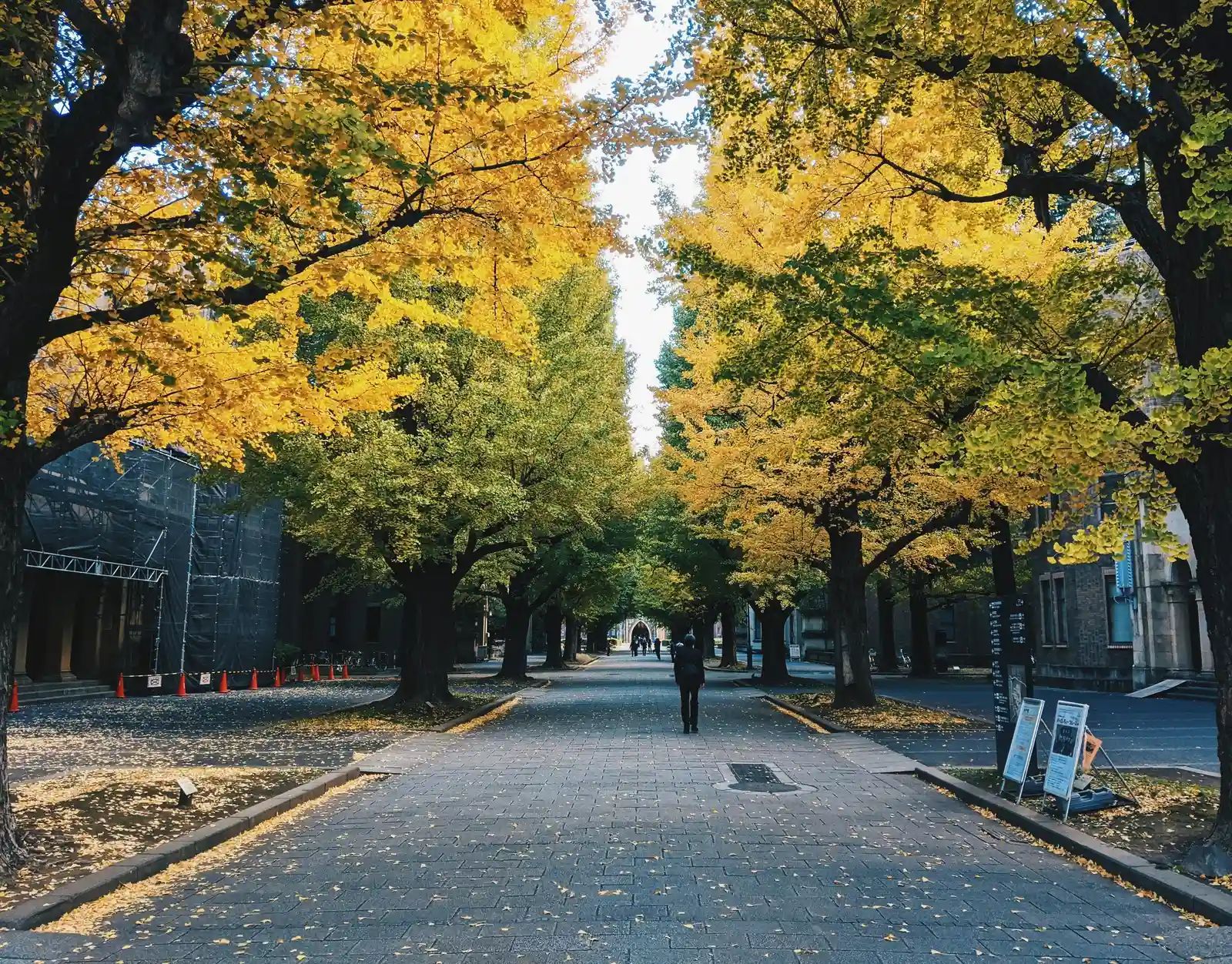
Japan’s updated departure tax now factors directly into the price of a week in Tokyo during peak autumn foliage season. Travelers planning a trip this fall face two clear spending tiers: roughly PHP 47,500 on a tipid budget or PHP 65,500 for a more comfortable experience. Both figures cover round-trip fares from Manila, visa requirements, the new tax, hotel stays, and timing around the 2026 leaf-peaking window. The change in tax policy adds a measurable layer to what was already a popular seasonal destination.
The New Departure Tax and Its Practical Effect
Japan introduced the departure tax to support tourism infrastructure and airport operations. For visitors leaving the country, the levy appears as an added line item on airfares or is collected at check-in. This adjustment arrives at a time when many travelers already monitor seasonal pricing closely. The tax applies uniformly, so it influences both lower-cost and higher-comfort itineraries in similar proportion. The policy change affects planning timelines as well. Travelers who book early can sometimes lock in fares before further adjustments take effect. Those who wait may see the combined impact of the tax and peak-season demand on overall totals. Stakeholders include airlines, travel agencies, and individual visitors who must now account for the extra charge when comparing options.
Budget and Comfort Spending Levels
Two distinct spending ranges emerge for a seven-day stay. The lower tier keeps expenses tight while still covering essentials such as flights, basic lodging, meals, and local transport. The higher tier allows for upgraded accommodations, more dining choices, and additional activities without excess. A compact comparison illustrates the difference:
| Category | Tipid Budget (PHP) | Comfort Budget (PHP) |
|---|---|---|
| Round-trip airfare + tax | Included in total | Included in total |
| Visa and fees | Included in total | Included in total |
| Hotel (7 nights) | Lower-cost options | Mid-range properties |
| Daily meals and transport | Budget-conscious choices | Greater flexibility |
| Total estimated cost | 47,500 | 65,500 |
These ranges reflect current fare levels and the inclusion of the departure tax. Actual amounts can shift with booking dates and currency movements.
Aligning Travel Dates With 2026 Autumn Leaves
Peak foliage timing remains a key variable for Tokyo visitors. The 2026 leaf season typically builds through late October and reaches its height in early to mid-November, depending on elevation and weather patterns. Travelers aiming for the most vivid colors often target the first two weeks of November. Adjusting dates around these windows can influence both availability and price. Earlier arrivals may secure lower hotel rates before demand peaks. Later departures risk missing prime color displays if cold fronts accelerate leaf drop. The tax applies regardless of exact timing, yet the foliage window itself drives much of the seasonal premium on flights and lodging.
Key Planning Considerations
Visa processing for Japanese entry continues to follow standard requirements for Philippine passport holders. Applicants should allow sufficient lead time, especially during busy autumn months. Flight bookings that bundle the departure tax provide clearer total costs upfront. Hotel selection plays a major role in staying within either budget range. Properties near major transit lines help control daily transport expenses. Meals range from inexpensive convenience-store options to mid-priced restaurants, giving travelers control over daily outlays. The combination of these elements determines whether a trip lands closer to the PHP 47,500 or PHP 65,500 mark. The new tax and the predictable rhythm of autumn foliage together create a more defined cost structure for 2026 visitors. Those who map out fares, lodging, and leaf-peak windows in advance can align their plans with either spending level while accounting for the updated departure levy.