The Netherlands, Singapore, Austria, and Denmark occupy the top spots in global English proficiency. These rankings might challenge your assumptions about which nations truly excel at English as a second language. Worldwide English proficiency has declined for the fourth year running, with 60% of countries scoring lower than last year, making the achievements of top performers even more impressive.
The Netherlands Claims Top Position
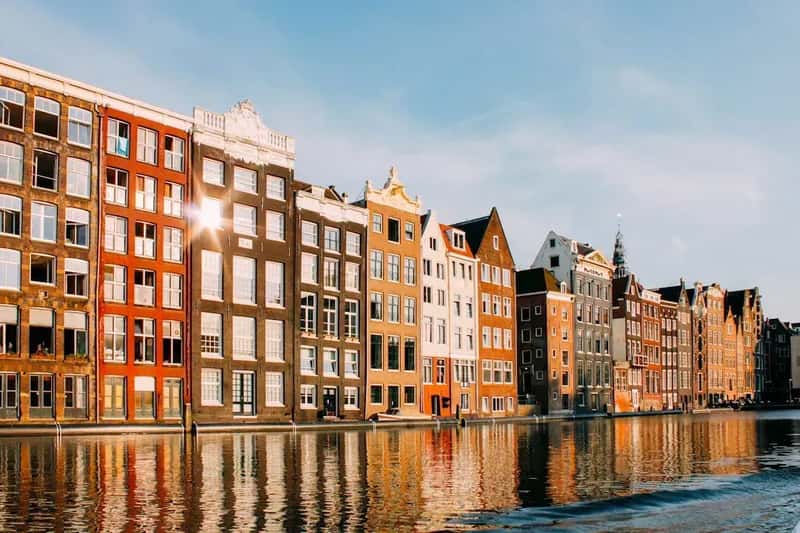
The Netherlands scored 647 on the EF English Proficiency Index, indicating very high proficiency, with anything above 600 considered proficient. The country maintains its position at number one in the 2024 EF English Proficiency Index, achieving this top rank for the sixth time since 2011. The Netherlands has a high level of English proficiency attributed to several factors, including the linguistic similarity between English and Dutch and the country’s heavy reliance on international trade.
Austria Dominates Combined Rankings
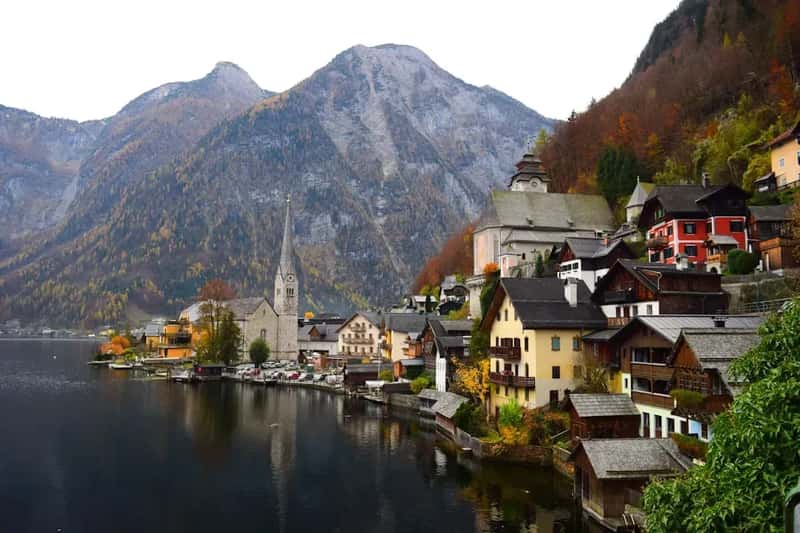
Austria scored 616 on the EF EPI test, earning the title of the third-most English proficient country, though when considering multiple testing metrics, it performs even better. Austria ranks 3rd in the EF EPI and 1st in TOEFL, making it the top country globally in English proficiency according to combined data. The country’s approach to English education emphasizes practical communication skills from early childhood. Austria is in second place with many opportunities for study and practice, as well as the influence of English media on everyday life.
Denmark Leads the Nordic Region
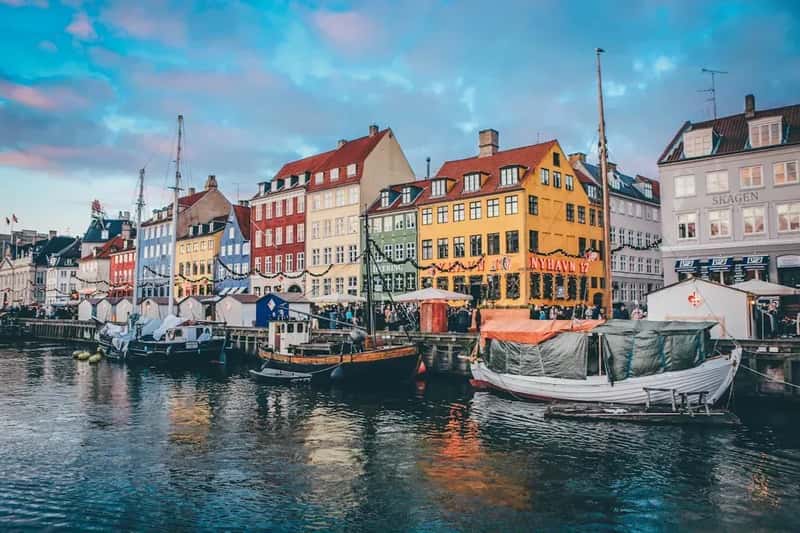
Denmark scored a 615, still making the country extremely proficient despite placing fourth globally. Denmark leads the Nordic region, edging out Sweden and Norway by a fraction of a point in the 2025 index. Most Danes have been learning English since early childhood, which creates a foundation for lifelong fluency. The Danish education system integrates English across multiple subjects rather than teaching it in isolation.
Norway Secures Fifth Place Globally
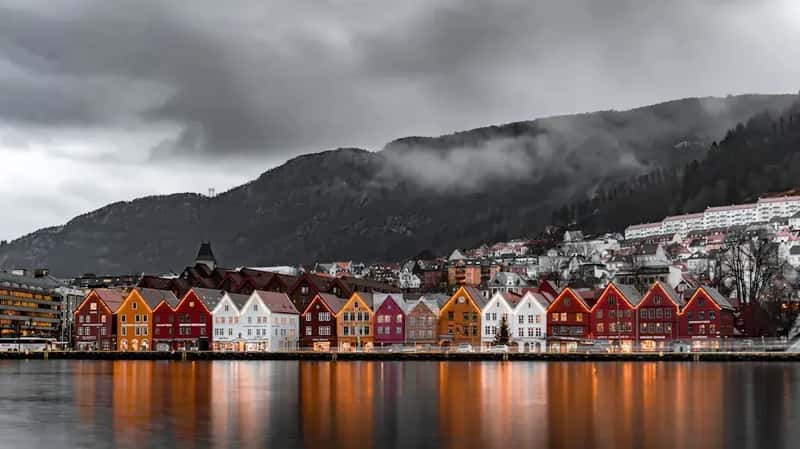
Norway is the 5th most English proficient country, another European nation demonstrating the continent’s dominance in language learning. Around 90% of Norwegians speak English as a second language, making it one of the most fluent English speaking countries in the world, with most Norwegians falling under the “Very Highly Proficient” category. Norway and Sweden are countries where dubbing is not developed, and residents watch most TV series and films in the original language, providing constant exposure to authentic English.
Sweden Maintains Strong Performance

In Sweden, 89% of the population speaks English proficiently, while the official language is Svenska or Swedish, English is widely regarded as the second language and is taught as a foreign language in schools. According to the 2023 English Proficiency Index data, Sweden has achieved a “very high proficiency” level in the language. The Scandinavian approach emphasizes communication over grammar perfection, encouraging students to use English fearlessly. Media consumption patterns reinforce this learning, as Swedish television frequently broadcasts international content without dubbing.
Malaysia Rises to Lead Asia

Malaysia has been ranked as having the highest English proficiency in Asia, overtaking the Philippines, with a score of 581, placing the Philippines in second with a score of 569. Globally, Malaysia rose two spots to 24th, after Singapore was excluded from the 2025 rankings after being reclassified as a native English-speaking country. Malaysia maintained a strong position in Asia, ranking third after Singapore and the Philippines in previous years before its recent jump.
The Philippines Remains a Powerhouse

Roughly 55% of adult Filipinos speak English, and in 2023, Filipinos were the second-best English speakers in Asia, and among the top 20 best English-speaking countries worldwide. Due to colonization by the U.S., English has been the main language used in Philippine schools, academia, politics, business, and science for over 100 years. English proficiency is widespread, with approximately 48% of the population being native speakers or fluent users, reflected in the country’s English Proficiency Index score of 578. The Philippines stands out as one of the few nations where English functions as a genuine working language across all sectors of society.
Belgium Shows Multilingual Excellence

Belgium ranks 7th in the EF EPI and 5th in TOEFL, securing 5th place overall in English proficiency. Belgium’s unique position as a multilingual nation with Dutch, French, and German speaking communities gives its citizens a natural advantage in language acquisition. The necessity of communicating across linguistic regions within their own country creates a culture where learning additional languages feels essential rather than optional. Many Belgians seamlessly switch between three or four languages in daily life, with English serving as a neutral lingua franca.
Germany Balances Size With Skill
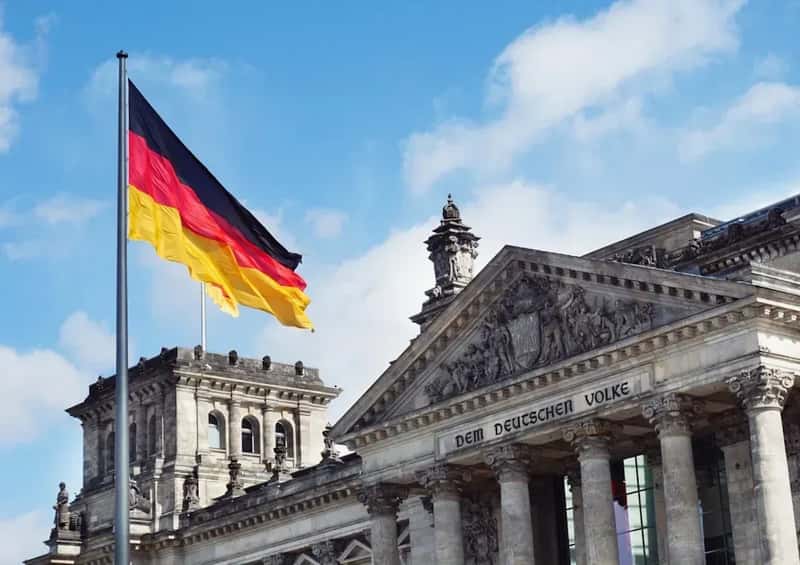
Germany ranks 10th in the EF EPI and 2nd in TOEFL, putting it 4th overall for global English proficiency. Germany’s large population means its high proficiency translates into millions of fluent speakers who drive European business and innovation. The country has invested heavily in English education reforms, recognizing its importance for international commerce and scientific collaboration. German universities increasingly offer programs taught entirely in English to attract international students and prepare domestic students for global careers.
Portugal Makes Notable Progress

Portugal ranks 8th in the EF EPI and 30th in TOEFL, placing 6th overall in English proficiency and 2nd in Southern Europe. Portugal represents a success story in language education, having improved dramatically over the past decade through curriculum reforms and increased exposure to English media. Portugal and Croatia both entered the “High Proficiency” band in 2025, making them attractive options for English-speaking expatriates. The country’s tourism industry and growing tech sector have created practical incentives for citizens to develop strong English skills, particularly among younger generations who see English as essential for career opportunities.
The dominance of smaller European nations in these rankings reveals something interesting about language learning. Countries where the native language has limited global reach often develop stronger second language skills out of necessity. These nations recognize that English opens doors to international business, education, and culture in ways their native tongues cannot. What’s your take on this ranking?