Ever dream about standing under the Eiffel Tower or tossing a coin in the Trevi Fountain? Most travelers do. Nobody warns you enough about what might be lurking in those dreamy crowds. I’m talking about the people who see tourists as walking ATMs, ready to be emptied with a quick sleight of hand or clever story.
Here’s the thing. Travel scams aren’t just annoying anymore. The travel industry is one of the sectors most susceptible to fraud, with scams rising 18% during the summer peak season and 28% in the winter peak season in 2024, according to a report from the Mastercard Economics Institute. That’s not a small bump. Fraudsters are increasingly targeting tourists: the number of fake transactions in travel bookings rose by 12% in 2024 compared to 2023, according to a report by the Mastercard Economics Institute. The financial toll is staggering too. U.S. consumers reported losing more than $12.5 billion to fraud in 2024, marking a 25% increase over the previous year. Alarmingly, travel-related scams such as vacation rentals, airfare, timeshares, and rental car deals, continued to rank among the top categories of reported fraud.
It’s not just happening at your destination, either. Scams start the moment you search for that perfect deal online. So buckle up. Let’s explore where these scams are surging the most, backed by real research and hard numbers. You might be surprised by what’s on this list.
Bangkok, Thailand
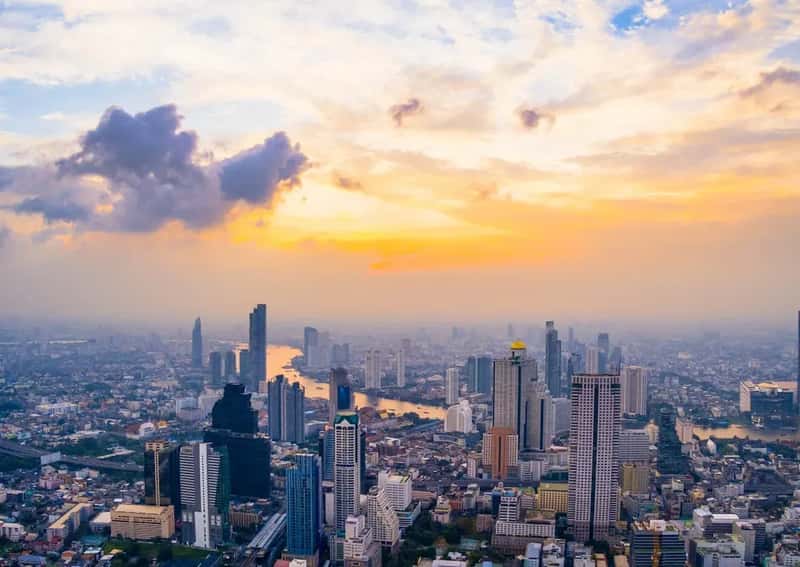
Thailand’s capital has witnessed a concerning rise in crimes specifically designed to exploit foreign visitors, with Bangkok’s Tourist Police reporting in late 2024 that complaints from international travelers increased by nearly half compared to 2023 levels. The city that once felt like a backpacker’s paradise now requires constant vigilance. Taxi drivers have become particularly brazen. Taxi-related scams have become particularly sophisticated, with some drivers working with accomplices to rob passengers, especially those traveling from Suvarnabhumi Airport late at night, according to investigations by the Bangkok Post. The famous Khao San Road area isn’t safe either. Khao San Road, the backpacker hub, has seen a spike in drink spiking incidents followed by theft, with several cases documented by international embassies throughout 2024. Even with a new safety app launched by Thai authorities, the sheer volume of incidents suggests the problem runs deeper than anyone wants to admit.
Cancun, Mexico
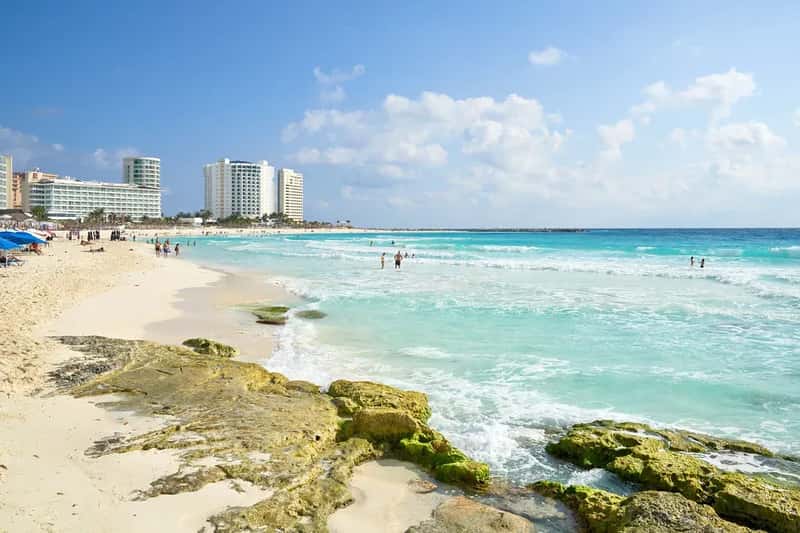
Paradise has a dark side. Cancun’s tourism sector faces an unprecedented challenge as drug cartel-related violence has crept closer to resort zones throughout 2025 and into early 2026. Let’s be real about what that means. The U.S. State Department updated its travel advisory for Quintana Roo in October 2024, noting increased violent crime, including armed robbery and assault, in areas frequented by tourists.
Fake tour operators thrive here, selling experiences that never materialize. Travel-agency related frauds are the most likely in Hong Kong (70%), Delhi (64%), Barcelona (64%) and Cancun (48%). Taxi drivers play their own currency games, quoting prices in dollars then switching mid-ride to pesos. While hotel zones remain relatively safer than downtown areas, the Mexican government deployed additional National Guard troops to tourist corridors in December 2024, a clear acknowledgment that the situation has deteriorated beyond what local police can handle. That’s not exactly reassuring for anyone planning a beach vacation.
Barcelona, Spain

What makes this particularly concerning is that these aren’t just opportunistic crimes anymore – many involve sophisticated gangs working in coordinated teams, with some even using children as decoys. Pickpocketing accounted for 48.1% of crime in Barcelona in 2023, and scams, most of which took place online, accounted for 15.1%. Honestly, the numbers keep climbing despite increased police presence.
Paris, France
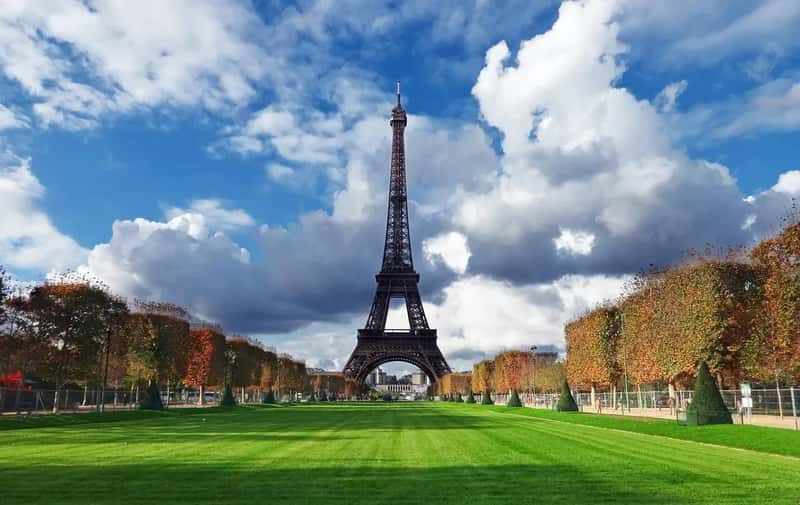
Paris is the most visited city on Earth, which makes it the Super Bowl for scammers. The Sacré-Cœur friendship bracelet scam remains wildly popular. Scammers, posing as friendly locals, approach tourists with colorful strings, offering to make a “free” bracelet as a gesture of goodwill. Once the bracelet is tied around your wrist, they demand payment, sometimes aggressively.
Then there’s the gold ring con. A stranger finds a “gold” ring near you, offers it as a lucky charm, then guilt-trips you into paying for their lunch. Most scams in Paris happen in the tourist hotspots: The Eiffel Tower, Notre Dame, Montmartre, Disneyland, and the ChampsÉlyséese. The Metro is particularly dangerous. This year, there have been many reports from travelers who got pickpocketed in the metro by a group of girls. They create a situation of pushing and jostling when entering the Metro, their hands hidden behind a bag or a jacket. They steal a phone or a wallet and pass it quickly on to another girl, who removes the cash. Sometimes they even return the empty wallet before disappearing at the next station. That’s bold.
Rome, Italy
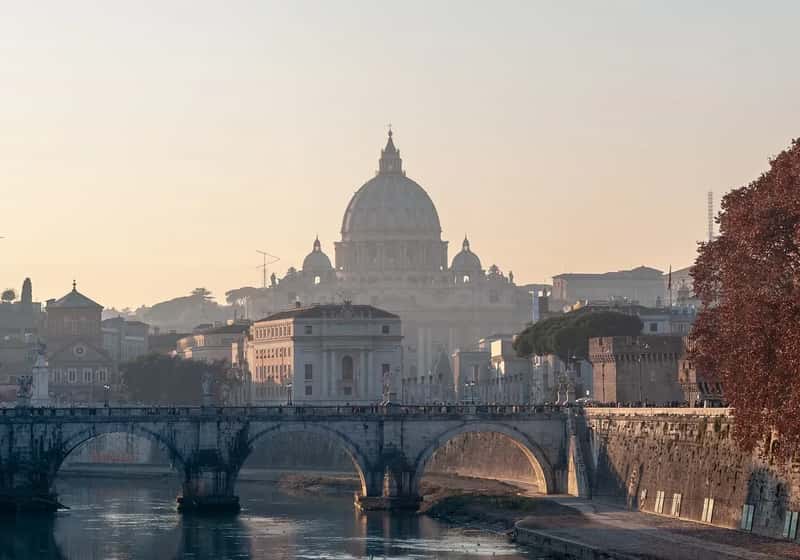
Italy continues to dominate European pickpocketing statistics, maintaining its position as the continent’s most problematic destination for tourist theft. In 2024, there were over 2,000 reported robberies in Rome, a 51.3% rise compared to 2019. Pickpocketing incidents surged to 33,455 cases in 2024, marking a 68.0% increase. Nearly doubling in five years. Think about that for a moment.
Rome’s most famous attractions have become notorious for theft, with the Trevi Fountain, Colosseum, and Pantheon consistently ranking among the most dangerous tourist sites globally. The Eternal City earned a total score of 45.53, with 4.5 mentions per 1,000 reviews. While it’s still one of the most-visited destinations in the world, areas around Termini Station and the Colosseum remain prime spots for pickpockets targeting distracted tourists. The train to Pompeii is particularly treacherous, with organized groups working the crowded cars systematically.
Delhi, India
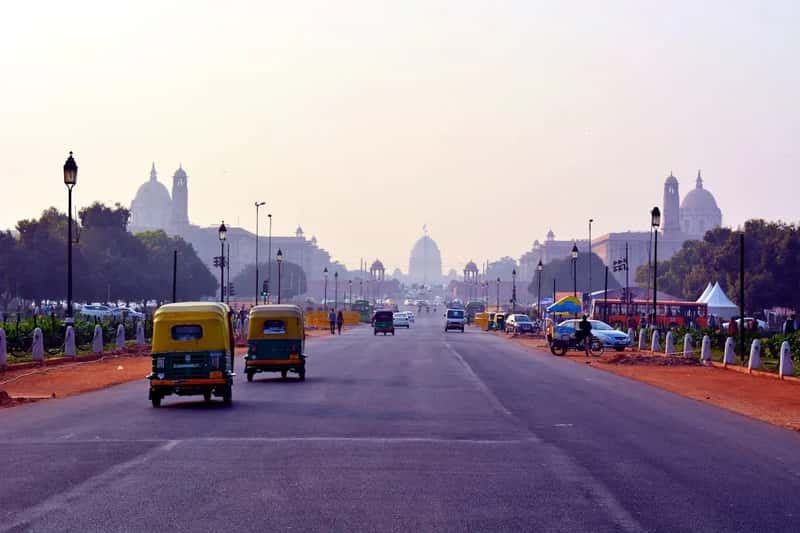
Your taxi or tuk-tuk driver will stop mid-journey and tell you your hotel has closed, the road is closed due to a protest, or your booking is invalid. They will drive you to a fake “Government Tourist Office” where an “official” will try to sell you an entirely new, overpriced itinerary. This scam is so widespread that first-time visitors often can’t tell what’s legitimate anymore.
Travel-agency related frauds are the most likely in Hong Kong (70%), Delhi (64%), Barcelona (64%) and Cancun (48%). The Trap: The sheer volume of touts can be exhausting. It creates a sense of isolation where travelers feel they can’t trust anyone. I’ve heard from travelers who said the constant barrage of scams made them question every interaction, even with genuinely kind people. That’s what makes Delhi particularly challenging.
Hong Kong
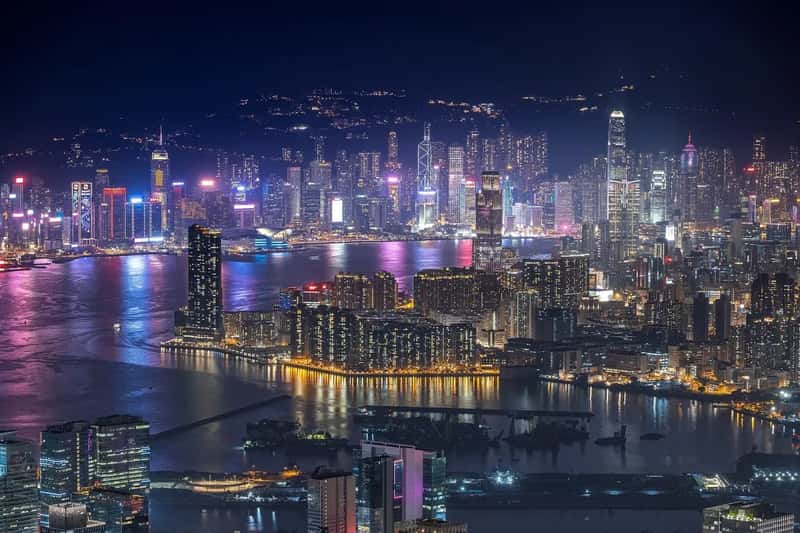
They’re also more common in certain destinations, like Hong Kong, where fake agencies and tour operators make up over 70% of the city’s travel fraud cases. Other cities include Barcelona and Delhi, where they account for 64% of travel fraud scams, and Singapore (49%) and Cancun (48%). That’s a shocking majority. Nearly three-quarters of all scams involve phony tour companies.
The report, published last Tuesday by the Mastercard Economics Institute, showed that fraud related to travel agency and tour company bookings is more than four times higher than the fraud average of other industries. Shopping districts like Luohu Commercial City pose risks too. Visitors cited both scams and pickpocketing, especially in commercial centers like Luohu Commercial City. Reviewers often mentioned counterfeit goods or inflated prices as common pitfalls.
Istanbul, Turkey

Turkish hospitality is legendary, but in tourist hotspots like Sultanahmet and Taksim, that reputation is weaponized. The scams here are social engineering at its finest. The drink scam targets solo male travelers especially. A friendly local (often well-dressed and speaking perfect English) approaches a solo male traveler. They strike up a conversation and suggest heading to a specific bar for a beer. You go, have a couple of drinks, and the bill arrives for hundreds of euros. If you refuse to pay, large bouncers appear to escort you to an ATM.
The Trap: Taxi overcharging is rampant. Drivers will switch bills (claiming you gave them a 50 instead of a 500) or simply refuse to use the meter. Jakarta (66%) has the highest taxi fraud rate across all cities analysed, followed by Bangkok (48%), Istanbul (39%) and London (34%). Even transportation becomes a minefield.
Phuket and Antalya
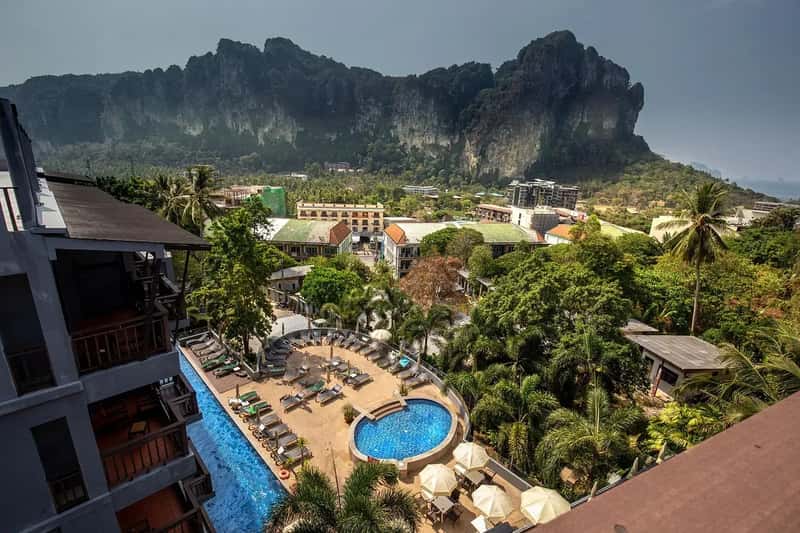
Beach resorts face their own unique problems. Tourists headed to Phuket in Thailand and Antalya in Turkey should be particularly wary, as accommodation scam rates there represent 39% and 35% of the total, respectively. Fake villa listings dominate vacation rental platforms. Fraudulent accommodation bookings are common in some destinations, including Phuket, Thailand, where they account for 39% of travel scams, and Antalya, Turkiye, where they make up 35% of tourist-targeted fraud. “Fraudsters may exploit vacation rental platforms or travel websites by creating fake listings, leading tourists to book non-existent properties or ones that vastly differ from the advertised descriptions,” the report explains.
You might pay hundreds for a beachfront property that doesn’t exist. By the time you discover the truth, your money is long gone and you’re standing on a street corner with luggage and nowhere to sleep. Jet ski rental scams add another layer of trouble in Phuket specifically.
Egypt
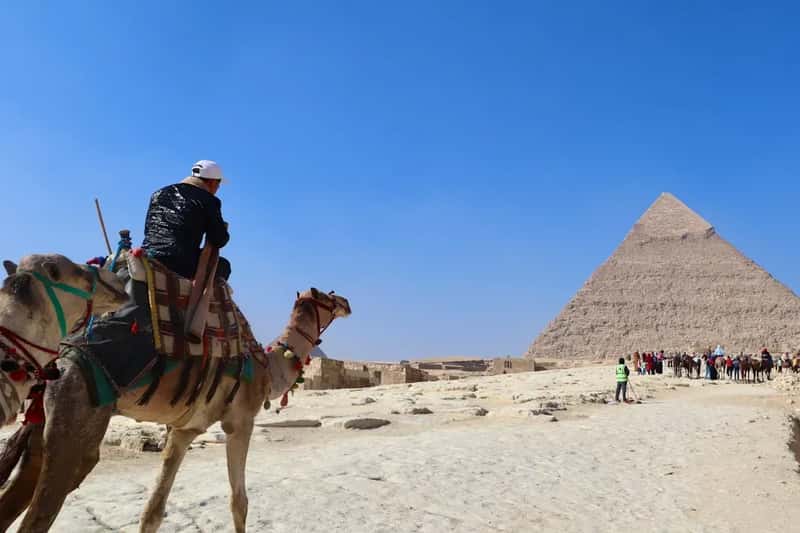
From viral social media warnings to veteran traveler forums, the consensus throughout 2025 had been unanimous: Egypt is the undisputed number one destination on the planet for scamming tourists. The aggressive nature of touts around pyramids and temples overwhelms many visitors. Fake papyrus shops, inflated taxi fares, and pushy guides demanding tips create an exhausting environment where every interaction feels like a transaction.
The problem is so widespread that seasoned travelers warn newcomers that Egypt requires a completely different mindset than other destinations. You need to negotiate everything, question every price, and develop a thick skin against constant sales pitches. Some visitors report being followed for blocks by vendors who won’t take no for an answer. The scams themselves aren’t necessarily more sophisticated than elsewhere, yet their relentless frequency wears people down until they give in just for peace.
What Can You Do About It?
Knowledge is your best weapon. Among the noteworthy takeaways, an analysis of Mastercard’s aggregated and anonymized transaction data reveals that in 2024, the fraud rate during the early stages of trip planning increased more than 12% compared to the previous year. Scammers target you before you even leave home now. Use credit cards with fraud protection rather than debit cards or cash. Book accommodations and tours only through verified platforms with reviews from multiple sources.
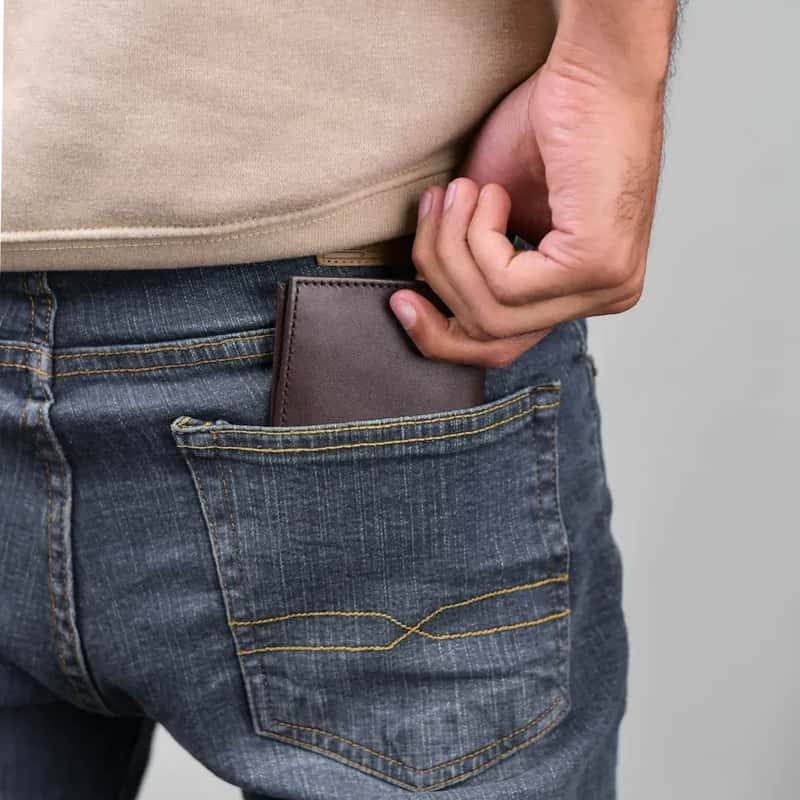
At your destination, stay alert without being paranoid. Keep valuables in front pockets or cross-body bags. If something feels wrong, walk away immediately. Scammers rely on your politeness and hesitation. Don’t be afraid to firmly say no and keep moving.
Remember that cities with lower fraud rates exist too. According to Mastercard’s data, tourists reported the lowest rates of fraud in San Francisco, U.S.; Dublin, Ireland; Seoul, South Korea; Budapest, Hungary; and Edinburgh, Scotland. If you’re genuinely worried about scams, these destinations might offer more peace of mind while still delivering amazing experiences.
Travel should open your eyes to the world, not empty your wallet through deception. With the right precautions and awareness of where problems are worst, you can protect yourself while still embracing adventure. What surprised you most about these destinations? Share your own experiences in the comments below.