Let’s be real, the dream of balancing career ambitions with personal life remains exactly that for millions across the globe: just a dream. While some nations pride themselves on generous vacation policies and reasonable working hours, others paint a starkly different picture where burnout isn’t just common, it’s practically expected. The numbers don’t lie, and what they reveal about certain countries might genuinely surprise you. So buckle up as we explore the places where clocking out on time feels like a revolutionary act.
1. Mexico: The Overtime Capital

Mexico consistently ranks at the absolute bottom when it comes to , and the statistics are honestly shocking. According to the OECD’s Better Life Index data from 2024, Mexican workers clock an average of 2,226 hours annually, making it the country with the longest working hours among all OECD nations. What makes this even more concerning is that roughly 27% of employees work more than 50 hours per week, sacrificing weekends and evenings with alarming regularity. Despite labor laws technically limiting the workweek to 48 hours, enforcement remains weak, and many workers feel pressured to stay late simply to keep their jobs.
2. Japan: When Karoshi Becomes Reality

Japan has literally invented a word for death by overwork: karoshi. The country’s notorious work culture continues to claim lives, with government statistics from 2023 revealing that approximately 54 workers died from overwork-related causes that year alone. Japanese employees average around 1,607 hours annually according to recent OECD data, but these figures often undercount unpaid overtime and cultural expectations of presenteeism. The Ministry of Health, Labour and Welfare reported in 2024 that nearly 11% of Japanese workers still exceed 60 hours per week, despite government initiatives to curb excessive working hours.
3. South Korea: The Burnout Peninsula

South Korea has been fighting its own battle against extreme work culture for years, though progress comes painfully slow. Workers there logged an average of 1,901 hours in 2023 according to OECD statistics, placing them among the highest in developed nations. The government introduced a 52-hour maximum workweek back in 2018, yet many companies find creative ways around these restrictions. A 2024 survey by the Korean Women’s Development Institute found that 23% of workers still regularly exceed legal limits, particularly in small and medium-sized enterprises where oversight remains minimal.
4. India: The Tech Hub That Never Sleeps

India’s booming economy comes with a hidden price tag that workers pay daily. A comprehensive study by the International Labour Organization in 2024 revealed that Indian workers average nearly 46.7 hours per week, significantly above global standards. What’s particularly troubling is the complete absence of mandated paid annual leave at the national level, though some states have introduced minimal protections. The IT sector, which employs millions, frequently demands 60 to 70-hour workweeks during project deadlines, with a 2023 report from TeamLease Services showing that 51% of Indian employees feel unable to switch off from work even during personal time.
5. Turkey: Long Hours, Little Rest

Turkey presents a concerning picture where extended working hours have become normalized across industries. OECD data from 2024 places Turkish workers at an average of 1,832 hours annually, with approximately 33% working more than 50 hours weekly. The construction and manufacturing sectors prove especially demanding, where six-day workweeks remain standard practice. A 2023 study by the Turkish Confederation of Employer Associations found that only 14% of employees feel they maintain adequate , citing limited vacation time and cultural pressures to demonstrate commitment through physical presence at the workplace.
6. China: The 996 Culture Persists

China’s infamous “996” work culture, meaning 9 a.m. to 9 p.m., six days a week, continues to dominate despite government crackdowns. Workers in major cities like Beijing, Shanghai, and Shenzhen face brutal schedules that the China Labour Bulletin documented extensively in their 2024 report. Though Chinese law technically caps the workweek at 44 hours, enforcement varies wildly, particularly in the tech industry where companies like Alibaba and ByteDance have historically pushed extreme hours. Recent surveys indicate that roughly 42% of urban workers exceed 50 hours weekly, with many reporting chronic fatigue and deteriorating mental health as direct consequences.
7. Singapore: The Productivity Paradox

Singapore markets itself as a first-world success story, yet its workers pay a steep personal cost for that prosperity. The city-state’s employees worked an average of 2,238 hours in 2023 according to Ministry of Manpower statistics, among the highest globally. What’s particularly striking is that 25% of Singaporean workers report taking zero vacation days annually despite legal entitlements, fearing career repercussions. A 2024 study by the Singapore Management University found that 61% of workers check emails outside office hours daily, with the boundary between professional and personal life becoming increasingly blurred.
8. United States: The No-Vacation Nation

America stands alone among developed nations in having absolutely no federal mandate for paid vacation or holidays. According to the Center for Economic and Policy Research’s 2024 analysis, roughly 23% of American workers receive zero paid vacation days, while many who do have vacation time fail to use it. U.S. employees average 1,791 hours annually per OECD data, but the real issue lies in the always-on culture that pervades many industries. A Pew Research Center study from 2023 revealed that 56% of American workers feel pressure to respond to work communications during off-hours, effectively extending their workday indefinitely.
9. Greece: Economic Crisis Meets Exhaustion

Greece might conjure images of leisurely Mediterranean life, yet the reality for workers tells a drastically different story. Greek employees actually work the longest hours in Europe at 1,886 hours annually according to 2024 Eurostat data. The economic crisis that gripped the country for over a decade created conditions where workers accept longer hours for less pay simply to maintain employment. Research from the Foundation for Economic and Industrial Research published in 2023 showed that 35% of Greek workers hold multiple jobs to make ends meet, leaving practically no time for rest or personal pursuits.
10. Bangladesh: Garment Industry Grind
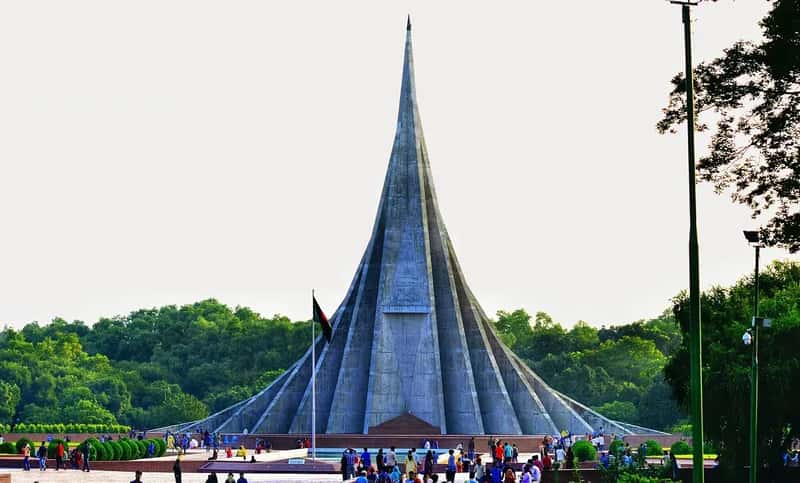
Bangladesh’s massive garment industry, which supplies clothing to the entire world, operates on the backs of workers facing relentless schedules. A 2024 investigation by the Workers Rights Consortium documented that factory employees routinely work 60 to 80-hour weeks during peak production periods. Legal protections exist on paper, limiting workweeks to 48 hours with allowances for overtime, but enforcement remains virtually nonexistent in many facilities. The Bangladesh Garment Manufacturers and Exporters Association’s own 2023 data acknowledged that 68% of workers report chronic exhaustion, with many forced to choose between rest and earning enough to support their families.
The Global Wake-Up Call

These ten countries showcase a troubling pattern where economic pressures consistently trump human well-being. From Mexico’s marathon hours to Bangladesh’s exploitative conditions, millions of workers worldwide sacrifice health, relationships, and happiness at the altar of productivity. The data from organizations like the OECD, ILO, and various labor ministries paints an undeniable picture: isn’t just poor in these nations, it’s practically nonexistent for huge segments of their workforces. Real change demands more than awareness; it requires systemic reforms, strict enforcement, and a fundamental shift in how we value human time and dignity. What surprises you most about these rankings?