Healthcare quality varies drastically across the globe, and if you’ve ever wondered where you’d want to get sick – or absolutely avoid getting sick – the answer might surprise you. Some nations have mastered the art of keeping their citizens healthy and happy, while others struggle with basics like access to doctors or affordable treatment. Let’s be real, choosing where to live based on healthcare might sound extreme, but when you see the differences, you’ll understand why it matters so much.
1. Switzerland: The Gold Standard of Medical Excellence

Switzerland consistently ranks at the top of global healthcare lists, and for good reason – the country combines universal coverage with cutting-edge medical technology. Switzerland boasts some of the shortest wait times for specialist appointments in Europe, averaging just 10 days compared to months in other developed nations. The Swiss healthcare system operates on mandatory private insurance, which might sound intimidating, but it actually creates fierce competition that drives up quality and keeps providers on their toes. Life expectancy here sits at an impressive 83.4 years as of 2023, and infant mortality rates are among the lowest worldwide at just 3.3 per 1,000 live births, according to UNICEF data.
2. Singapore: Where Efficiency Meets Innovation

Singapore’s healthcare system is a masterclass in efficiency, blending public and private sectors in a way that few countries have managed to replicate. The Bloomberg Health Efficiency Index 2023 ranked Singapore as the most efficient healthcare system globally, spending only about 4.5% of GDP on healthcare while delivering outcomes that rival or exceed those of much wealthier nations. Their unique approach involves mandatory health savings accounts called Medisave, which give citizens skin in the game without bankrupting them when emergencies strike. With a life expectancy of 83.7 years and a healthcare infrastructure rated 92 out of 100 by the Legatum Prosperity Index 2024, Singapore proves you don’t need to spend massively to get world-class care.
3. Japan: Longevity Champions Through Prevention

Japan holds the crown for life expectancy worldwide at 84.5 years as of 2024, according to the World Bank, and its healthcare philosophy centers heavily on prevention rather than treatment. The Japanese system requires annual health checkups for all citizens, catching diseases early when they’re most treatable and least expensive to manage. Healthcare costs are tightly regulated by the government, with standardized pricing that prevents the kind of price gouging you see in other developed nations – an MRI that might cost $1,200 in the United States runs about $150 in Japan, based on 2023 comparative pricing studies by the International Federation of Health Plans. Universal coverage ensures everyone from Tokyo salarymen to rural farmers gets access to quality care, and the results speak volumes about what’s possible when prevention meets accessibility.
4. Central African Republic: Healthcare in Crisis

The Central African Republic represents the opposite end of the healthcare spectrum, with a system that barely functions amid ongoing conflict and extreme poverty. Maternal mortality rates are catastrophically high at approximately 829 deaths per 100,000 live births, according to UNICEF’s 2023 State of the World’s Children report, reflecting the dangerous reality for women giving birth without access to basic medical care. Healthcare infrastructure is virtually nonexistent outside the capital,a l Bangui, with most rural areas lacking even basic clinics, clean water, or reliable electricity to power medical equipment.
5. South Sudan: The World’s Youngest Nation Struggles
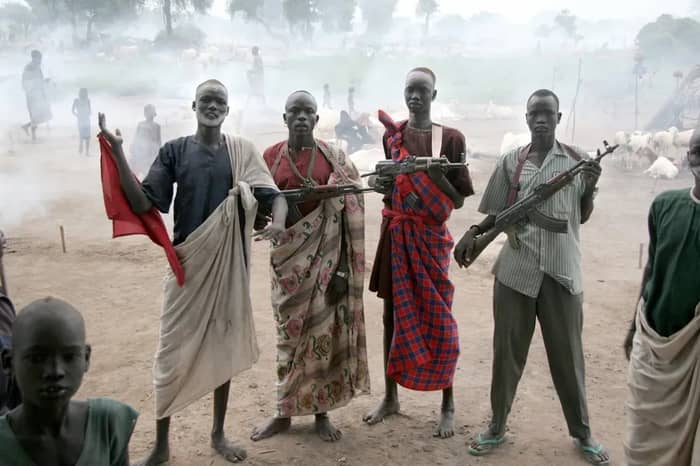
South Sudan, which gained independence in 2011, faces overwhelming healthcare challenges that place it among the worst systems globally. The country spends less than $10 per person annually on healthcare according to World Bank 2024 figures, compared to thousands in developed nations, and that minuscule budget shows in devastating ways. Life expectancy sits at just 55 years, and child mortality rates are heartbreaking – roughly one in ten children doesn’t survive to their fifth birthday, based on 2023 UNICEF data. The ongoing civil conflict has destroyed much of what little medical infrastructure existed, leaving the majority of South Sudan’s population more than a day’s walk from the nearest functioning health facility, according to Doctors Without Borders field reports from 2024.
6. Chad: Desert Nation’s Healthcare Desert
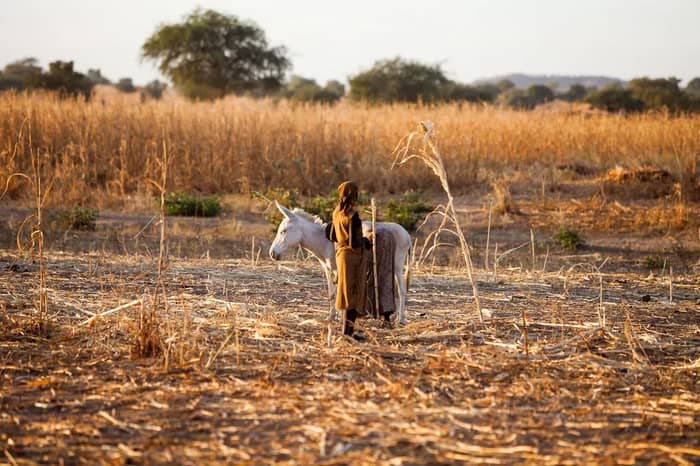
Chad’s healthcare system ranks among the world’s weakest, hampered by geographic isolation, political instability, and crippling poverty tleaveaves health needs perpetually unmet. The country has about 0.04 doctors per 1,000 people as of 2024 WHO statistics – one of the lowest physician densities on Earth -, and most are concentrated in the capital N’Djamena, leaving rural areas essentially abandoned. Preventable diseases like malaria, tuberculosis, and respiratory infections remain leading causes of death, killing thousands annually who would survive with basic medical intervention available elsewhere. Life expectancy barely reaches 54 years, and the healthcare system receives so little funding that many facilities operate without running water, electricity, or essential medications, based on assessments by international health organizations operating in the region during 2023.
Conclusion: The Healthcare Divide Reflects Global Inequality
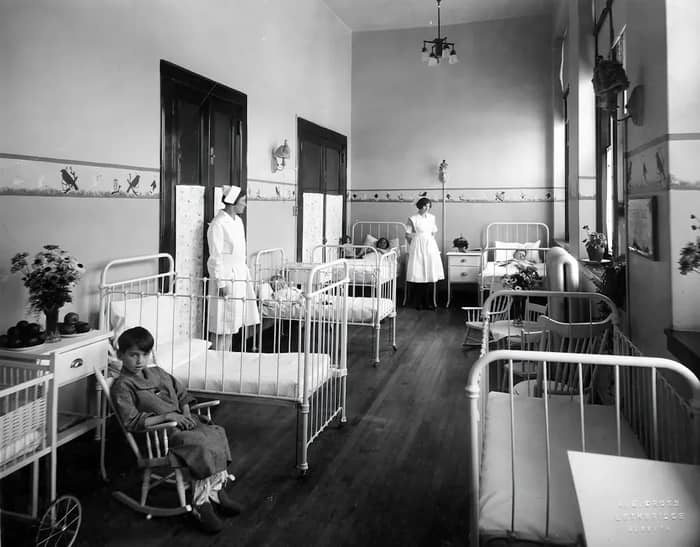
The gap between the best and worst healthcare systems isn’t just about money – though that certainly plays a major role – it’s about priorities, governance, and whether nations view healthcare as a fundamental right or a privilege. Countries like Switzerland and Singapore spend smart rather than just spending big, while the bottom-tier nations struggle with basic infrastructure that would be taken for granted almost anywhere else. What’s clear from looking at these extremes is that geography still determines your chances of surviving childbirth, beating cancer, or simply living past 60, and that’s a reality millions face every single day. What do you think could bridge this massive healthcare gap between nations? Share your thoughts in the comments.