There’s something fascinating about how our world runs on coffee. Every morning, millions of people reach for that familiar cup, letting the rich aroma wake them up before the first sip even touches their lips. Coffee isn’t just a drink anymore. It’s become this global ritual that connects cultures across continents, yet some nations have taken their relationship with caffeine to an entirely different level.
When you think about coffee consumption, you might picture busy Americans grabbing their morning lattes or Italians savoring espresso at sidewalk cafés. The reality might surprise you, though. The countries that consume the most coffee per capita aren’t the ones you’d necessarily expect. Let’s dive in and explore the nations where coffee isn’t just a beverage but practically a way of life.
Finland – The Undisputed Coffee Champion
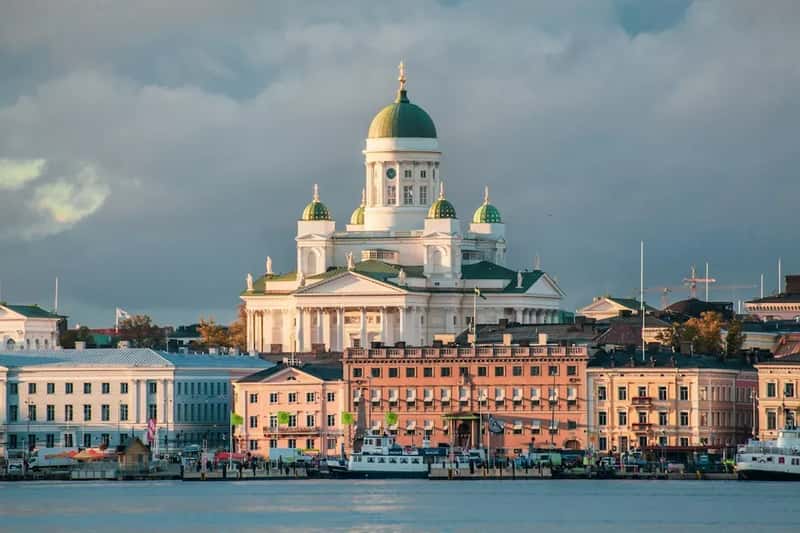
Finland stands as the world’s highest coffee consumer, with residents averaging around 3.77 cups per day, translating to approximately 13.2 kilograms per person annually. Finns typically drink anywhere from three to five cups of light roasted filter coffee daily, with recent surveys showing consumption hitting 4.4 cups per day. This Nordic nation has woven coffee so deeply into its social fabric that it’s practically impossible to imagine Finnish life without it. Finland is actually the only country in the world where collective labor agreements mandate two 15-minute coffee breaks during the workday. Let’s be real, when your coffee breaks are written into law, you know the beverage has achieved legendary status.
Norway – Where Coffee Flows Like Water
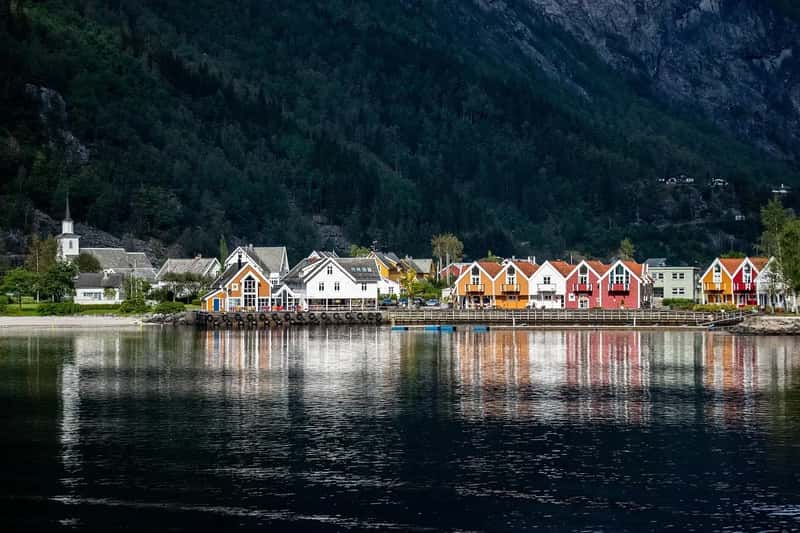
Norway ranks among the top coffee consumers globally, with Norwegians consuming around 10.4 kilograms per person annually, averaging approximately 2.57 cups daily. Roughly 70 percent of Norwegians drink coffee or coffee drinks daily, with annual consumption staying stable between 700,000 and 800,000 60-kilogram bags over the past decade. The Norwegian approach to coffee leans heavily toward filter coffee, which people drink throughout both day and night. Coffee houses scattered across Norway serve as popular social gathering spots where people relax and connect. Honestly, the commitment here is impressive. Norway ranks fifth in European coffee consumption with 8.6 kilograms per capita, showing that their devotion to the brew runs deep and steady.
Sweden – Fika Culture Defines Daily Life
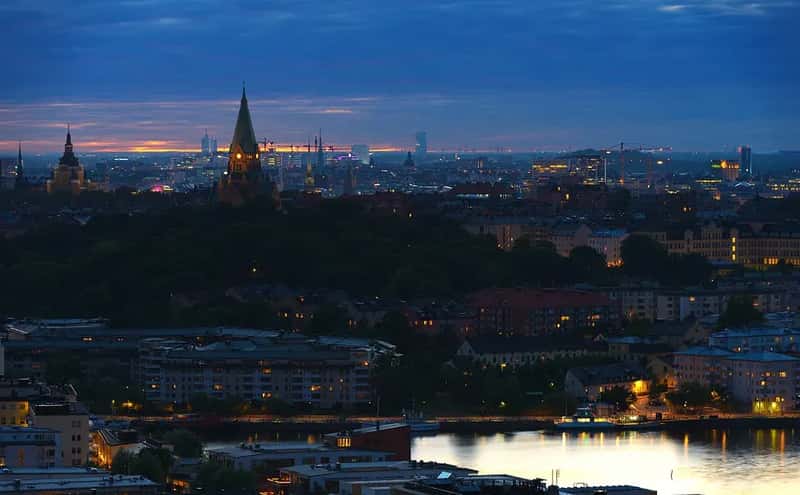
Sweden maintains its position in the top three coffee-consuming nations with 2.59 cups per day per person. In 2023, consumption reached 6.1 kilograms per capita, with Sweden ranking third among European countries at 9.9 kilograms per capita according to other measures. What makes Sweden unique isn’t just the quantity but the cultural tradition surrounding it. The Swedish “Fika” tradition is specifically designed for drinking coffee together during the day, typically around 10 a.m. and again at 3 p.m., encouraging people to socialize and forget everyday stress for a moment with coffee and perhaps a sweet pastry. Here’s the thing about Fika: it’s not just about drinking coffee but about pausing life itself. This cultural practice has turned coffee consumption into something almost sacred.
Denmark – Small Country, Big Coffee Love
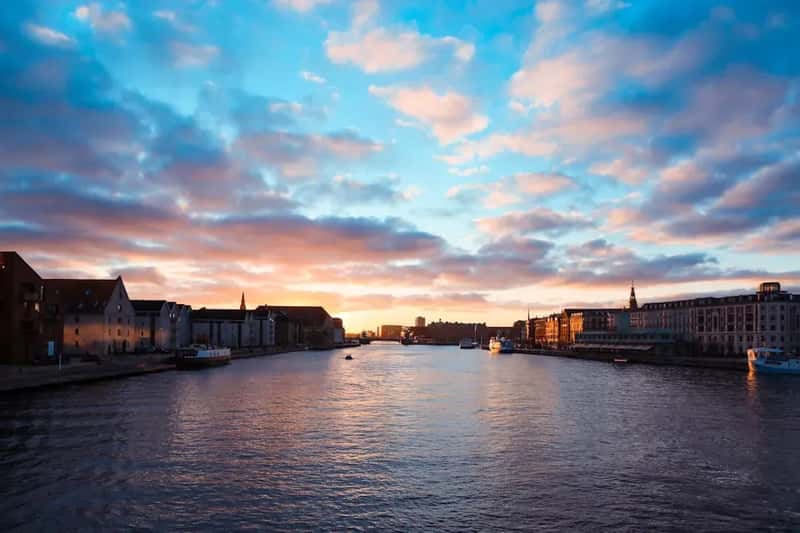
Denmark ranks eighth in European coffee consumption with an average of 6.6 kilograms per capita, with some sources citing approximately 9 kilograms annually. Coffee consumption volume in Denmark reached roughly 21,000 metric tons in 2022, though interestingly this represented a decrease from earlier years. Denmark holds the distinction of having the highest average coffee price globally at $5.40 per cup, reflecting its high living costs and taxation. The Danish emphasis on “hygge” – that concept of coziness and comfort – helps keep coffee firmly at the center of daily life. Filter coffee remains popular here, though espresso-based drinks have gained significant ground across Copenhagen and other cities.
Netherlands – The Convenient Coffee Nation
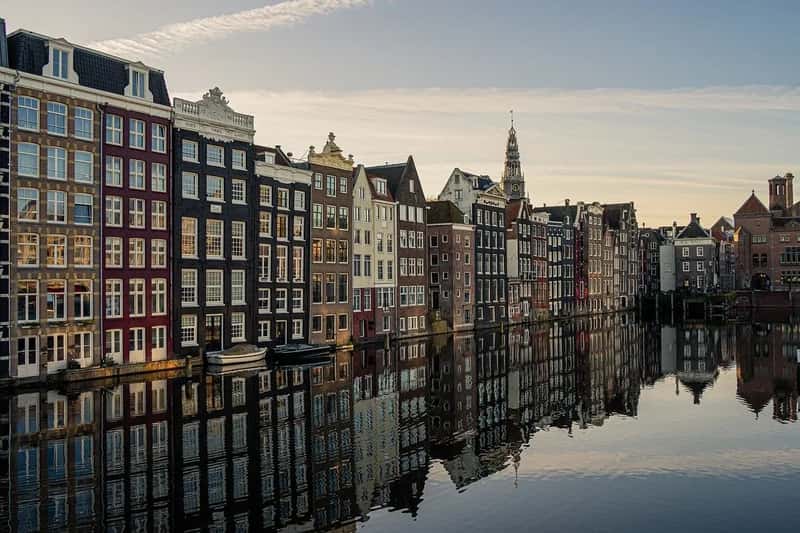
Coffee consumption in the Netherlands reached 1.79 cups per day in 2024. The Netherlands ranks among the top European coffee consumers with 8.2 kilograms per capita, placing it alongside Finland and Denmark among the world’s largest per capita consuming countries. Dutch consumers truly value convenience, with many people drinking coffee at work, on the go, or at home using drip machines and pod systems. Amsterdam’s thriving café scene is driving growing interest in fair trade and direct-trade coffees, with emphasis on balanced, mild roasts. The Dutch approach feels more practical than ceremonial, yet their commitment to quality remains unmistakable. They’ve somehow managed to blend efficiency with genuine appreciation for good coffee.
The Nordic Pattern and What It Reveals
Nordic countries maintain their status as the world’s most coffee-obsessed per capita, while countries like the United States lead in total volume consumed. There’s something about those long, dark, cold winters that makes coffee not just desirable but essential. Finland’s cold climate is a significant factor, as warm coffee provides comfort and warmth during harsh winters and short, cool summers, helping people stay warm and alert during dark, chilly months. Scandinavians prefer their coffee strong and robust, predominantly consumed black without milk and sugar, making the actual quality of coffee extremely important in these markets. This regional pattern reveals how geography, culture, and daily habits intertwine to create these incredible consumption levels.
So what do you make of this caffeinated landscape? Did you expect these particular countries to dominate, or were you surprised by just how much coffee flows through Nordic nations?