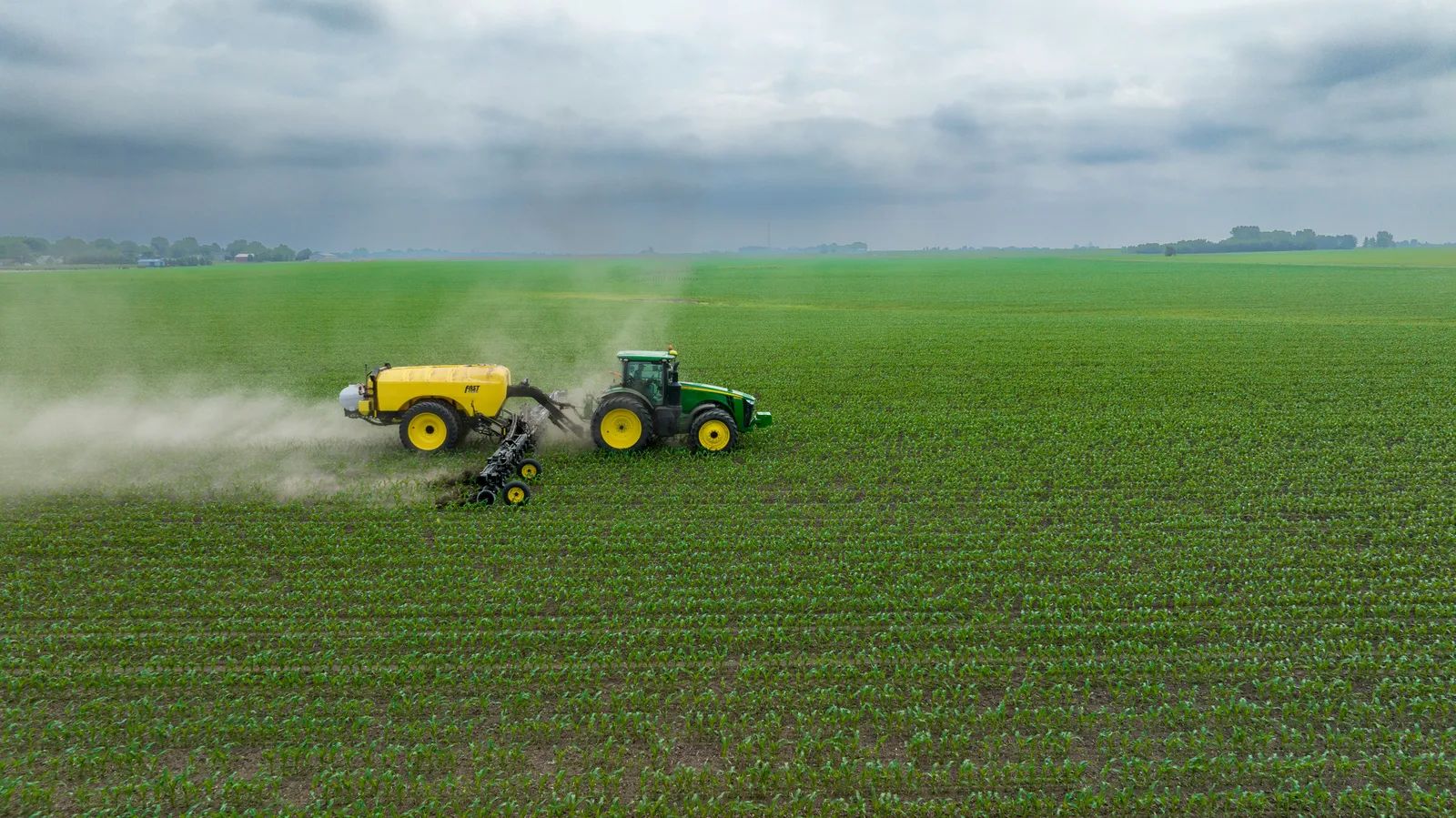
Washington policymakers have raised fresh alarms about Colombia’s intent to resume aerial herbicide applications over coca fields in the Amazon. The effort targets the world’s top cocaine producer, yet it revives a tactic long criticized for its side effects. Lawmakers see risks that extend beyond drug eradication to the health of rural residents and the stability of the rainforest itself.
Colombian Government Rationale
Colombian authorities maintain that aerial spraying remains essential to curb cocaine output and disrupt armed groups that profit from the trade. Officials argue the method allows rapid coverage of remote growing areas that ground teams struggle to reach. They point to persistent production levels despite years of other interventions. The strategy forms part of a broader security push that links narcotics revenue to ongoing violence in frontier zones.
Documented Risks to Health and Forests
Critics highlight repeated evidence that the herbicide mixtures can drift onto communities, water sources, and non-target vegetation. Past rounds of spraying coincided with reports of skin irritations, respiratory issues, and crop damage among residents near treated plots. Environmental groups note that cleared or damaged forest patches often give way to further agricultural expansion rather than natural recovery. The lawmakers’ letter stresses that renewed operations could accelerate deforestation rates already elevated by illegal mining and cattle ranching.
Decades of Mixed Results
United States support for Colombian counternarcotics programs stretches back more than thirty years. During that period Colombia has remained the dominant global supplier of cocaine, with output fluctuating but never eliminated. Aerial spraying peaked in the early 2000s before a court-ordered pause in 2015 over health concerns. Production later rebounded, prompting the current proposal to restart the practice under tighter protocols. The lawmakers question whether renewed American backing would repeat earlier shortcomings. They note that eradication without parallel investment in legal crops and rural infrastructure has repeatedly failed to deliver lasting reductions. Alternative development programs, though slower, have shown localized success where communities receive sustained support for switching to coffee, cacao, or other licit livelihoods.
Next Steps and Stakeholder Views
The letter to Secretary of State Marco Rubio asks the administration to withhold any endorsement or logistical assistance for the spraying campaign. Signatories instead advocate expanded cooperation on manual eradication, intelligence sharing, and economic alternatives that protect both people and the forest canopy. Colombian officials have not yet responded publicly to the congressional intervention. Observers expect the issue to surface in upcoming bilateral security talks. Any decision will shape not only drug flows but also the pace of forest loss in one of the planet’s most biodiverse regions.