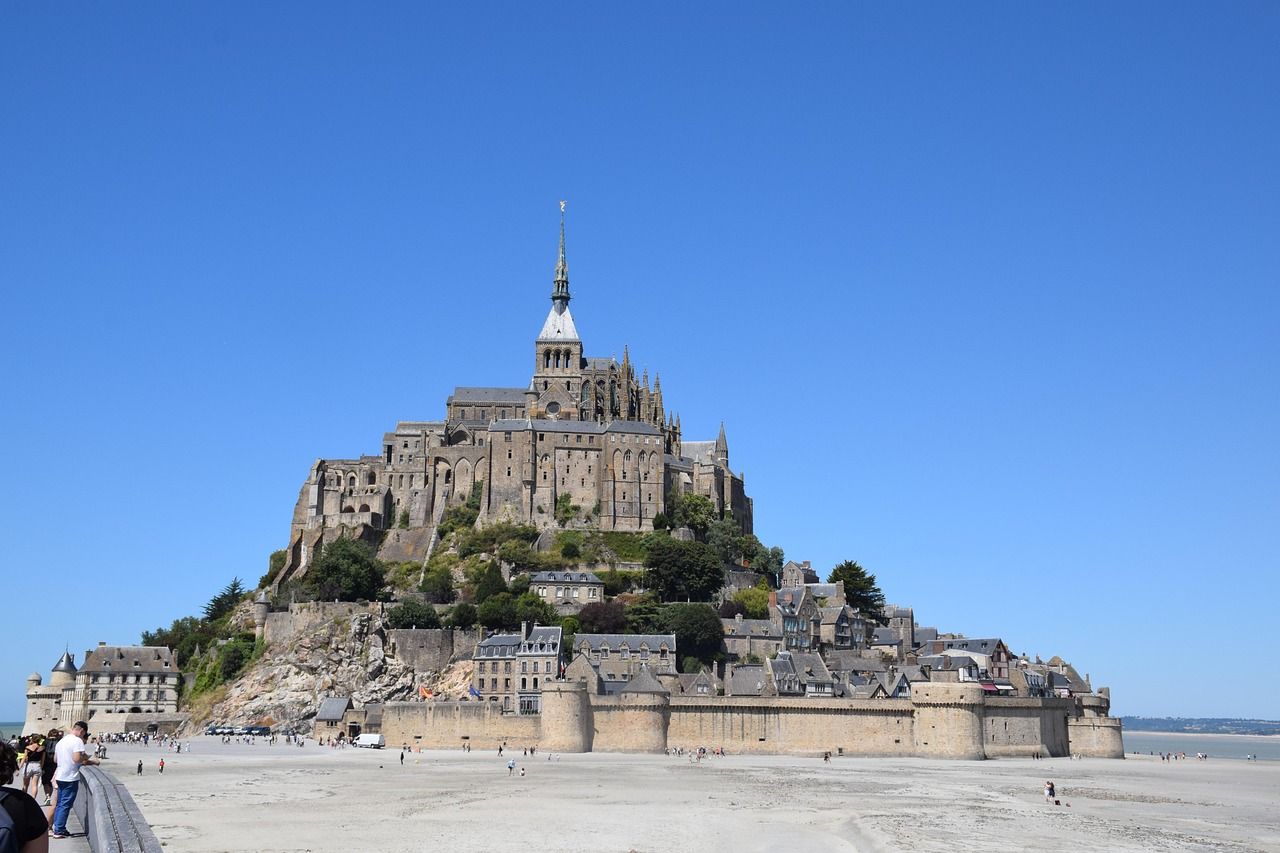
Few lists spark as much friendly rivalry as the World Heritage ranking. After the 48th session of the World Heritage Committee in Busan, the total number of World Heritage sites reached 1,273 across 173 countries.[1] Most of them are cultural properties: 991 cultural, 240 natural and 42 mixed.[2]
The six countries below hold the largest tallies as of July 2026. Keep in mind that transboundary properties are counted for each participating country[3], so totals can differ slightly between sources. The numbers here follow the post-Busan figures.
1. Italy
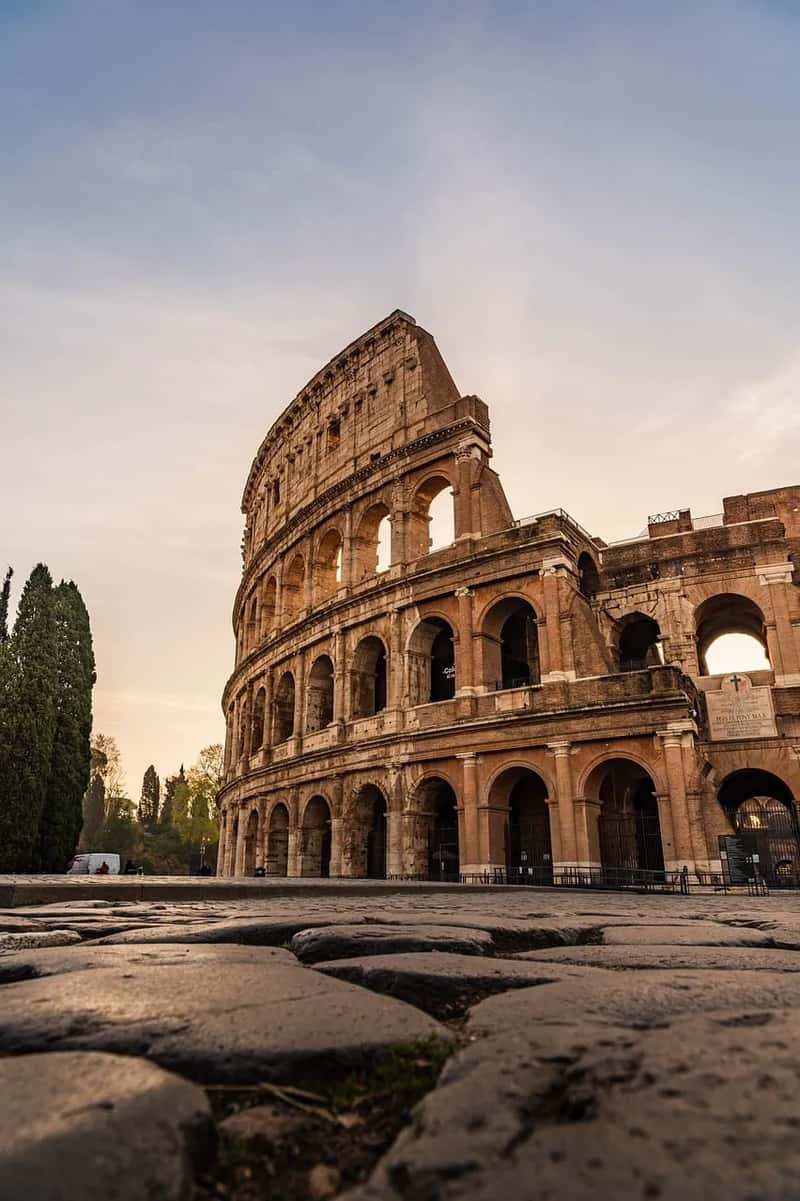
Italy leads the world with 62 World Heritage Sites, ahead of China with 61 and France with 56 as of July 2026.[2] The margin is thin. Italy’s one-property lead over China is narrow[4], so the top spot could change hands with a single inscription.
The country’s strength is cultural. Of its 62 sites, 56 are cultural and only 6 natural.[2] The famous names include the Historic Centre of Rome, Venice, Pompeii, and the Dolomites.[5] Long-recognized urban, archaeological and artistic sites explain why Italy has stayed at the top for so long.
2. China
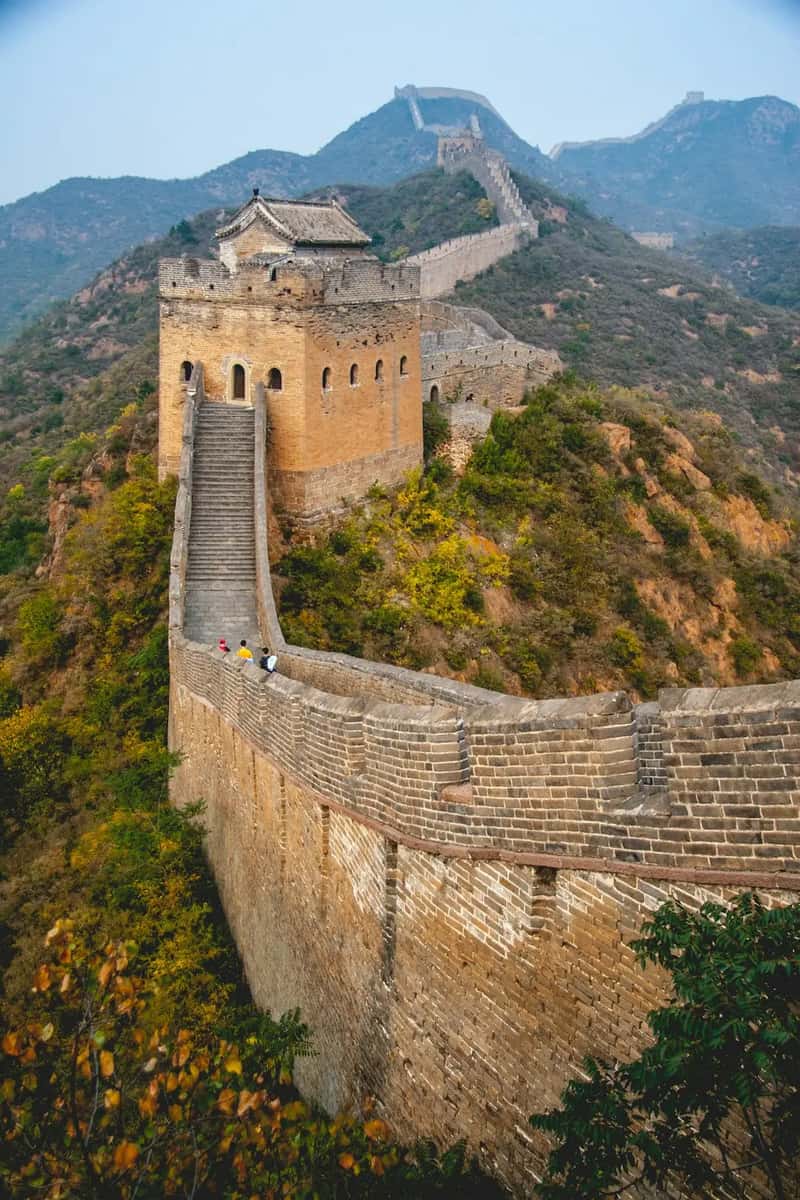
China sits second with 61 properties, according to country totals that put it just ahead of France at 56.[4] Its first inscription came in 1987, relatively late compared with some European rivals. It has built its list quickly since then.
What sets China apart is its balance. Its total breaks down into 42 cultural, 15 natural and 4 mixed sites[4], which is a far larger natural share than Italy or Germany can claim. Notable sites include the Great Wall, Forbidden City, and Mount Huangshan[5], covering both imperial history and dramatic landscapes.
3. France
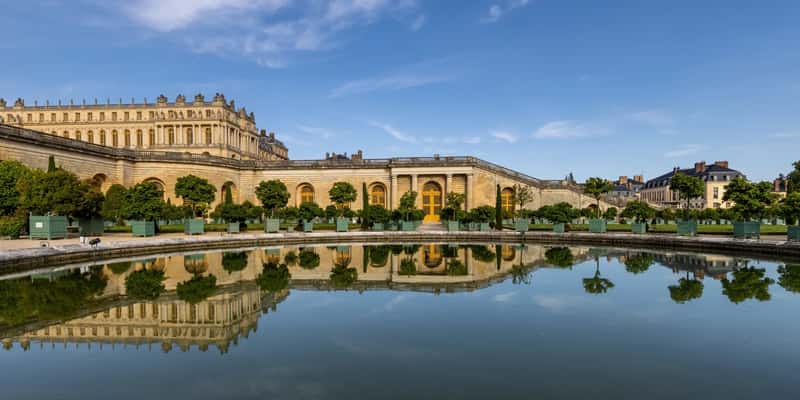
France holds third place with 56 sites. That total includes 47 cultural, 7 natural and 2 mixed properties.[4] The newest addition is a memorable one: the Beaches of the D-Day Landings in Normandy, 1944, which group together the beaches of the Allied landings.[6]
France’s list covers a wide stretch of time. Its sites span prehistoric art, Gothic cathedrals, and royal palaces.[5] Highlights include the Palace of Versailles and Mont-Saint-Michel.[5] The D-Day inscription shows that modern memory sites can join the list too.
4. Germany
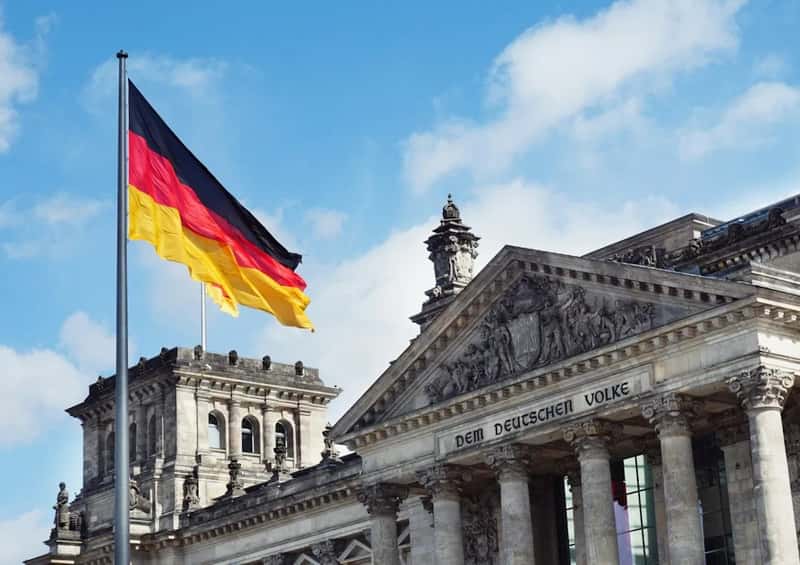
Germany ranks fourth with 55 properties. Of these, 52 are cultural and 3 are natural.[4] That makes it one of the most heavily culture-weighted lists among the leaders, with no mixed sites at all.
The portfolio runs from medieval to industrial. Germany’s sites feature medieval cathedrals and industrial zones, with Cologne Cathedral, Berlin’s Museum Island, and the Würzburg Residence among the key attractions.[5] Its list shows how a country with many historic towns and regions can accumulate recognized heritage steadily.
5. Spain
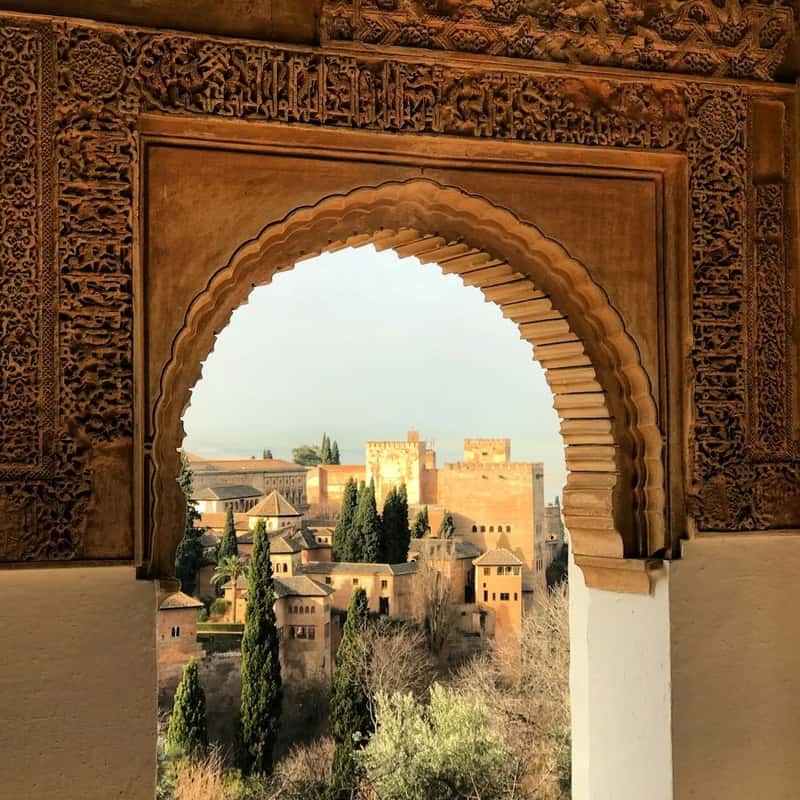
Spain completes the European run in the top five with 50 sites.[2] Its list includes 44 cultural, 4 natural and 2 mixed properties.[4] The gap to the countries above it is small, yet Spain has held its position steadily.
Its heritage reflects centuries of layered history. The sites are rooted in Roman, Moorish and artistic traditions, and must-see examples include the Alhambra, Toledo, and Antonio Gaudí’s works in Barcelona.[5] Few countries show Islamic and Christian influences as visibly side by side.
6. India
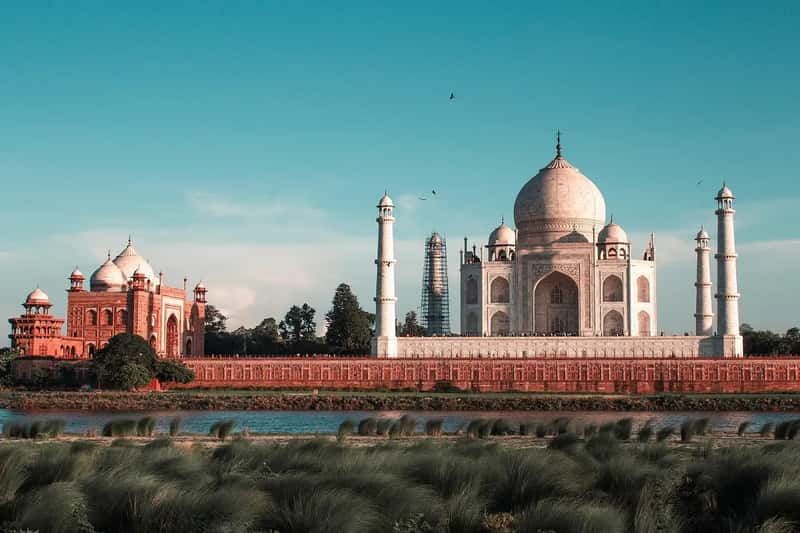
India is the highest-ranked country outside Europe and East Asia, with 45 sites, placing it sixth globally.[3] That total includes 37 cultural, 7 natural and 1 mixed property.[4] It sits well clear of the next group, where Mexico has 36 and the United Kingdom 35.
India’s latest addition came at the Busan session. The ancient Buddhist site of Sarnath in Uttar Pradesh was inscribed on July 25.[7] It’s a fitting entry for a country whose heritage stretches from early religious centers to forts, temples and national parks.
Taken together, these six countries show that a high ranking rarely comes from one source. Italy, France, Germany and Spain lean on dense cultural histories. China and India add large natural and mixed portfolios, and the list keeps growing: the 48th session closed with 25 new sites inscribed.[8] Because totals shift with each annual session and with counting choices, the order near the top is worth checking again after the next meeting, which is set for Istanbul.[9]
A ranking by count only tells part of the story. A single inscription can rewrite the leaderboard, yet the places themselves, from Pompeii’s streets to Sarnath’s ruins, matter far more than the numbers beside them.