Something remarkable is happening across America’s smallest towns. While headlines focus on Florida’s sprawling retirement villages and Arizona’s desert communities, a different story is unfolding in places most people have never even heard of. Tiny towns with populations barely breaking five figures are quietly becoming retirement havens, offering something many big-name destinations simply can’t match anymore: affordability combined with genuine community warmth.
Let’s be real, the retirement landscape has shifted dramatically in recent years. In 2024, 258,000 Americans relocated for retirement, a steep 23.8% drop from 2023. Rising mortgage rates and soaring home prices have made many retirees think twice about relocating. Yet those who do move are increasingly looking beyond the obvious choices, discovering hidden gems where their retirement dollars stretch further and neighbors actually know their names.
1. Maplewood, Missouri: The Unexpected Champion
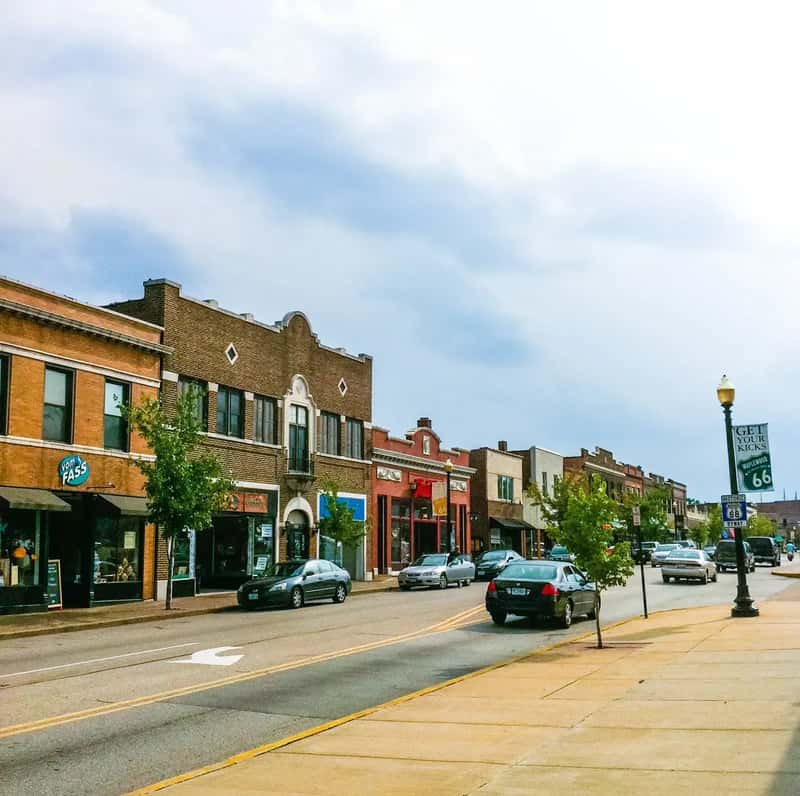
Here’s something you probably didn’t expect. Maplewood, Missouri, a small town with a population of around 8,041, is the best small town for retirees in the U.S., according to the GOBankingRates study. This unassuming suburb outside St. Louis has been crowned the top retirement town in America for 2025, beating out hundreds of competitors.
Seniors can live in this town outside St. Louis for about $2,810 per month. What makes Maplewood truly special isn’t just affordability, though. The town feels like stepping back in time, with its charming downtown featuring a local butcher, a bowling alley, and tree-lined streets dotted with Tudor and colonial homes. It’s only about ten miles from downtown St. Louis, meaning residents get small-town living with easy access to world-class hospitals and cultural amenities. Sure, the crime rate is higher than you’d find in more rural spots, likely due to its proximity to the city, yet the overall livability score of 87 speaks volumes.
2. Georgetown, Texas: Hill Country’s Retirement Secret

There’s also a massive retirement community for those age 55 and older called Sun City, Texas, which has over 15,000 residents. Georgetown has become a retirement destination that perfectly balances old and young, being home to both Southwestern University and a thriving senior population. The town’s population exploded recently, growing significantly as word spread about its charms.
The charming town square buzzes with festivals and events throughout the year. Honestly, it’s hard not to fall in love with this place. Retirees can easily access the scenic rivers and lakes of the Texas Hill Country for weekend adventures, while Austin’s live music scene and barbecue joints are only about thirty miles away. The lack of state income tax in Texas sweetens the deal considerably, making every retirement dollar go further.
3. Cedar Key, Florida: Gulf Coast Tranquility
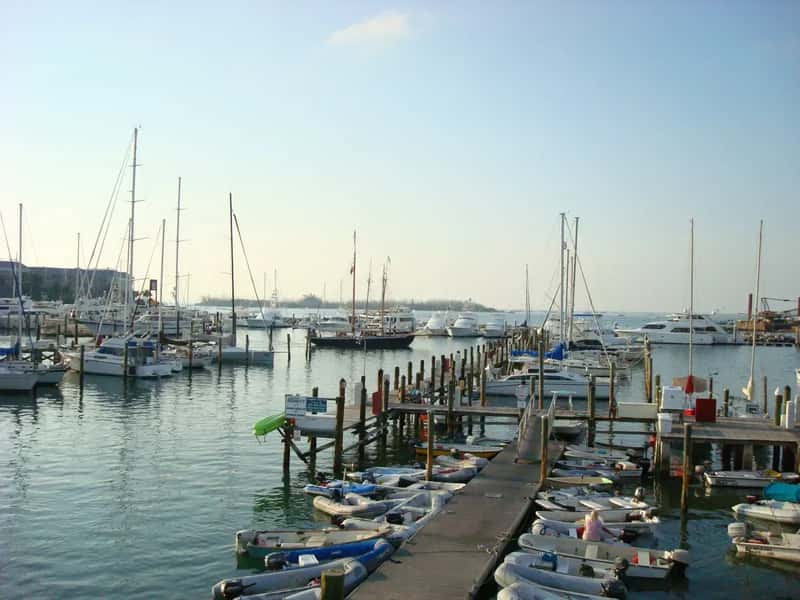
Florida is full of picturesque small towns, and Cedar Key stands out as one of its most peaceful and inviting. This tiny Gulf Coast town offers a laid-back lifestyle, making it ideal for retirees seeking tranquility. With just under 700 residents, this isn’t your typical Florida retirement community. Nearly 55% of residents are over 65, creating a genuine retirement enclave.
Florida’s lack of state income tax is a big draw, and Cedar Key’s cost of living remains relatively affordable. By August 2025, the median home value had hovered around $330,000, making it accessible for many retirees. The natural beauty surrounding this island community is stunning. Cedar Keys National Wildlife Refuge offers incredible birdwatching and kayaking opportunities. Seniors benefit from access to renowned healthcare facilities in nearby Gainesville, home to major medical centers, including the University of Florida Health Shands Hospital, just a short drive away.
4. Saugatuck, Michigan: Lakeside Arts Haven
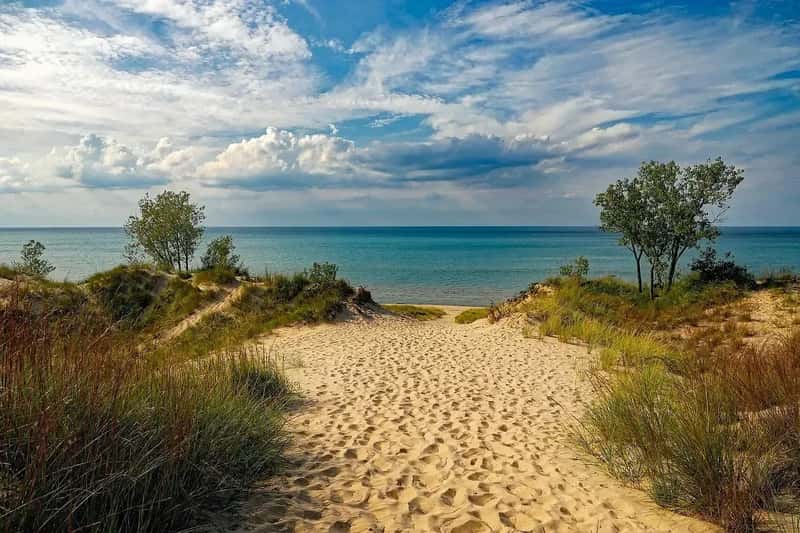
Michigan’s west coast harbors one of the Midwest’s best-kept retirement secrets. Saugatuck, located on the shores of Lake Michigan, is a haven for nature lovers and art enthusiasts alike. The town’s scenic landscapes, sandy beaches, and vibrant arts scene make it an ideal retirement destination. This small town offers something many retirement destinations lack: genuine cultural depth combined with natural beauty.
This is one of the most affordable yet livable towns in the northern United States,s with the average needed income for a single adult only needing to be around $28,800 per year. Retirees can spend mornings exploring the historic downtown area, afternoons at the Saugatuck Center for the Arts, and evenings enjoying farm-to-table dining experiences. Accommodation options range from cozy cottages to waterfront condos, catering to various budgets. Boating, hiking, and birdwatching along the lengthy lakeshore keep active retirees busy year-round.
5. Fredericksburg, Texas: Wine Country Meets German Heritage

Nestled inthe Texas Hill Country, Fredericksburg is a charming town of about 11,000 residents. It was originally founded by German settlers in 1846, and a cultural influence is still visible in its cuisine, architecture, and traditions. Surrounded by over 70 local wineries, it’s a haven for wine enthusiasts, while its designation as a Dark Sky Community makes it ideal for stargazing. The German heritahas ge a sa unique flavor, from authentic bakeries to annual festivals celebrating the town’s roots.
Crime rates here sit below the national average, providing genuine peace of mind. Although the median home value is about $530,000, reflecting a popular housing market, the town’s lack of state income tax and overall cost index just slightly above the national norm make it manageable for many retirees. Healthcare is covered by Methodist Hospital Hill Country nearby. The historic Pioneer Museum, scenic wildflower meadows perfect for afternoon drives, and iconic Enchanted Rock State Natural Area for gentle hikes round out the retirement experience. Both San Antonio and Austin are conveniently located within eightmiles offr bigger-city amenities.
6. Concord, New Hampshire: Capital City Charm at Small-Town Scale

Concord, the capital of New Hampshire, sits in Merrimack County at the heart of the state and boasts a vibrant downtown filled with restaurants, boutiques, galleries, and public art, along with a year-round calendar of events. It is a standout retirement destination thanks to its blend of small‑city amenities and affordability, with a median home valueof around $450,000. Being a state capital doesn’t mean big-city hassles here.
The city offers excellent resources specifically designed for older adults. The city offers a strong sense of community and excellent resources for older adults, including the Senior Passport Program from Concord Parks and Recreation. This program provides free and low-cost drop-in activities for residents 55 and older, including indoor walking, cribbage, Mah Jongg, book clubs, and more. New Hampshire’s tax situation favors retirees, with no state income tax on wages and relatively moderate property taxes compared to neighboring states. The capital city status ensures top-notch healthcare facilities while maintaining that small-town feeling where community matters.
The Quiet Revolution in Retirement Living

The retirement landscape has fundamentally changed. A 2025 analysis of Census Bureau data by HireAHelper found that more than 258,000 Americans relocated upon retirement in 2024. Just over 32% of those retirees moved across state lines, roughly double the rate of the typical American mover. Those who do relocate are increasingly seeking authenticity over amenities, community over convenience.
These nine tiny towns represent a broader shift happening nationwide. Retirees are discovering that smaller communities often deliver what money can’t buy in expensive retirement meccas: genuine connections with neighbors, a slower pace of life, and the satisfaction of being part of a real community rather than just another resident in a massive development. With home prices soaring across the country – and many retirees not having enough savings to get through their golden years – small towns can appeal to those who want a slower pace of life and a lower cost of living. These towns prove you don’t need palm trees or perfect weather to f etirement paradise. Sometimes the best place to spend your golden years is somewhere you’ve never even considered. Have any of these hidden gems surprised you?