A tour guide’s job looks simple from the outside: memorize some facts, walk a route, keep the group together. Spend enough time behind the microphone, though, and a different picture emerges, one full of small compromises, private frustrations, and a few tricks of the trade that rarely make it into the official spiel. Most guides won’t volunteer any of this while you’re standing in front of a cathedral waiting for the next fact. But away from the group, the stories change shape a little.
The tip conversation nobody wants to have
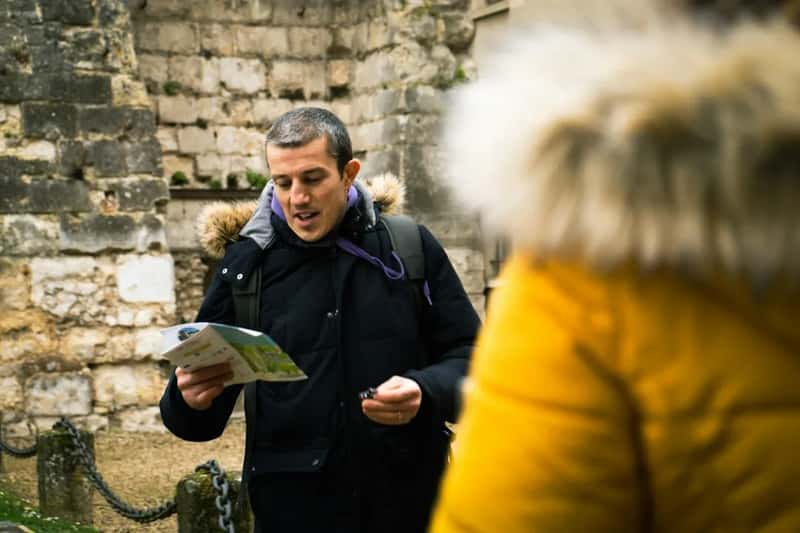
Guides talk about money more than travelers assume, mostly because so many of them depend on tips to make the job viable at all. Most tour guides are independent contractors who live or die on tips.[1] That single fact shapes a lot of what happens on a tour, from which jokes get told twice to how patient a guide stays when the group runs fifteen minutes late.
Standard guidance suggests tipping around 10%-20% of the total cost[2] for a private or paid tour, though the exact figure shifts by country and tour type. In the United States, many operators say guides typically earn 15-20% of the total tour cost[3], with lower tips usually reserved for tours that didn’t quite land. Guides notice the gap between a five dollar tip and a fifty dollar one, even if they never say so out loud.
Free walking tours run on a different business model than you think
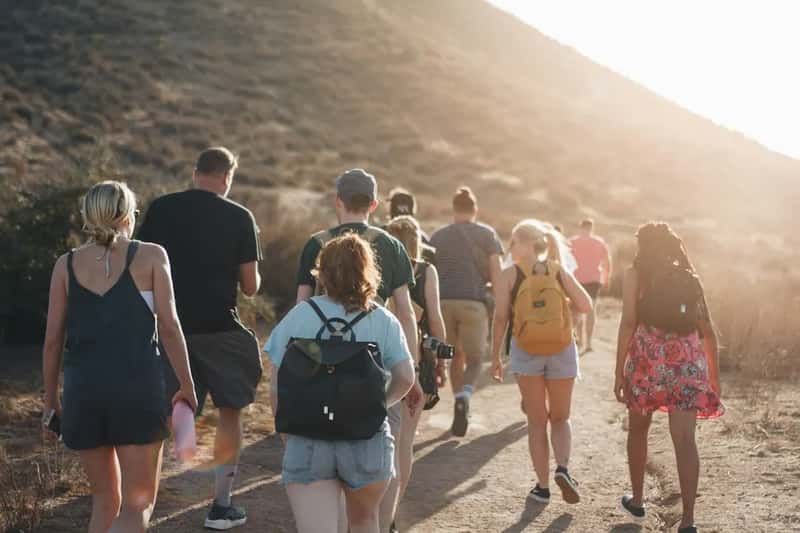
The word “free” in free walking tours is doing a lot of work. It’s customary to tip for free tours, as guides often rely on tips as their main income source.[4] That means a guide leading a two hour walk through a historic center is essentially working on commission, with no guaranteed base pay at all.
This changes the psychology of the job in ways guests rarely consider. A guide on a free tour has a direct financial incentive to be entertaining, warm, and generous with extra stories, because the performance is the paycheck. It’s not dishonest, exactly, but it does mean the liveliest guide isn’t always the most knowledgeable one, just the one who has figured out what keeps a tip jar full.
The favorite stories get repeated for a reason
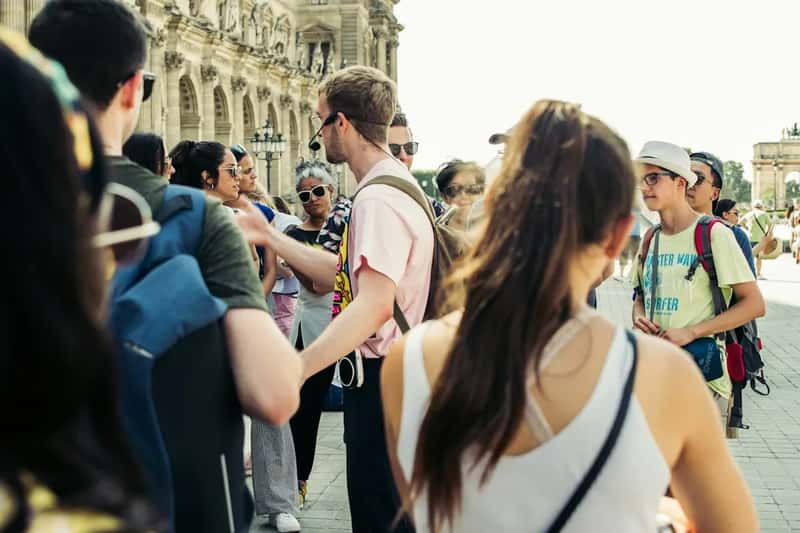
Every guide has two or three anecdotes that reliably get a laugh or a gasp, and those stories get wheeled out again and again, sometimes several times a day. It’s not laziness. A guide who has tested a story on hundreds of groups knows exactly where the pauses go and which detail lands best, and that polish is part of what makes a tour feel effortless rather than like a lecture.
What guests don’t always see is how much editing happens behind that polish. Historical nuance sometimes gets smoothed over in favor of a cleaner narrative, not because the guide doesn’t know better, but because a group standing in the sun for ninety seconds too long starts checking phones. The version you hear is usually the compressed one, built for attention spans rather than footnotes.
Overtourism is quietly rewriting the guide’s script
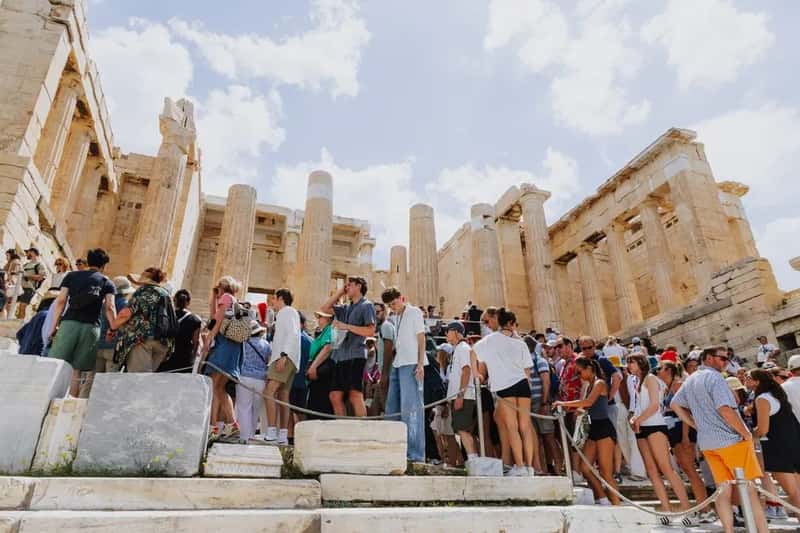
The routes guides use today look different than they did even a few years ago, and a lot of that comes down to crowding. International tourism reached record levels again in 2025, driven by pent-up demand and more accessible travel options, though the surge has been uneven, concentrating visitors in already stressed destinations rather than spreading them out.[5] Guides in hotspot cities have had to adjust accordingly, rerouting groups away from the most photographed corners simply because there’s no physical room left to stand.
Guides read the group before the group reads the map
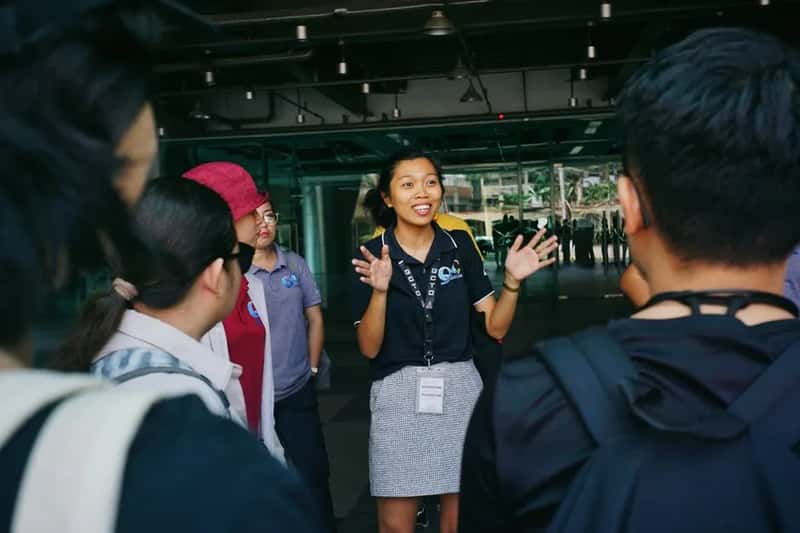
Within the first five minutes, most guides have already sized up a group: who’s going to ask smart questions, who’s going to wander off, who’s jet lagged and barely listening. This isn’t mind reading, it’s pattern recognition built from repetition, and it quietly shapes how much detail a guide offers and how tightly they manage pacing.
A guide who senses a distracted group will often trim the history and lean harder on stories with a punchline. One who senses genuine curiosity will go deeper, sometimes venturing into material that isn’t in the standard script at all. The tour you get is, in a real sense, partly a reflection of the energy you brought to it.
Certain questions get the same answer, word for word
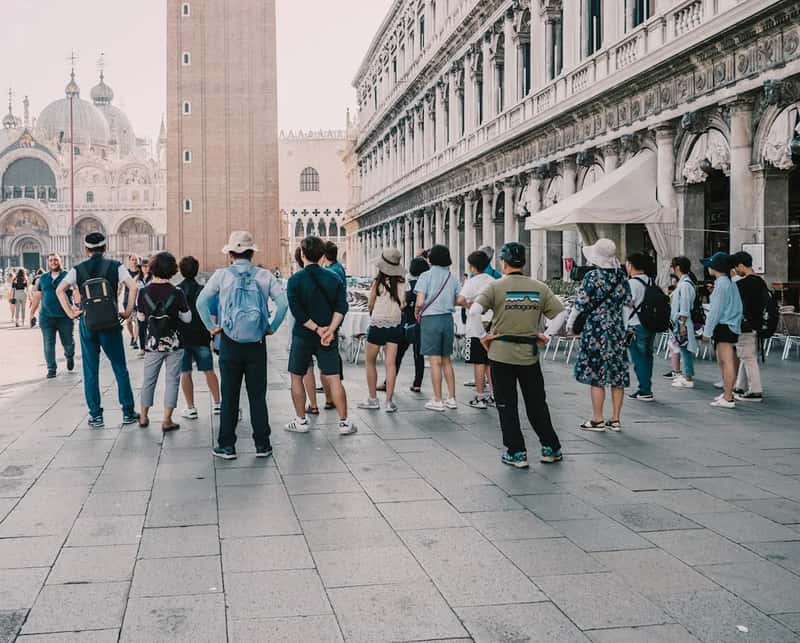
Ask a guide “is it safe to drink the tap water here” or “where’s the best place to eat lunch” enough times, and the answer eventually calcifies into a rehearsed line, delivered the same way regardless of who’s asking. It’s efficient, but it also means the “insider tip” you just received might be the same one three hundred other tourists heard that same week.
Guides also tend to have a stock answer for uncomfortable questions, things involving local politics, religion, or recent controversy. These answers are usually diplomatic by design, crafted to avoid derailing the tour rather than to fully satisfy the person asking. It’s less about dodging the truth and more about keeping a group of strangers moving forward without an argument breaking out on a cobblestone street.
Not every “authentic” stop is what it seems
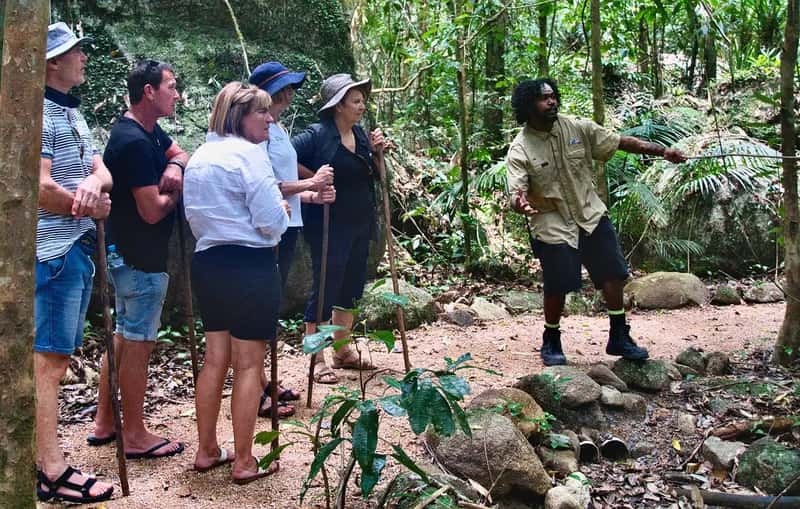
The word “authentic” gets used loosely in the tourism industry, and guides know it better than anyone. A shop, restaurant, or craft demonstration billed as a hidden local gem is sometimes a paid partnership, with the guide receiving a small commission for bringing groups through the door.
This doesn’t necessarily make the stop bad, the food might genuinely be good and the craftsperson’s work might be real, but it does mean the recommendation isn’t always as spontaneous as it sounds. Guides rarely disclose these arrangements outright, partly because the practice is so normalized within the industry that it doesn’t register as a conflict worth mentioning.
Weather and crowds decide more than the itinerary does
A printed itinerary suggests a fixed plan, but guides are constantly making small real time decisions that guests never see. Rain, unexpected closures, a delayed bus, or a sudden crush of other tour groups at the same viewpoint can force a complete reshuffle in minutes.
The visible symptom of overtourism, growing museum lines and packed piazzas, means these adjustments happen more often now than they used to. The United Nations World Tourism Organization has described overtourism as a situation in which residents or visitors feel tourism has harmed quality of life to an unacceptable degree[7], and guides are often the ones absorbing that friction in real time, quietly rerouting a group so nobody notices the plan just changed.
The hardest part of the job isn’t the history, it’s the people
Ask guides what actually wears them down, and it’s rarely the facts or the walking. It’s managing group dynamics: the guest who won’t stop talking over the guide, the couple arguing at the back, the person demanding a refund because it rained. Handling all of this with a calm, professional face is arguably the harder half of the job.
Guides also carry a quiet awareness that a single bad review can outweigh dozens of good tours in the eyes of an algorithm. That pressure encourages a kind of relentless cheerfulness that isn’t always genuine in the moment, even when the guide is having an objectively rough day. It’s a service industry truth that applies here just as much as anywhere else: the smile is often doing more work than people realize.
Final thoughts
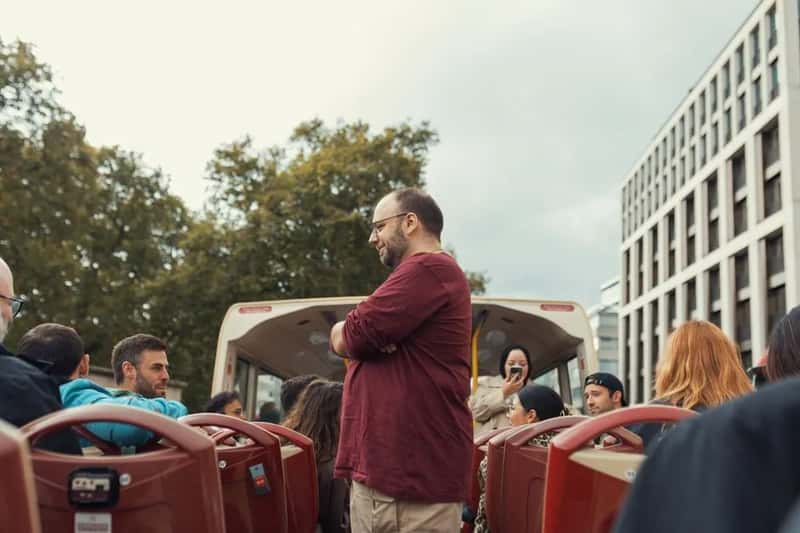
None of this makes tour guides dishonest or their work less valuable. It just means the job involves more calculation, more performance, and more quiet adaptation than most travelers ever notice from the sidewalk. The next time a guide tells a familiar story with practiced ease, it’s worth remembering there’s usually a lot more happening behind that easy delivery than the tour itself lets on.