Ask any tour guide what actually wrecks a trip, and it’s almost never the weather or the destination. It’s the clock. Groups consistently misjudge how long things take, and the fallout ripples through the entire itinerary, turning relaxed vacations into rushed, red-faced scrambles toward a bus that’s already idling.
Most travelers chalk these mishaps up to bad luck. Tour operators know better. There are specific, repeatable patterns behind almost every late departure, missed connection, or frantic dash across a parking lot, and once a guide points them out, you start seeing them everywhere.
1. They Think “Meeting Time” Means “Arrival Time”

Nearly every tour operator has a story about a guest who shows up exactly at the posted meeting time, not realizing that time was meant for boarding, not arriving. The gap between “be there” and “be ready to leave” seems obvious to guides but confuses first-time group travelers constantly.
This single misunderstanding is one of the most common reasons entire buses sit idle. A five-minute gap in expectations multiplied across 40 people can eat 20 minutes off a schedule. Veteran guides now build in language like “wheels roll at” to avoid the confusion entirely.
2. Airport Security Lines Always Take Longer Than Anyone Guesses
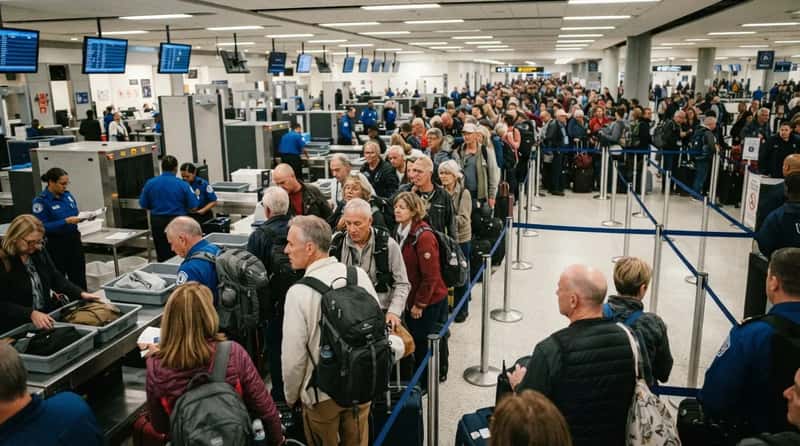
Even seasoned travelers underestimate airport security, especially at unfamiliar international airports with different screening procedures. Tour groups often plan arrival times based on domestic experience, not realizing overseas checkpoints can move at a fraction of the speed.
Group leaders say the mistake compounds because everyone assumes someone else checked the wait times. Nobody actually confirms it until they’re standing in a line that hasn’t moved in 15 minutes. This is why experienced operators now build in buffers of an extra hour or more for international departures.
Fast Facts
- Airlines generally recommend arriving at least two hours before domestic flights and three hours before international ones.
- Major hubs like LAX, JFK, ATL, and ORD are known for consistently longer security wait times.
- Evenings tend to bring longer lines at big international airports since many long-haul and red-eye flights depart in that window.
- Holidays and peak travel periods routinely push wait times well past normal averages.
3. Time Zone Math Gets Botched More Than People Admit

Multi-country itineraries often cross several time zones, and groups regularly mix up whether a connecting flight lands before or after it departs, in local time. This isn’t a beginner mistake either; even frequent travelers occasionally forget which direction they’re moving.
Confusion usually surfaces at the worst moment, right before a tight connection. Guides say some travelers genuinely believe they’ve “gained” hours they haven’t, and plan accordingly, only to be shocked at boarding time. Printed itineraries with both origin and destination times are now standard for this exact reason.
4. Everyone Underestimates How Long Photo Stops Actually Take
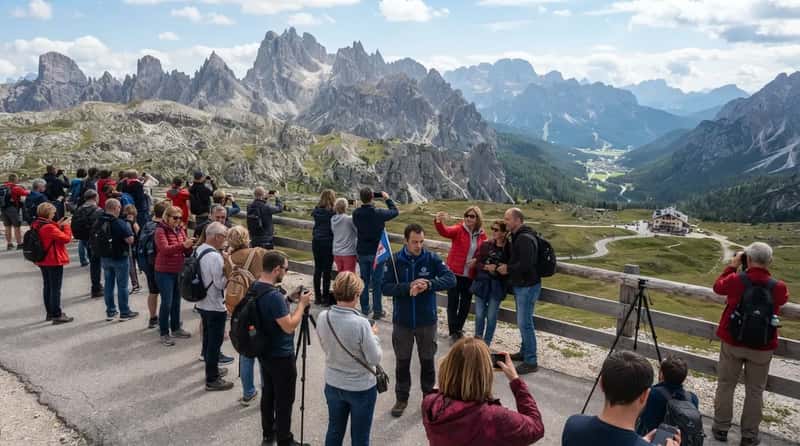
A “quick five-minute photo stop” rarely stays quick once thirty people start posing, switching angles, and waiting their turn at the same scenic overlook. Guides know this instinctively, but travelers consistently believe their group will be the exception.
The math simply doesn’t work in a group’s favor. What feels like a two-minute photo to each individual becomes an hour-long delay once everyone’s turn is added up. Smart operators now schedule these stops with generous padding rather than fighting the inevitable.
5. One Late Person Delays Everyone, Every Time

Tour groups often assume that if most people are on time, the schedule will hold. In reality, one habitually late traveler can single-handedly derail an entire day’s itinerary, and it happens on nearly every multi-day tour.
Guides describe this as one of the most predictable, and most frustrating, timing failures in group travel. Experienced tour leaders can usually identify who that person will be within the first 24 hours. Some companies now enforce hard departure policies specifically because of this pattern.
6. Local Business Hours Don’t Match American Expectations

Siesta closures in Spain and parts of Latin America, midday shutdowns in small Italian towns, and early closing times in rural Europe catch groups off guard constantly. Travelers plan shopping or sightseeing windows based on U.S. retail hours, then find shutters down.
This mismatch causes more frustration than almost any other timing issue on the list. Entire town squares can go quiet for two or three hours in the middle of the afternoon, something many first-time international travelers simply don’t expect. Local guides now flag these windows early in the trip to head off confusion.
7. Dinner Doesn’t Start When Americans Think It Should

In much of Europe and Latin America, restaurants often don’t open for dinner until 8 or 9 p.m., sometimes later. Groups used to a 5:30 or 6 p.m. dinner routine show up to locked doors or empty dining rooms.
This isn’t a minor inconvenience; it reshapes the entire evening schedule. Some travelers end up eating a full meal at what feels to them like midnight, simply because they didn’t adjust their internal clock to local norms. Tour operators increasingly pre-book earlier reservations specifically to accommodate American guests.
8. GPS Travel Times Never Account for Actual Stops

A GPS estimate of “two hours” almost never means two hours once bathroom breaks, traffic, and a coffee stop get factored in. Group leaders say relying on a phone’s estimated arrival time is one of the most common planning mistakes on road-based tours.
The gap between digital estimate and real-world arrival can be significant. A route that Google Maps says takes 90 minutes routinely takes closer to two and a half hours with a group in tow. Experienced drivers now mentally pad every GPS estimate by at least 30 percent.
Quick Compare
- GPS estimate: 90 minutes, no stops factored in
- Solo traveler reality: close to the GPS number, maybe one quick break
- Group tour reality: roughly two and a half hours once bathroom breaks and a coffee stop are added
- Experienced driver adjustment: pad every estimate by at least 30 percent
9. Border Crossings Are Wildly Unpredictable

Groups crossing international land borders often assume the process will take the same amount of time it did during a previous trip. Border wait times, however, fluctuate based on staffing, season, and unrelated political factors that have nothing to do with the tour itself.
This unpredictability catches even experienced tour companies off guard. A crossing that took 20 minutes last month can suddenly take three hours with zero warning, and there’s rarely a way to know in advance. Savvy operators build entire buffer days around border-heavy routes for exactly this reason.
10. Museum and Attraction Queues Get Wildly Underestimated

Popular sites often post an “average wait time” that reflects off-peak hours, not the reality of a summer afternoon with tour buses lined up outside. Groups plan a 30-minute visit and end up standing in line for that long before even reaching the entrance.
This is one of the more frustrating surprises for first-time group travelers. Iconic sites can see wait times triple during peak season compared to shoulder-season averages. Guides who’ve worked a route for years know exactly which hours to avoid, but newer travelers rarely think to ask.
11. Everyone Assumes Luggage Loading Takes Five Minutes

Loading and unloading suitcases from a motorcoach sounds simple until you’re doing it for 45 people at once, several times a day. Groups routinely forget this step exists at all when mentally calculating how long a stop should take.
The delay adds up faster than people expect. What feels like a quick five-minute stop for one traveler becomes a 25-minute operation once the entire group’s luggage is factored in. Tour operators now build loading time directly into published schedules rather than treating it as a footnote.
12. Jet Lag Recovery Gets Wildly Underestimated on Day One

Many travelers assume they’ll bounce back from a long-haul flight after a short nap, then plan a full sightseeing day immediately upon arrival. Guides say this is one of the most common and avoidable scheduling mistakes in international group travel.
The consequences show up almost immediately. Groups that skip a rest window on arrival day often struggle through the following 48 hours, dragging energy and attention down for the entire tour. Experienced operators now build a deliberately light first day into nearly every international itinerary.
13. Traffic Patterns in Foreign Cities Don’t Match Home Expectations
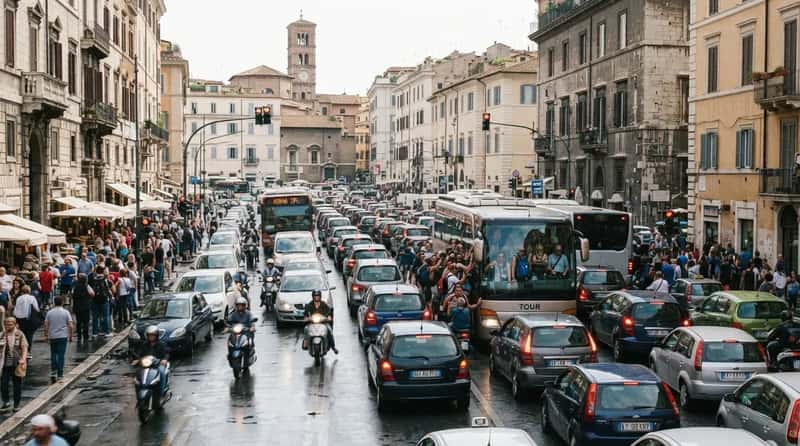
Rush hour in an unfamiliar city can look nothing like rush hour back home, both in timing and severity. Groups often schedule transfers during what they assume is a quiet midday window, only to hit gridlock that wasn’t on their radar.
Local knowledge matters more here than almost anywhere else. A transfer that should take 20 minutes can stretch past an hour if it overlaps with a local market day or a citywide event nobody warned the group about. This is why experienced guides consult locals daily, not just a printed schedule.
14. Weather Delays Rarely Get Real Buffer Time
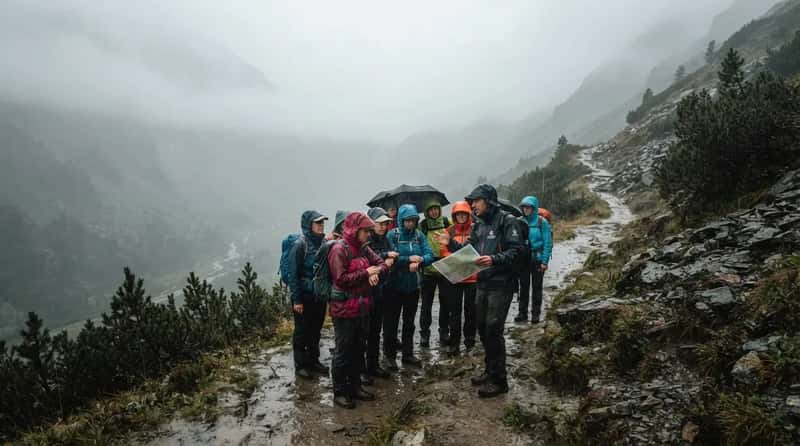
Rain, snow, or fog can shut down outdoor excursions entirely, yet many itineraries are built with zero flexibility for this reality. Groups often treat weather as an afterthought rather than an active scheduling variable.
The consequences can cascade through an entire trip. A single weather-delayed morning hike can push back lunch, the afternoon activity, and the evening dinner reservation all at once, turning one disruption into an entire day of chaos. Tour operators with strong reputations now build buffer days specifically for weather-dependent activities.
Worth Knowing
- One rained-out morning activity can push back every remaining item on the day’s schedule.
- Most fixed itineraries have no built-in make-up slot for weather-cancelled excursions.
- Localized weather, like mountain fog or sudden coastal storms, is often missed by standard forecast apps.
- Reputable operators now build dedicated buffer days into weather-dependent routes.
15. Religious and Cultural Closures Catch Travelers Off Guard
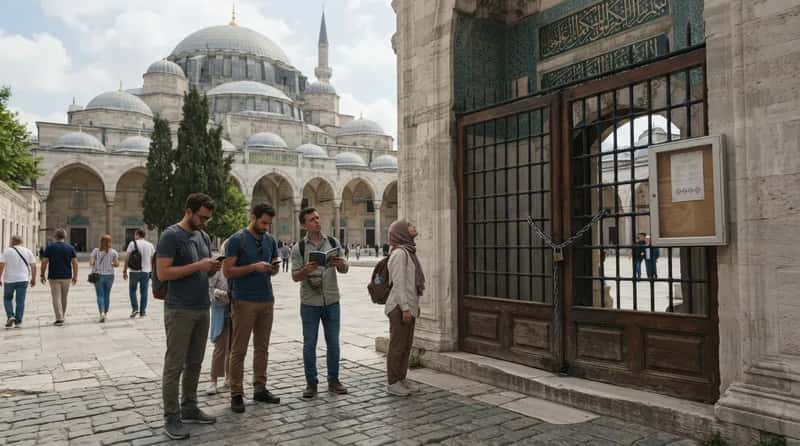
Prayer times, religious holidays, and local observances can close entire sites without much public notice, especially to visitors unfamiliar with the local calendar. Groups sometimes arrive at a destination only to discover it’s inaccessible for hours or the entire day.
This mistake happens more often than most travelers realize. A site that’s open every other day of the year can be completely closed during a specific religious observance that wasn’t flagged anywhere in a standard travel guide. Local guides who track these calendars closely are the main defense against this surprise.
16. “All Aboard” Times on Cruises Are Stricter Than People Expect

Cruise passengers on shore excursions sometimes assume the ship will wait, especially if they’re only a few minutes late. In reality, ships operate on tight port schedules and can, and do, leave without stragglers.
This is one of the more serious timing mistakes on this list, with real financial and logistical consequences. Travelers who miss the “all aboard” cutoff are typically responsible for arranging and paying for their own transportation to the next port. Experienced cruisers treat the posted return time as a hard deadline, not a suggestion.
The ship doesn’t wait for anyone. That’s the rule you learn once, usually the hard way.
Common refrain among cruise excursion guides
17. Currency Exchange and ATM Lines Are Rarely Factored In
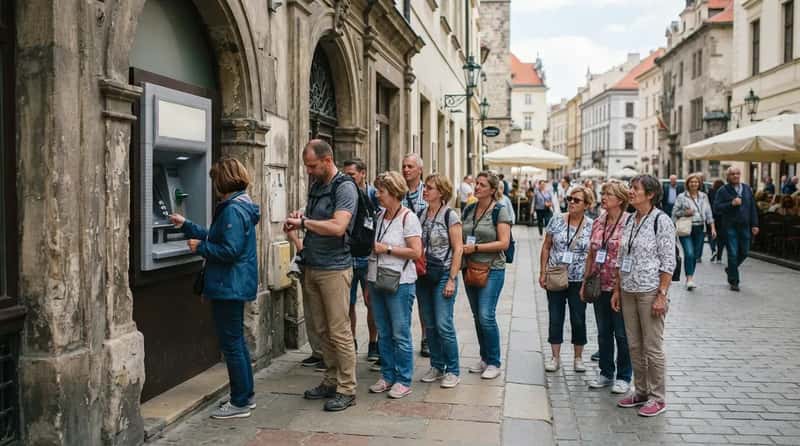
Groups often assume they can grab local currency in a quick stop, not realizing exchange counters and ATMs can have long lines, especially near major tourist sites. This small task gets treated as an afterthought rather than a scheduled activity.
The delay is minor individually but adds up across a group. A five-person line at a single ATM can hold up an entire bus if everyone waits until the same rest stop to get cash. Tour leaders now recommend exchanging currency before departure specifically to avoid this bottleneck.
18. Guides’ Storytelling Often Runs Longer Than Scheduled

A passionate guide with a great story rarely watches the clock as closely as the printed itinerary demands. Groups often don’t realize how much time an enthusiastic history lesson at a single stop can consume until it’s already thrown off the rest of the day.
This is a friction point some tour operators openly discuss. A guide who genuinely loves their subject matter can unintentionally turn a 15-minute stop into a 40-minute one, and travelers rarely complain about it until the schedule falls apart later. The best guides learn to read a group’s patience and adjust in real time.
19. Daylight Saving Time Changes Abroad Slip Past Travelers

Not every country observes daylight saving time the same way, or on the same dates, as the United States. Groups traveling during transition weeks sometimes get the local time wrong by a full hour without realizing it.
This mistake is rare but disruptive when it happens. A group can miss an entire scheduled activity simply because their phones auto-adjusted differently than the local clocks did. Tour operators who run trips during these transition periods now double-check local time changes as a standard pre-departure step.
20. Sunset and Daylight Hours Get Miscalculated by Season

Travelers often plan sunset tours or evening activities based on daylight hours back home, forgetting that sunset times shift dramatically by latitude and season at their destination. This is especially common on trips to Scandinavia, the UK, or high-altitude regions.
The mismatch can be jarring. A traveler expecting an 8 p.m. summer sunset in Norway might instead be dealing with daylight well past 10 p.m., completely reshaping the evening’s plans. Experienced operators check local sunrise and sunset tables for each specific month rather than relying on general assumptions.
21. Group Walking Pace Gets Wildly Overestimated

A route that seems like a comfortable 20-minute walk for a fit solo traveler can take twice as long once you factor in a mixed-age group with varying mobility levels. Guides say this is one of the most consistently underestimated variables in tour planning.
The impact shows up almost immediately on walking-heavy days. Groups with even one or two slower walkers regularly take 40 to 50 percent longer to cover the same distance than a solo traveler would. This is why experienced guides scout routes in advance with realistic group speeds in mind, not their own.
At a Glance
- Solo, fit traveler: a route feels like a comfortable 20-minute walk.
- Mixed-age tour group: the same route can take twice as long.
- Groups with even one or two slower walkers: typically run 40 to 50 percent longer overall.
- Experienced guides scout routes using realistic group speed, not their own pace.
22. Back-to-Back Excursions Leave Zero Room for Error

Itineraries that schedule activities immediately after one another, with no buffer at all, are almost guaranteed to fall behind by midday. Groups often don’t notice this flaw until they’re already running late for the second stop.
This is one of the more preventable mistakes on the list, yet it remains common. A single 10-minute delay in the morning can snowball into a 45-minute deficit by dinner if there’s no built-in cushion anywhere in the day. The most reputable tour operators now insist on buffer windows between every major activity.
23. Checkout Time and Departure Time Rarely Align

Hotel checkout is often set for a time that doesn’t match the group’s actual departure, leaving luggage, room keys, and stragglers all colliding at once. Groups tend to treat these as the same event when they’re actually two separate logistical steps.
This mismatch causes more morning stress than almost any other timing issue. A hotel checkout deadline of 11 a.m. paired with a planned 11 a.m. bus departure leaves zero margin for even one delayed guest. Experienced tour managers now schedule checkout at least 30 minutes before the actual departure time.
24. Gift Shop Stops Always Run Long, Every Single Time

What’s billed as a “quick 15-minute shopping break” almost never stays quick once a group starts browsing, comparing prices, and waiting in checkout lines. Guides describe this as one of the most reliably underestimated stops on any itinerary.
The pattern is so consistent that some operators plan around it directly. A gift shop stop that should take 15 minutes routinely stretches to 30 or 40 once payment lines and last-minute browsing are factored in. Tour leaders now treat these stops as flexible time rather than fixed schedule items.
25. Groups Assume Everyone Heard the Same Return Time

Verbal instructions given once, often at a noisy or crowded stop, don’t always reach everyone in a large group. Some travelers simply miss the announcement entirely and show up late without realizing they were ever told a specific time.
This communication gap is more common than most people assume. Guides increasingly rely on written confirmations, printed cards, or group messaging apps specifically because verbal-only instructions get missed constantly. The shift toward digital reminders has noticeably cut down on late returns for modern group tours.
26. Seasonal Crowd Surges Aren’t Factored Into “Standard” Timing

Many itineraries are built around average timing estimates that don’t account for peak-season crowd surges at major attractions. Groups traveling during holidays or high season routinely find that “typical” wait times simply don’t apply.
This mismatch between expectation and reality can throw off an entire day. A site that normally takes an hour to visit can take twice as long during a major holiday week, without any change to the site itself. The most experienced operators adjust their internal scheduling specifically for peak months rather than using one fixed estimate year-round.
Why It Stands Out
- Peak-season wait times can double even at a site that runs smoothly the rest of the year.
- Holiday weeks and school breaks reliably break “standard” timing estimates.
- Operators with strong local networks quietly rework schedules for peak months rather than reusing one template year-round.
27. Nobody Accounts for the “Last One Back” Effect
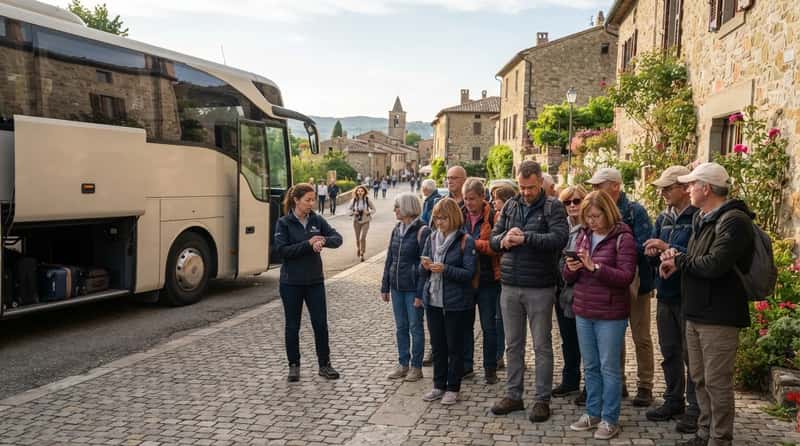
Even with a clear departure time, there’s almost always one moment on every trip where the entire group is waiting on a single person who lost track of time. Guides say this happens on nearly every multi-day tour, regardless of group size or destination.
It’s less about carelessness and more about how easily time slips away when someone’s absorbed in a moment. Tour leaders have learned that a five-minute grace period, quietly built into the schedule, prevents this near-universal moment from derailing the entire day. It’s one of the simplest fixes on this entire list, and one of the most effective.
None of these mistakes are really about carelessness. They’re about how differently time behaves when you’re moving through unfamiliar places with a group of people who all have their own internal clocks.
The travelers who enjoy their trips most aren’t the ones who never run late. They’re the ones traveling with guides who’ve already seen every version of these delays and quietly planned around them before anyone even noticed there was a problem.