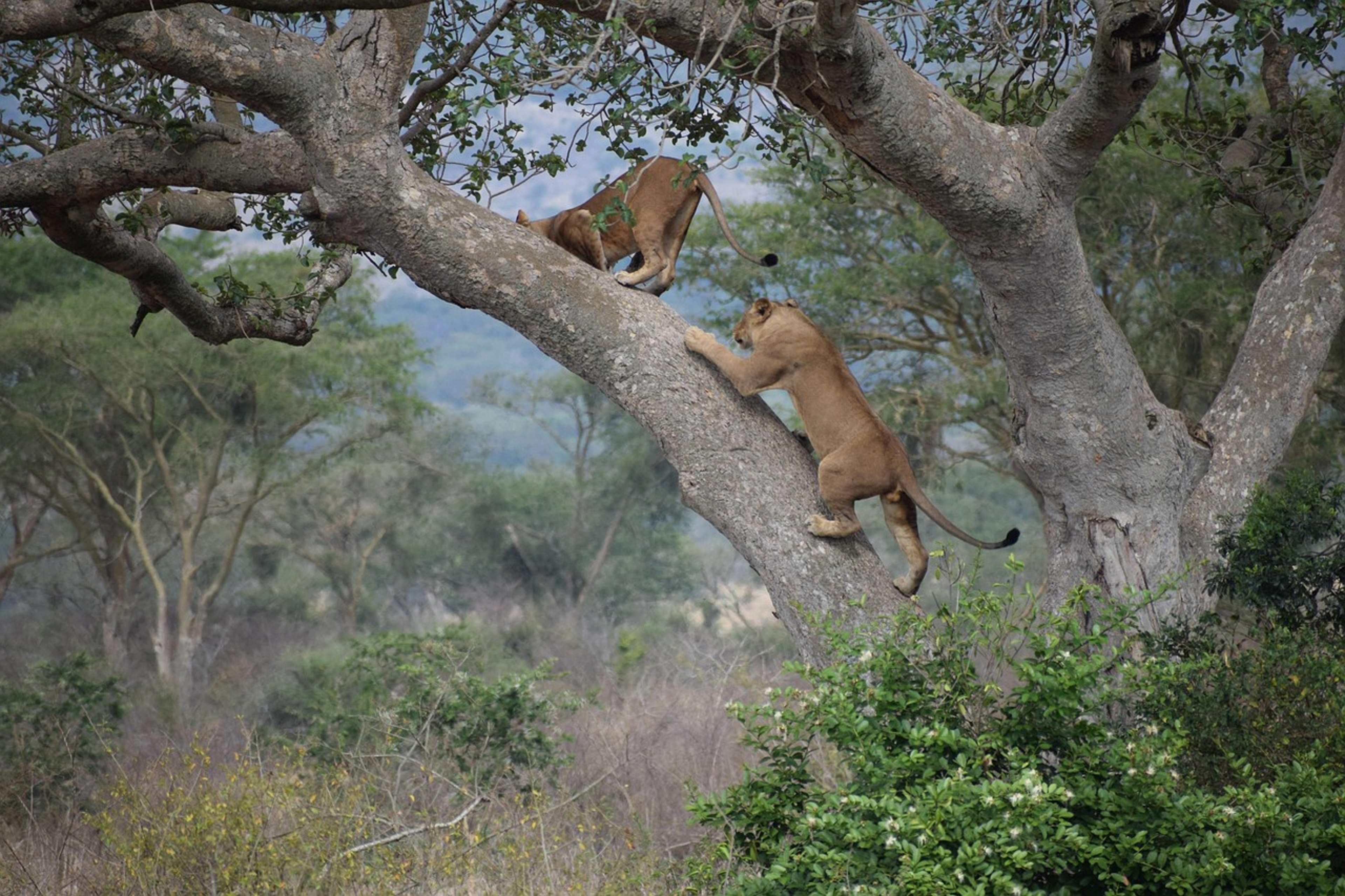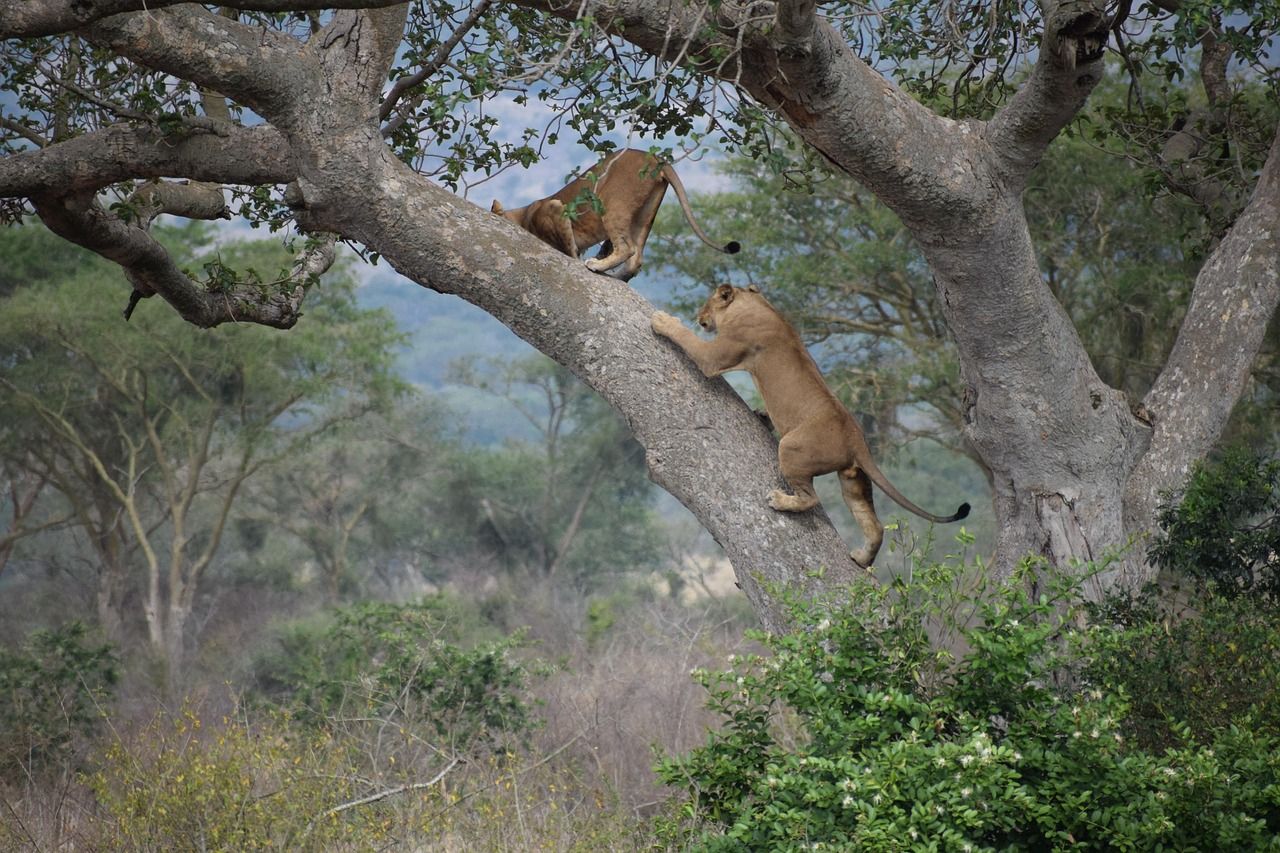
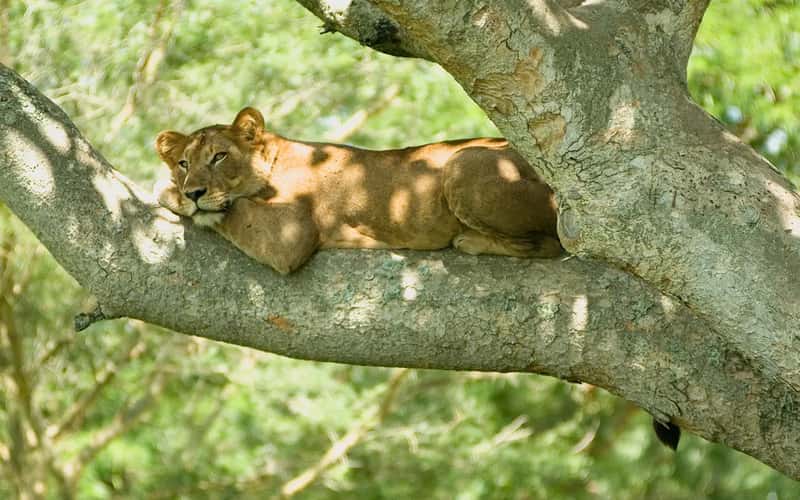
Picture a fig tree on a hot, flat plain in the afternoon. A lioness is stretched along a branch with one paw hanging loose, and she looks completely unbothered by the safari vehicles below. In southwestern Uganda, this scene is real, and it has made one corner of Queen Elizabeth National Park famous.
Seeing these cats is only part of the story, though. Their numbers have fallen sharply in recent years, and a growing group of rangers, vets and researchers now follows them with radio collars and satellite data. This article looks at where the lions live, why they climb, how they are tracked, and what the latest evidence says about their future.
Ishasha, Where the Branches Hold the Pride
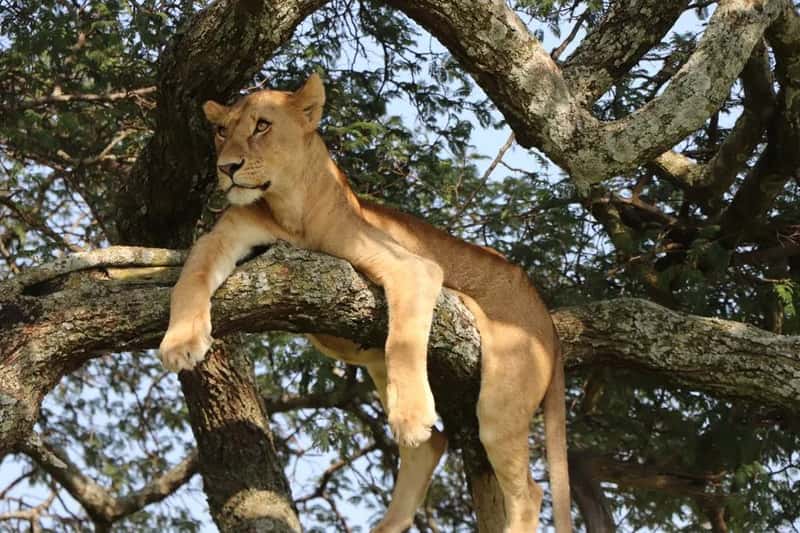
The lions are found in the Ishasha sector, in the southern part of Queen Elizabeth National Park[1]. The landscape is quite different from the rest of the park, since the plains consist mainly of savanna grasslands and riverine forests[2]. Scattered across them are the wide, spreading trees the cats favor.
Operators describe sycamore fig and acacia trees[3] as the usual perches. Getting there takes some effort. Ishasha lies roughly a five to six hour drive from Kampala[4], and its roads are less well maintained than the park’s busier sections, so a good 4×4 and a knowledgeable guide are needed[1]. The remoteness is part of the appeal.
How Rare Is Tree Climbing in Lions?
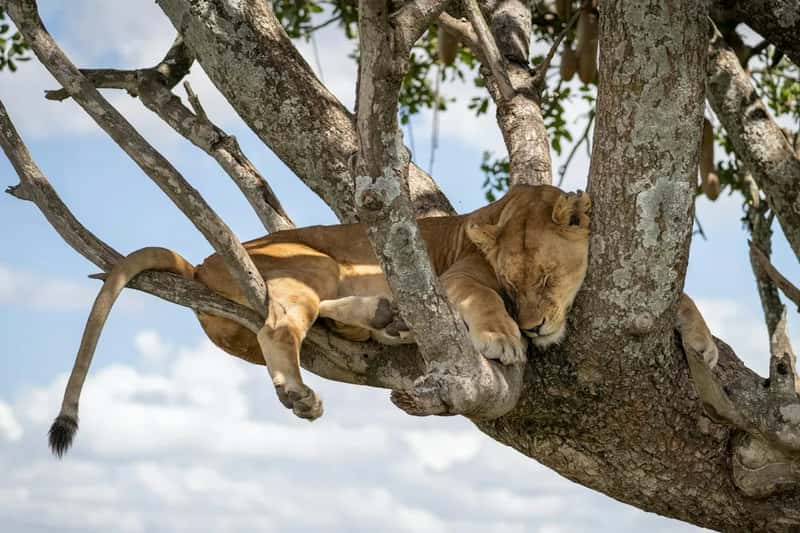
Most lions stay on the ground. One safari operator notes that most lions prefer the ground and leave climbing to cubs or smaller cats like leopards[2]. That is why a pride resting in a tree is such a striking sight.
Ishasha is not entirely alone. Lake Manyara National Park in Tanzania is also known for climbing lions, and the Manyara lions are described as harder to track because they are few in number[5]. Be wary of tourism claims that Ishasha is one of only two places in the world where this happens. Those statements are marketing, not a scientific census. What can be said safely is that the behavior is uncommon, and that sightings are never guaranteed and the climbing isn’t constant[6].
Why Do They Climb? The Theories and the Gaps
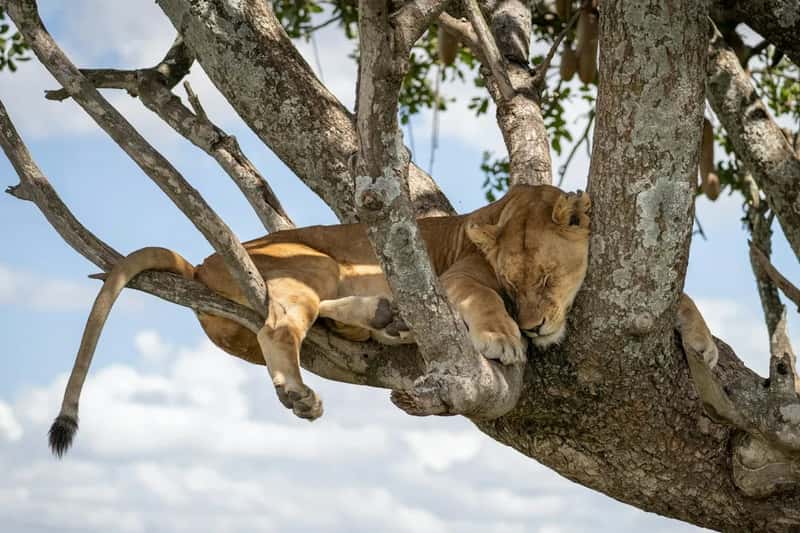
The honest answer is that nobody knows for sure. One lodge’s overview says the reasons remain largely unknown because little scientific research offers definitive explanations[7]. Several ideas circulate, and none has been proven here.
The most common explanations are escaping ground heat and biting insects such as tsetse flies. Another is that branches give a clear view of prey like Uganda kob, topi and buffalo herds[8]. A third suggests social learning, with younger cubs imitating adults until climbing becomes habit[8]. One operator also points out that tree climbing is a behavioral adaptation rather than a product of evolution[1]. That fits the learned-behavior idea, and it means these lions aren’t a separate type of lion.
A Population Under Pressure
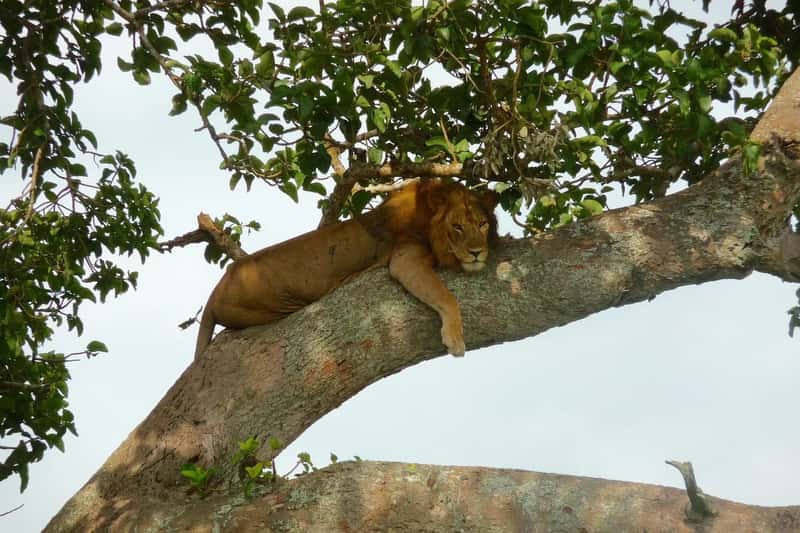
The numbers behind the postcard are worrying. A study of six protected areas, the first of its kind in nearly two decades, found a decline of nearly 50% in some of Uganda’s most iconic lion populations over the past decade, including the tree-climbing lions of Queen Elizabeth[9]. Queen Elizabeth was estimated to hold about 40 lions, and Kidepo about 22[9]. Murchison Falls remains the country’s lion center, with about 240[9].
Ishasha itself looks even smaller than tour brochures suggest. Many operators still say the sector holds about 50 lions. Yet in a 2024 peer-reviewed perspective, the Uganda Carnivore Program estimated the northern park population at 50 to 65 individuals and the southern Ishasha population at no more than 20[10]. The same paper admits the southern estimate may be less accurate because of funding limits. Treat every Ishasha figure as approximate.
Poisoning and the Cost of Living Beside Lions
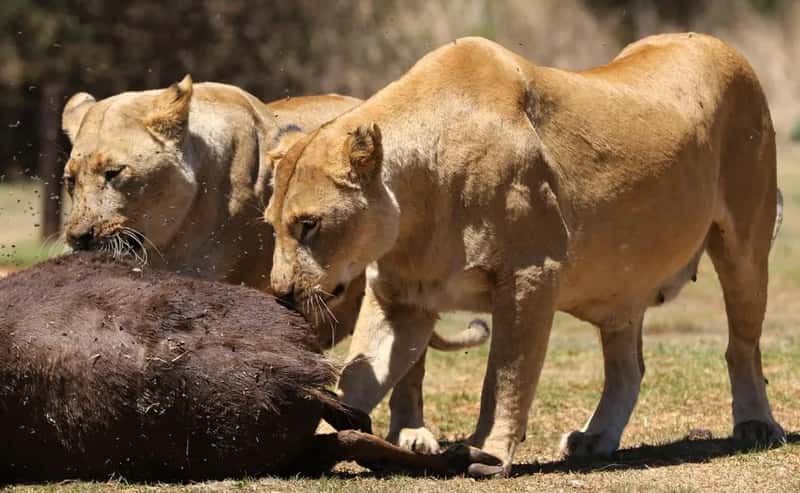
The main driver of the decline is human conflict. Uganda’s tourism minister has blamed retaliatory killings resulting from human-wildlife conflicts[11], and in parts of the park frustrated herders have poisoned lions after losing cattle[11]. Snaring is another threat. One monitoring team leader calls it arguably the leading driver of lion and other wildlife decline in the conservation area[12].
Even the death toll is disputed. The minister said 26 lions were poisoned in three cases between 2018 and 2022, while a wildlife vet from the Uganda Carnivore Program thought the number was closer to 10[11]. The problem has also continued recently. In December 2025, four lions were poisoned in the Queen Elizabeth Conservation Area in what UWA described as retaliatory killings[13].
How Researchers Actually Track the Cats
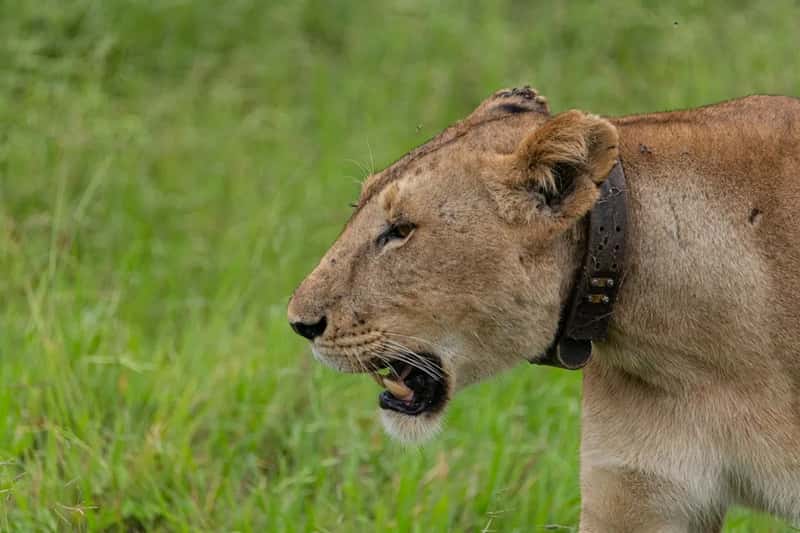
Modern lion tracking blends fieldwork with technology. The Uganda Carnivore Program uses research, radio collaring, monitoring and community engagement to reduce human-lion conflict in the park[14]. In 2025, a team replaced a GPS collar on a lioness, and her movements went back onto EarthRanger, the real-time park management system used by UWA[15].
The data has practical uses. According to the Uganda Conservation Foundation, it helps with mapping wildlife corridors, identifying conflict hotspots and guiding conservation decisions[15]. Camera traps and search-and-encounter surveys add another layer, and a partnership based at Kyambura launched one such project to establish an annual carnivore survey and a shared research database[16]. Collars on females matter because, as one source explains, lionesses stay with the main group, so researchers can see the cubs and males too[17].
Tracking Lions as a Visitor
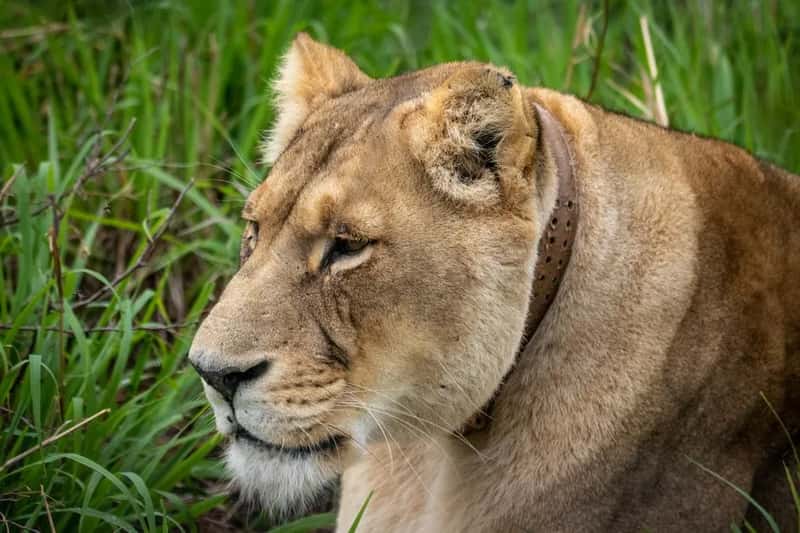
You can join the effort in a modest way. The Uganda Carnivore Program runs an experiential lion tracking activity in the park. Under their 2024 perspective, 100% of tourism revenue from the program goes to UWA’s revenue sharing for communities[18]. Fees change, so confirm current prices with UWA or the program directly before you book.
In Ishasha, the approach is simpler. Visitors drive the tracks and check fig trees one by one. One operator says the best sightings come between 10:30 am and 2:00 pm, when lions climb to escape the ground heat[8]. Patience matters more than speed. Keep your distance, stay in the vehicle, and accept that an empty tree is part of the experience.
Signs of Hope in a Mixed Picture
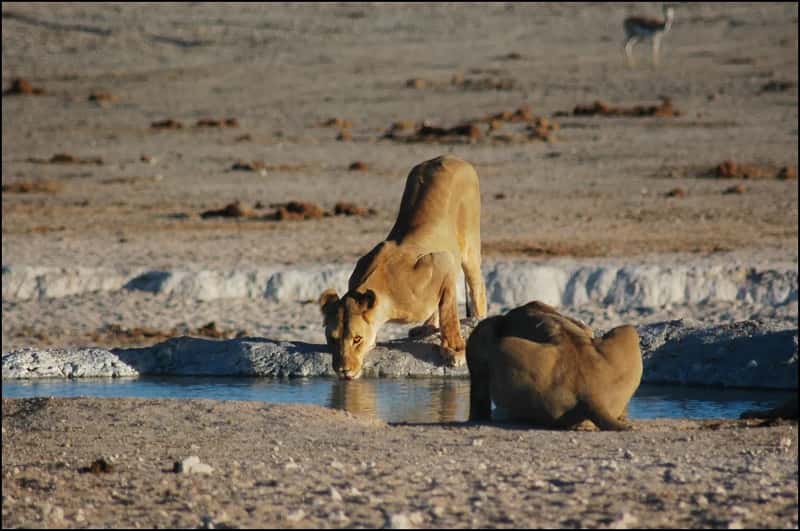
Not all the news is bad. The Uganda Conservation Foundation reports that Queen Elizabeth hadn’t lost a single lion to human-wildlife conflict in over two years, and 10 new cubs had been sighted within a few weeks[15]. It credits full-time field teams, satellite monitoring and community work. That report predates the December 2025 poisonings, so the situation can change quickly.
Compensation schemes are also part of the picture. Mongabay reported that compensation for victims of both elephant raiding and lion attacks is a recent addition to the park authorities’ toolkit[11]. The same article even suggests these payments may be the only thing keeping Queen Elizabeth’s lions from disappearing entirely[11]. Recovery looks possible, but it is fragile.
Final Thoughts
The tree-climbing lions of Ishasha are one of East Africa’s most memorable wildlife sights, and they are also a small, vulnerable population. Nobody has fully explained why they climb, and the estimates of how many remain vary between studies and operators. The clearest evidence points to a steep fall in numbers, driven mostly by conflict with people.
If you go, go respectfully, use accredited guides, and treat every sighting as earned. A lion in a fig tree is only there because someone, somewhere, chose to let it stay.