Something has quietly shifted in the world of travel. The number you once considered lavish is now what many travelers call simply “enough.” Not luxury. Not extravagant. Just comfortable. The goalposts have moved, and if you haven’t adjusted your expectations, your next trip might feel a whole lot more stressful than it needs to.
Prices for flights, hotels, food, and even entry tickets have been climbing steadily since the pandemic. Some categories have calmed down. Others have not. Honestly, figuring out what a “comfortable” travel budget looks like in 2026 feels a bit like trying to hit a moving target. So let’s actually dig into the numbers, the regions, and the realities that shape what it costs to travel well today. Let’s dive in.
The New Baseline: What “Comfortable” Actually Means in 2026
Not all budgets are created equal, and not all destinations demand the same amount. In the United States alone, a comfortable travel experience now runs between $400 and $600 per person per day, placing it firmly above the mid-range tier and well below full luxury. That figure probably stings a little if you haven’t traveled domestically in a while, but it tracks once you add up hotels, dining, activities, and getting around.
The average daily cost of a vacation in the United States sits at $325, based on a mid-range budget. A lower-budget trip comes in at around $121 per day, while a luxury trip pushes up to $925 per day. These aren’t outliers. They reflect what real travelers are actually spending, and the gap between “budget” and “comfortable” is wider than most people realize.
How Travel Inflation Is Reshaping Every Line of Your Budget
Airfare costs are up 2.2 percent over the past year, while the costs of eating out and entertainment are up 4.0 percent and 5.0 percent respectively. So the plane ticket is only one piece of the puzzle. What you eat, where you go, and what you do once you land are all costing noticeably more.
Food prices continue to rise nearly every month, and in January 2026, the cost of food away from home was up 4.0 percent versus a year prior. The cost of dining out has increased dramatically over the past decade, with January 2026 prices a staggering 50.2 percent higher than what they were ten years ago, which is higher than the general 37.4 percent inflation rate across all items. Restaurant bills, in other words, are outpacing general inflation by a meaningful margin.
Relative to pre-pandemic prices, January 2026 travel costs are up 17 percent versus January 2020. That’s not a minor adjustment. That’s a structural shift in what it costs to take a trip, and it’s baked into the prices you see today whether you notice it or not.
Flights: Surprisingly Not the Worst Offender
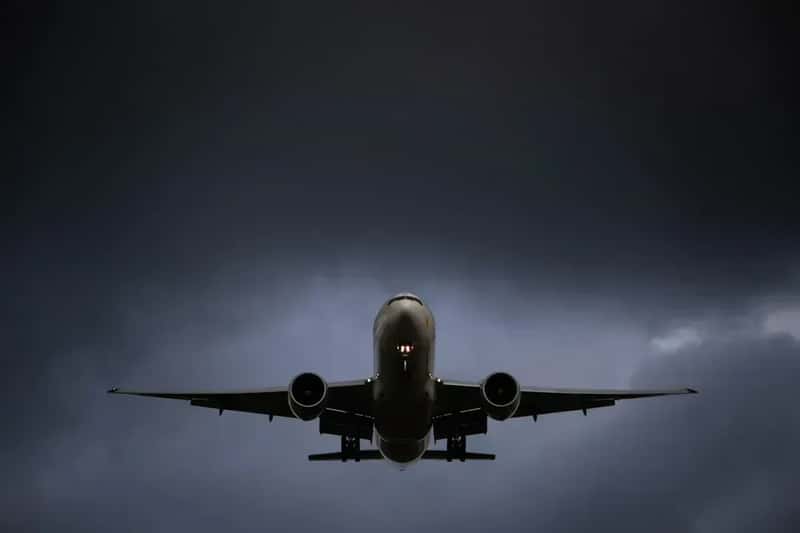
Here’s something that might actually surprise you. Despite how expensive flights feel, they’re one of the more reasonable parts of the travel cost picture right now. When comparing January 2026 prices to January 2025, U.S. airfares are up by 2.2 percent. Zooming out further, compared to prices ten years ago, airfares are actually down by 2.6 percent. That’s practically unheard of in any spending category.
The average domestic flight in the United States cost $397 in 2026, up just $7 from 2025, according to the Bureau of Transportation Statistics. For international routes, the variation is much wider, and the savings or premiums depend heavily on which corridors you’re flying and when.
Hotels: The Category That Took the Biggest Hit

If you feel like hotels suddenly got way more expensive, that feeling is completely valid. Hotel pricing has been among the most pronounced shifts, with average U.S. daily hotel rates increasing from approximately $103 in 2020 to $162 in 2026, a rise of nearly 58 percent over five years. That’s not a small drift. That’s a category that fundamentally reset at a higher price point.
Food Costs on the Road: The Bill That Keeps Climbing

Food is one of those categories where the experience of travel and the cost of travel intersect most directly. Eating out can cost $96 per day per person in the United States, according to BudgetYourTrip.com. That’s not dining at Michelin-starred restaurants. That’s just eating out three times a day at ordinary places.
If you’re traveling in the U.S., the average cost of food is $58 per day per person. The average daily cost of entertainment adds another $55 per day. Add those together with lodging and transportation and you’re moving well past the “comfortable” threshold pretty quickly, especially in major cities.
The destination matters enormously here. Think of it this way: food costs in Southeast Asia versus Manhattan aren’t on the same planet. Vietnam continues to top the charts for affordable travel, with daily costs estimated as low as $20 to $35, where street food, guesthouses, public transport, and iconic experiences like Ha Long Bay offer excellent value. Same planet, wildly different financial reality.
Where Your Budget Stretches Furthest in 2026
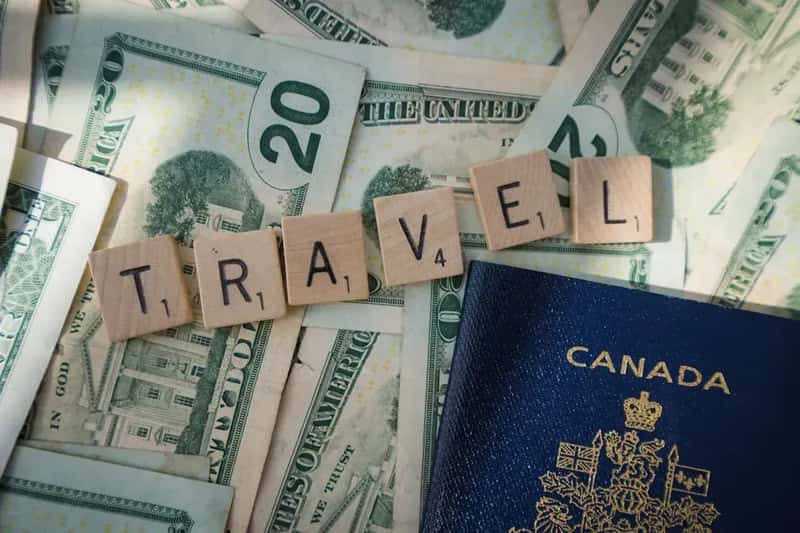
Let’s be real: if you’re chasing comfort without spending a fortune, the destination you choose matters more than almost any other decision you make. The cheapest countries to visit in 2026 include Vietnam, Thailand, and Nepal, requiring daily budgets as low as $20 to $35. For that price you can have a private room, eat well three times a day, and actually do things.
Laos was recently crowned the cheapest country to travel to in 2025, with daily expenses averaging just $15.40. That’s a remarkable figure. For comparison, that barely covers a single lunch in Paris. Georgia offers a mix of European charm and affordability, blending influences from Europe and Asia without the high costs of Western Europe, making it a destination where cultural richness meets budget-friendly travel.
With careful planning, a comfortable trip through Europe costs around $75 to $155 per day, including flights, accommodation, food, transportation, and activities. For a one-month trip, budget between $2,500 and $4,500 depending on your travel style and destinations. Eastern Europe remains particularly good value, while Western Europe continues to push costs much higher.
The Hidden Costs Nobody Talks About Enough

Tourist fees are quietly becoming a real line item in travel budgets, and many travelers don’t see them coming. Venice expanded its day-tripper access fee in 2025 to between €5 and €10, and Rome began charging a €2 fee in February 2026 for close access to the Trevi Fountain area, while Bali introduced a tourism levy for international visitors. These fees seem small individually. Together, they add up surprisingly fast.
From the start of 2026, non-European tourists must pay €30 to visit Paris’s Louvre Museum, and similar increases are expected at the Palace of Versailles, the Arc de Triomphe, and the Opéra Garnier. If you’re planning a classic European cultural itinerary, factor in a significant chunk of your activities budget just for entry fees. In Japan, there are plans to increase the tourist tax paid on departure by foreign tourists from 1,000 Yen to 5,000 Yen, and starting in March 2026, Kyoto will impose a tenfold increase on its hotel tax.
Common hidden costs include visa fees between $25 and $150 per country, travel insurance at $2 to $5 per day, ATM fees of $3 to $5 per withdrawal, and SIM cards and data costs of $10 to $30 per month. These line items rarely appear in “average daily cost” calculations but they absolutely affect your real bottom line.
How Americans Are Actually Responding to Rising Travel Costs
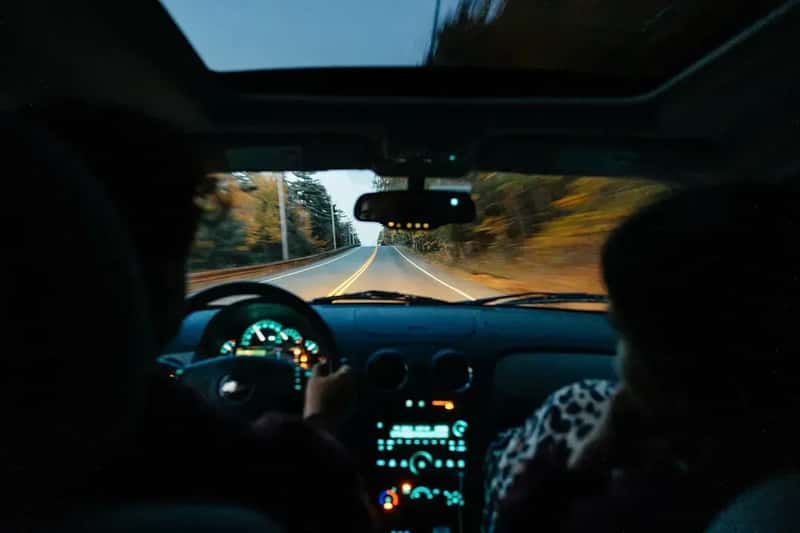
Rising prices aren’t just abstract statistics. They’re changing how people actually travel. Inflation is forcing a lot of travelers to scale back their plans. Travelers are traveling more by car and doing more road trips as an attempt to save on transportation costs. They’re choosing nearby destinations rather than going overseas, traveling domestically, and cutting trips shorter.
Sixty-eight percent of Americans say their travel budget for 2026 is greater than in 2025, with Millennials and Baby Boomers expecting the sharpest increases. So while people are spending more, they’re also increasingly worried about it. As recession fears continue to loom entering 2026, cost is top of mind for most Americans, with 72 percent of respondents listing it as their number one travel concern, the top fear for U.S. adults for the second year running.
While the vast majority of Americans are taking a trip in 2026, roughly one in five say they will be traveling less due to the economy, and more than half would like to travel more but cannot due to cost. That’s a significant gap between the desire to travel and the financial reality of doing so comfortably.
Smart Strategies That Still Make a Real Difference
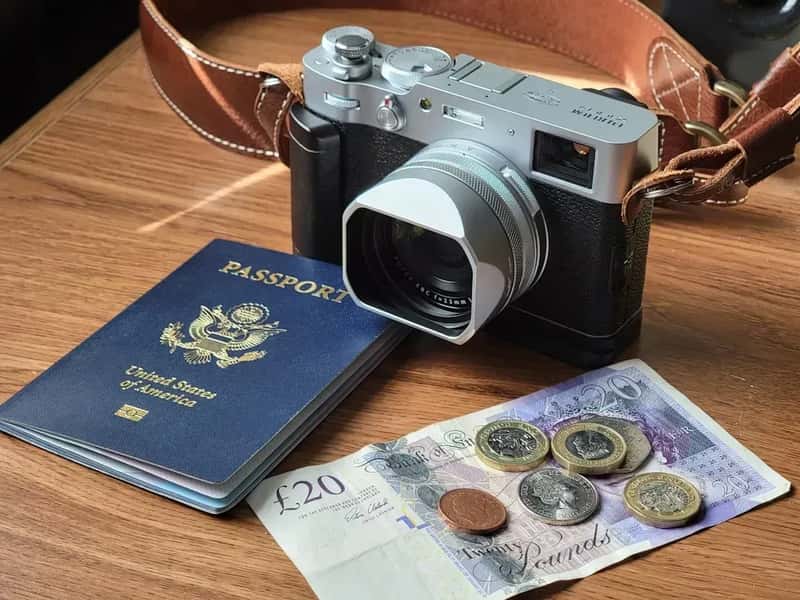
Knowing what things cost is only half the equation. The other half is knowing how to reduce those costs without sacrificing the actual experience of travel. Experts generally recommend spending no more than 5 to 10 percent of your take-home pay on vacations, though personal factors like existing debt and lodging preferences also influence the right figure. That’s a useful starting anchor before you even start thinking about destinations.
If you’re able to be flexible enough to travel for weeks to months at a time, you will actually save more in the long run. Slow travel, which focuses on one or a couple of locations over a longer period, saves money on transportation, helps build a travel community, and gives you a deeper understanding of local life. It’s also just a more relaxed way to experience a place, and honestly, I think more travelers should try it.
Mixing budget and splurge moments, like choosing modest hotels in order to afford one extraordinary activity, works surprisingly well. Mid-week flights and shoulder-season travel can dramatically lower overall costs, and booking flights and hotels together on one platform often brings extra discounts and credits. These aren’t revolutionary ideas, but they’re consistently effective ones.
What “Comfortable” Looks Like Globally: A Reality Check

It’s worth stepping back and acknowledging that “comfortable” means something completely different depending on where you go. For a balanced, enjoyable trip to Switzerland that includes the iconic experiences the country is famous for, budget $250 to $300 daily per person. That’s Switzerland, widely considered one of the most expensive countries to visit in Europe. It’s not a budget destination by any measure.
On the opposite end, $50 per day is considered a comfortable daily budget for a traveler in Morocco. The spread between Switzerland and Morocco at the “comfortable” level is roughly $200 to $250 per day. That’s a five-to-one ratio. Destination selection isn’t just a preference. For many travelers, it’s the single most important financial decision in the planning process.
Ultra-budget daily targets of $15 to $40 are realistic in 2026 across parts of Asia, the Caucasus, North Africa, and Bolivia. So if you’re willing to adjust your geography, a comfortable budget in 2026 doesn’t have to be uncomfortable for your wallet at all. The world is genuinely still full of places where your money goes remarkably far. The question is simply whether you’re willing to follow the value instead of chasing the trends.
What kind of traveler are you in 2026 – the one chasing Instagram destinations at a premium, or the one who’s figured out that the best experiences rarely come with the biggest price tags? Tell us in the comments.