For years, American Airlines insisted that passengers didn’t need built-in entertainment screens because everyone already carried a phone or tablet. That argument never fully convinced flyers, and now the airline is admitting as much. American Airlines confirmed this week that seatback screens are returning to its narrowbody fleet, reversing a strategy the carrier committed to nearly a decade ago.
The announcement marks one of the more notable about-faces in recent airline history, not because seatback screens are a groundbreaking innovation, but because American spent years actively removing them. Now the company is spending money to put them back, and it’s doing so alongside other changes aimed at winning back travelers who felt like the airline had stripped away too much.
A Feature Passengers Never Stopped Missing
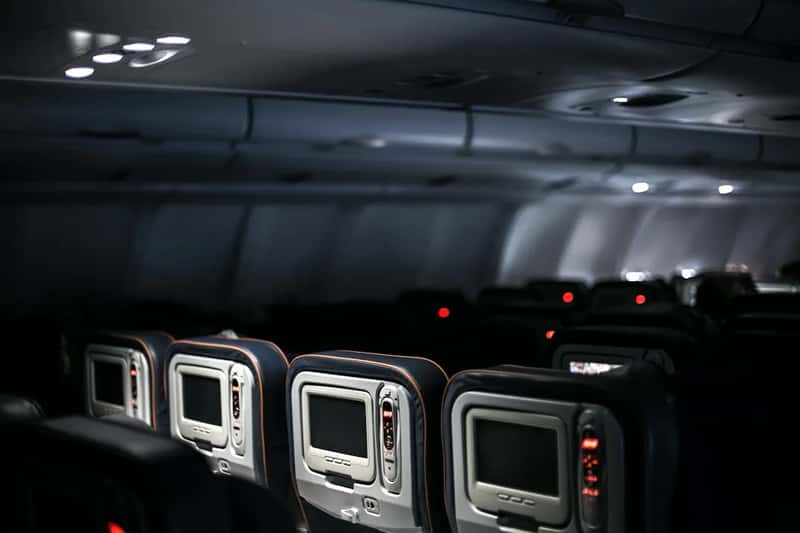
Seatback entertainment used to be a standard part of flying on American, giving passengers a built-in screen to watch a movie or check a flight map without draining their own device’s battery. When the airline began phasing them out, the reasoning was that most travelers already had a personal screen in their pocket or bag, so a dedicated in-seat unit felt redundant and expensive to maintain.
That logic never quite matched what flyers actually wanted. For years, American Airlines bet that travelers would rather watch in-flight movies on their own phones or tablets.[1] The bet didn’t age well, and complaints about dead phone batteries, small screens, and unreliable Wi-Fi kept surfacing across social media and customer feedback channels.
The Decision to Rip Them Out
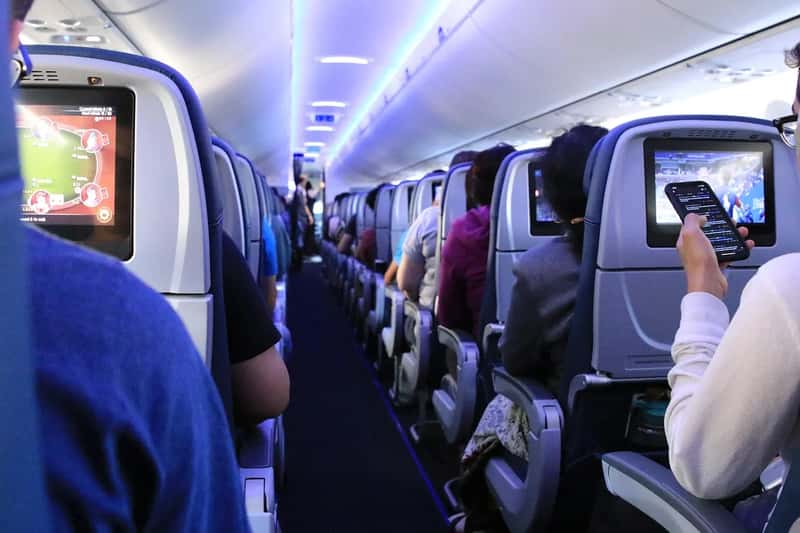
American didn’t remove seatback screens overnight. The move reverses a strategy American embraced nearly a decade ago, when it began moving away from seatback screens and instead offered entertainment that passengers could stream on their own devices.[1] The idea was part of a broader push to standardize narrowbody cabins and cut down on the weight and maintenance costs that come with hardwired entertainment systems.
At the time, it seemed like a reasonable bet given how quickly smartphone ownership and streaming habits were changing. American currently has individual screens on more than 140 widebody aircraft, but they are largely absent from its extensive domestic narrowbody operation.[2] That gap became more noticeable as competitors moved in the opposite direction.
What’s Coming Back, and What’s New
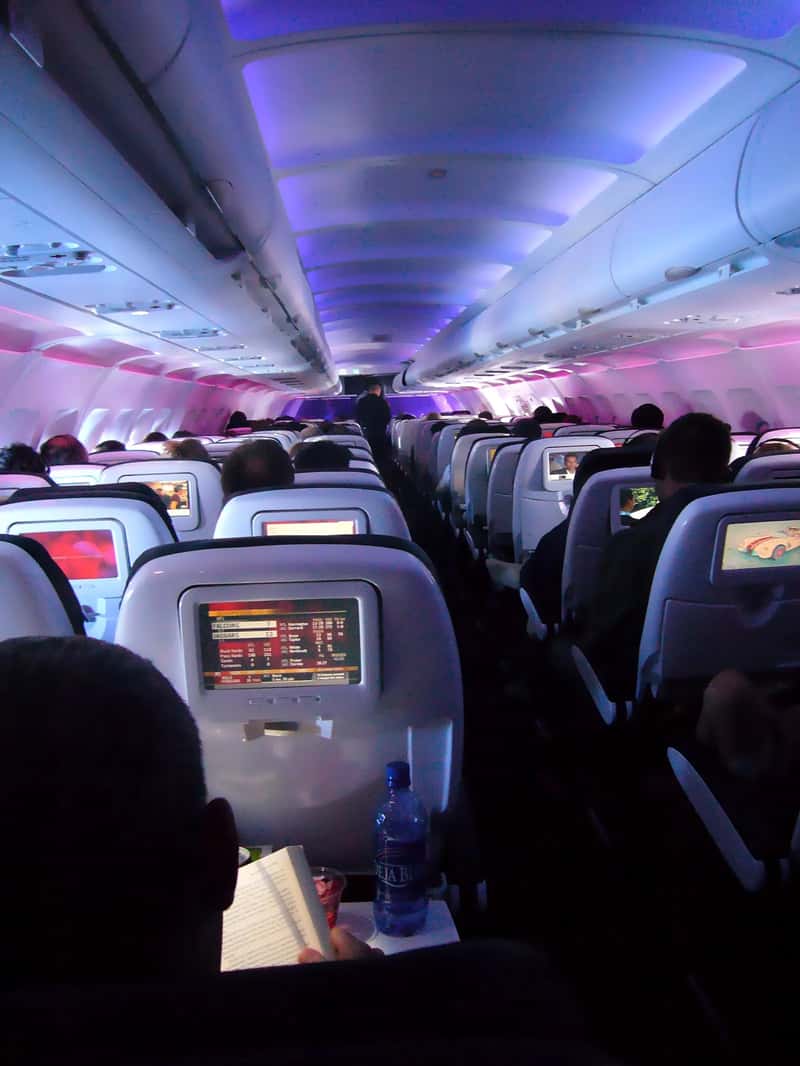
The new seatback systems won’t just replicate what American had before. Its future cabins will instead have individual 4K displays at every seat, with Bluetooth audio connectivity, interactive flight maps and USB-C charging.[2] That’s a meaningful upgrade from the older, lower-resolution screens many travelers remember from a decade ago.
The content library is also getting a refresh. American said the screens will have built-in movies, television shows, games, and music content.[1] Passengers will also be able to track flight progress directly on the seatback display rather than relying on an app, and the addition of fast USB-C charging means a low phone battery won’t be as much of a headache during a long flight.
Why the Airline Changed Its Mind
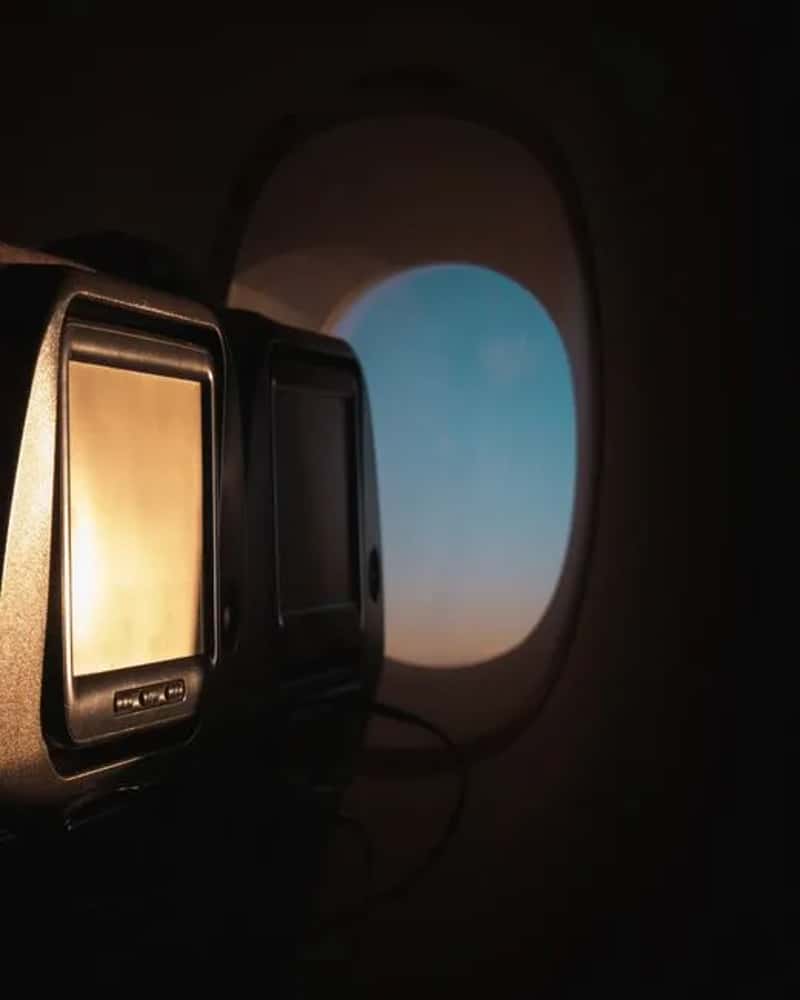
American has been fairly candid about why it’s reversing course, and the explanation centers on shifting passenger habits rather than a single complaint or viral moment. The company told Business Insider it’s adjusting the in-flight entertainment after customer preferences evolved, noting that in the years since, and particularly following COVID, it has become increasingly clear that customers, especially younger generations, value having access to multiple devices and larger screens throughout their journey.[1]
That’s a notable admission from an airline that once argued personal devices were enough. It suggests that pandemic-era travel, which reshaped so many consumer habits, also changed how people expect to be entertained at 35,000 feet. Instead of choosing between a phone and a seatback screen, many travelers now want the option to use both.
The Rollout Will Take Years, Not Months
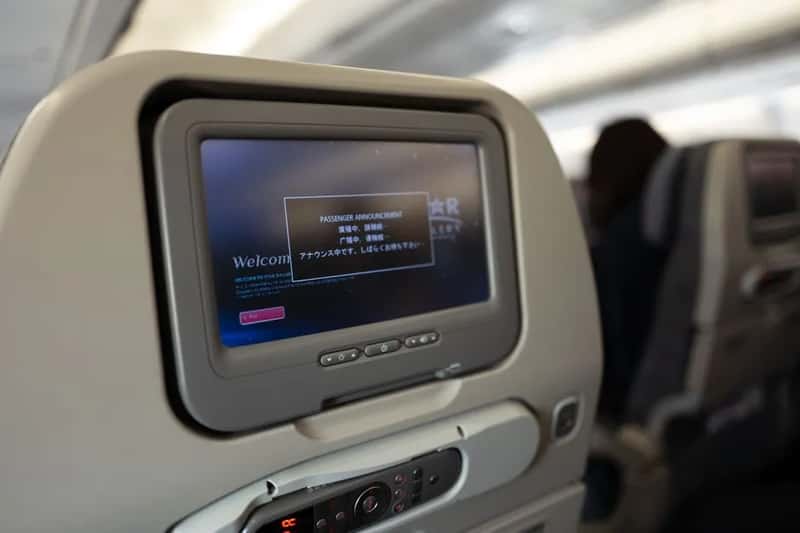
Anyone hoping to see the new screens on their next American flight will need patience. The new screens will appear on newly delivered Airbus and Boeing aircraft from 2028 and will also be installed as existing jets undergo cabin modifications, with American expecting the installation program to be completed early in the next decade.[2] That’s a long runway for a feature travelers have been asking about for years.
Because the rollout will happen gradually, the flying experience will vary quite a bit depending on which aircraft a passenger boards. American expects the project to continue into the early 2030s, meaning passengers could see a mix of aircraft for quite some time, with one American flight possibly having the new screens while another still relies on personal devices for entertainment.[3] Travelers booking based on aircraft type may want to pay closer attention to equipment details for the next several years.
Premium Seating Gets a Bigger Footprint Too
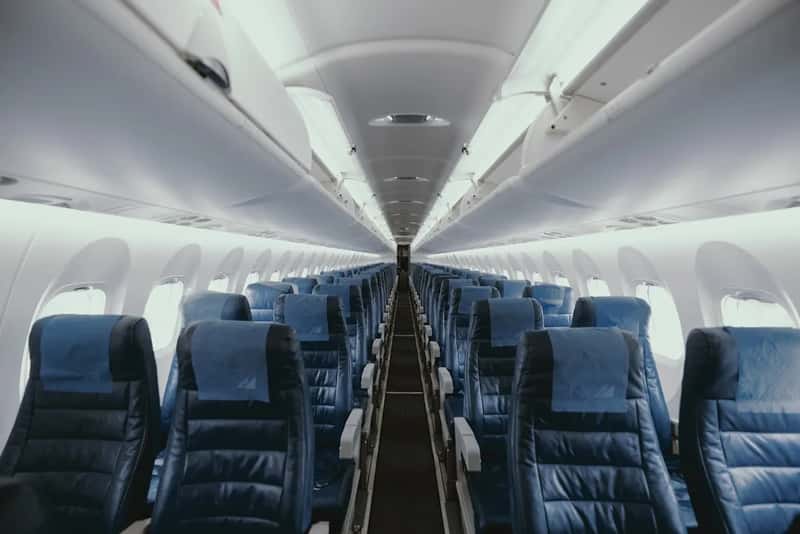
The entertainment overhaul isn’t happening in isolation. American is also rethinking how much of its narrowbody cabin space goes toward premium seating, a shift that lines up with broader industry trends toward higher-margin seats. American currently has premium seats on about 25% of its narrowbody capacity, and the goal is to push that number to roughly 40%, including more First Class seats and additional Main Cabin Extra seating.[3]
This isn’t a coincidence sitting alongside the entertainment news. Executives have pointed to premium travel as an increasingly important part of the business. “Our premium traffic continues to outpace the rest of the business,” chief financial officer Nat Pieper said on the airline’s most recent earnings call.[1] Better seats paired with better entertainment options fit into a broader strategy of getting travelers to pay more for a noticeably improved cabin experience.
Satellite Wi-Fi Changes the Calculus

Part of what makes this reversal possible now, rather than five years ago, comes down to connectivity technology that simply didn’t exist at scale before. American pointed to advances in satellite internet as one reason the timing finally makes sense. The company added that high-tech satellites in low-earth orbit have also changed what is possible onboard, and American already offers free WiFi to AAdvantage members, sponsored by AT&T, while planning to begin installing SpaceX’s Starlink service on more than 500 narrow-body aircraft in 2027.[1]
Faster, more reliable Wi-Fi means seatback screens can potentially stream live content or connect to broader networks in ways older systems couldn’t. It also means the airline is investing in multiple layers of in-flight technology at once, rather than treating entertainment and connectivity as separate projects competing for the same budget.