


Mexico drew nearly 47.8 million international tourists in 2025, a record figure for a country that already ranks as the most visited in Latin America. That kind of popularity tends to flatten the conversation: Mexico becomes either a paradise or a danger zone depending on who you ask. The truth is that Mexico is unusual not because the average risk is exceptionally high, but because the variance between states is.
The U.S. State Department uses a one-to-four scale for travel advisories, and Mexico is the only country in the world where every individual state is assigned its own level. Reading the country-level headline and booking a flight to the wrong region are two very different things. What follows is a clear-eyed breakdown of where the risks are real, where they are overstated, and what the advisory map actually looks like on the ground in 2026.
How the U.S. Advisory System Actually Works
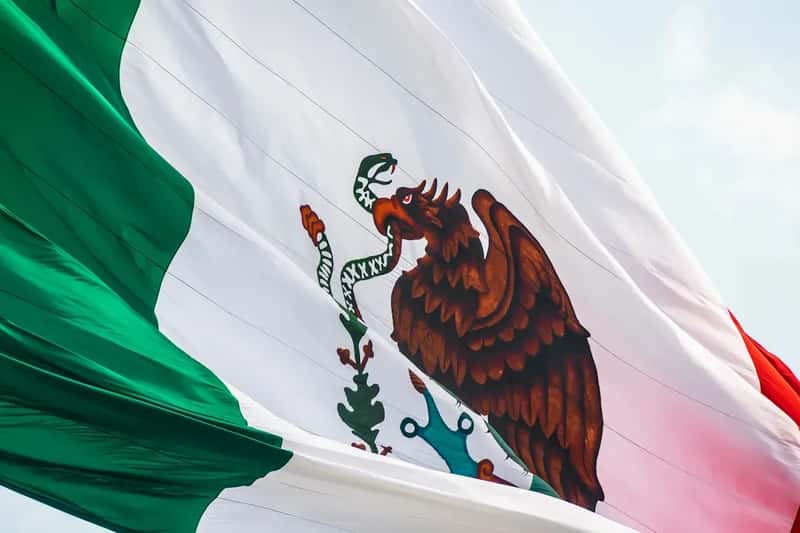
The State Department supplies an individual risk assessment for each of the country’s 31 states to give some nuance to Mexico’s overall Level 2 rating. That means the single country-level label – “Exercise Increased Caution” – tells you almost nothing useful on its own. The headline tier you see in news coverage is the country-level number. The number that actually matters when choosing whether to fly into Mazatlán or drive between Monterrey and the Texas border is the state-by-state advisory, and inside that, the municipality-level carve-out.
The advisory, which was updated on May 29, warns that conditions vary widely by region, with some areas facing higher levels of violent crime and organized criminal activity. Several additional states, including Baja California, Chihuahua, Guanajuato, and Jalisco, are classified as Level 3, meaning Americans should reconsider travel. Knowing which tier applies to your destination is the single most practical step you can take before booking.
The Six States Under “Do Not Travel” Warnings

The primary risks concentrate in six states with active cartel violence: Sinaloa, Guerrero, Tamaulipas, Michoacán, Zacatecas, and Colima, all carrying U.S. State Department Level 4 “Do Not Travel” advisories. The combination of terrorism, organised crime, kidnapping, and frequent roadblocks has led multiple governments to designate these states as dangerous for travellers. Official advisories stress that violence is systemic rather than isolated, with cartels exerting control over territories and targeting civilians.
The Sinaloa Cartel and Jalisco New Generation Cartel (CJNG) remain the two dominant organizations, and their territorial disputes, particularly in Zacatecas, Michoacán, and Guerrero, drive the majority of homicides and violent incidents. Violent crime, extortion, and gang activity are widespread in Zacatecas state. Tamaulipas, bordering Texas, is contested by the Gulf Cartel and Northeast Cartel. Nuevo Laredo, Reynosa, and Matamoros, the three main border cities, have persistent cartel checkpoints, kidnapping, and violence targeting both Mexican nationals and foreigners.
Guerrero and the Acapulco Problem
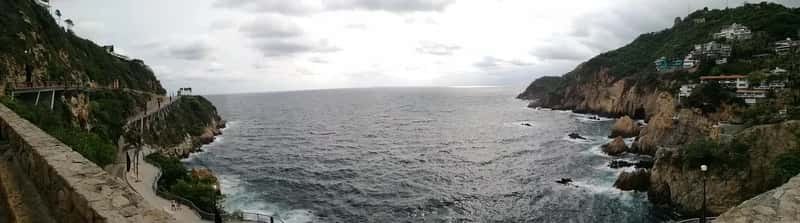
Guerrero has been Mexico’s most violent state per capita for several years running. Acapulco, once an iconic resort destination, suffers from extortion, gang violence, and homicide rates that dwarf the national average. The mountain interior, the Tierra Caliente region, is contested between multiple armed groups. The advisory language here is unusually stark. Armed groups are active independently of the government in many areas of Guerrero. Members of these groups frequently maintain roadblocks and may use violence towards travelers. U.S. government employees may not travel to any area in the state of Guerrero, including tourist areas Acapulco, Zihuatanejo, Taxco, and Ixtapa.
Guerrero is considered very dangerous due to cartel violence and fights over territory. Many parts of the state have limited police control, making it unsafe for tourists, even in some well-known spots like Acapulco. That last point carries weight: the restriction applies even to destinations that still appear in travel brochures. The gap between marketing and current reality in Guerrero is significant.
The February 2026 Cartel Unrest and What It Revealed

The 2026 Mexico cartel unrest refers to a wave of violence, blockades, arson, and clashes across multiple Mexican states that erupted on February 22, 2026, after Mexican security forces killed Nemesio “El Mencho” Oseguera Cervantes, the leader of the Jalisco New Generation Cartel, during a military operation in Tapalpa, Jalisco. The unrest included road blockages, arson attacks, and violent confrontations involving cartel operatives and security forces, leading to numerous arrests and casualties, disruptions to transportation, and public services.
Authorities identified approximately 250 roadblocks nationwide, with incidents reported in Jalisco and 19 other states, including Michoacán, Guanajuato, Colima, Tamaulipas, Aguascalientes, Zacatecas, and Sinaloa. Following the killing, regional CJNG leadership consolidated, and major destinations including Cancún, Mexico City, Puerto Vallarta, Guadalajara, and Oaxaca have continued operating normally. The episode underscored a key point: even popular tourist corridors can be briefly affected by national security events, even when they are not the intended target.
Where It Is Generally Safe: The Yucatán and Campeche
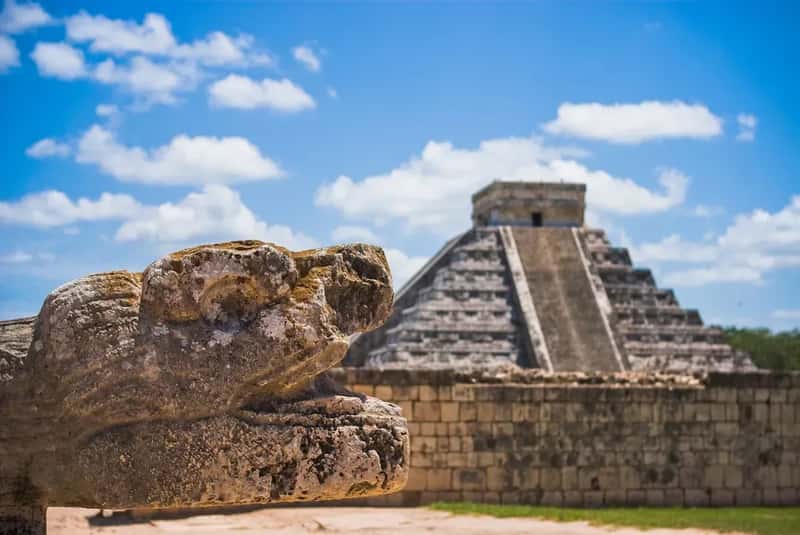
The State Department gives its mildest Level 1 safety advice – “Exercise Normal Precautions” – for travelers headed to two states bordering the Gulf of Mexico: Campeche and Yucatán. Campeche and Yucatán are the only two states at Level 1. These are considered as safe as any destination in North America. That’s not marketing copy – it’s a formal government designation that puts both states in the same risk tier as most Western European countries.
Mérida is arguably the safest city for tourists in all of Mexico. The Yucatán state holds the only Level 1 advisory in the country. The city is calm, walkable, and sees very little of the crime that affects other parts of Mexico. The Mayan archaeological sites – Chichén Itzá, Uxmal, Ek Balam – are well-maintained and safe to visit. For first-time visitors to Mexico, or anyone who wants a genuinely low-stress experience, the Yucatán Peninsula is the most straightforward starting point.
Cancún, Tulum, and the Riviera Maya
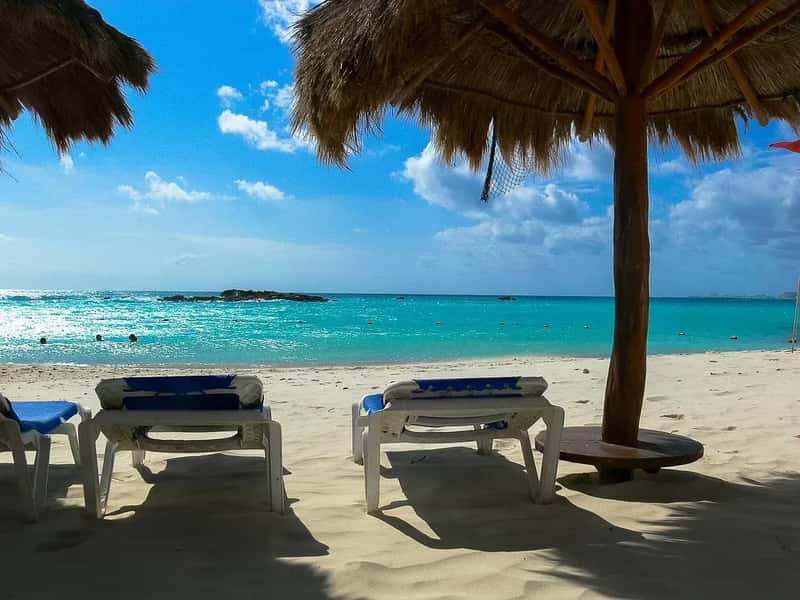
Quintana Roo state is Level 2 – “Exercise Increased Caution” – with the headline concerns being petty theft, scams, and isolated violent incidents rather than cartel-related violence inside resort zones. Federal forces maintain a visible presence in tourist areas. Cancún and the Riviera Maya lie far from the Jalisco New Generation Cartel’s historic strongholds in western Mexico and northwestern corridors dominated by the Sinaloa Cartel.
Tulum has seen an increase in drug-related violence in party zones. Staying in well-lit tourist areas is the recommended precaution. Standard precautions – avoiding late-night beach walks, using vetted ground transport, and staying with major lodging operators – are the typical mitigations. The risk profile for a beach holiday here is dominated by petty crime and tourist scams rather than organized violence. That’s a meaningful distinction, though it doesn’t mean you can switch off your awareness entirely.
Mexico City: Depends Entirely on the Neighbourhood
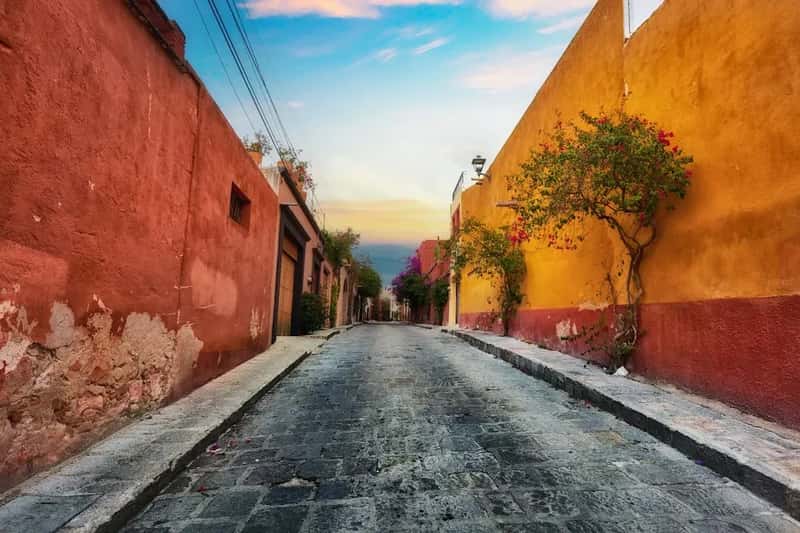
Central Mexico City is generally considered safe for daytime tourism. CDMX sits at Level 2. Pickpocketing on the metro and street-taxi scams are the most commonly cited issues. Mexico City has a murder rate of approximately 8 per 100,000 residents, putting it on par with Albuquerque, New Mexico. That context matters when headlines make the city sound categorically dangerous.
Sticking to Roma, Condesa, Polanco, Coyoacán, Centro Histórico, and San Ángel, and using Uber or DiDi rather than street taxis, and avoiding peripheral neighbourhoods after dark are the main practical guidelines. Dedicated tourist police operate in Centro, Condesa, Roma, Coyoacán, and tourist-heavy areas. The city rewards careful navigation far more than blanket avoidance.
Los Cabos and Baja California Sur

Cabo San Lucas and San José del Cabo are among the safest tourist destinations in Mexico right now. Baja California Sur is Level 2. The geographic isolation of the Baja Peninsula insulates it from mainland cartel conflict. Tourism infrastructure is strong, and the local economy depends heavily on visitor safety.
Destinations such as Los Cabos in Baja California Sur have not experienced the levels of violence seen in cartel flashpoints like Colima, Zacatecas, or certain border cities. Official crime statistics from recent years show significantly lower homicide totals in Baja California Sur compared with most other states, even as national violence has remained elevated. The peninsula’s physical separation from the mainland is a structural safety advantage that no amount of cartel activity in Sinaloa or Jalisco can easily bridge.
Oaxaca and the Colonial Interior
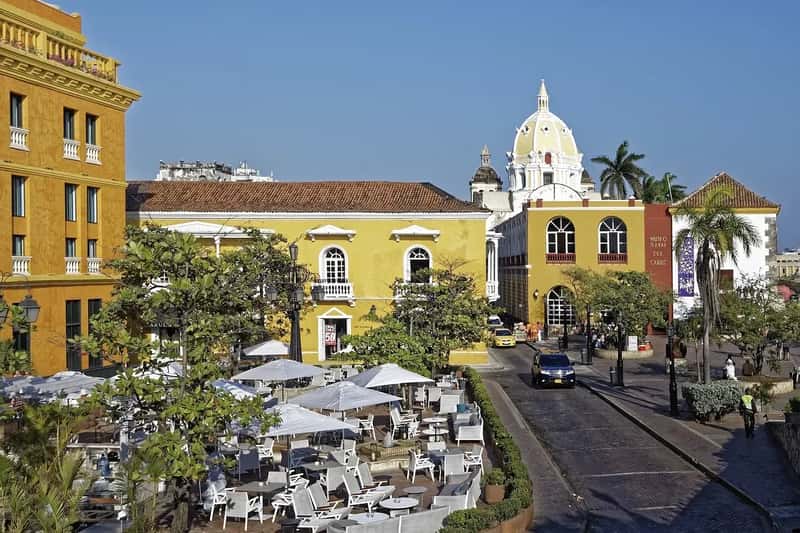
Oaxaca City is safe and thriving. The state sits at Level 2, and the city is one of Mexico’s most popular cultural destinations. Semana Santa drew record visitor numbers with no incidents. Oaxaca is a food, culture, and surf destination with a strong safety record in tourist areas. Oaxaca City itself is walkable and welcoming, with a large international visitor population.
Occasional teacher union protests can block highways, but these are non-violent and typically resolved within hours. Guanajuato state is Level 3, but San Miguel de Allende is one of the safest cities in North America. The lesson here is that a state-level advisory can paint a misleading picture. In the colonial interior, specific cities often operate at a substantially lower risk level than the surrounding state would suggest.
Practical Safety Rules That Actually Matter

The State Department advises travelers to avoid traveling between cities after dark, use dispatched taxis or app-based ride services, and avoid traveling alone in remote areas. The main reasons behind the travel advisories include an increase in homicides, mostly gang- and cartel-related killings; limited police presence and poor emergency response outside of major cities; drug and human-trafficking activity in some Level 3 or Level 4 states; and roadblocks on highways set up by criminal groups looking to kidnap bus passengers and hold them for ransom.
Mexico operates a national tourist assistance hotline: 078. This is a free service available 24/7 that connects visitors with police, medical, or legal assistance. Travel insurance is highly recommended, especially for medical emergencies or evacuations, as healthcare quality varies by region. Enrolling in the U.S. State Department’s Smart Traveler Enrollment Program (STEP) before departure is also strongly advised – it ensures the embassy can reach you if conditions change suddenly.
The Bottom Line Before You Book
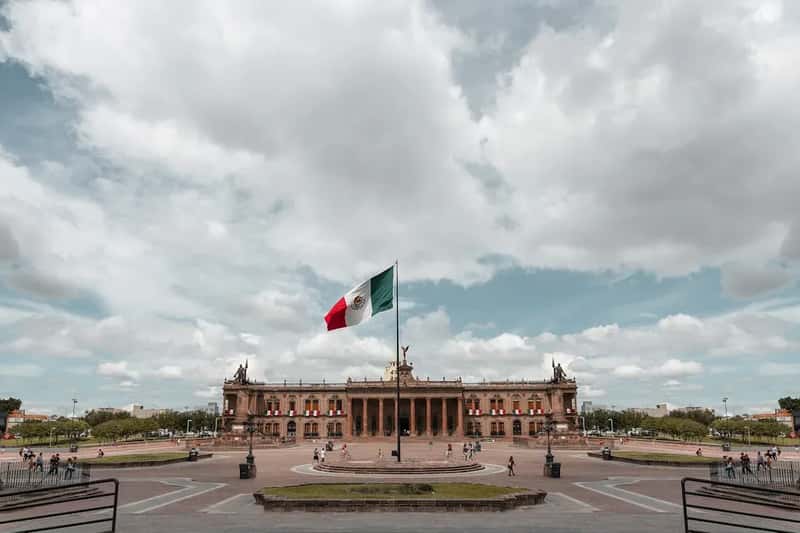
A traveller who restricts their itinerary to Level 1 and Level 2 states is operating in roughly the same statistical risk band as a traveller in Costa Rica or Belize. The same traveller who routes through Sinaloa, Tamaulipas, or rural Michoacán is in a fundamentally different category. The single biggest factor in how an advisory plays out for any trip is intercity road travel. In Level 4 states, the most cautionary advisory language tends to be about long-distance roads, not the resort core. If a Mexico trip is fly-in and fly-out to a lower-advisory destination, the highest-risk activity is avoided by default.
The U.S. State Department advisory is a useful tool, but it is a starting point, not the final word. The best safety research combines the official advisory with current local news, fellow travelers’ recent experiences, and common sense. Mexico’s size – roughly three times the size of Texas – means that the security situation in Mérida has almost nothing in common with the security situation in Culiacán. Knowing the difference is not optional. It is the whole trip.


