Nearly 93 percent of the waters around Trinidad and Tobago sit beyond the reach of recreational scuba divers. A monthlong expedition this summer mapped a substantial portion of those depths for the first time and recorded dozens of active cold seeps along with species that appear new to science. The work covered roughly 13 percent of the nation’s marine territory and stands as one of the most thorough deep-sea surveys conducted there to date.
The Scale of the Unknown
Trinidad and Tobago lies in the southern Caribbean, yet most of its surrounding ocean remains unseen by human eyes. The expedition operated from late June through late July aboard a research vessel equipped with remotely operated vehicles and other specialized tools. Those instruments allowed the team to reach zones that standard diving cannot access. The resulting data filled long-standing gaps in knowledge about the country’s underwater environment.
Findings That Stand Out
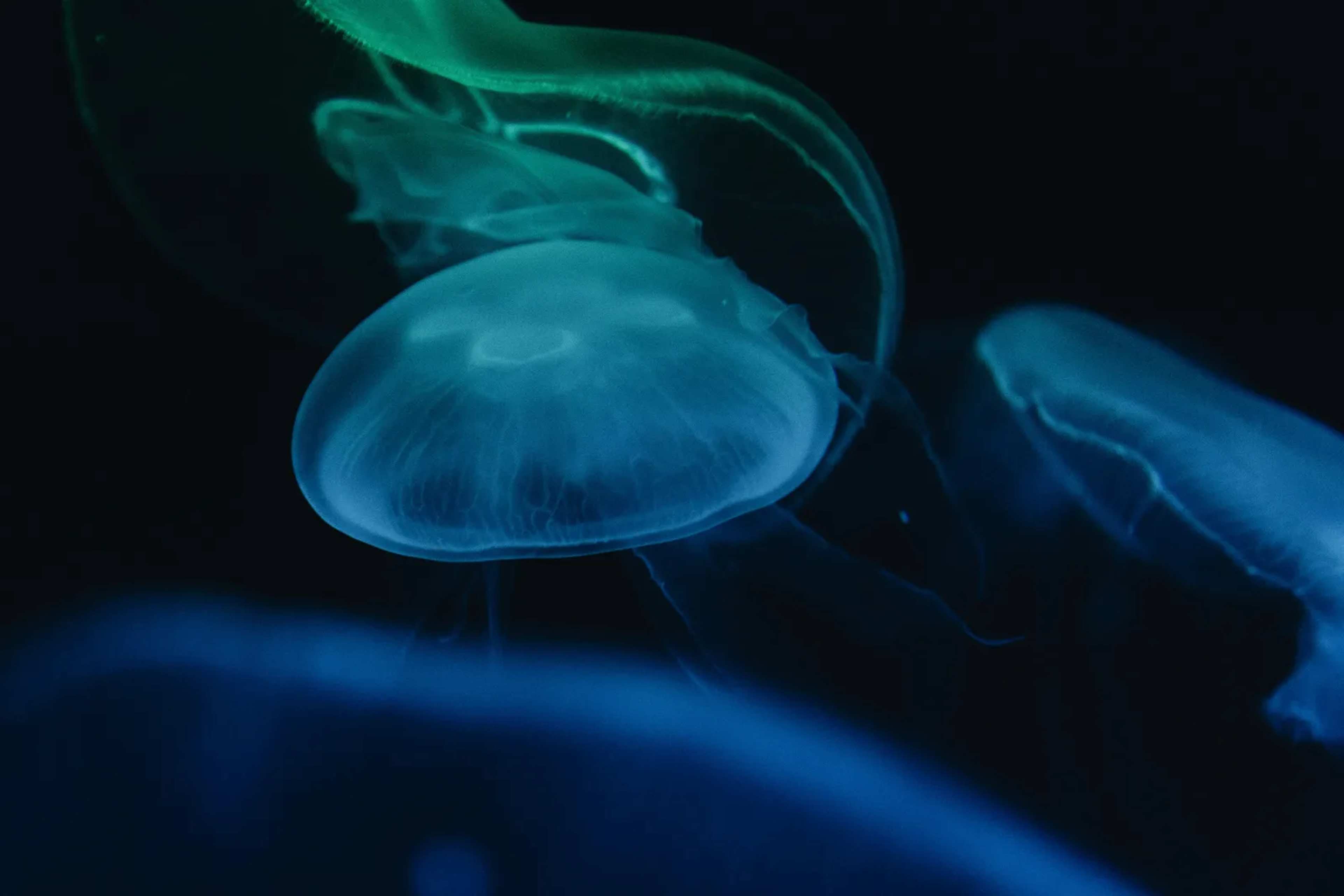
Researchers documented numerous cold seeps where methane and other chemicals escape from the seafloor. These sites often support unique communities of organisms adapted to extreme conditions. Several specimens collected during the cruise are thought to represent species previously unknown to science. The team also produced high-resolution maps that will serve as a baseline for future studies. Such discoveries highlight how little is still understood about the deep Caribbean. Cold seeps in particular can influence local chemistry and provide habitats that differ sharply from surrounding areas. The new maps show features that were previously invisible on existing charts.
Regional Leadership in Action
The project was led by Trinidad and Tobago native Diva Amon, a deep-sea ecologist who co-founded the marine science organization SpeSeas. Scientists from across the Caribbean joined colleagues from the United States, Canada, and Spain. Their combined effort marked a notable step forward for marine research conducted by regional experts. The expedition demonstrated that Caribbean-led teams can tackle complex deep-sea questions with modern technology. It also strengthened connections among institutions working on ocean conservation in the area.
Looking Ahead
The data gathered will support ongoing efforts to understand and protect Trinidad and Tobago’s marine resources. Further analysis of the collected specimens and imagery is expected to refine estimates of biodiversity in these depths. Additional expeditions could build on the 13 percent already mapped and address remaining unknowns. The work underscores how much of the ocean near popular Caribbean destinations remains unexplored. Continued investment in such surveys will help reveal the full picture of life beneath the surface.