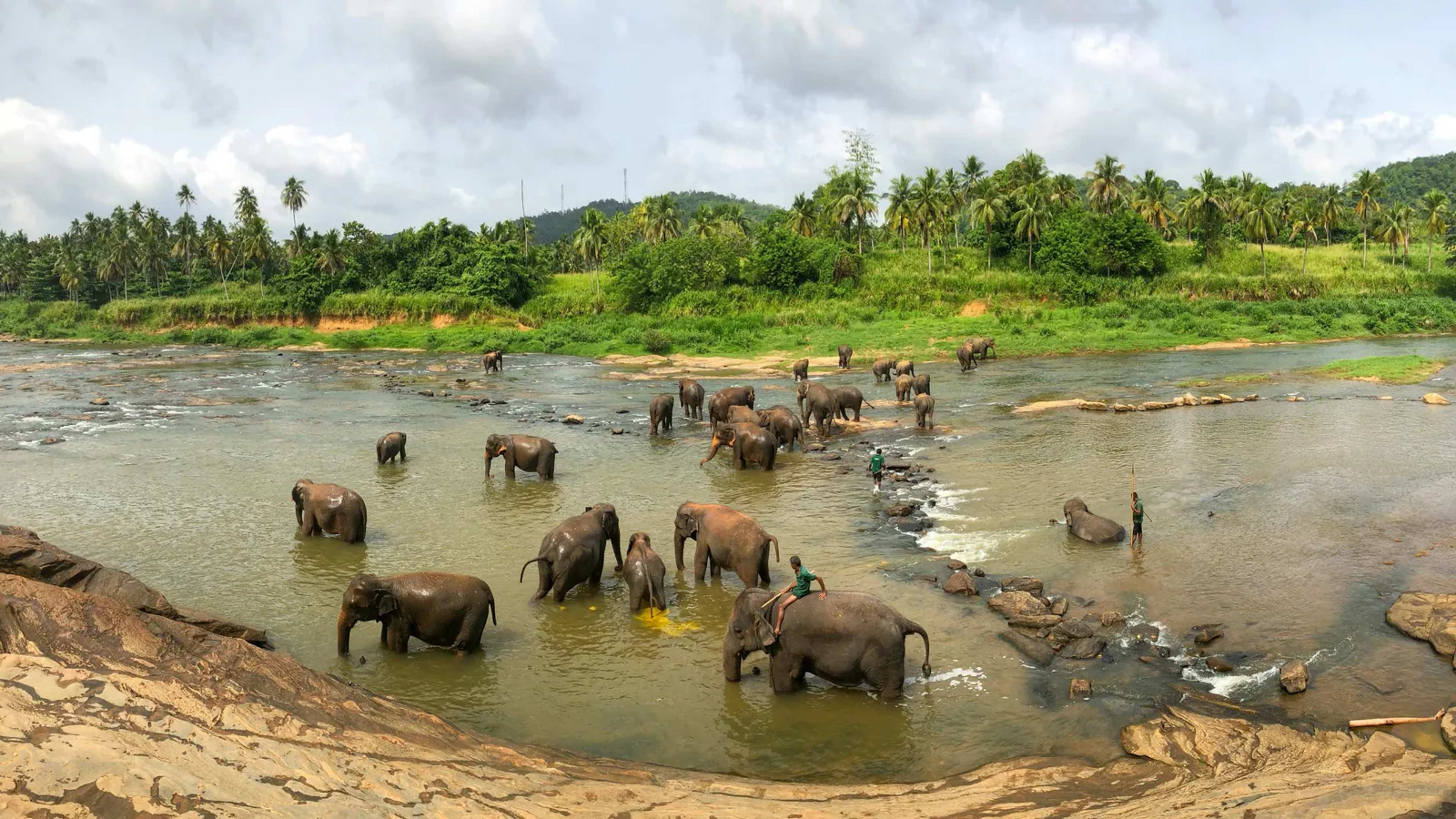
Tropical mountain wildlife are at high risk from climate change impacts, study finds – Image for illustrative purposes only (Image credits: Unsplash)
Animals adapted to the cooler conditions of tropical mountains face growing obstacles when trying to track suitable climates. A new analysis of nearly 400 species shows that many cannot relocate easily enough to keep pace with warming, especially when land-use changes add further barriers. The research, published in June, combines climate projections with data on how far different animals can travel and how human activity alters their habitats.
Endemic Life With Narrow Climate Windows
Many mountain-dwelling birds and mammals live only in specific high-elevation zones where temperatures stay within tight ranges. These endemic species have evolved under stable conditions that rarely occur elsewhere on the same mountain or in surrounding lowlands. As average temperatures rise, the bands of acceptable climate shift upward, yet the available habitat at those new elevations often differs in vegetation, food sources, or shelter.
Species already near the summits have almost nowhere higher to go. Lower down the slopes, warming can push conditions beyond what these animals can tolerate, leaving them with contracting patches of livable space. Researchers note that this pattern, sometimes called an escalator to extinction, becomes more pronounced in tropical regions where seasonal temperature swings are small and species have little built-in flexibility.
Accounting for Movement Ability and Land Changes
The study examined distribution records for 395 mountain species, including 361 birds that can fly long distances and 34 mammals with more limited mobility, such as sloths. Models projected possible future ranges in 2050 under both high and low greenhouse-gas emissions pathways. The analysis also incorporated existing maps of land-use change to reflect how agriculture, settlements, and other human activities fragment or remove habitat corridors.
Birds generally showed greater potential to reach new areas, yet even they encountered limits when suitable vegetation failed to match the new climate zones. Mammals with slower dispersal faced steeper losses because they could not cross fragmented landscapes quickly enough. The combined pressures of warming and altered land cover reduced the effectiveness of any upward movement for many species.
Projected Range Losses Under Different Scenarios
Under a high-emissions pathway, the models indicated an average additional 16 percent loss of suitable range compared with a low-emissions pathway. This gap highlights how strongly future emissions levels will shape outcomes for these populations. Even under lower emissions, many species still experienced net range reductions because of existing land-use patterns and their own dispersal constraints.
The findings carry uncertainty typical of global modeling exercises. Different climate models and assumptions about future land management can alter the exact percentages, and local conditions on individual mountains may deviate from broad trends. Still, the overall direction remains consistent across the scenarios examined: tropical mountain wildlife loses ground faster than many other groups when multiple stressors interact.
Conservation Considerations for Iconic Ecosystems
Protecting remaining habitat corridors and reducing further land conversion can give some species more time to adjust. Maintaining connectivity between elevations allows slower-moving animals a better chance to reach marginally suitable areas. The study underscores that emissions reductions would lessen the speed of climate shifts, thereby easing pressure on species already limited by geography and behavior.
Travelers drawn to cloud forests, Andean highlands, and other tropical mountain destinations may notice changes in wildlife sightings over coming decades. The research provides a clearer picture of which ecosystems face the tightest constraints, helping guide priorities for both protection and visitor awareness without overstating immediate disappearance of any single species.