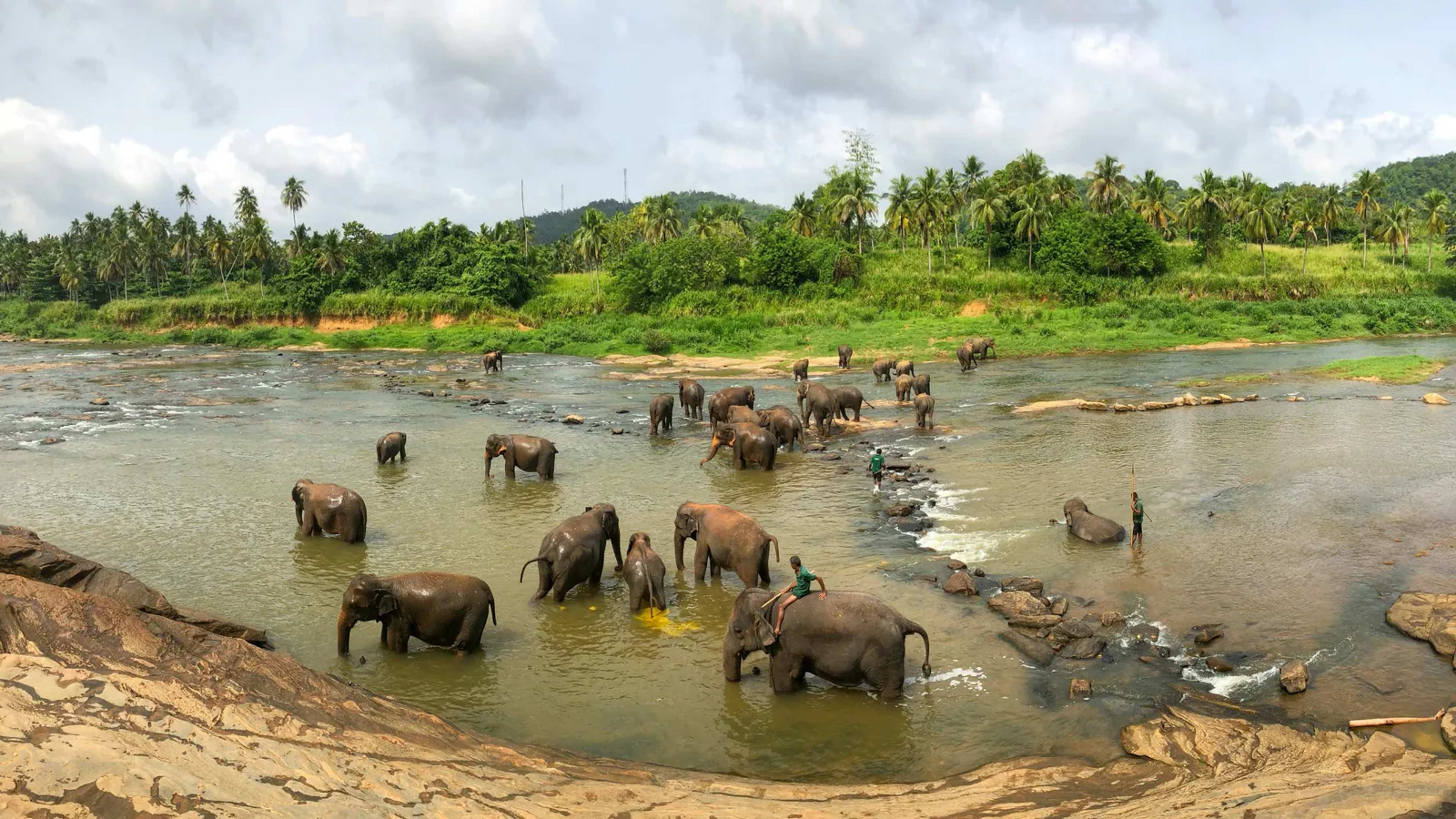
Tropical mountain wildlife are at high risk from climate change impacts, study finds – Image for illustrative purposes only (Image credits: Unsplash)
Tropical mountains support some of the world’s most distinctive wildlife, yet rising temperatures are making it harder for many species to find suitable new ground. Endemic animals that evolved within narrow climate ranges now encounter barriers when they attempt to move upslope. At the same time, expanding human activity on lower slopes reduces the options available for relocation.
Narrow Tolerances Limit Options
Many mountain species live only within specific temperature and humidity bands that exist at particular elevations. When those bands move higher, the animals must follow or risk losing the conditions they need to survive. Birds can often cover greater distances, while slower-moving mammals face steeper challenges in crossing fragmented terrain.
Higher slopes sometimes offer the right temperatures but lack the vegetation or food sources the species require. Species already near the summits have nowhere left to go once conditions exceed their limits. This combination creates a situation where suitable habitat simply runs out.
Land Use Changes Add Further Constraints
Conversion of forests for agriculture or settlement blocks traditional movement routes that animals once used. These barriers prevent species from reaching areas that might otherwise remain viable under a warming climate. The result is a reduction in the total area where populations can persist over time.
Even modest increases in human presence can fragment continuous habitat into isolated patches. Species that depend on large, connected areas find fewer safe corridors. Over time, these pressures compound the effects of temperature shifts alone.
Projections Show Clear Differences by Emissions Path
Models that compare future scenarios indicate greater habitat loss under pathways with higher greenhouse gas emissions. The difference appears most pronounced by mid-century, when cumulative warming has had more time to alter mountain environments. Lower-emission trajectories preserve more of the original range for the same species.
Uncertainty remains around exact rates of change and how individual populations will respond. Some species may adapt behaviorally or physiologically, while others will not. Continued monitoring will help clarify which outcomes are most likely.
Implications for Travelers and Conservation
Destinations known for cloud forests and highland ecosystems may see shifts in the wildlife that draw visitors. Species that are currently reliable sightings could become rarer or move to less accessible areas. Planning trips with awareness of these trends allows travelers to support areas that remain strongholds for biodiversity.
Local conservation efforts that maintain habitat connectivity and limit further land conversion can help buffer some impacts. Travelers who choose operators and lodges that contribute to these efforts add practical support. The window for experiencing these ecosystems in their current form is finite, which makes thoughtful visits increasingly relevant.