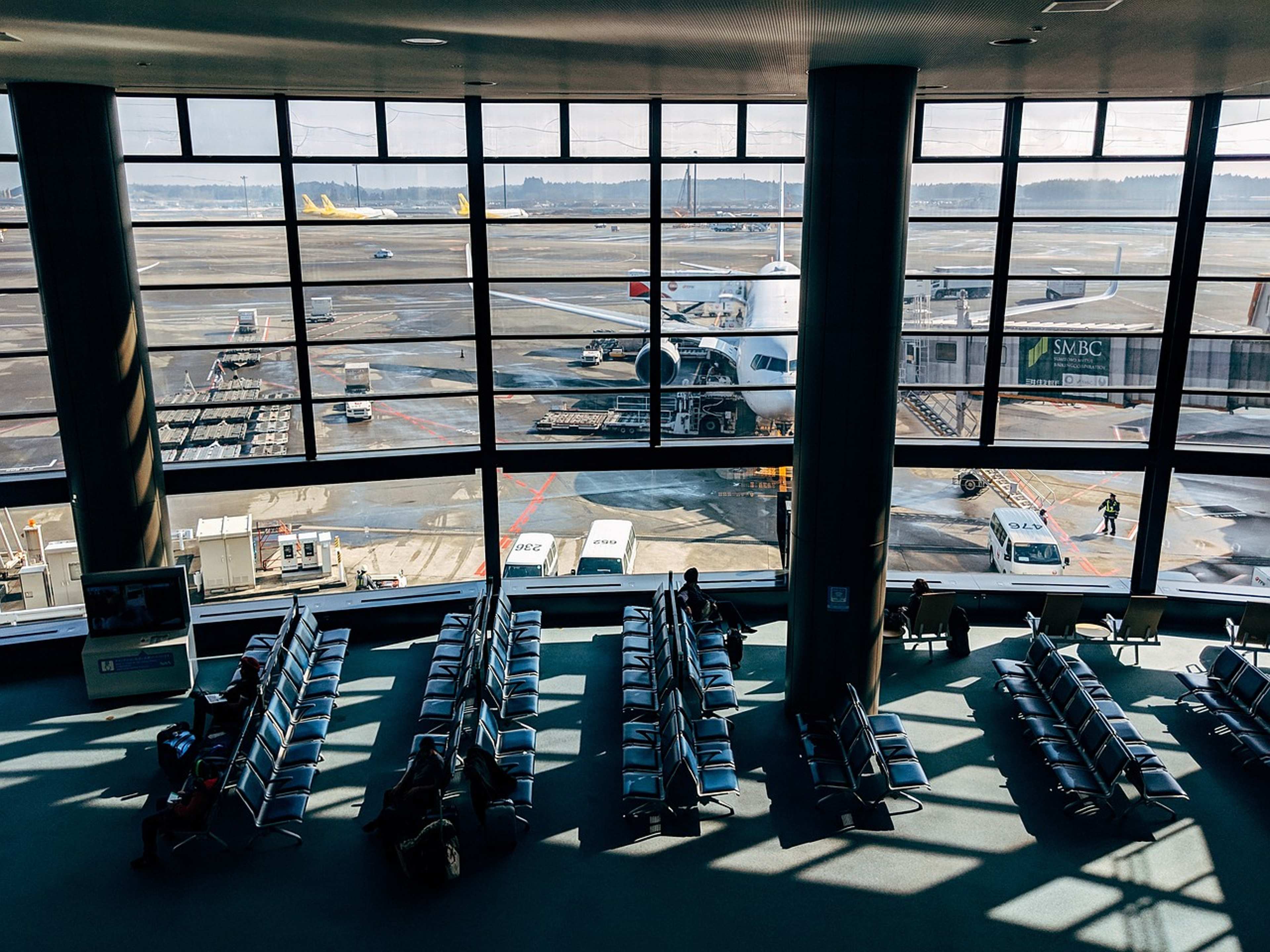
For the first time in roughly 25 years, some people without plane tickets could walk past an airport security checkpoint this fall. That ended quickly for most airports. TSA has put the wider rollout of Gateside by TSA PreCheck on hold.
The agency hasn’t said why. An airport official in Norfolk said TSA told the airport the “is on hold indefinitely aside from the 13 airports in the pilot .”[1] Here’s what we know so far, and what we don’t.
What Gateside Was Designed to Do
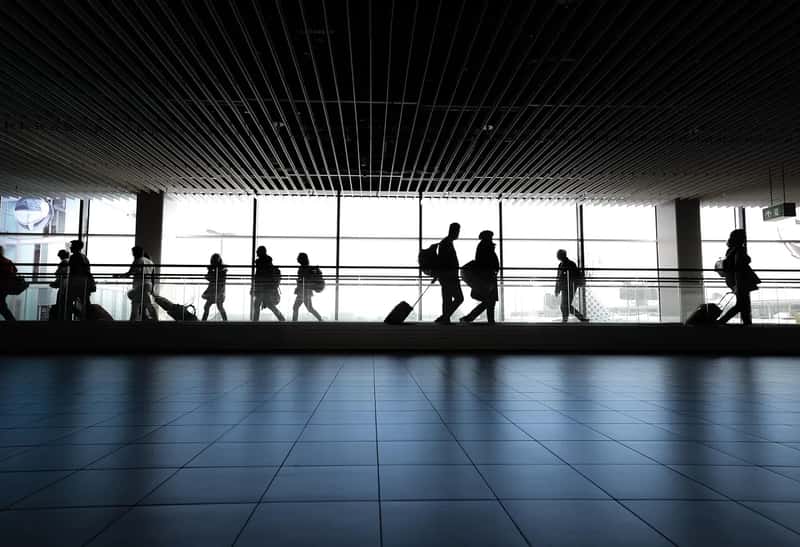
Gateside by TSA PreCheck is a special authorization that lets non-travelers who are eligible for PreCheck screening reach parts of the airport beyond the checkpoint.[2] TSA says the passes can be used to meet family at a gate, have a meal with a friend on a long layover, visit airport shops and restaurants, or greet service members returning from deployment.[2]
The idea revived something that mostly vanished after 9/11. CBS News described it as reviving a tradition that largely disappeared after the September 11, 2001, attacks.[3] TSA’s own materials stress that this is different from the airline gate pass, because airlines issue those only in very limited cases, such as accompanying a minor, a person with disabilities, or a military member.[2]
How the Pass Worked
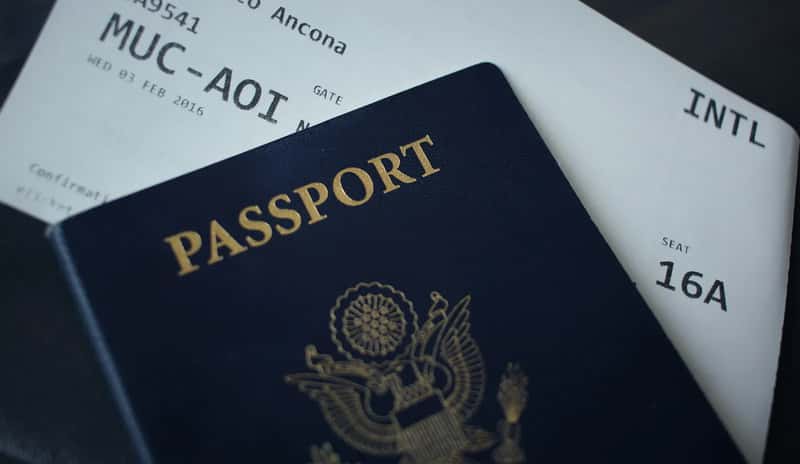
The pass was free, but it wasn’t spontaneous. Visitors had to apply online one to three days before their visit and get approval before heading to the airport.[3] Approved visitors entered through a PreCheck lane with acceptable identification, and the pass was valid for one calendar day, with re-entry allowed that day.[3]
Eligibility reached beyond PreCheck members. Members of Global Entry, Nexus and Sentri could also use their Known Traveler Number.[4] Gate visitors faced the same ID requirements as flyers.[4]
The 13 Pilot Airports

The program started small. Travel Weekly listed the first 13 airports as Dallas Fort Worth, Phoenix Mesa, Columbus, Detroit, Wichita, Indianapolis, Las Vegas, Los Angeles, Little Rock, Oklahoma City, Omaha, San Diego and Salt Lake City.[4] The launch drew little attention, as Travel Weekly noted it was implemented without much fanfare.[4]
TSA framed that period as a test. The agency called the early stage an operational assessment phase.[4] It also said it planned to expand to more airports in the coming months.[3] Those 13 pilot airports are the ones now staying in the program.
A Sudden Expansion to More Than 300 Airports
Then the list grew fast. Frommer’s reported that more than 300 U.S. airports had suddenly appeared on the list.[5] The government’s portal page still showed only 13 dots on its map, but the dropdown menu in the application had become much longer.[5]
Local airports confirmed it. WPXI reported that after the September launch at 13 airports, the program was expanding to others, including Pittsburgh.[6] Norfolk and Newport News-Williamsburg were added in an expansion on Oct. 2.[1]
What TSA Told Airports About the Pause
The pause appears to have reached airports with little notice. WAVY reported that TSA appeared to have quietly suspended the program at Norfolk and others without notice, less than two weeks after the launch.[7] Norfolk’s airport official said he learned on Tuesday that the airport was no longer an option for guests.[7]
TSA hasn’t explained itself publicly. A TSA spokesperson did not respond about why the program was put on hold or whether it might return.[1] View From the Wing similarly described the expansion as suspended indefinitely, with the original 13-location pilot left in place.[8]