LISTEN: Following the Birds: A 30,000-Kilometer Expedition – Image for illustrative purposes only (Image credits: Unsplash)
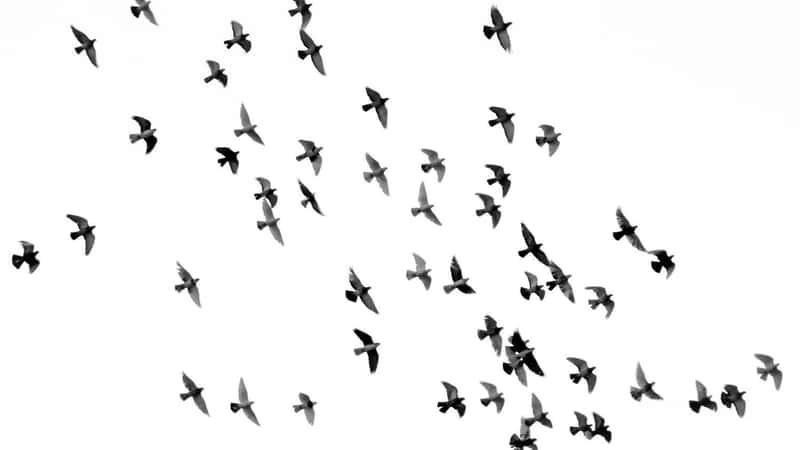
Each year the Hudsonian whimbrel completes one of the longest migrations in the avian world, traveling from breeding grounds in Alaska’s High Arctic to wintering areas as far south as Argentina. Two endurance athletes now plan to trace a similar route on bicycles, covering roughly 30,000 kilometers over nine months. Their effort combines physical endurance with opportunities to document the birds’ journey and share findings with wider audiences.
The Scale of the Undertaking
The planned route will take the pair through 15 countries, requiring daily rides of about 10 hours. They intend to follow the paths of three GPS-tracked whimbrels, adjusting their progress to align with the birds’ seasonal movements. The timeline stretches across nearly a full year, beginning in the northern summer and extending into the following spring.
Logistical demands include securing permits, managing equipment across varied terrain, and maintaining consistent communication with research partners. Daily routines will center on cycling, data collection, and scheduled virtual sessions with classrooms. The physical commitment alone places the project among the more ambitious human-powered journeys attempted in recent years.
Who Is Making the Trip
Timm Döbert, a tropical ecologist and scientific explorer, brings expertise in field research and conservation monitoring. Leanna Carriere, an extreme athlete, contributes experience in long-distance endurance events. Together they will share responsibilities for navigation, documentation, and public outreach during the expedition titled Wings of Survival.
Their combined backgrounds allow the project to address both scientific observation and storytelling. Döbert will oversee data protocols, while Carriere will manage pacing and recovery strategies. The partnership reflects a growing trend of pairing researchers with athletes to reach broader audiences.
Goals Beyond the Finish Line
Along the route the team plans to conduct field observations that supplement existing tracking data on the whimbrels. They will also host virtual classroom sessions to connect students with real-time updates from the field. Storytelling components, including written dispatches and recorded segments, aim to illustrate the challenges migratory birds face across international borders.
These activities are intended to raise awareness of habitat loss and other pressures on long-distance migrants. The expedition therefore serves multiple purposes: advancing basic knowledge of one species while demonstrating how individual travel can support wider conservation messaging. Organizers expect the combination of science and narrative to sustain interest over the nine-month period.
What Comes Next
Preparations are already under way, with equipment testing and route planning occupying the months before departure. Once underway, the cyclists will rely on satellite communication to coordinate with biologists monitoring the tagged birds. Updates will be shared through project channels and partner organizations.
The journey concludes when the athletes reach the southern terminus of the migration route. At that point, collected observations and educational materials will remain available for continued use by researchers and educators. The effort underscores how human movement can intersect with natural cycles in ways that generate both data and public engagement.