Travel plans to Venezuela just got a lot more complicated. If you’ve been thinking about booking a trip there, you might want to reconsider. The situation on the ground has escalated in ways that caught many by surprise, and multiple governments are sounding the alarm. What’s driving this wave of warnings, and why now?
Renewed U.S. Warning
The U.S. Department of State on Wednesday reiterated its Level 4 “Do Not Travel” advisory for Venezuela, originally issued in May. Officials cautioned Americans to avoid the country amid rising tensions tied to the U.S. anti–drug trafficking campaign and mounting pressure on the government of Venezuelan President Nicolás Maduro. Several Western nations have similarly updated their guidance, urging citizens to postpone travel to Venezuela.
Why It Matters

More than a dozen U.S. warships and roughly 15,000 troops have gathered in the Caribbean as part of Operation Southern Spear, intensifying regional unease. The Federal Aviation Administration (FAA) has also advised operators to use “extreme caution” when flying near Venezuelan airspace, citing deteriorating security conditions and increased military activity around the country.
Escalating Regional Tensions
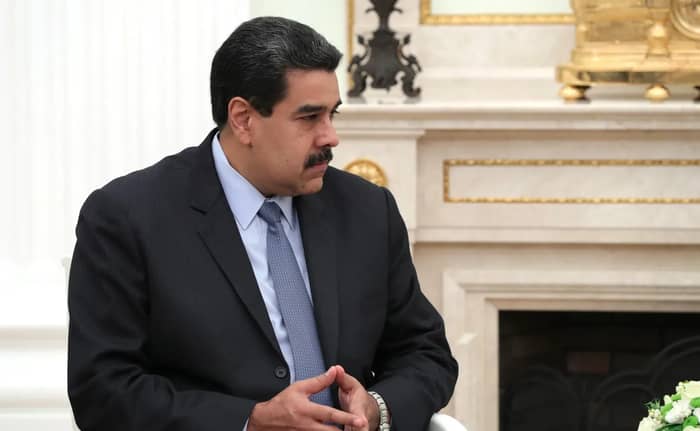
Although President Donald Trump held a late-November conversation with President Maduro, the extent to which U.S. military action remains under consideration is unclear. Diplomatic uncertainty continues to heighten anxiety across Latin America, especially as Washington signals that similar pressure campaigns could be extended to additional countries in the region.
What to Know
Norway and Sweden have now joined the U.S., Canada, Australia, Germany, and Italy in issuing strong warnings against travel to Venezuela. Their advisories cite persistent crime, political instability, and the limited availability of consular support – further reinforcing global concern over the country’s deteriorating security environment.