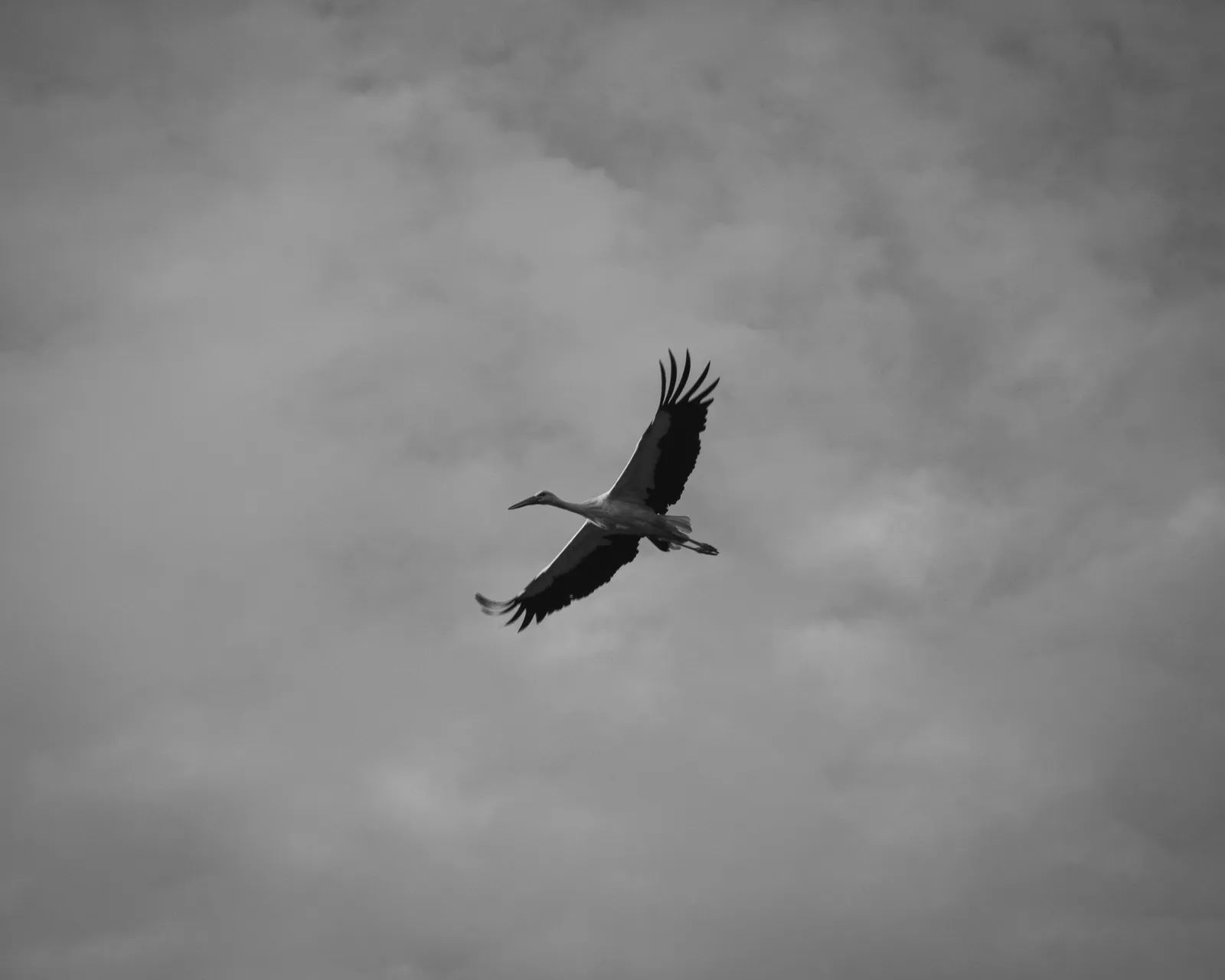
South Sudan’s Boma and Badingilo national parks have received UNESCO World Heritage designation, drawing fresh attention to one of Africa’s most dramatic yet little-known wildlife events. Each April, the arrival of seasonal rains triggers enormous flocks of storks and other migratory birds that fill the skies above the parks. The designation recognizes the area’s role in a vast, intact savanna ecosystem that supports millions of animals and seasonal bird movements across the continent.
Seasonal rains trigger an aerial spectacle
The first rains transform the landscape and set off a surge in food availability that attracts birds from across Africa. Flocks of African openbills and Abdim’s storks gather in numbers so dense they resemble clouds of insects overhead. Conservation manager Megan Claase of African Parks described the scene as one in which “there are so many storks that they kind of look like flies in the sky.” The birds time their movements to exploit the sudden abundance of winged termites and other invertebrates that emerge after the rains begin.
Interconnected wetlands sustain millions of animals
Boma and Badingilo form part of a larger migratory landscape that includes swamps, woodlands, and grassy plains roughly the size of North Korea. This system lies at the center of Africa’s largest remaining intact savanna and supports an estimated six million antelopes along with the seasonal bird concentrations. The wetlands produce rich invertebrate life, including snails that openbill storks extract with their specialized bills. The entire area functions as a single productive unit that shifts with the rains and draws species from distant regions.
Management partnership drives conservation gains
African Parks manages the two national parks in cooperation with the South Sudanese government. The arrangement focuses on protecting the migratory routes and the broader ecosystem that the new World Heritage status now highlights. Practical outcomes include stronger safeguards for the bird populations that rely on the seasonal food pulses and improved coordination across the landscape. The designation is expected to raise the profile of the parks without altering the core management approach already in place.
Emerging destination for dedicated travelers
The UNESCO listing positions the parks as a destination for visitors seeking authentic wildlife experiences away from more crowded safari circuits. Travelers who time a visit with the April rains can witness the stork concentrations and the wider savanna ecosystem in full seasonal activity. Access remains limited, which preserves the remote character of the landscape while the new status encourages sustainable tourism planning. The combination of scale, intact habitat, and predictable avian events offers a distinct alternative to better-known African reserves. The designation underscores how targeted protection can safeguard one of the continent’s last great migratory spectacles for future generations.