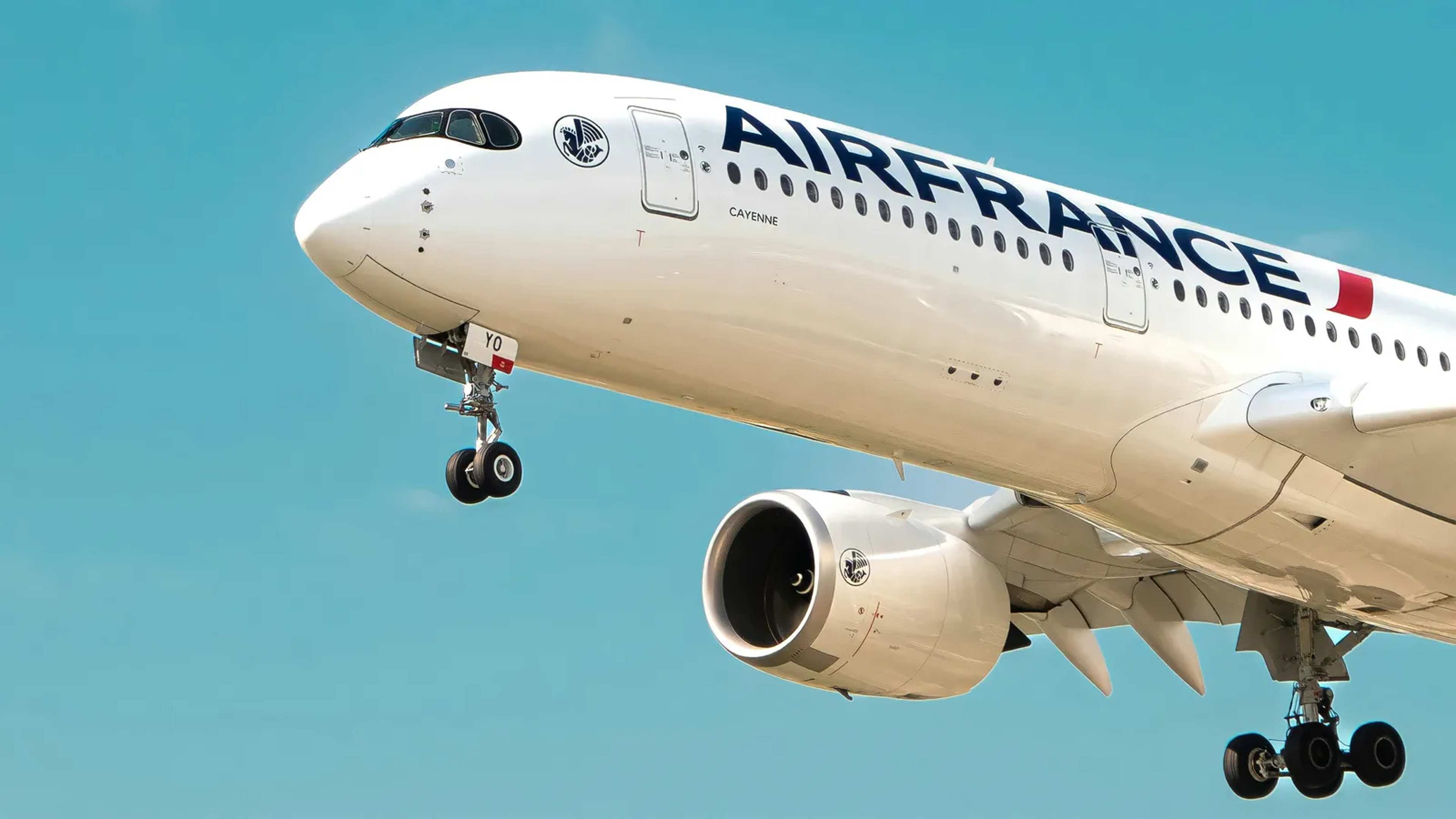
United Airlines is moving forward with targeted growth at one of its key West Coast hubs even as regulatory constraints keep expansion plans on ice elsewhere. The carrier will introduce daily service from San Francisco International Airport to Cincinnati/Northern Kentucky International Airport starting October 25 and Saturday flights to what is now President Donald J. Trump International Airport in West Palm Beach beginning November 7. Both routes will operate with Boeing 737-800 aircraft.
New Connections From San Francisco
The additions mark a modest but concrete step for United at SFO. Daily flights to Cincinnati will give travelers in Northern Kentucky and southern Ohio a one-stop option to the carrier’s broader network. The seasonal Saturday service to West Palm Beach targets leisure demand from the Bay Area to South Florida. These routes arrive shortly after the Federal Aviation Administration adjusted hourly flight limits at San Francisco. The agency had reduced the cap to 36 flights per hour in April because of runway work and safety considerations. It raised the limit to 40 flights per hour on August 12 and plans a further increase to 42 by the end of the month.
Regulatory Relief at SFO
Even with the upcoming adjustment, SFO will still operate well below its previous allowance of up to 54 flights per hour. United’s chief operating officer had signaled in June that improved landing rates were expected soon, and the recent changes appear to have created enough room for the new flights. The airline is taking advantage of the opening while it lasts. Both new routes use existing narrow-body equipment already in the fleet, allowing United to add service without requiring additional aircraft or crew resources beyond normal scheduling.
Chicago Expansion Remains Frozen
At Chicago O’Hare, the picture is different. The FAA extended flight caps through October 2027 after first imposing them in April to manage congestion and gate allocation disputes between United and American Airlines. United had announced ten new routes from O’Hare earlier in the year, but those plans are now indefinitely postponed. The suspended destinations include: – Central Illinois Regional Airport at Bloomington-Normal (BMI)
– Central Wisconsin Airport (CWA) in Wausau
– Champaign-Urbana Airport (CMI)
– Erie International Airport (ERI)
– Kalamazoo/Battle Creek International Airport (AZO)
– La Crosse Regional Airport (LSE)
– Lansing Airport (LAN)
– Marquette Sawyer Regional Airport (MQT)
– Rochester International Airport (RST)
– Tri-Cities Airport (TRI) near Johnson City, Tennessee A United spokesperson confirmed the delay, noting the airline remains committed to serving those markets once the order expires. None of the ten cities currently receive nonstop service from any other United hub.
Practical Effects for Travelers
United can still increase seat capacity at O’Hare by roughly 14 percent this year through larger aircraft on existing flights. The approach avoids adding departures while the cap remains in place. Travelers in the affected Midwest and Pennsylvania markets will continue to rely on connecting itineraries or other carriers for access to Chicago. The contrast between the two hubs illustrates how airport-specific rules can shape airline networks in real time. San Francisco gains new options this winter, while Chicago-area growth stays limited until at least late 2027.