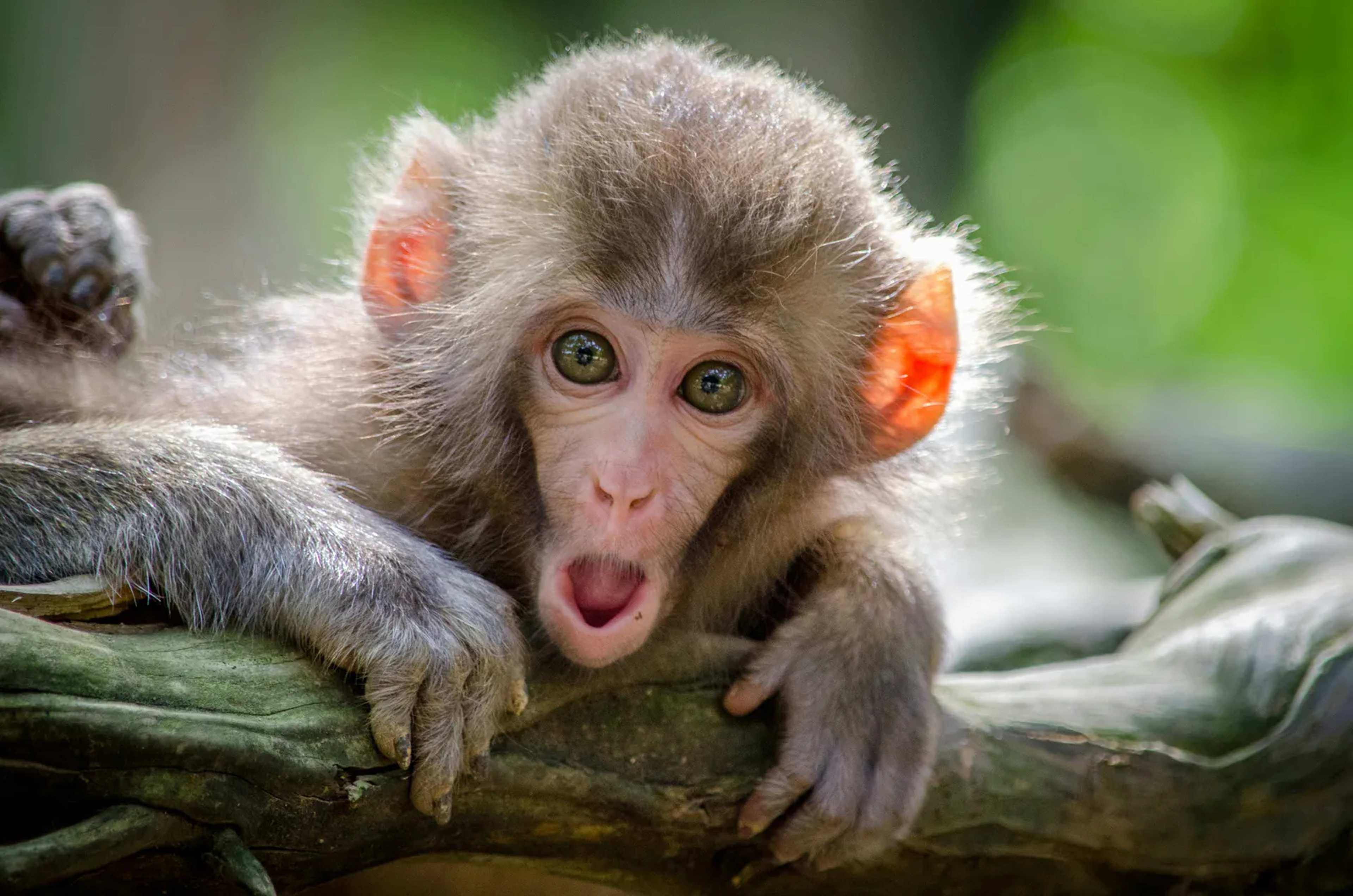
Washington has once more chosen not to extend federal safeguards to long-tailed macaques, a primate species already recognized as endangered by global authorities. The U.S. Fish and Wildlife Service announced its latest refusal on July 14, 2026, marking the second time the agency has declined to evaluate protections under the Endangered Species Act. The decision leaves intact the legal pathways that allow continued imports of these animals for biomedical laboratories, even as their wild populations face steep losses.
Global Status and Sharp Population Drop
Long-tailed macaques, scientifically known as Macaca fascicularis, range across Southeast Asia and occupy habitats from riverbanks and mangroves to urban edges. The International Union for Conservation of Nature placed the species on its Red List as endangered in 2022 after documenting a decline of at least 50 percent over the preceding three decades. Habitat loss, hunting, and climate pressures have all contributed, yet the animals remain highly adaptable in many settings.
A 2025 study highlighted an additional pressure: wild-caught individuals appear to be feeding into breeding operations in Cambodia, Laos, and Vietnam that supply research facilities abroad. This pattern suggests that demand from laboratories may be drawing directly from shrinking wild groups rather than relying solely on captive-bred stock.
Why Biomedical Trade Matters
Import restrictions that would accompany an Endangered Species Act listing represent one of the clearest tools available to limit further removals from the wild. Without that step, shipments for medical testing continue under existing rules. Experts note that the scale of this trade now stands out as the dominant driver of the species’ ongoing decline.
Lisa Jones-Engel, chief scientific advisor on primate experimentation at People for the Ethical Treatment of Animals, described the situation in direct terms. “Because habitat change, climate change – these animals are so fabulously adaptable, they could roll with that,” she said. She added that entire troops, including infants and breeding females, are routinely captured and funneled into the supply chain for laboratories.
The Agency’s Repeated Position
The Fish and Wildlife Service has reviewed the possibility of listing the macaques twice and reached the same conclusion each time. Agency officials have not publicly detailed the reasoning behind the most recent denial, and requests for comment went unanswered by the time of publication. The outcome leaves the species without the additional layer of import controls that an Endangered Species Act designation would impose.
Observers point out that the decision arrives at a moment when international conservation bodies have already flagged the primate as facing severe risk. The gap between global assessment and domestic policy therefore remains unchanged after the second review.
Looking Ahead
The absence of new federal protections means the primary threats tied to research demand will continue to operate without additional domestic limits. Conservation groups are likely to monitor future import data and any shifts in breeding-farm practices to gauge whether wild populations stabilize or keep falling. The species’ adaptability offers some buffer against other pressures, yet the documented scale of removals for laboratories continues to shape its trajectory.