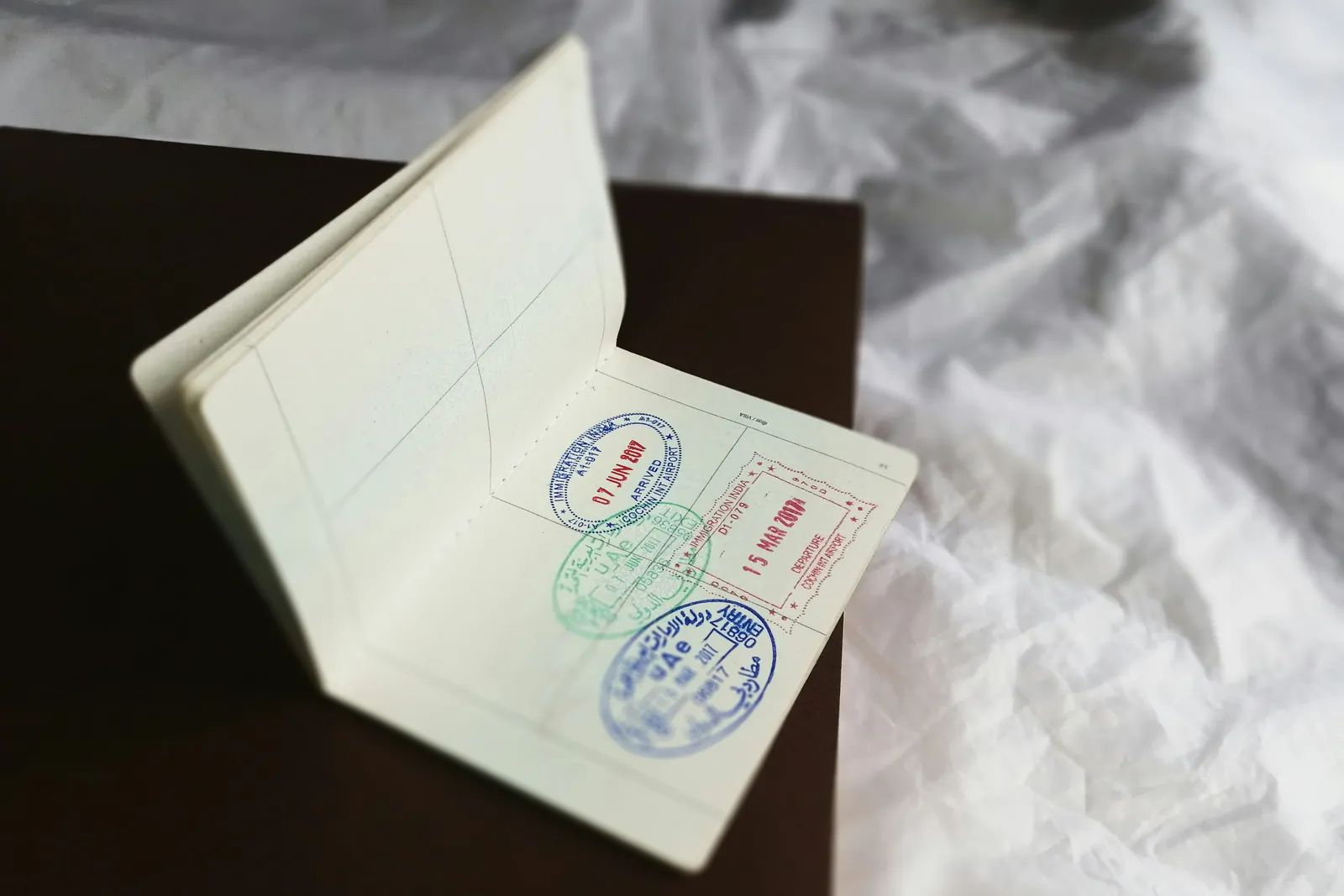
That satisfying thunk of an ink stamp at the US border is about to become a lot less common. US Customs and Border Protection (CBP) has announced it will no longer routinely stamp passports during primary screening, the first checkpoint travelers pass through when entering the United States.[1] The change affects how most arriving visitors prove they were admitted.
For many frequent flyers, this will feel like the end of a small travel ritual. In practice, it’s more of a paperwork shift than a policy overhaul, and entry is still recorded. Here’s what the announcement says, what stays the same, and what you should do after you land.
What CBP Actually Announced
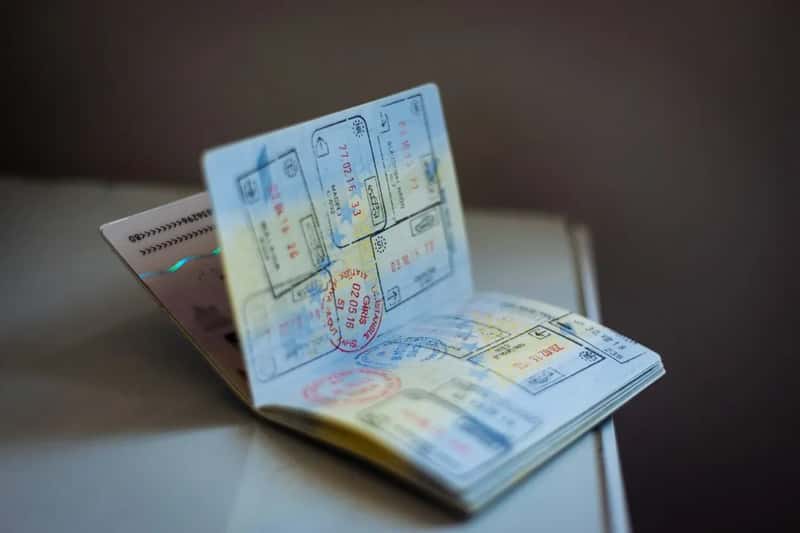
The news came in a bulletin published on October 1, 2026 by CBP’s Carrier Liaison Program.[2] The bulletin says the agency will stop routinely using admission stamps during primary inspection, the first border check travelers go through. The Carrier Liaison Program is the channel CBP uses to inform airlines and other carriers, which is why the news first appeared in an industry bulletin rather than a splashy press event.
Why CBP Says It’s Making the Change
CBP frames the move as part of a bigger modernization push. The agency says the change fits into a broader overhaul of border processing, which already includes greater automation of forms, expanded mobile services and increased use of facial biometric comparison.[2] In that setting, an ink stamp starts to look like a leftover from another era.
The stated benefits are practical. According to CBP, eliminating routine passport stamping should help reduce both primary inspection processing times and operating costs.[2] Those savings are modest per traveler, but across millions of arrivals at busy airports, shaving seconds off each interaction can add up.
Stamps Aren’t Disappearing Completely
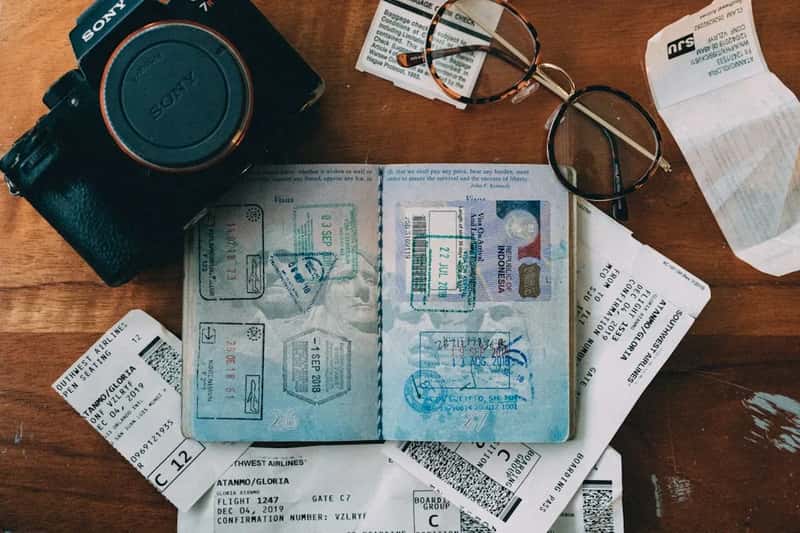
The word “end” is a little strong, because the practice continues in some circumstances. CBP says officers may still use admission stamps during secondary inspection, when a traveler is referred for additional examination after the initial border check.[2] That means a traveler sent for a closer look could still walk away with a stamped page.
There are other exceptions too. Reporting on the bulletin notes that officers may still stamp passports during secondary inspection or certain visa-related processing.[3] If you’re in one of those situations, the officer will tell you what’s needed, so there’s nothing to prepare in advance.
Form I-94 Becomes the Main Proof of Entry
If the stamp fades out, something has to prove you were lawfully admitted. That something is the electronic Form I-94. For foreign travelers, the official record of entry is the electronic Form I-94, CBP’s arrival and departure record, which is updated automatically upon admission.[1] It’s been the official record for years, and the stamp was largely a physical echo of it.
This matters because the I-94 also shows how long you’re allowed to stay. Proof of admission and the authorized length of stay will instead be available primarily in electronic form through the I-94 record.[2] In other words, the date you used to check on a passport page now lives online.
How To Check Your Record After You Land

Make a habit of pulling up your record soon after arrival. Travelers can access their proof of admission, immigration status and length of stay through the official I-94 portal or the free CBP One mobile application.[1] Save a copy or screenshot, since you may need it for employers, schools, or later immigration filings. CBP’s app offerings have changed over time, so the official I-94 website is the safest starting point.
Accuracy is the real reason to check. CBP advised travelers to contact its offices if they spot any errors in their I-94 record, so that corrections can be made promptly.[1] An error on a record that’s now your main proof of status is far easier to fix right away than months later.