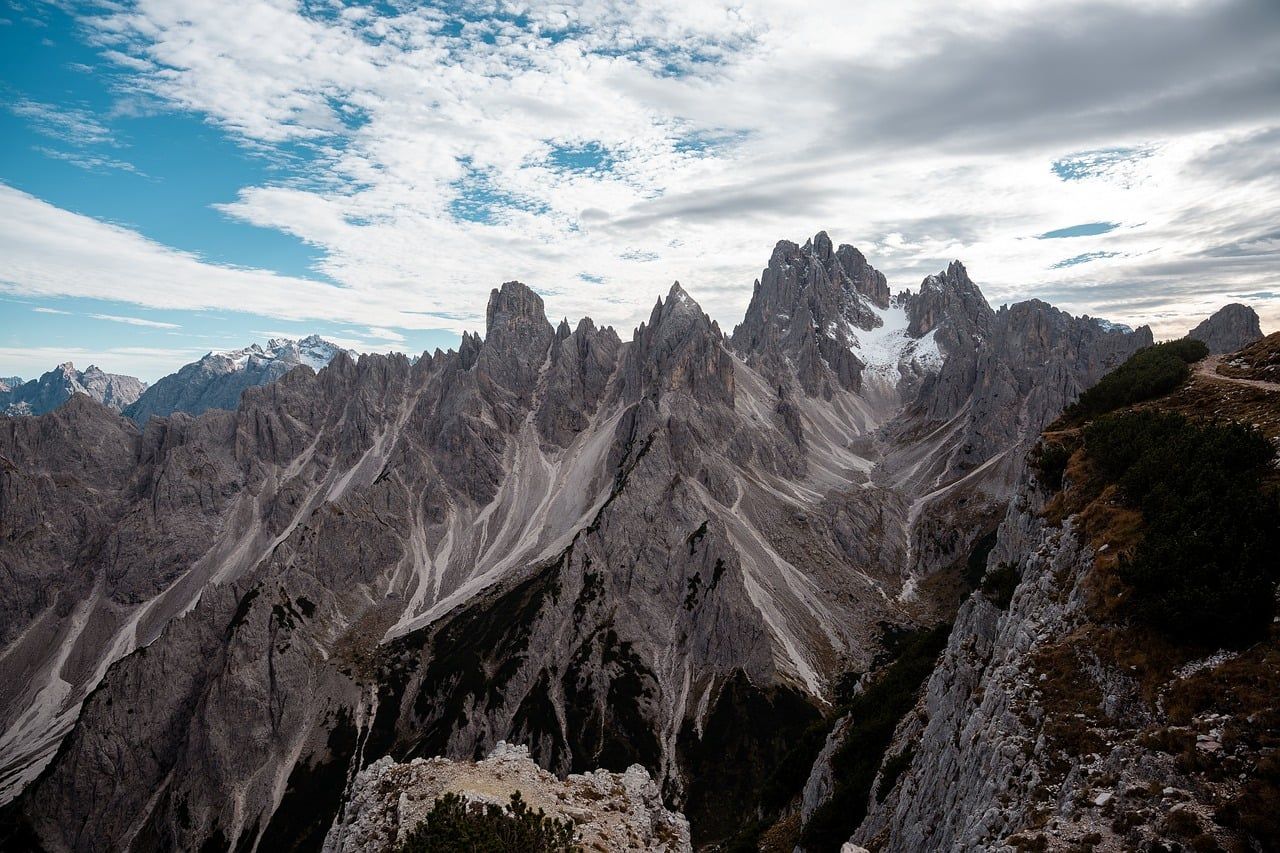
A family trip to northern Italy ended in tragedy on Saturday, October 17, 2026. An American tourist from Miami, Florida, died after falling roughly 1,000 feet in Italy’s Dolomites during a vacation hike.[1] Local outlets reported that she had left the designated path.
The details come mostly from Italian rescue statements and local media, and a few of them differ slightly between outlets. Here is what is known so far, why this kind of accident keeps happening, and what the research says about photo related deaths.
What Happened Near Forcella Pordoi
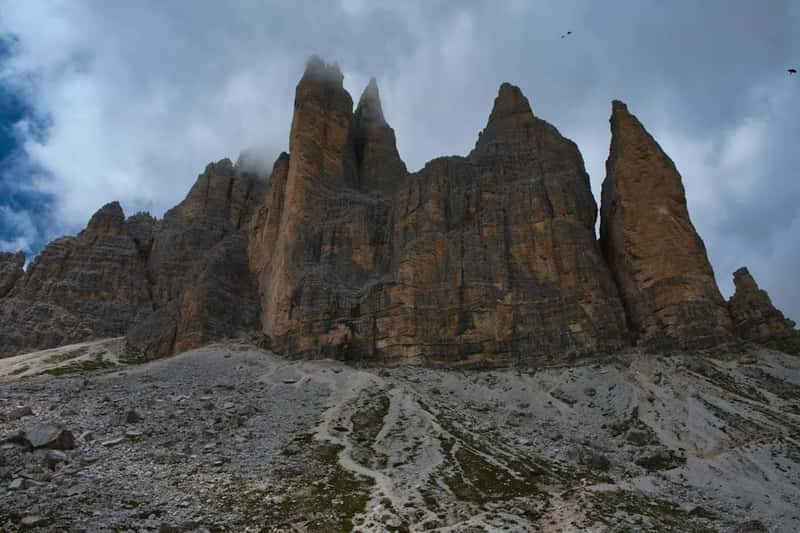
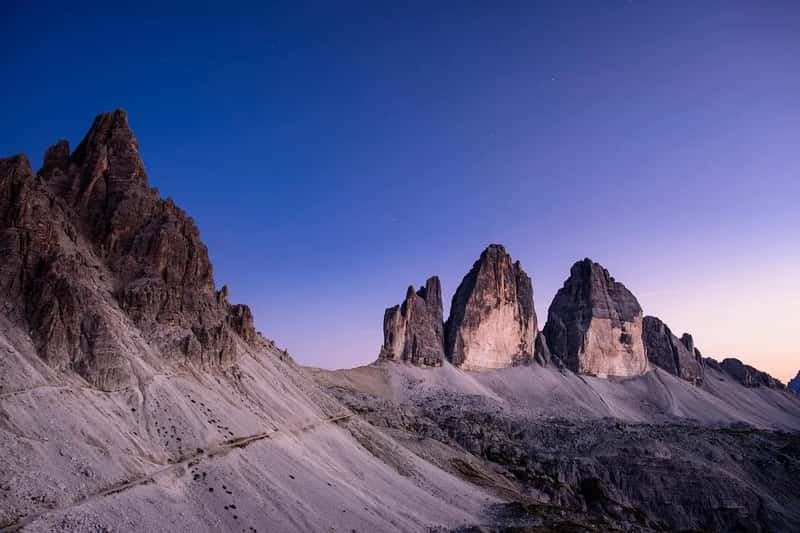
Michelle Alejandra Rubio Leiva, 36, a communications manager from Florida, reportedly strayed from a safe route to take a photo at a scenic spot. She lost her footing near Forcella Pordoi, above Canazei, and fell almost 1,000 feet, according to Corriere della Sera.[2] Her name is spelled slightly differently across some outlets.
The Trentino Alpine and Speleological Rescue gave Fox News Digital a measurement in meters. It said she fell about 300 meters in the Forcella Pordoi area, at an altitude of about 2,750 meters.[1] That’s close to the 980 feet quoted elsewhere. The “1,000 feet” in the headline is a rounded figure.
How the Rescue Unfolded
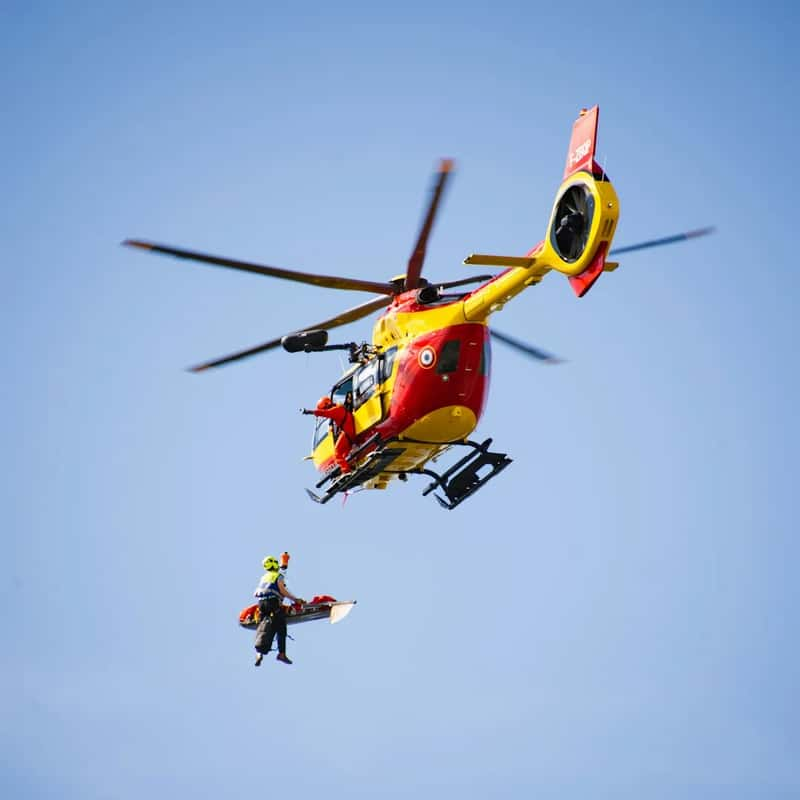
Witnesses called the emergency number, the rescue organization said.[1] The 112 control center sent the Alta Val di Fassa team of the rescue service, along with an air ambulance.[1] One report says a mountain rescuer already nearby went to the scene to give the helicopter crew exact coordinates.[1]
Despite the quick response, nothing could be done. She was pronounced dead at the scene just before 12:30 p.m. that Saturday.[3] The terrain made the operation hard. One report says the steep cliffs required specialized mountain rescue equipment and an aerial response.[4]
A Family Outing Turned Horrific
She wasn’t hiking alone. She was with her family near Forcella Pordoi when she lost her footing.[3] Her sister reportedly raised the alarm.[3]
The aftermath was hard on the family as well. Il Dolomiti reported that her family members were airlifted to the nearby town of Canazei.[1] Beyond that, I haven’t found reliable public details about the family or the funeral arrangements, so I won’t speculate.
The Route and Why the Terrain Is Unforgiving
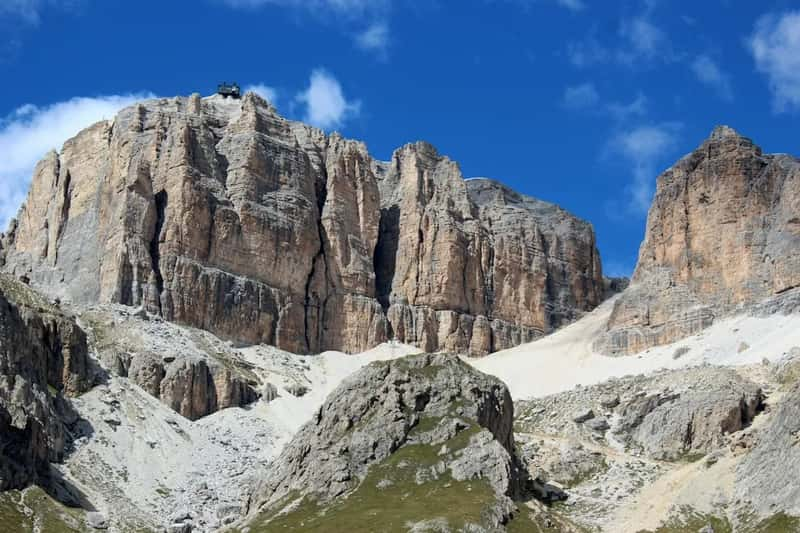
Reports differ a little on what the group was doing. Il Dolomiti noted the hiking group was near the upper cable car station and had planned to visit the Maria refuge on Sass Pordoi.[1] Another account says the tour party was walking to a cable car station to go up to a well-known panoramic restaurant on the Sass Pordoi summit.[3]
The pass is a popular spot, but the ground isn’t forgiving. Italian reports say it’s easy to reach by cable car but hard to walk because of its steepness and loose gravel, which makes it harder to keep your footing.[3] Reports suggest the gravel may have contributed to her slip. Investigators haven’t published an official cause beyond what the rescue service and local media have described.
What the Research Says About Photo Related Deaths

Falls like this are a recognized pattern, not a one-off. One analysis in the Journal of Travel Medicine estimated 379 selfie related deaths worldwide.[5] It covered 433 individuals in 292 incidents between 2008 and 2021.[5]
Falls from height were the biggest cause. They made up 49.9 per cent of deaths, followed by transport related deaths and drownings.[6] That’s close to half of all cases. Researchers also note these deaths are probably underreported, because selfies aren’t usually listed as the cause of death.[6]
Who Tends To Be Most at Risk
Studies suggest travelers are especially exposed. Falls from height are more common among travelers than locals.[5] Women are more likely to die from falls or animal related incidents, while men are more often involved in vehicle related deaths.[5]
The typical victim in these studies is much younger than Rubio Leiva was. The average age of victims in one study was 24.4 years.[6] One cause is that people often climbed over barriers or into fenced off areas to reach the perfect spot.[7] That fits the pattern described in this case, though it doesn’t prove why she slipped.
Staying Safe on Alpine Trails
Photography itself isn’t the problem. The problem is stepping off stable ground to get the angle. Researchers note that people want to visit beautiful places that photograph well for social media.[7] A good rule is to take the picture from the trail, even if the framing is less dramatic.
General guidance for the Dolomites is practical. One travel guide says the biggest risks are rapid weather changes, altitude, and overestimating your fitness.[8] For mountain rescues and severe falls, another safety guide says to call 112 to reach the Italian Alpine Rescue.[9] It also helps to check your travel insurance. Standard policies often exclude mountain activities, so you need cover that includes mountain rescue and helicopter evacuation.[8]
Why Trail Signs and Markers Matter
Marked paths exist for a reason, and rescuers in the region have complained about people ignoring them. In a separate case from earlier this year, Italian rescuers said hikers neglecting existing signage had made it necessary to close more trails.[10] The same story reported that a hiker who ignored closure signs was handed a $16,000 bill.[11]
That case involved a closed trail and falling rocks, not a photo stop, so it’s a different situation. Still, it shows how much rescuers rely on visitors respecting boundaries. Helicopters are also a limited resource. As one health official put it, they’re essential for time sensitive operations in harsh environments.[10]
Conclusion
The loss of a 36-year-old woman on a family vacation is the kind of story that’s easy to reduce to a warning about selfies. The facts reported so far are narrower. She fell roughly 300 meters near Forcella Pordoi after reportedly leaving the marked route. Italian rescuers responded quickly but couldn’t save her.
The wider research supports one clear lesson. Falls from height are the leading danger in photo related accidents, and loose, steep ground makes any step off the path riskier. No picture is worth the edge, and the best viewpoint is often the one you reach on solid ground.