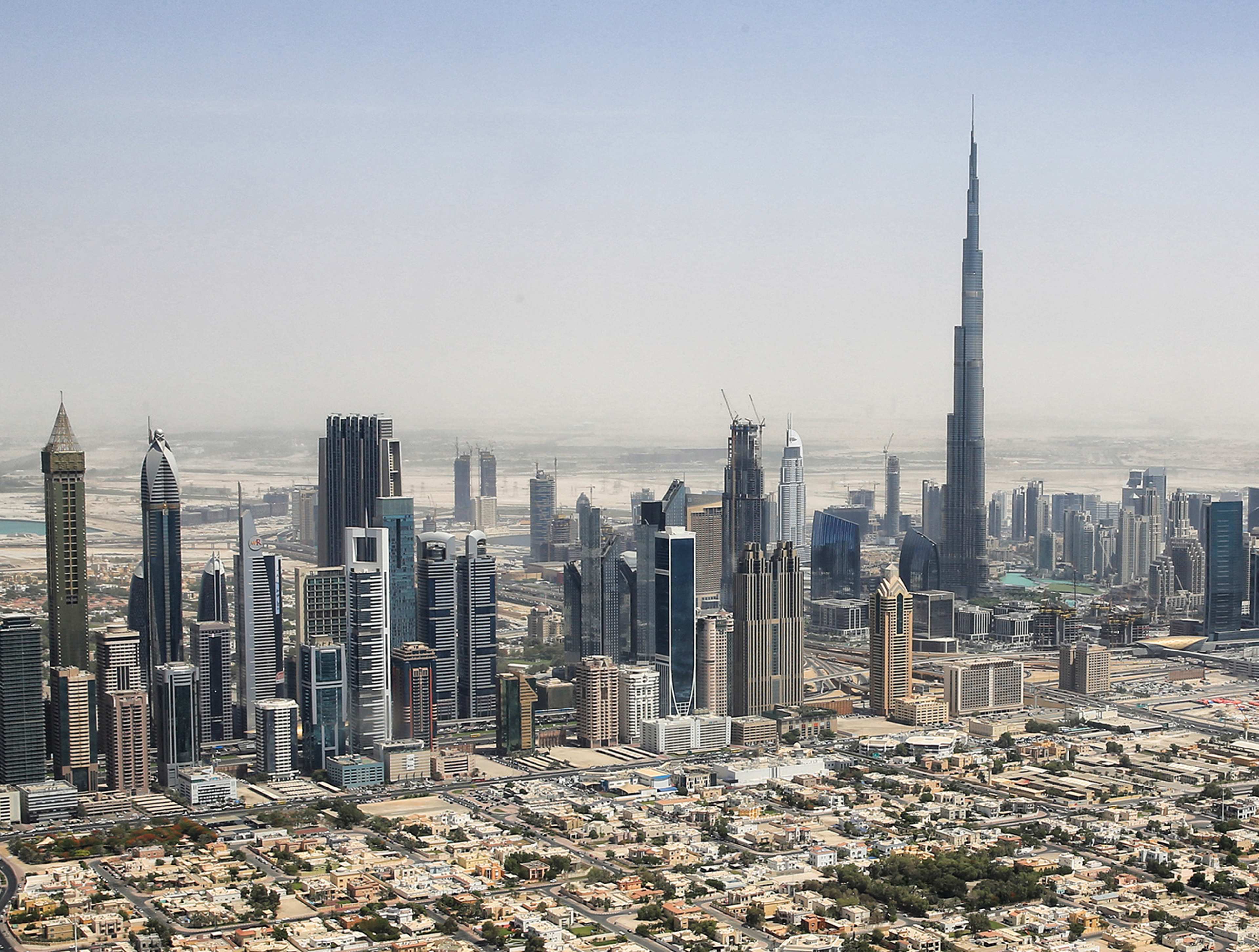
Ask any seasoned traveler to name the destination that shocked them the most, and you rarely get the answer you’d expect. It’s almost never the place with the biggest marketing budget or the most postcards. Instead, it tends to be somewhere that carried a reputation, fair or not, that had nothing to do with what actually greeted them at arrivals.
To get a real sense of which countries keep pulling that trick off, we looked at traveler reviews, recent tourism surveys, and the kind of on-the-ground accounts that show up on forums and travel sites once people have actually landed. A pattern emerged fast. The countries that surprise people most are usually fighting an old story about themselves, and winning.
Colombia: the reputation that hasn’t caught up with reality
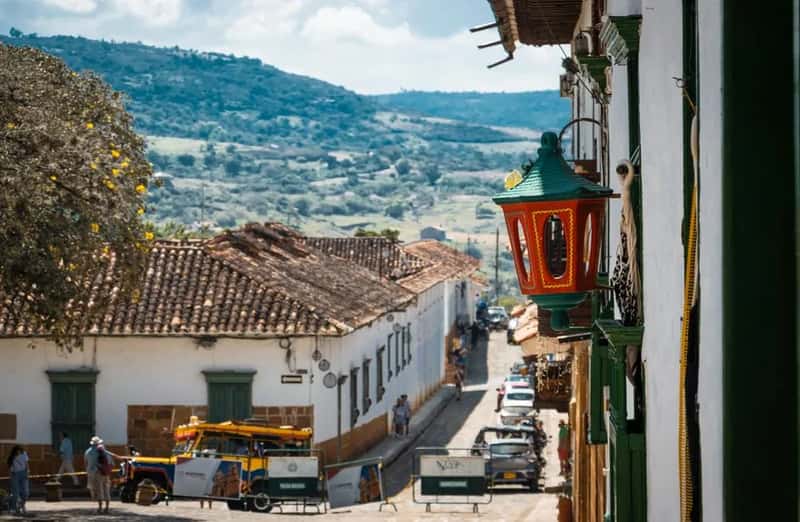
Colombia shows up in almost every conversation about surprising destinations, and for a specific reason. Decades of headlines about cartels and conflict left a mental image that most visitors are still carrying when they land, and it rarely survives contact with Bogotá or Medellín. Travelers in Colombia are often surprised by just how easy and welcoming it is.
The numbers back up what the anecdotes suggest. Around 3,137,210 international visitors were welcomed in Colombia from January to August 2025 as recorded by the Ministry of Commerce, Industry and Tourism. Comparisons between crime data in Colombian cities and major U.S. cities have also become a common talking point among returning visitors, often flipping their assumptions entirely.
Saudi Arabia: a country that shattered the desert stereotype
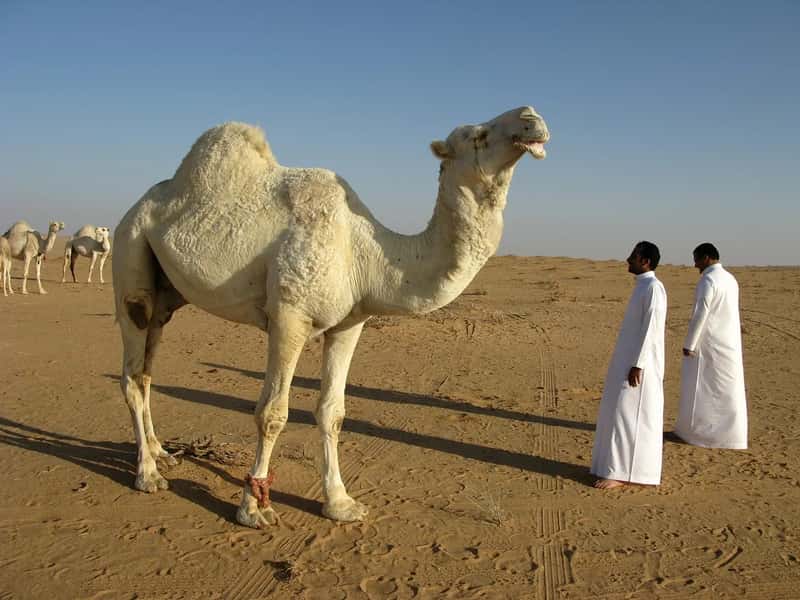
Few places have moved this fast from “closed off” to “on the bucket list.” Travelers who expected flat desert and little else are instead finding misty highlands, ancient carved tombs, and coastlines built for diving. The ancient Nabataean tombs of AlUla and the lush, mist-covered peaks of Abha defy the traditional desert stereotypes of the region.
The scale of the shift is hard to overstate. With an unprecedented 122 million arrivals recorded in 2025, Saudi Arabia has officially eclipsed its original Vision 2030 tourism targets, securing a prestigious position among the top 10 most-visited nations on the planet. For a country that barely issued tourist visas a decade ago, that kind of leap changes what “surprising” even means.
Bhutan: happiness as a national strategy, and it works

Bhutan doesn’t try to sell itself the way most tourism boards do. It caps visitor numbers, charges a daily sustainability fee, and requires prebooked tours rather than free-roaming backpacking. Yet travelers keep coming back stunned by how deliberate and genuinely warm the whole experience feels.
Bhutan holds a reputation for being one of the happiest countries in the world due to its philosophy of measuring success by Gross National Happiness rather than GDP. That philosophy is not just marketing copy. The landlocked Asian country situated high in the Himalayas witnessed a 30% increase in tourism from the year prior in 2025.
Kenya: friendliness that outranked every other country on earth

Safari expectations usually run toward wildlife, and Kenya delivers plenty of that. What tends to catch travelers off guard is the warmth of the people they meet outside the game parks, from guides to shopkeepers to strangers on the street.
That impression is not just anecdotal. Kenya has been named the world’s friendliest country in the 2025 Condé Nast Traveller Readers’ Choice Awards, topping the global ranking with an impressive score of 98.46%. The field was unusually tight that year, with all ten countries scoring above 96%.
Cambodia: the quiet outperformer nobody saw coming

Vietnam and Thailand tend to dominate Southeast Asia travel conversations, drawing bigger crowds and bigger budgets. Cambodia, rebuilding its tourism identity over the past two decades, has quietly become the country that surprises people who expected it to feel like an afterthought.
Cambodia was voted the fifth friendliest country in the world in the Readers’ Choice Awards 2025, scoring 97.33 points and beating out major tourist nations such as Vietnam at 97.27 and Thailand at 96.36. For a country whose tourism sector is still relatively young, edging out two much larger neighbors says a lot about the daily experience travelers are actually having on the ground.
Japan: the destination people can’t stop wanting to revisit

Japan rarely surprises anyone with its existence on a bucket list. What surprises people is how quickly a first trip turns into a plan for a second one, often before the flight home even lands. That pull has been measured, not just felt.
A survey of 12,400 respondents between the ages of 20 and 59 across 20 countries and regions found that 52.7% of participants expressed a strong revisit intention for Japan, placing it far ahead of its closest competitors. That figure has climbed steadily, from 30.6% in 2023 to 34.6% in 2024, before surging to 52.7% by 2025. Locals often credit the balance of old and new, though most travelers just say it feels effortless to be there.
Ethiopia: ancient history meets a tourism boom in real time
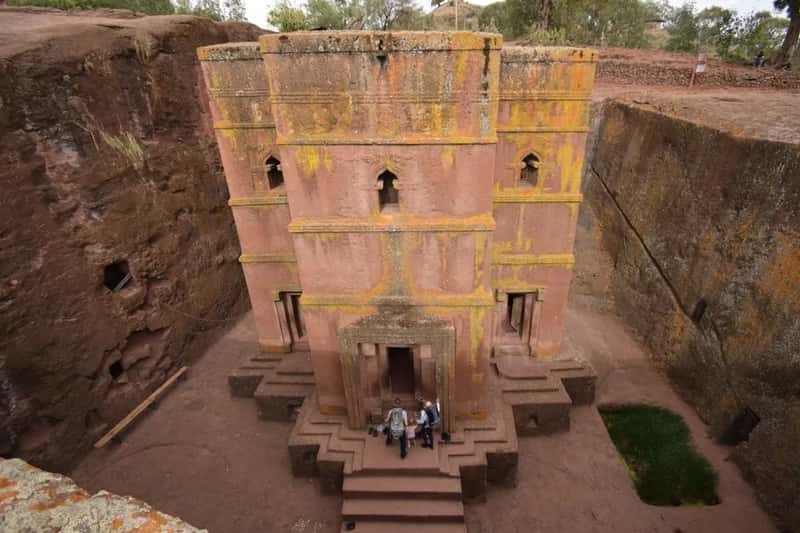
Ethiopia rarely makes anyone’s shortlist before they arrive, which is exactly why it tends to leave such a strong impression. Rock-hewn churches, cloud forests, and wildlife found almost nowhere else on the planet do not fit the assumptions most visitors bring with them.
Ethiopia saw a 15% surge in international visitors in 2025 compared with 2024, according to U.N. data. Much of that growth is being driven by younger travelers chasing outdoor adventure rather than the standard historical circuit, and infrastructure is racing to keep pace with new airport projects already underway.
Mexico: hospitality that outshines the headlines
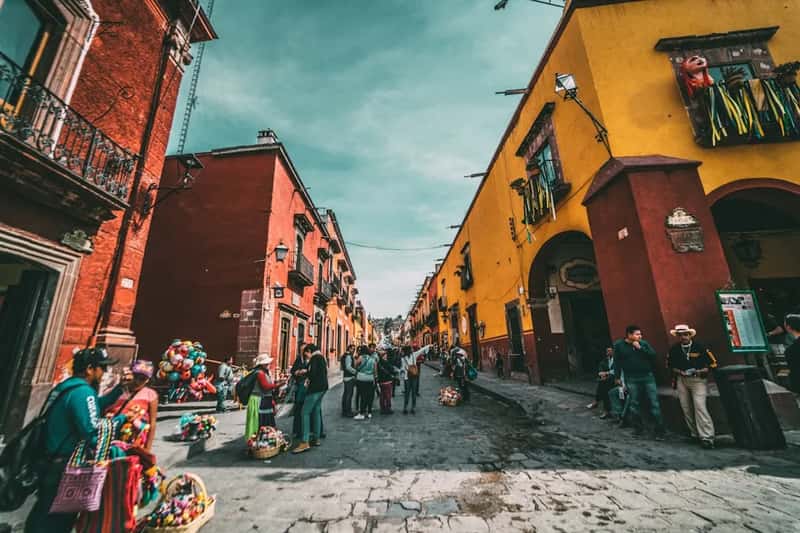
Mexico deals with a persistent image problem shaped by news coverage that rarely reflects what most visitors actually encounter. Once people arrive, the story usually shifts toward markets, meals, and a level of everyday generosity that catches them off guard.
Mexican locals often go above and beyond to make foreigners feel at home, whether someone is asking for directions or sharing a meal. That everyday generosity, more than any single landmark, tends to be what visitors bring home with them.
Brazil: a record-breaking surge that surprised even tourism officials
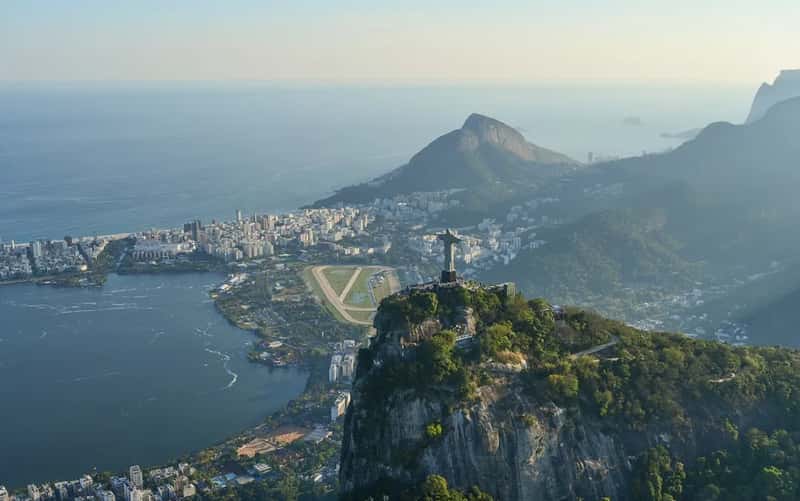
Brazil’s size and reputation for carnival energy set certain expectations, but the sheer speed of its recent tourism growth has outpaced even local forecasts. Visitors expecting just beaches and big cities are finding rainforest access, revamped historic hotels, and infrastructure investment moving faster than anticipated.
In 2025, Brazil welcomed a record-breaking 9.3 million tourists, a 37% increase over 2024. The South American country recorded the largest year-over-year increase in the world, according to the U.N. report.