
Most people, when they think of crocodiles, picture the massive Nile variety lurking in muddy rivers or prowling the banks of the Serengeti. Very few would picture a slim, almost delicate-looking creature slipping silently through the shadow-dappled waterways of West Africa’s dwindling rainforests. Yet that is exactly where you would find Mecistops cataphractus – the West African slender-snouted crocodile – provided you were extraordinarily lucky, extraordinarily patient, and standing in the right country.
This is a species that barely registers in public awareness. It doesn’t feature on wildlife documentary shortlists, it rarely appears in conservation fundraising campaigns, and for much of its known history, scientists didn’t even have enough data to classify how threatened it was. Today it stands at the very edge of existence, and the clock is moving faster than the attention.
A Crocodile Unlike Any Other
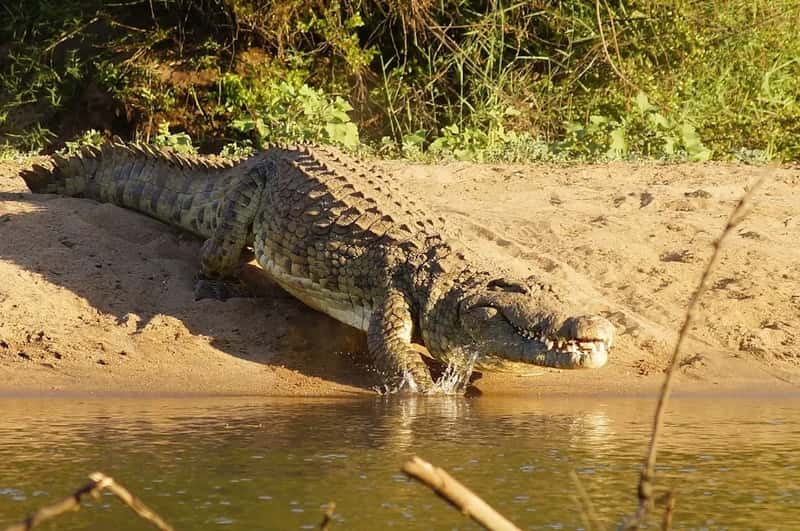
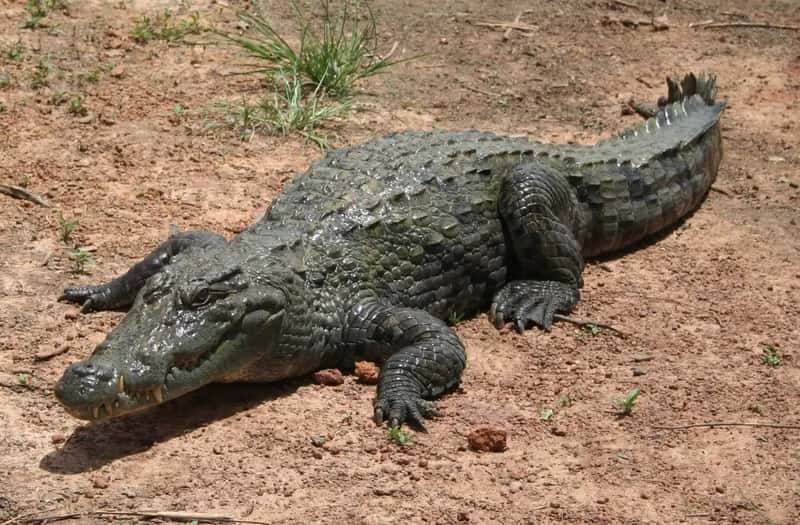
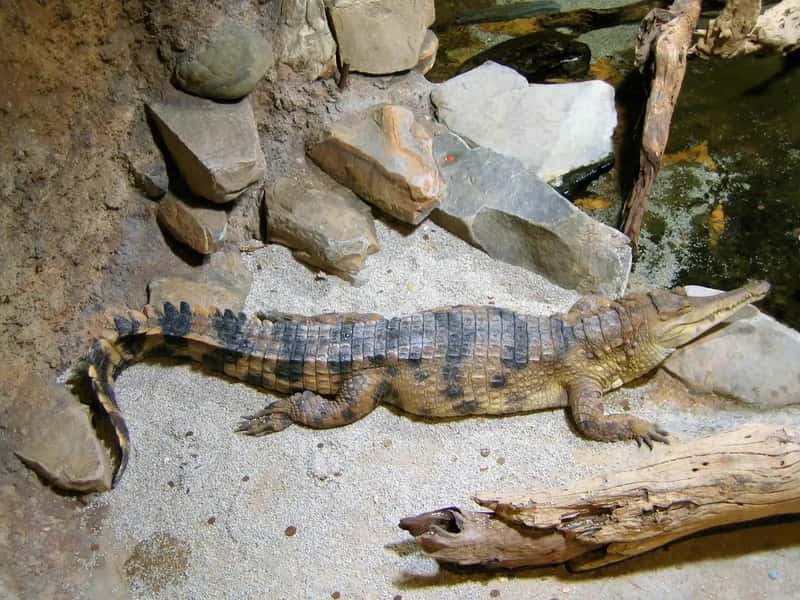
The West African slender-snouted crocodile is known for its unmistakable long and slender snout, which lacks any bony ridges – a shape perfectly adapted for capturing fish, the main source of food for the species. That narrow snout is what sets it apart at a glance from bulkier relatives like the Nile crocodile, giving it an almost surgical elegance. This medium-sized reptile can reach lengths of up to 4 meters, with males generally larger than females, and features a dark olive-brown dorsal coloration and yellow ventral scales often marked with dark spots.
Unlike some of its more aggressive relatives, this crocodile is predominantly shy and prefers to avoid confrontation. That shyness is partly why it has been so difficult to study. It inhabits slow-moving rivers, forested swamps, lagoons, and occasionally brackish coastal areas within tropical rainforests, typically at elevations below 600 meters. It retreats quickly at any sign of disturbance, melting back into dense vegetation before a researcher can get a proper count.
Lost in the Data – For Decades
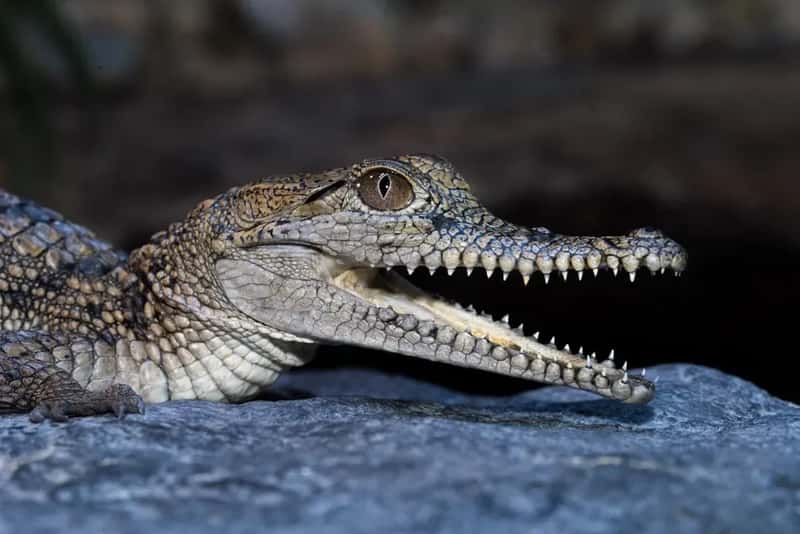
The slender-snouted crocodile was considered so poorly understood that in 1996, the IUCN rated it as “Data Deficient.” It was only in 2014 that this was reviewed and the species was listed as “Critically Endangered.” That shift from unknown to critically endangered in a single reassessment tells you something important: the species wasn’t suddenly declining faster – researchers had simply never gathered enough information to understand how bad things already were. When a species is classified as Data Deficient, it is not awarded any formal protection, which makes gaining knowledge on such species particularly important in order to assign them a Red List category and protect them accordingly.
The problem runs deeper than one species. West Africa has been subject to very few ecological studies compared to other biodiversity hotspots, such as the Neotropics. In that context, the slender-snouted crocodile’s long period of obscurity is not surprising – it reflects a broader pattern of scientific neglect across one of the world’s most biodiverse regions. Filling those gaps has become one of the most urgent tasks in African conservation biology.
One Species Becomes Two – and the Crisis Deepens
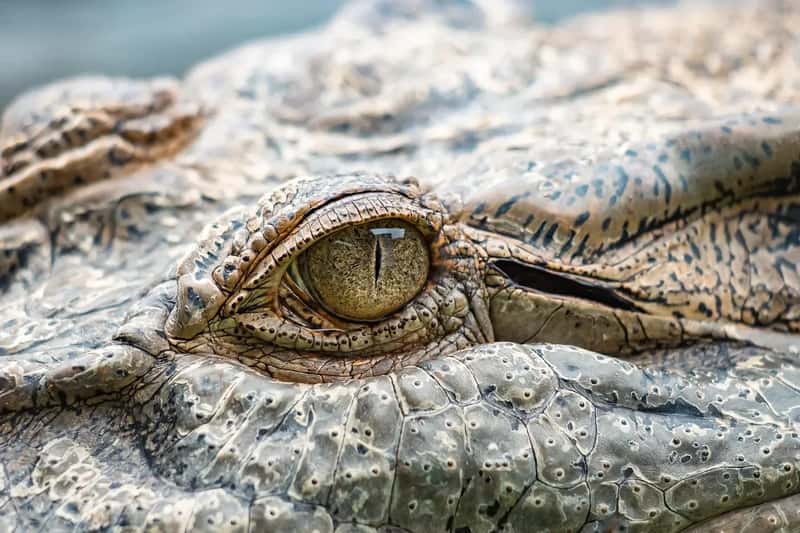
The slender-snouted crocodile was long thought to be distributed across West Africa and into Central Africa, but the Central African species has now been separated as a distinct species – the Central African slender-snouted crocodile – based on studies in 2014 and 2018 that indicated both were distinct. This reclassification, while a genuine scientific breakthrough, made things considerably more alarming from a conservation standpoint. Recent research revealed the West African populations to be genetically distinct from the Central African populations, having diverged six to eight million years ago – around the same time humans and chimpanzees last shared a common ancestor.
The West African slender-snouted crocodile is now considered a distinct species, and this impending formal split means both species occur over much smaller areas than previously thought, and may face a considerably greater risk of extinction. Splitting a species in two sounds like science gaining ground – but in conservation terms, it means each newly recognized animal has a far smaller population base than the combined count suggested. Both species have been entirely extirpated from several countries where they were formerly present, and have declined elsewhere.
How Few Are Left?
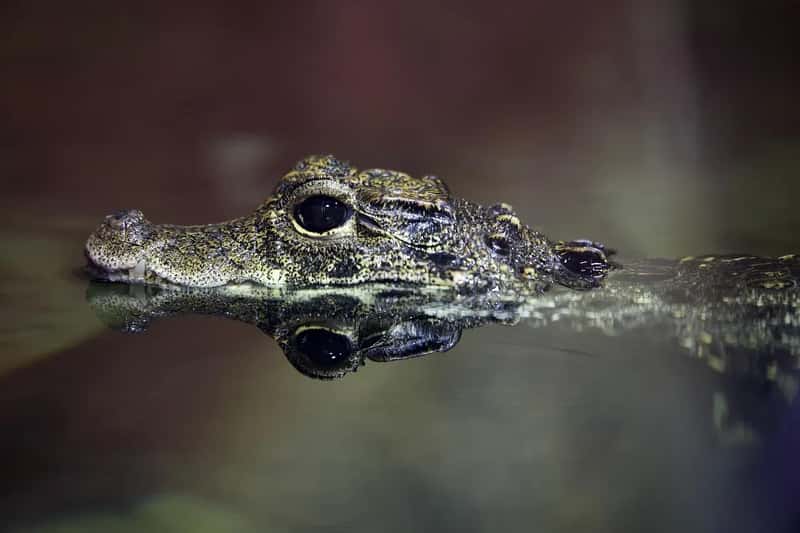
African slender-snouted crocodiles are the least-known crocodile species, and current estimates suggest that fewer than 500 adult West African slender-snouted crocodiles are left in the wild. The species is now recognized as Critically Endangered on the IUCN Red List, making it not only one of the six priority crocodilian species for conservation worldwide but also the most endangered crocodile species on the African continent. That figure – fewer than 500 adults – is staggering for an animal that can grow to the length of a mid-sized car.
With fewer than 500 individuals left, this is not only one of the world’s lesser-known crocodilian species but one of our most endangered reptiles. To put that into perspective, there are more African elephants within a single national park in Kenya than there are adult members of this species across its entire West African range. Yet the elephant commands global attention and billion-dollar conservation budgets. The slender-snouted crocodile barely registers a footnote.
A Region Under Pressure
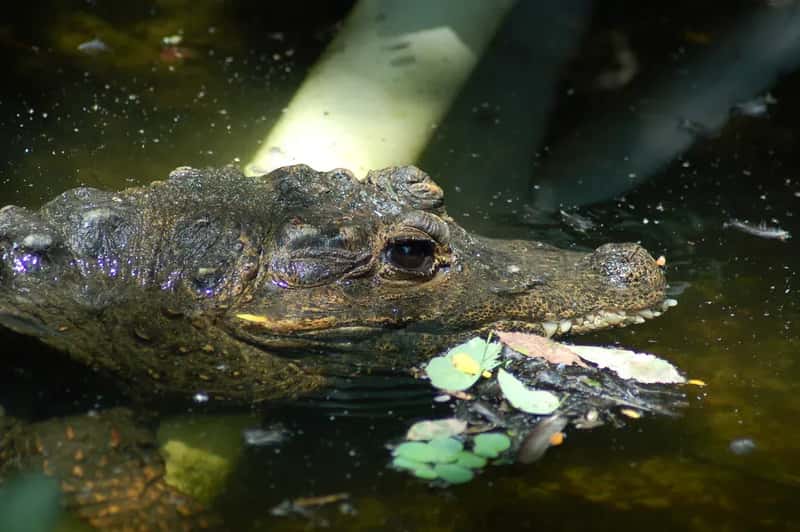
Distributed across West Africa from Senegal and Gambia in the west to Nigeria in the east, the species occupies the Upper Guinea forest biodiversity hotspot, though its range has contracted due to historical fragmentation. The Upper Guinea forest is one of the world’s recognized biodiversity hotspots, yet it has been devastated by decades of agricultural expansion, logging, and coastal development. The Upper Guinean rainforest biome is a poorly studied, yet hyper-biodiverse region facing severe fragmentation due to ongoing habitat transformation.
The West African slender-snouted crocodile is under threat from fishing practices, human disturbance, hunting, and habitat degradation and fragmentation across its entire range. Overfishing is a particularly insidious threat because this species depends on fish for the bulk of its diet – depleted rivers mean depleted crocodiles, even before anyone has raised a weapon. Other threats include hunting for skins and bushmeat, habitat loss, and general disturbance.
Scientific Surveys Reveal Just How Much We Don’t Know
A recent herpetological baseline survey in the Upper Guinean region resulted in 1,140 herpetofauna observations representing 72 species, of which nearly half – around 47 percent – were West African endemics. That kind of figure is remarkable. It means that a substantial share of the reptile and amphibian species recorded in such surveys exist nowhere else on Earth. Despite the survey’s scope, sampling curves indicated incomplete overall herpetofauna diversity, with reptile diversity metrics revealing significant sampling deficiencies largely explained by the high proportion of singleton observations – more than 60 percent of all reptile records.
A singleton observation means a species was recorded only once. That is not ecological rarity – that is a measurement gap. Some West African lizards are known from only a single type locality specimen collected over 80 years ago, while even the medically significant black mamba has only a few scattered observations in West Africa, despite its distribution being suspected to be widespread in the region. If that is true for an animal as large and well-known as the black mamba, it is easy to imagine how invisible a shy, forest-dwelling crocodile could be.
The Conservation Response – Late but Ongoing
Project Mecistops focuses on conservation action for the West African slender-snouted crocodile, a Critically Endangered species endemic to West Africa. The project combines captive breeding programs, field surveys, and collaboration with West African national governments to try to build a foundation for the species’ survival. The aim is to ensure the survival of the Critically Endangered West African slender-snouted crocodile through scientific research, capacity building, and support of West African national partners, including the management of a captive crocodile population to support a conservation breeding and reintroduction program.
Researchers have implemented surveys at dozens of sites across Côte d’Ivoire – one of the last countries where semi-stable populations are thought to persist. The challenge is that survey work in remote tropical forests is slow, expensive, and logistically brutal. Assessing population status and establishing a basis for population monitoring is the highest priority action for this region, but monitoring of crocodiles is influenced by many factors that affect detectability, including environmental variables and individual or population-level wariness. Even when scientists find evidence of the species, estimating true population size remains deeply uncertain.
The Deeper Problem: Invisibility as a Death Sentence
The Wallacean shortfall – the gap between the geographic ranges of known species and what is actually mapped – is particularly evident in West African herpetofauna and reflects a geographic bias in species distribution data that has large implications for conservation. In plain terms: we cannot protect what we haven’t found, and we haven’t found much. Species that lack charisma or familiarity tend to miss out on funding, on policy attention, and on the kind of public pressure that drives governments to act. A slender-snouted crocodile hiding in an Ivorian swamp is never going to trend on social media.
Achieving conservation outcomes depends critically on the ability of researchers and conservationists to ascertain the extinction risk status of all species – including those not reported for a long time and therefore potentially extinct. This may be a relatively easy task for large and conspicuous animals, but it is extremely difficult for those living hidden lives or occurring at low population densities. The slender-snouted crocodile is both: hidden by temperament and low in number. That combination, without sustained intervention, is how a species quietly slips away while the world looks elsewhere.
What Losing It Would Mean
Crocodilians are not passive residents of their ecosystems. They regulate fish populations, cycle nutrients, and create habitat features – wallows and burrows – that other species depend on. Losing the West African slender-snouted crocodile would not just be a tragedy in isolation. It would leave a functional gap in already fragile forest river systems across a region where biodiversity is already under severe strain. Throughout history, crocodilians have been both revered and persecuted, perhaps more so than any other faunal group – yet from a conservation perspective, they are widely regarded as flagship species that mobilize wetland conservation efforts around the world.
There is still time, barely, to change the outcome. The surveys are continuing, the breeding programs are running, and researchers are pushing hard to fill in the blank spaces on the map. But the gap between what is needed and what is currently invested remains wide. Targeted surveys are critical in filling knowledge gaps on poorly studied species, and citizen science platforms like iNaturalist can also help the general public contribute meaningfully to that effort. A species this ancient, this ecologically important, and this genuinely unknown to the wider world deserves better than a quiet disappearance – and the first step toward saving it is simply learning that it exists.