
Most people picture crocodiles as ancient survivors – animals so rugged and evolutionarily perfect that extinction seems almost impossible for them. Crocodilians have, after all, outlasted the dinosaurs. But quietly, in the river forests of West Africa, one of the most extraordinary crocodile species on Earth is edging toward oblivion. Fewer than 500 adult West African slender-snouted crocodiles are estimated to remain in the wild. That’s not a typo. The entire wild population could fit inside a mid-sized American high school gymnasium – and it’s still getting smaller.
What makes this story hit differently is what’s actually driving the collapse. It’s not a distant industrial villain or a single villain you can point to on a map. The threats are woven into everyday life – farming pressure right at the riverbank, roads built for mining that open the forest to hunters, local bushmeat markets, and protected areas that exist on paper but barely in practice. Here’s what the science and the people on the ground actually say.
Meet the Animal Almost No One Has Heard Of
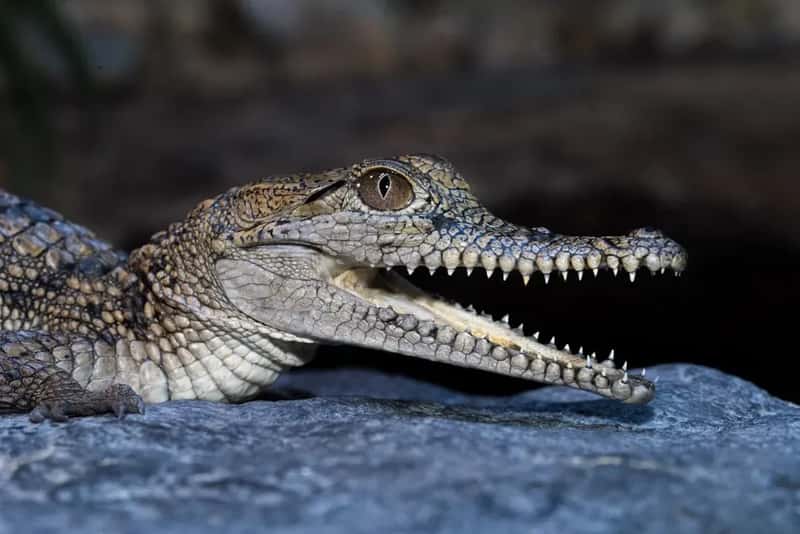
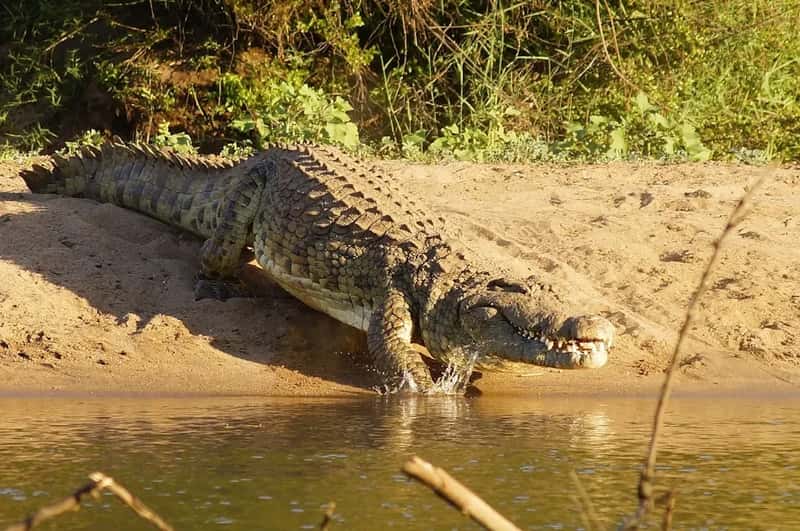
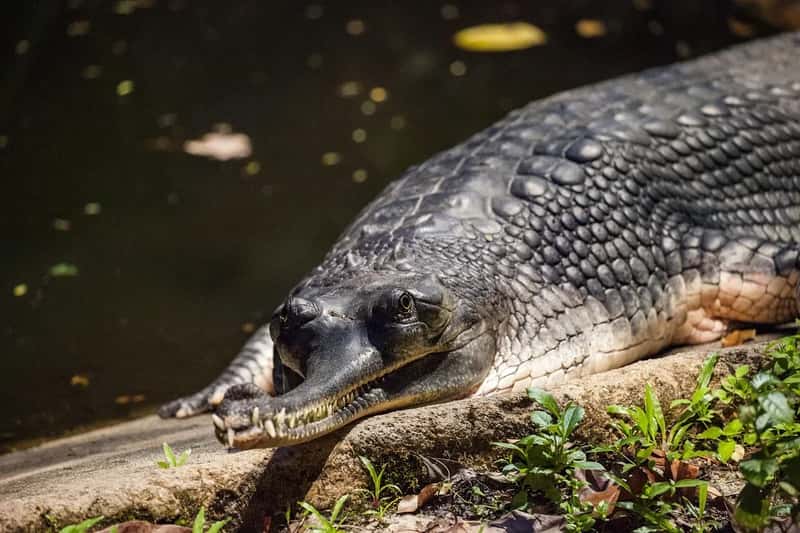
The West African slender-snouted crocodile (Mecistops cataphractus) is a critically endangered crocodilian native to the freshwater habitats of West Africa, characterized by its elongated, slender snout adapted primarily for eating fish – which distinguishes it from broader-snouted relatives like the Nile crocodile. That needle-thin jaw is the first thing field researchers notice. Despite their seemingly inconspicuous presence, slender-snouted crocodiles possess keen senses of sight, smell, and hearing, and their snouts act like tweezers to extract prey from tight spaces and small crevices along the water’s edge.
This medium-sized reptile can reach lengths of up to 4 meters, features dark olive-brown coloring with yellow ventral scales often marked with dark spots, and inhabits slow-moving rivers, forested swamps, lagoons, and occasionally brackish coastal areas within tropical rainforests. The West African slender-snouted crocodile is known for its unmistakable long snout, which lacks any bony ridges – and it is a unique, elusive, and poorly-known crocodilian. Most Americans have never heard its name. That anonymity is part of the problem.
It’s Not Just Endangered – It’s One of the Rarest Animals on the Planet
African slender-snouted crocodiles are the least-known crocodile species on Earth. Estimates suggest that fewer than 500 adult West African slender-snouted crocodiles remain in the wild, making it not only one of the six priority crocodilian species for conservation worldwide but also the most endangered crocodile species on the African continent. For context, there are more giant pandas alive today than there are of these crocodiles. It is considered one of the five rarest crocodylians on Earth.
Mecistops cataphractus has experienced a population decline of nearly 90% across its range due to habitat destruction and hunting. The species is considered possibly extinct in Togo, Nigeria, Senegal, and Benin, where it has not been recorded for over three decades. It appears to have been entirely extirpated from several countries where it was formerly present. The map of where this animal still lives keeps shrinking – and nobody is making headlines about it.
The Hidden Genetic Twist That Makes Things Worse
Recent research has revealed the West African populations of slender-snouted crocodile to be genetically distinct from the Central African populations. The two populations diverged 6 to 8 million years ago – around the same time humans and chimpanzees last shared a common ancestor. That’s not a minor footnote. It means these aren’t just a regional variant of a widespread species. They are their own evolutionary lineage, irreplaceable in a very real biological sense. The West African slender-snouted crocodile is now considered a distinct species awaiting formal description.
This impending split of the two species means both now occur over much smaller areas and may face a considerably greater risk of extinction than previously thought. In other words, what used to look like one species spread across a wide range is actually two isolated populations – each one fragile on its own. The two species diverged about 6.5 to 7.5 million years ago, living in different river drainage zones that were geographically separated by the Cameroon Line. Losing the West African lineage wouldn’t be a setback. It would be a permanent erasure of millions of years of evolution.
The Threat That Lives Right at the Water’s Edge
Most conservation stories blame distant forces – corporations, governments, global supply chains. But here, the most persistent threat is heartbreakingly local. Field research in Ghana established the expansion of vegetable farms, hunting for food, and widespread negative perceptions as the most persistent threats to crocodiles in the Wewe River area. Farmers clearing land right down to the riverbank destroy the nesting sites and forested buffers that this species depends on. Unsustainable farming is directly causing disturbances to the nesting habitats of the West African slender-snouted crocodile.
Nearly all the local people interviewed in one Ghana study – 96% of respondents – perceived crocodiles as harmful to humans and wanted their numbers to decrease. That’s the real wall conservation faces: not just habitat loss, but a community that actively doesn’t want these animals around. The population in Ghana is believed to be experiencing rapid decline due to habitat destruction, illegal hunting, and human-crocodile conflicts. When people and crocodiles are forced to share shrinking slivers of riverine forest, conflict is almost inevitable – and the crocodile always loses.
Bushmeat Markets and the Hunting Pressure No One Talks About
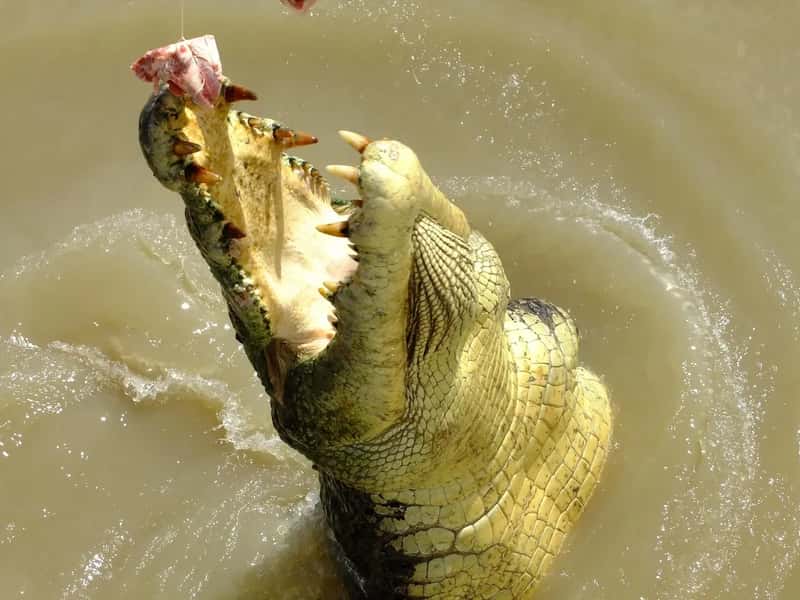
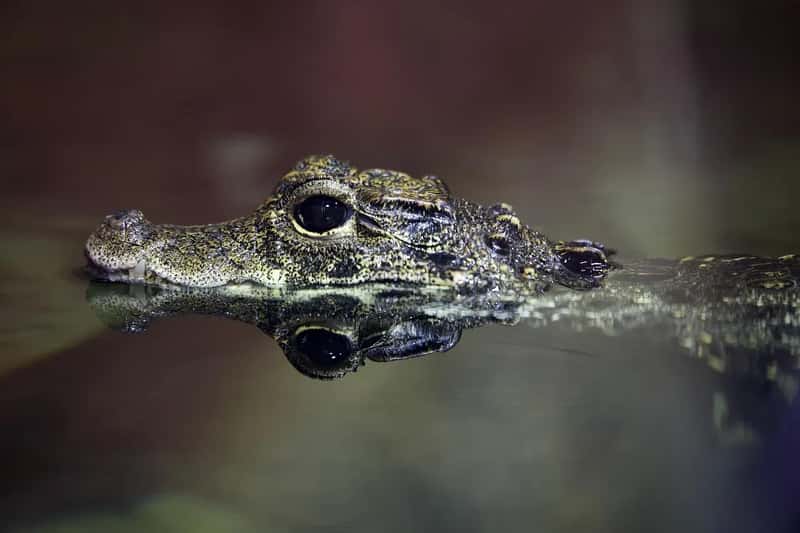
Declining populations are attributed to the loss of habitat, hunting, depletion of prey, and illegal consumption through bushmeat markets. The West African slender-snouted crocodile is a forest species that may be rapidly approaching extinction in West Africa where it is hunted for its meat. Only small numbers still exist in the wild in isolated populations. The bushmeat trade in West Africa is not a small or informal affair. The West African dwarf crocodile – a species that shares habitat with the slender-snouted – is classified as Vulnerable by the IUCN and listed under CITES Appendix I, yet remains increasingly threatened by unregulated trade and habitat degradation.
A 2026 study published in Scientific Reports documented just how embedded this trade has become in local economies. The Ogbe–Ijaw market in Delta State, Nigeria, exemplifies how wildlife-based business activities are deeply embedded in local economies, with crocodile trade contributing significantly to livelihoods despite its ecological cost. Identified threats include poaching, agricultural expansion, and poverty – and between 2022 and 2023, a significant number of crocodiles were recorded dead due to poaching in the region. When food security is low and enforcement is thin, the crocodile becomes protein.
Your Phone Might Actually Be Part of the Problem

Here’s the part of the story that lands close to home. Slender-snouted crocodiles live in an area of Africa that is losing forest habitat for several reasons, including mining for minerals used in electronics. The coltan, gold, and other minerals pulled from West African forests for global electronics markets fund roads being cut deeper into previously inaccessible habitat. Hunters riding logging trucks were able to penetrate into previously inaccessible areas where most species were still plentiful – and roads were also built for mining and oil and gas operations.
Those new roads don’t just bring miners. They bring hunters. Once a stretch of rainforest has a road running through it, bushmeat traders follow. The West African slender-snouted crocodile is under threat from fishing practices, human disturbance, hunting, habitat degradation, and fragmentation across its entire range. The forests where it lives are being cleared at a rate that outpaces conservation action in many countries. The electronics supply chain and the collapse of a rare African crocodile are connected – and that connection almost never appears in the conversation when a new phone gets released.
Protected Areas That Protect Almost Nothing
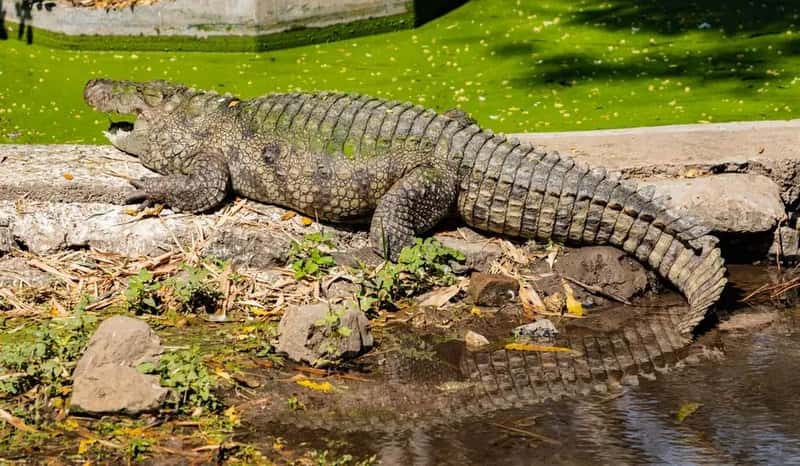
Wildlife preserves have been implemented in Ghana, one of the slender-snouted crocodile’s main habitats, to help protect the species – though these measures have been largely ineffective. That’s the brutal truth about paper protection. Laws exist. Boundaries are drawn on maps. But enforcement in remote river forest is expensive, dangerous, and chronically underfunded. In most countries the management of this species is based on the legal protection of wild populations, but this legislation exists without enforcement even in many protected areas.
One grant program is helping to protect one of the last known significant populations – less than 400 mature individuals – in Ghana’s Techiman-Tanoso range. Four hundred animals. One population. One targeted conservation grant standing between them and local extinction. Data rarely exist on the species in most of the areas where it occurs, which means conservationists are often making decisions blind, without baseline counts or reliable maps of where survivors actually remain. Protecting an animal you can barely find is conservation on hard mode.
The Last Real Hope: Captive Breeding and Communities
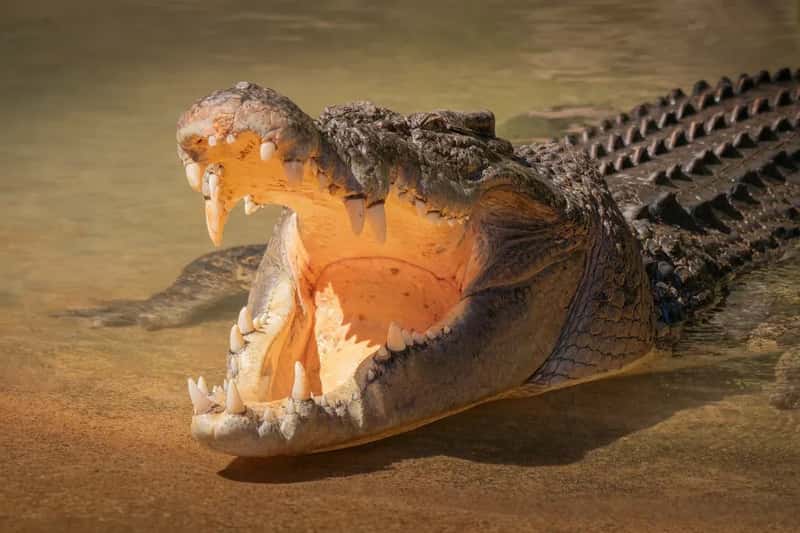
A primary initiative is Project Mecistops, established to coordinate conservation actions across West Africa, including collaboration with the Abidjan National Zoo in Côte d’Ivoire for breeding and reintroduction programs. The zoo maintains the largest captive population of the species, with juveniles raised to 3–4 years before release into protected habitats, enhancing survival rates through head-starting techniques. Head-starting – raising young crocodiles in captivity past their most vulnerable phase – is one of the few tools that actually moves the needle. A 2015 study including 24 captive slender-snouted crocodiles in six U.S. zoos found that all were of West African origin, indicating that captive breeding may be critically important for conservation of this species.
The West African slender-snouted crocodile is a keystone species that helps maintain ecological balance by regulating populations of highly prolific aquatic organisms. Its movements and nesting behaviors create trails, burrows, and depressions that serve as microhabitats for fish, amphibians, and aquatic insects, enhancing habitat complexity and supporting biodiversity within the riparian ecosystem. Lose this crocodile and you don’t just lose a species – you lose an architect of the river ecosystem. Conservation projects are working to reduce habitat degradation through training vegetable farmers in sustainable agriculture practices, raising awareness of the species’ plight, and reducing pollution and human disturbances. Community buy-in, it turns out, may matter more than any law on the books.
Why the Silence Around This Animal Is Itself a Crisis
The West African slender-snouted crocodile is one of the rarest and least studied crocodilians in the world. And that obscurity is a slow death sentence. Animals with strong public profiles attract funding, media attention, and political will. This crocodile has none of those things. The African dwarf and slender-snouted crocodiles are considered the least known crocodilians in the world – yet their ecological role and evolutionary uniqueness rival that of any species currently receiving major conservation attention.
Conservation funding in Africa disproportionately flows toward charismatic megafauna – lions, elephants, gorillas. A critically endangered crocodile in a remote river forest simply doesn’t generate the same donor energy. Project Mecistops strives to overcome the challenges of biodiversity conservation in West and Central Africa to save the least-known crocodile in the world from certain extinction. The people doing this work are fighting hard with limited resources – but awareness is still the missing ingredient. A species that no one knows exists is a species that no one fights to save. And right now, this crocodile is disappearing almost entirely in silence.