Côte d’Ivoire’s tree-climbing crocodile needs to be protected, scientist says – Image for illustrative purposes only (Image credits: Unsplash)
Taï National Park in Côte d’Ivoire holds one of the last strongholds for a crocodile species few people have heard of. The West African slender-snouted crocodile has developed an unusual habit of climbing onto trees and rocks that rise above the water. This adaptation helps the animal thrive in the shaded, humid conditions of the remaining Upper Guinean Forest. Environmental scientist Christine Kouman has spent more than a decade studying the species in its native habitat and now works to raise its profile before more forest disappears.
A Gentle Hunter in the Rainforest
The slender-snouted crocodile feeds almost entirely on fish. Field observations over ten years have not recorded any attacks on people, which sets the species apart from many of its larger relatives. Kouman has handled numerous individuals during research and reports no injuries to herself or her team. The animal’s calm nature and specialized diet make it an unlikely threat to local communities that live near the rivers.
Its tree-climbing behavior appears tied directly to the rainforest setting. Instead of sprawling on open banks like other crocodiles, this species uses protruding branches and rocks for basking. The habit keeps the reptiles within the cooler, shaded sections of the river system where they hunt.
Years of Fieldwork Reveal New Details
Kouman co-founded the conservation group EBURCO to focus attention on overlooked species and habitats. Her long-term monitoring in Taï National Park has produced basic information on distribution and behavior that was previously missing. The work receives support through Project Mecistops at Florida International University. Night surveys along the Hana River remain a central part of the research, even though the trips involve long hours in difficult conditions.
Because the species stays mostly hidden and occupies remote stretches of forest river, basic population numbers are still uncertain. Continued monitoring is needed to understand how many individuals remain and how they respond to changes in water levels or forest cover.
Protecting the Last Strongholds
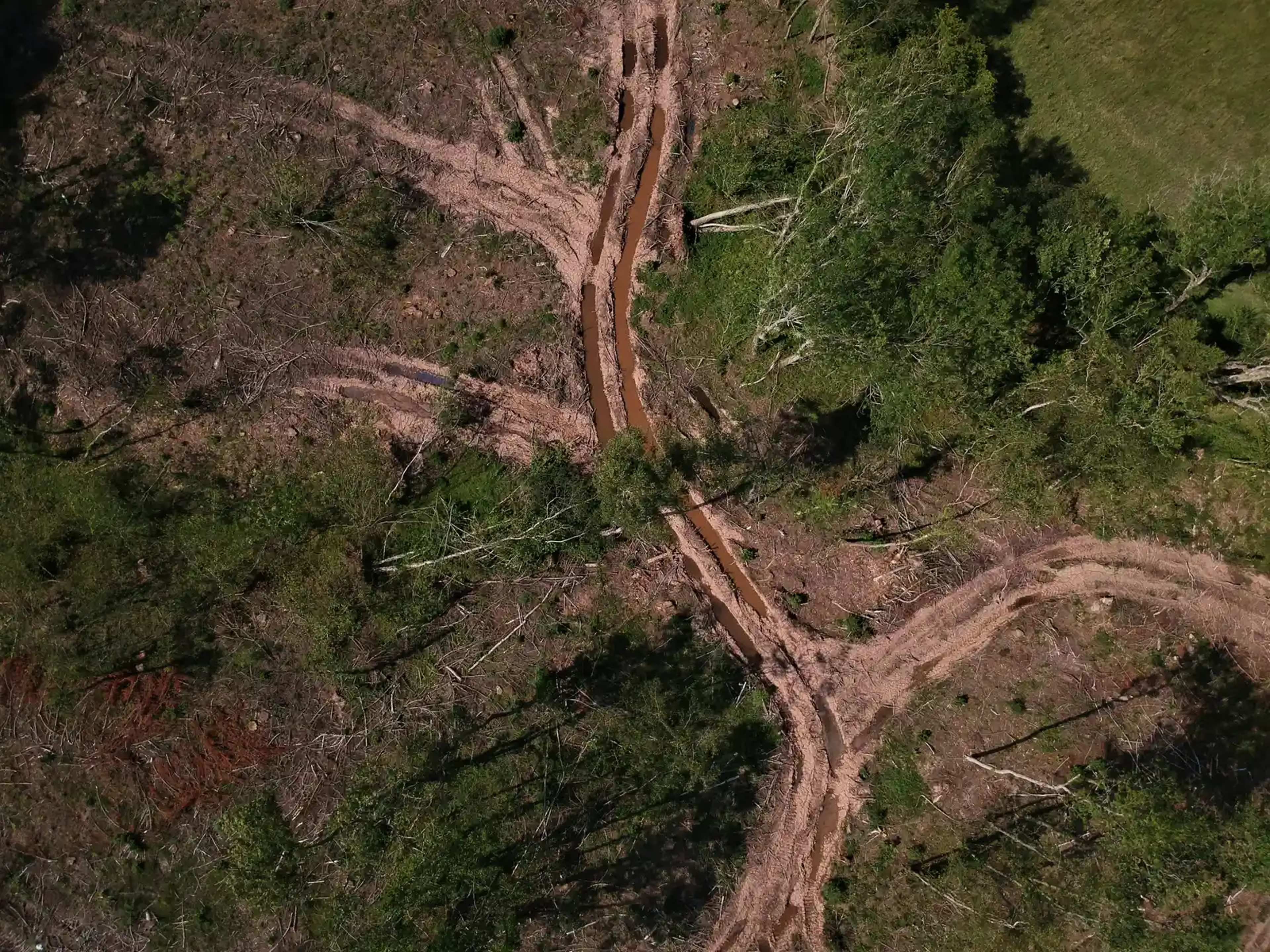
Taï National Park serves as a critical refuge, yet surrounding forest loss continues to shrink suitable habitat. Kouman and her colleagues collaborate with park authorities to improve protection and raise awareness of the crocodile’s presence. The goal is to prevent the species from slipping further into obscurity while its range contracts.
Local engagement forms a key part of the strategy. When communities understand that the crocodile poses little risk and depends on healthy rivers, support for conservation measures tends to grow. Education efforts therefore focus on the animal’s role in the ecosystem rather than on dramatic rescue stories.
What Remains Unknown
Researchers still lack detailed data on breeding sites, growth rates, and exact population trends. The species’ preference for dense forest makes systematic surveys challenging and expensive. Any future changes in rainfall patterns or river flow could affect the limited basking sites the crocodiles rely on.
Conservation work therefore proceeds with measured expectations. Steady, long-term observation combined with habitat protection offers the clearest path forward, even if dramatic population recoveries are not yet on the horizon.