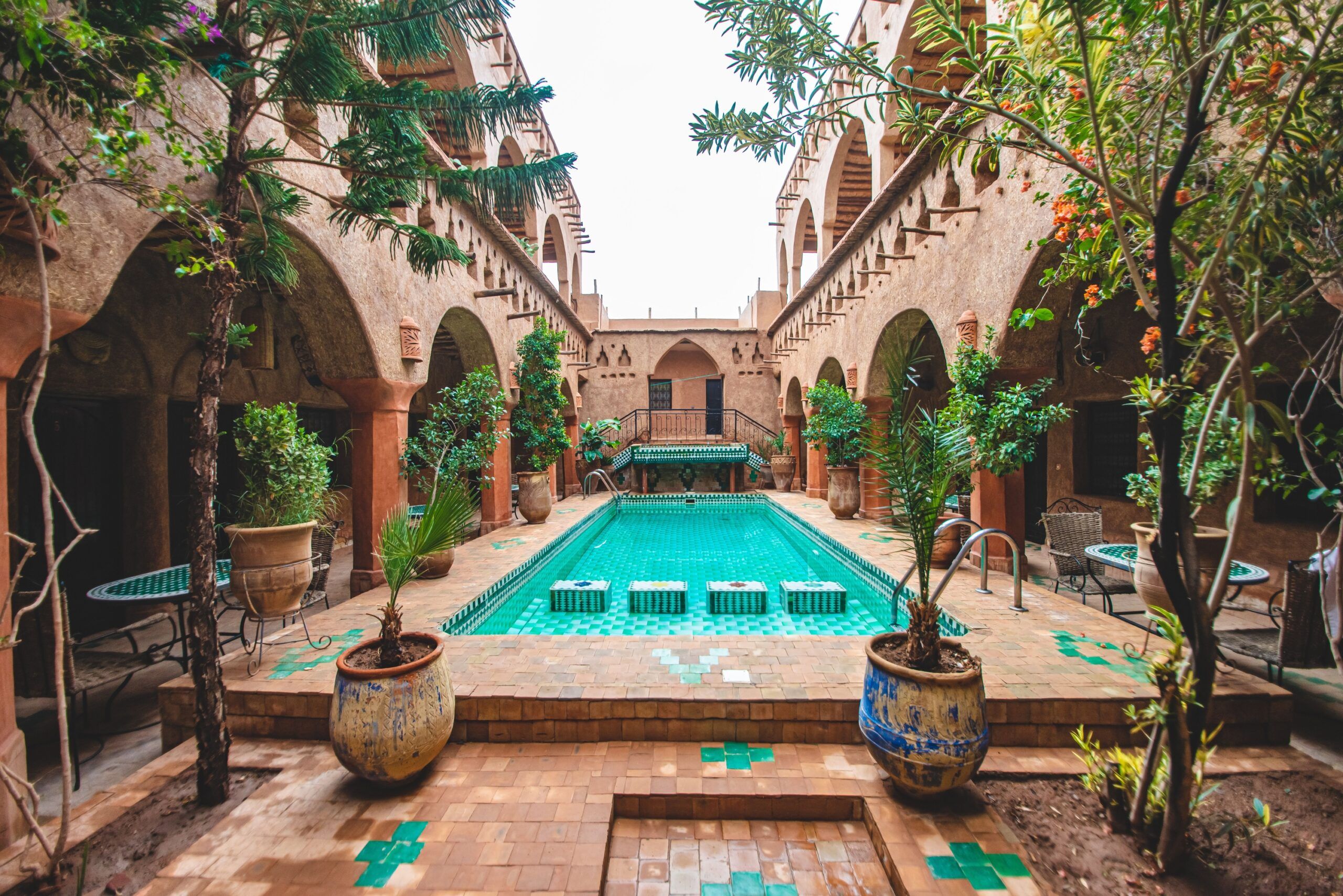
Morocco has a way of rewriting your expectations before your bags are even unpacked. Photos of blue alleys, lantern-lit markets and desert dunes set up a picture, and the reality is busier, more organized and more layered than that.
What follows are the practical lessons a first visit tends to teach, backed by recent figures and travel guidance from 2025 and 2026. Some are about logistics, some are about etiquette, and a few are simply about adjusting your pace.
Morocco Is Far More Popular Than Its Reputation Suggests
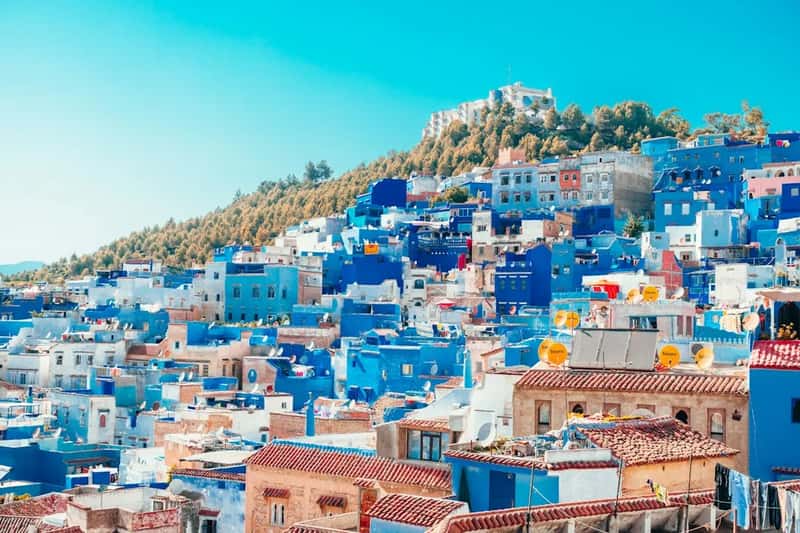
The country isn’t a hidden secret anymore. Morocco recorded a record 19.8 million tourist arrivals in 2025, up 14% on 2024 and above the government’s 18 million target.[1] That means it grew by roughly one seventh in a single year.
The momentum hasn’t stopped. Morocco welcomed 4.3 million tourists in the first quarter of 2026, a 7% increase on the same period in 2025.[1] For a first timer, the practical takeaway is that popular sites and trains can be crowded, so booking ahead is sensible.
Entry Rules Are Simple for Many, but Not for Everyone
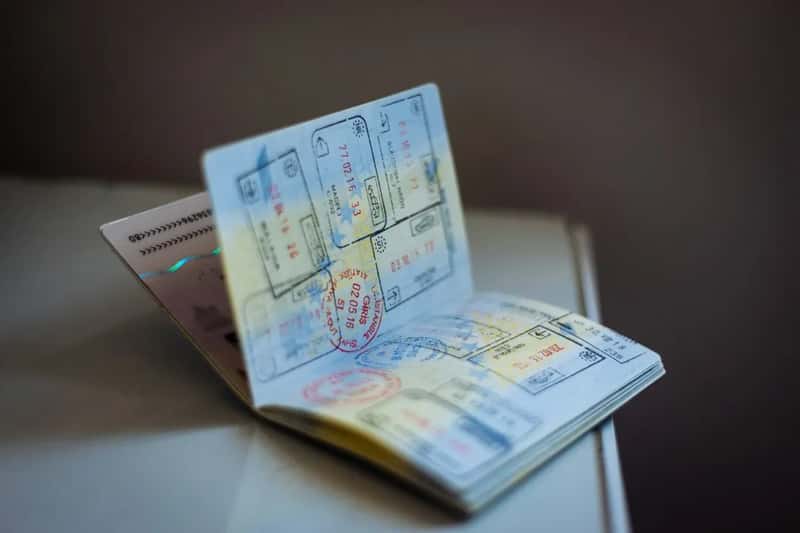
For a large share of travelers, getting in is easy. Morocco is visa-free for 90 days for citizens of the EU, UK, US, Canada, Australia and many other countries.[2] You’ll generally need a passport valid for your whole stay, though some sources recommend a longer buffer for peace of mind.
That said, the rules aren’t universal. Entry requirements depend on your nationality, the passport you hold, where you legally reside, and the purpose of your trip.[3] Checking Morocco’s official channels before you fly is the safest habit, especially if you’re traveling with a mixed-nationality group.
Cash Still Runs Most Everyday Life
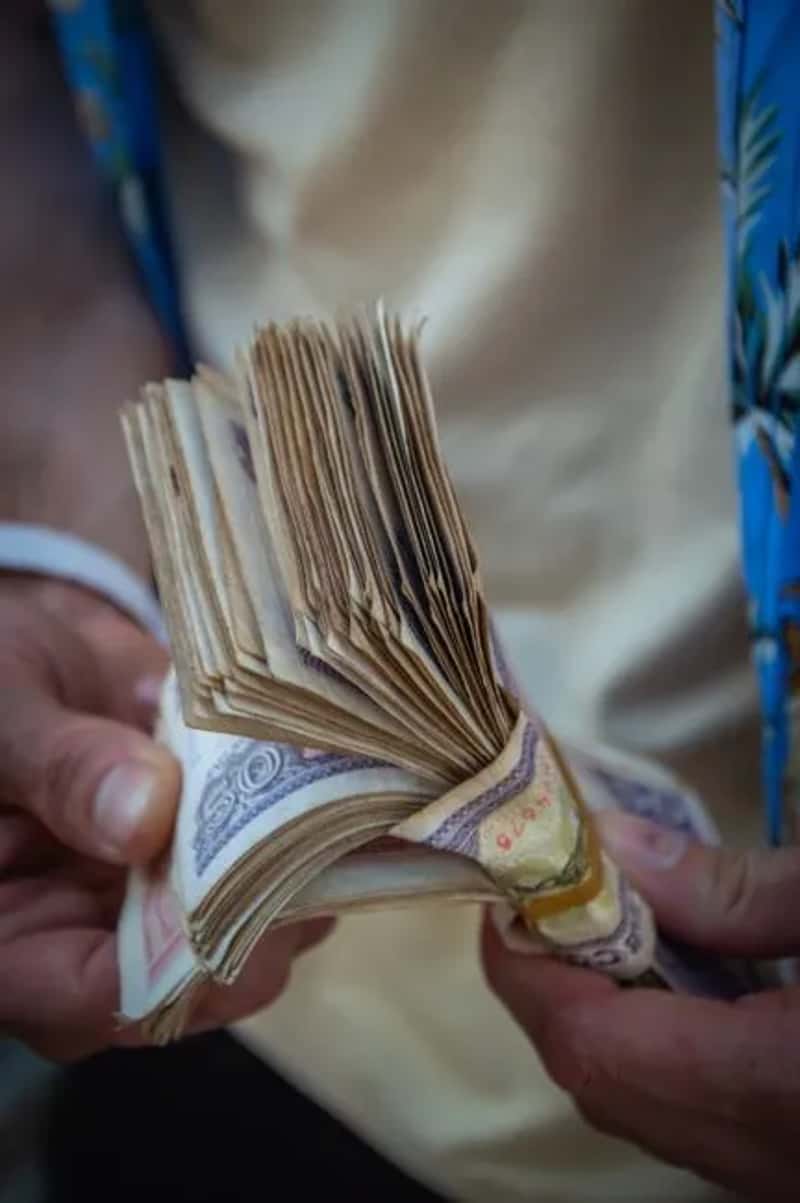
Cards work in some places and not in others. Credit cards are accepted in hotels, some restaurants, and modern shops, but the medina souks, food stalls, and transport are cash-only.[4] Plan on withdrawing dirhams rather than hoping to pay by tap.
A few habits make it smoother. Guides suggest using ATMs from major banks in busy, well-lit spots, and always choosing to be charged in Moroccan dirhams rather than your home currency.[5] Small notes matter too, since they make market purchases cleaner and help you avoid awkward change situations.
Haggling Is a Normal Part of Shopping
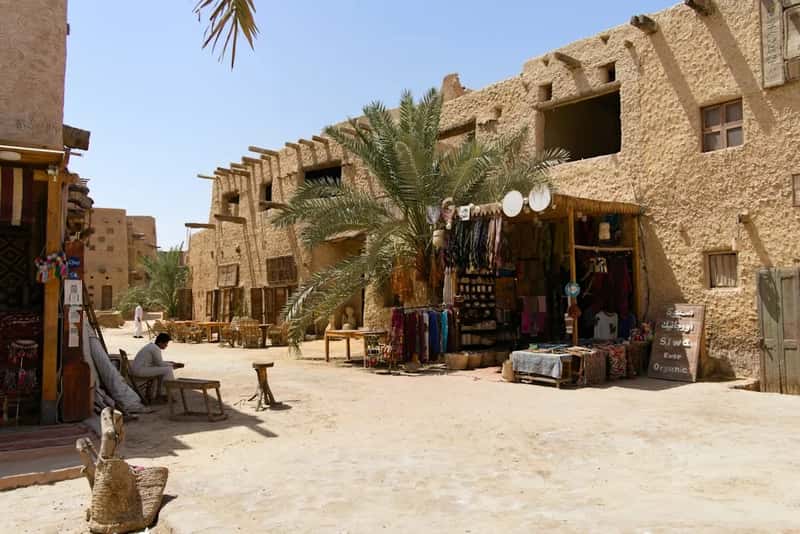
Walk into a souk and the first price you hear is rarely the real one. Pricing can seem opaque to visitors, and the opening quote often bears little relationship to a fair market price.[4] It helps to check what similar items cost before you head into the medina.
Taxis follow a similar logic. Some travel sources advise insisting on the meter or using ride apps, since a driver claiming a broken meter and quoting an inflated fare is a widely reported scam.[6] Staying calm and friendly usually works better than turning a negotiation into a standoff.
Free Directions Rarely Turn Out to Be Free
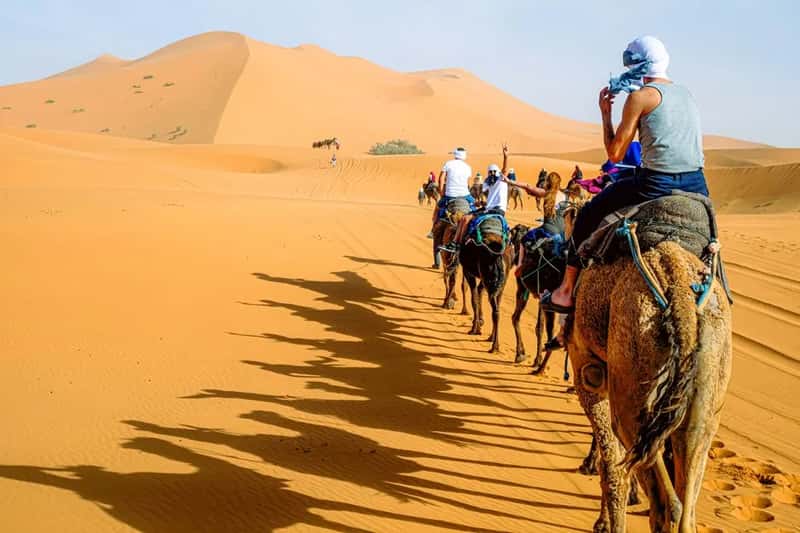
Medina lanes are confusing, and that’s where unsolicited helpers appear. A friendly passerby may offer to show you to your hotel but end up steering you toward an argan oil cooperative or a carpet shop.[7] Such helpers can earn a commission on whatever you buy, so a polite refusal is often the easiest route.
There are better options. Downloading an offline map before arrival removes most of the need to ask anyone. If you want company, real guides carry official ID cards from the Moroccan government[8], and one 2026 guide puts a licensed half day tour at between 200 and 350 dirhams.
The Trains Are Better Than You Might Expect
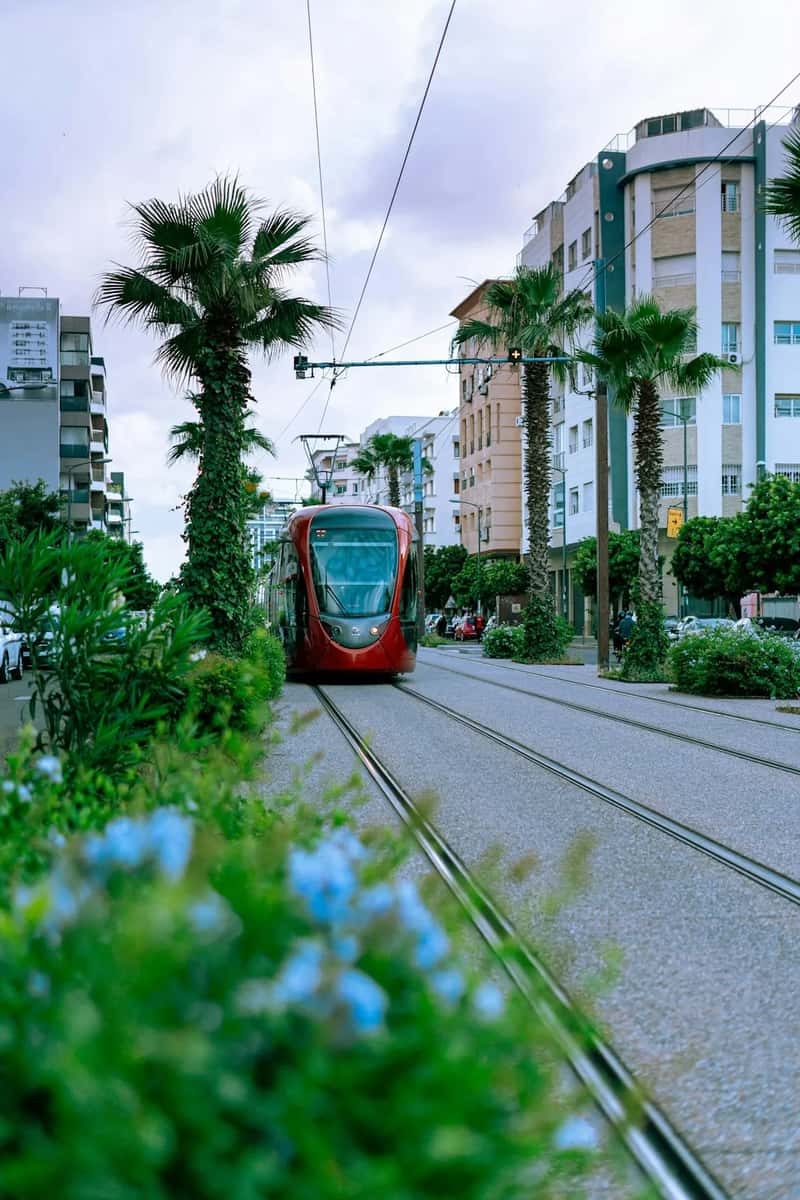
Rail is one of Morocco’s quiet strengths. Al Boraq is the first high speed rail service on the African continent.[9] It opened in November 2018 and connects Tangier with Casablanca, with a ridership listed at more than 5.5 million in 2024.
The network is still growing. Construction on the extension toward Marrakech was formally launched on 24 April 2025.[10] Completion is aimed for before the end of 2029, so for now, you’ll reach Marrakech on conventional services, and weekend and holiday trains can fill up quickly.
Where You Sleep Shapes the Whole Trip
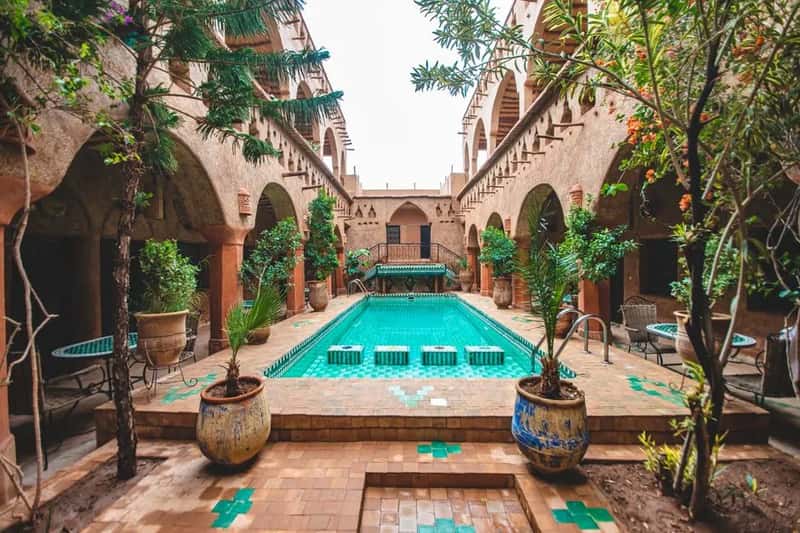
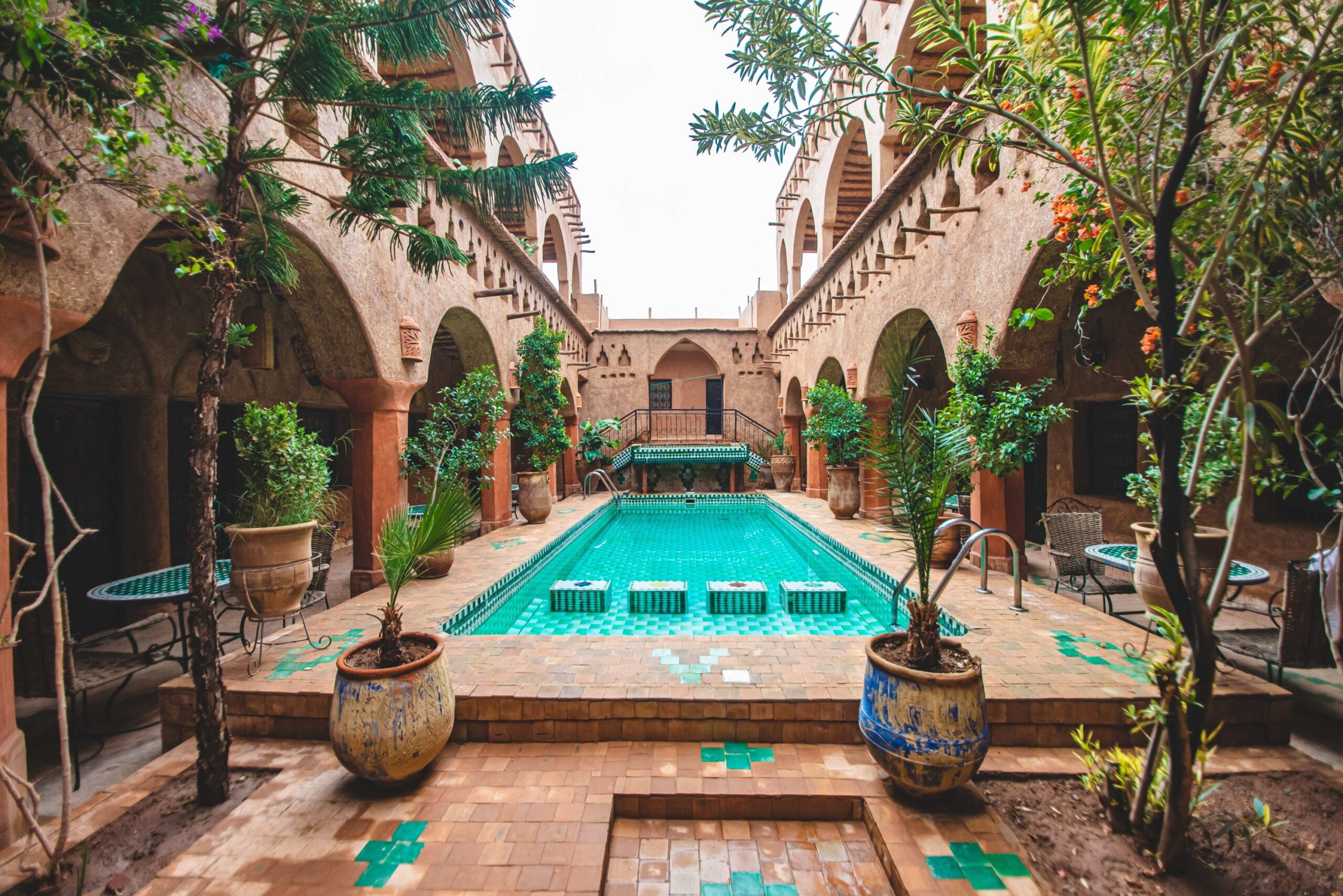
Riads, the traditional courtyard houses inside old medinas, are a big part of the experience. Budget riads run roughly forty to seventy dollars, while luxury ones with plunge pools and rooftop terraces can reach between one hundred fifty and four hundred.[11] Those are guide estimates, so prices will vary by city and season.
One practical lesson is to save the exact location from your confirmation email, because Google Maps can struggle with the tiny alleyways.[11] Also, if someone near the entrance says your riad is closed or flooded, call the property directly. That claim is often a way to steer you to a different hotel that pays a finder’s fee.[11]
Dress and Manners Go a Long Way
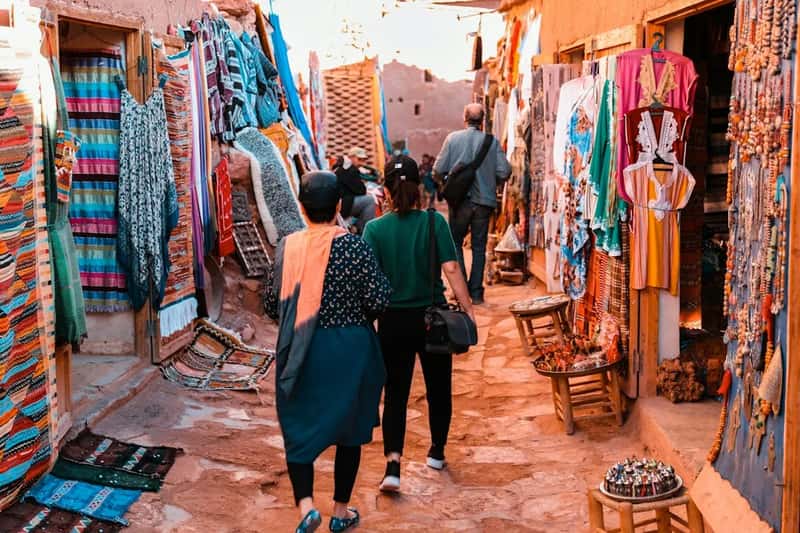
Morocco is welcoming, and small gestures are noticed. Local guidance encourages travelers to dress modestly, especially in medinas and rural areas, greet people politely, learn a few words of Darija, and ask before photographing people.[5] None of this is complicated, though it does change how interactions feel.
It also puts the scam warnings in perspective. Most guides stress that hustlers are a minority, and the same source notes that for every tout you encounter, you’ll meet dozens of kind, generous Moroccans.[5] A firm, friendly no is usually all that’s needed.
Eat Where the Locals Eat
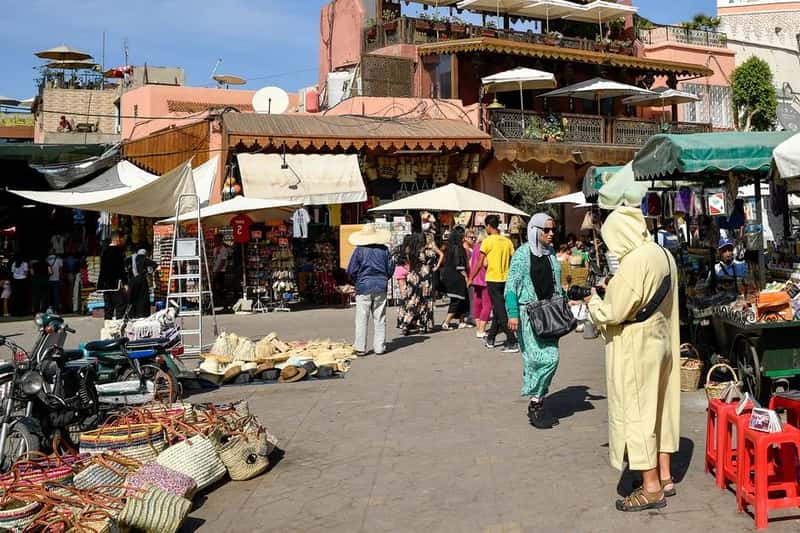
Food in Morocco is more than tagine. Travel guides point out the “snack” shops found in every city, selling rotisserie chicken, lentils, or sandwiches[11], which are handy and inexpensive. They’re a useful reminder that not every meal has to be a sit down affair.
In Marrakech, the open air stalls on Jemaa el-Fnaa are a highlight. One local guide says the food stalls there are safe and delicious if you choose busy ones.[5] Asking your riad host for their own favorites is another reliable way to find good meals.
A Practical Way to Plan the Next Visit
Morocco is preparing for even more visitors. The country targets 26 million tourists by 2030 as it prepares to host the FIFA World Cup with Spain and Portugal.[1] That suggests more flights, more trains and more crowds in the years ahead.
For a first trip, the plan is simple: confirm your entry rules, carry dirhams in small notes, agree on prices before you accept a service, and book popular trains and riads early. With those basics covered, the rest of the trip mostly takes care of itself.