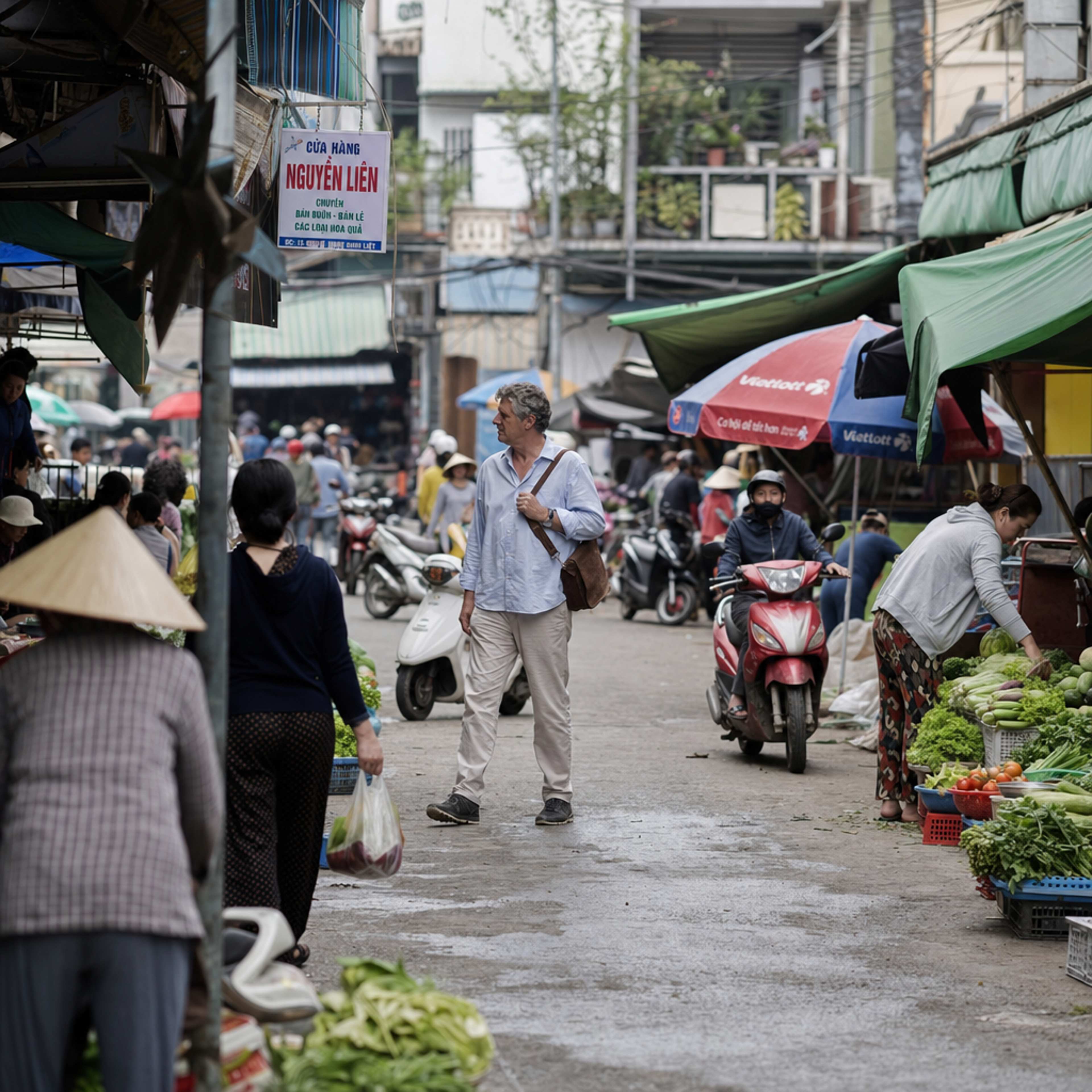

When people think about living in Vietnam, they usually picture three things: sun, Pho, and motorbikes. And for the most part, they’d be right. But what is it actually like to live here with a Vietnamese family, tucked away from the neon lights of the tourist districts?
I’ve lived in Vietnam for over three years now, though I’ve been coming and going since 2017. I remember sitting on the plane back to Ireland after my first trip, just knowing deep down that this was where I wanted to be. There is something about the “organized chaos” here that I love. No matter where you are, something is always happening. You see friends playing mahjong on the street before work, dogs running through the parks at night, and food stalls tucked into every available square inch of pavement. While there is always a bit of bickering in a place with so little personal space, there is a communal feel here that I haven’t experienced anywhere else.
The Morning Routine
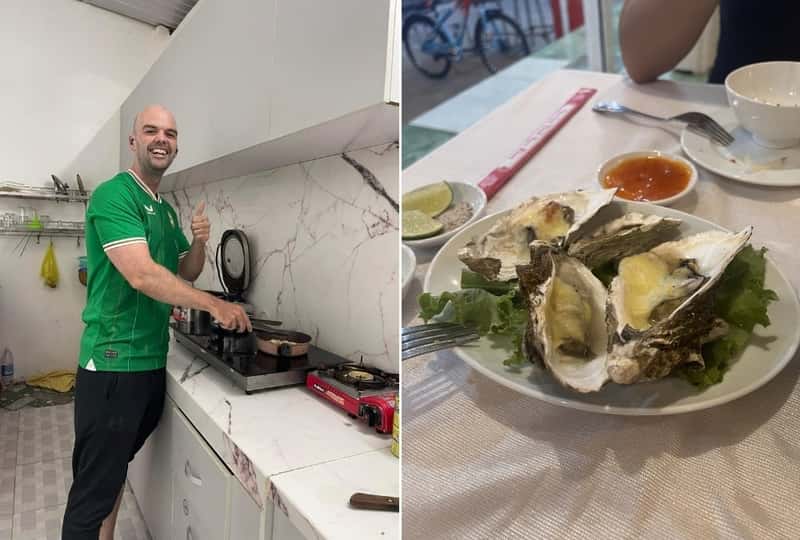
I’m fortunate enough to work from my laptop, which theoretically means I can wake up whenever I want. However, Vietnam has its own way of making sure you’re up early. Between 7:00 and 8:00 AM, the roar of commuting motorbikes acts as a collective alarm clock. Depending on your neighbourhood, you might be woken up even earlier by a neighbour’s rooster.
Currently, I’m on a strict diet for my upcoming wedding, so I’ve traded my usual breakfast for a morning session on the treadmill. I’m writing these very words while walking on an empty stomach. Back in Ireland, my “gym breakfast” would be bananas, tuna, and eggs; now, I just watch my wife escape to her nephew’s room to keep sleeping after he heads to school at 6:30 AM. By 9:00 AM, she’s up and ordering our morning coffee—a Bac Xiu (no condensed milk for me, unfortunately) and a rotating list of milk coffees or banh mi for herself. I spend that hour staring out from my balcony, watching the street wake up while I get my miles in.
Midday Workouts and Siestas

By noon, it’s time for a break and my first meal of the day. We usually catch an hour of Netflix before a final hour of work, leading into the gym session. Gym culture here follows the rhythm of the sun; most local gyms take a “siesta” break, closing from 11:00 AM to 2:00 PM.
These aren’t your typical air-conditioned commercial gyms. They are open-air spaces with a few industrial fans fighting a losing battle against the humidity. Because they are open to the street, the floor is usually covered in a fine layer of construction dust and exhaust soot. If you choose to train barefoot, your feet will be black by the end of the session, but there’s something rewarding about training in 35°C heat. Afterwards, it’s a quick shower and a few more hours of work before dinner.
Evening Rituals and the “Functional” Dog

When evening rolls in, the laptops shut down, but the “work” doesn’t stop. Because of strict public space rules regarding dogs, the only time you can really walk them at the park is late at night, once the security has gone home.
We currently live at my wife’s parents’ house in Saigon, having moved out of our place in Di An to save for the wedding. The dogs belong to my father-in-law. Like many of the older generation in Vietnam, he sees dogs as functional—essentially living doorbells—rather than indoor pets. When I first arrived, they barked at me incessantly. Now, after enough snacks and walks, they’ve finally warmed up to me.
Since they weren’t used to leashes or motorbikes, I had to buy a cage for the bigger dog and train the smaller one to sit on the front of the scooter. It’s a funny sight for locals; most people here just let their dogs balance on their laps, but I’m not willing to take that risk. When we aren’t with the dogs, we’re with the kids. In Vietnam, family is everything—cousins, nephews, and nieces are treated as your own. We spend many evenings at indoor playgrounds or arcades, watching the kids “burn” our money in exchange for tickets and plastic toys they’ll likely never use.
The Logistics of Staying

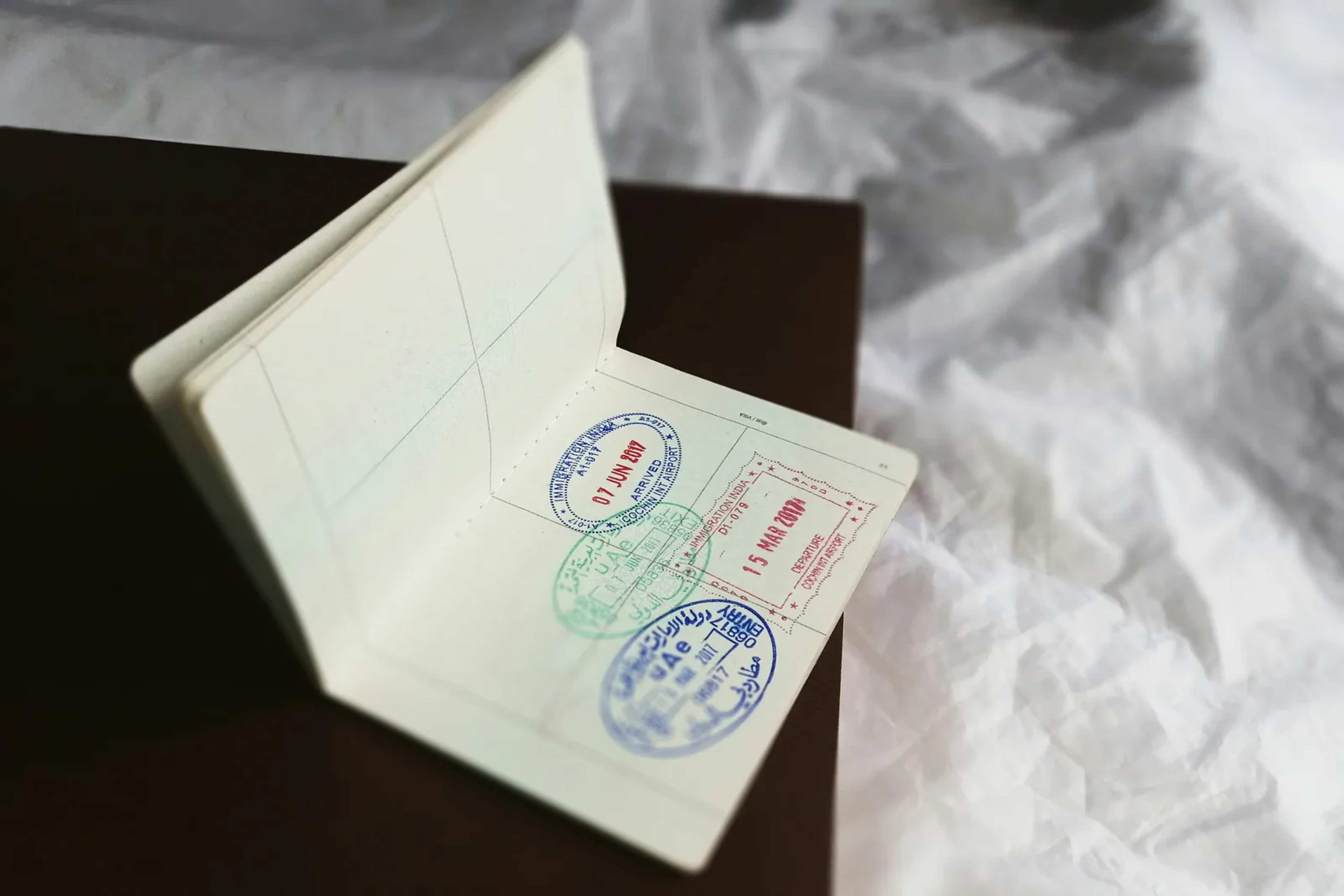
Because we aren’t married by law yet, I still operate on a 3-month tourist visa. This means every 90 days, I have to leave the country to renew it. I used to take the bus to Cambodia, but after being questioned by authorities about my frequent trips to a specific port—likely a crackdown on fake call centres and trafficking—I decided it was safer (and more comfortable) to just fly to Thailand for my “visa runs” from now on.
Conclusion: The Beauty of the Chaos

Living here isn’t always easy. There are the humid afternoons, the soot-covered gym floors, and the constant logistical dance of visas and paperwork. But when I look out at the “organized chaos” from my balcony, I realise that the very things that make Vietnam challenging are the things that make it feel alive.
It’s a place where life happens in the open. Whether it’s a family meal shared on a tiny plastic stool or the sound of gibbons in the distance during a weekend trip to Cat Tien, Vietnam, offers a sense of belonging that feels earned. I came here for the sun and the food, but I’ve stayed for the family, the community, and the beautiful, messy reality of a life built three motorbikes at a time. It’s been three years, and I still wouldn’t want to be anywhere else.