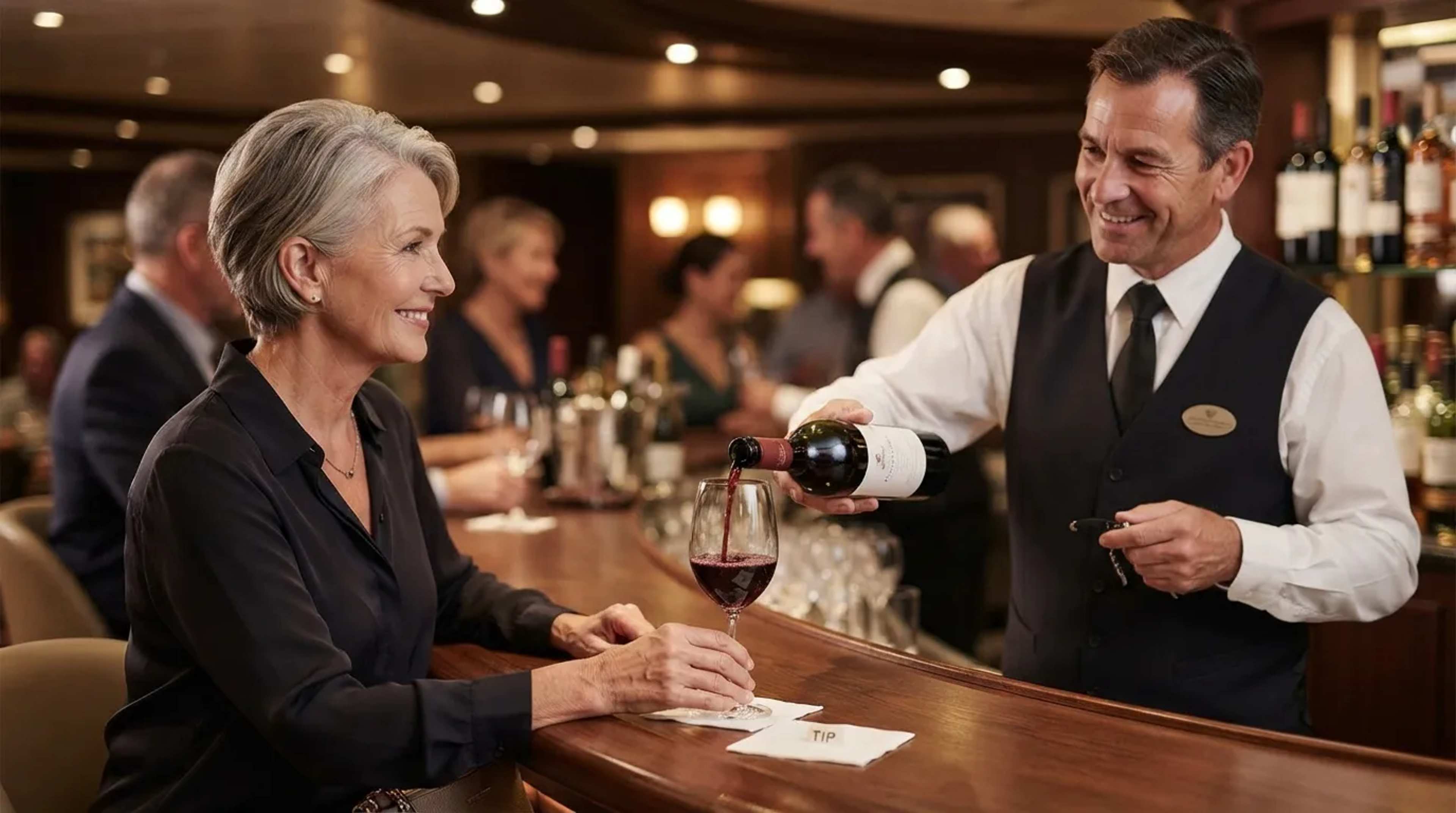
Every year, thousands of Americans pack up their lives and head south, drawn by postcard beaches, a lower cost of living, and the promise of an easier pace. Roughly 120,000 Americans now call Costa Rica home, many of them retirees chasing that same dream. But behind the glossy relocation blogs and Facebook groups, there’s a quieter conversation happening among Costa Ricans themselves, one that rarely makes it into the marketing materials.
Locals in San José, Escazú, Nosara, and dozens of smaller towns have watched the wave of retirees grow year after year. Many welcome the newcomers warmly. Still, there are things they wish more Americans understood before, and after, making the move.
Pura vida is a philosophy, not a marketing slogan
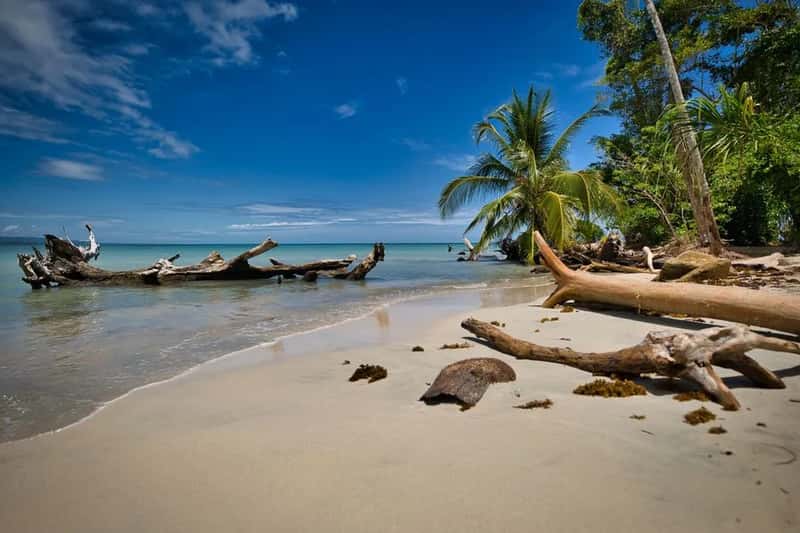
Americans often arrive with “pura vida” printed on t-shirts and coffee mugs, treating it like a cute regional greeting. For Costa Ricans, it’s closer to a worldview, a way of accepting life’s ups and downs without letting stress take over. It shows up in how people handle delays, disappointments, and even good news, always with a shrug and a smile rather than urgency.
Locals notice quickly when a retiree uses the phrase casually while still expecting fast service, quick fixes, and American-style efficiency everywhere else. The mismatch feels a little hollow to people who grew up with the concept as part of daily life. Understanding pura vida means slowing down internally, not just repeating the words while rushing through the rest of your day.
Learning Spanish matters more than most retirees expect
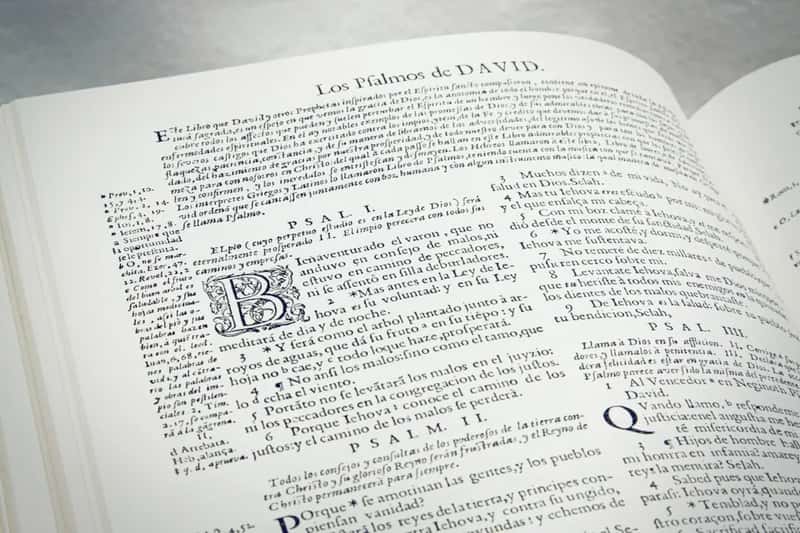
Only a small share of the population speaks English fluently. While English is more common in cities and areas popular among tourists and expats, only about 8.2% of Costa Ricans are proficient in it. That means most day to day interactions, from the pharmacy to the municipal office, happen entirely in Spanish.
Locals appreciate the effort even when it’s imperfect. Language barrier: While English is more common in cities and areas popular among tourists and expats, only about 8.2% of Costa Ricans are proficient in it. Daily life is much easier for those who speak at least some Spanish. What frustrates many Ticos isn’t broken grammar. It’s retirees who make no attempt at all and expect everyone else to adapt to them.
The cost of living has climbed, and the old numbers don’t hold up

Older retirement blogs still circulate figures suggesting a couple can live comfortably on fifteen hundred dollars a month. Locals in beach towns and the Central Valley watch prices rise while newcomers arrive expecting those outdated numbers to still apply. Costa Rica’s affordability used to attract retirees and remote workers, but that appeal is quickly fading. Housing, groceries, and healthcare have all become significantly more expensive, with some cities now rivaling U.S. prices. Import taxes drive up costs for everything from cars to electronics, making everyday living far from budget-friendly.
A more realistic modest budget runs closer to nine hundred dollars a month before rent per person, according to cost of living data. A modest lifestyle costs about 893 USD monthly before rent per person, with upscale areas costing much more. Locals often say the frustration isn’t that Costa Rica became expensive. It’s that some retirees never adjusted their expectations to match the current reality.
Government paperwork will test everyone’s patience equally

Costa Rican bureaucracy is not designed around speed, and that applies to citizens just as much as foreigners. The Costa Rican government can be slow and complex. Whether it’s getting permanent resident status, applying for a retirement visa, or setting up utilities, the process requires patience and paperwork, often with the help of a local attorney. Locals grow tired of hearing retirees complain about delays as if the system were built specifically to inconvenience Americans.
The same slow pace applies to property matters too. One veteran retiree family described waiting sixteen months for a routine municipal plot plan that was originally supposed to take about three. An example is that we have waited for a property issue to get a plot plan on record at the municipality for 16 months. It was supposed to take around 3 months. Locals wish Americans would treat these delays as a normal feature of the system rather than a personal insult.
The healthcare system has two very different sides

Costa Rica’s public healthcare system, known as the Caja, is genuinely a source of national pride, but it operates on its own timeline. Expats on a retirement visa must join Costa Rica’s public healthcare system (CCSS), contributing 9-11% of their reported monthly income. Wait times for specialists and elective procedures can stretch on, which pushes many retirees toward private care for anything beyond routine visits.
Private hospitals in San José, including internationally accredited facilities, offer far quicker access for those willing to pay out of pocket or carry supplemental insurance. Locals who rely mainly on the public system sometimes feel a quiet frustration when retirees complain loudly about Caja delays while having the financial cushion to simply pay their way around the problem. The system was built for a population with very different average incomes and expectations than a retired American on a fixed pension.
Not every town wants to become the next Tamarindo
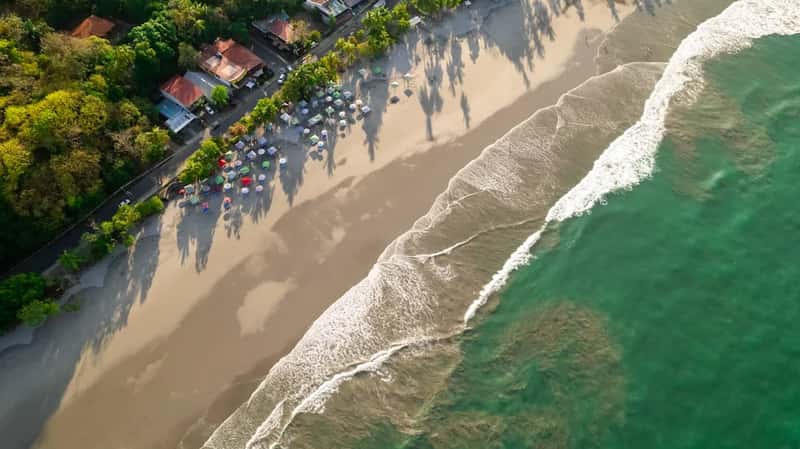
Coastal towns that were once quiet fishing villages have transformed rapidly as expat interest surged. As tourism booms, once-quiet areas like Tamarindo and Nosara have become crowded and commercialized. Longtime residents in these areas have mixed feelings, grateful for the economic boost but uneasy about what’s been lost along the way.
Rising demand for housing near the coast has pushed rents and property values higher, squeezing out families who lived there for generations. Rising demand has driven up housing costs and strained local resources. Some long-term expats now feel Costa Rica caters more to short-term visitors than residents. Locals in smaller inland towns often hope retirees looking for a quieter alternative will remember why that quiet exists in the first place, and won’t simply recreate the same commercial pressure elsewhere.
Relationships take time and can’t be rushed with money
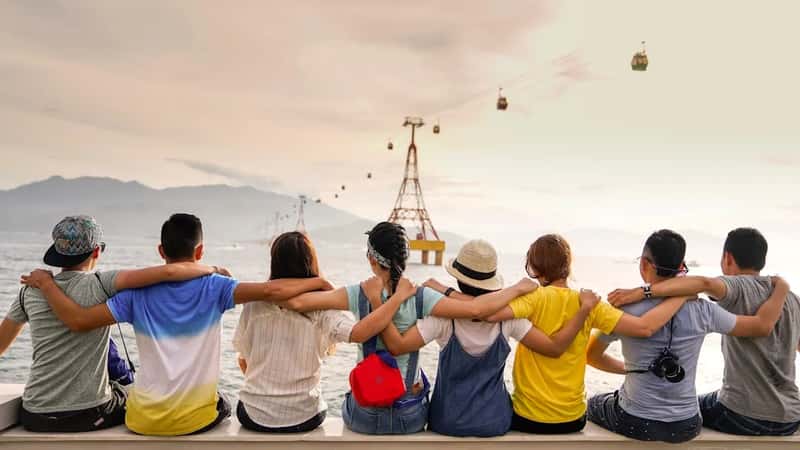
Many retirees arrive expecting to build a full social circle within a few months, the way things might work in a planned retirement community back home. Locals describe friendship in Costa Rica as something that develops gradually, through repeated small interactions rather than a single grand gesture. Some Americans struggle to integrate with local communities or find the slower pace frustrating after years of fast-paced living. While many locals are friendly, relationships often take time to build.
Retirees who lean entirely on expat social circles, useful as they can be for practical support, sometimes miss the deeper connections that come from genuine integration. Befriending other retirees can genuinely help with logistics and paperwork, but locals notice when it becomes a substitute for ever engaging with the community around them. A little patience with the social pace pays off far more than trying to speed it up with generosity or persistence alone.
Environmental respect isn’t optional here

Costa Rica has built its global identity around conservation, protecting an outsized share of biodiversity relative to its small size. Locals take this seriously in ways that go beyond recycling bins, from water conservation habits to strict rules around building near protected coastlines and forests. Retirees who treat environmental regulations as bureaucratic obstacles rather than shared values tend to draw quiet disapproval from neighbors who grew up understanding the tradeoffs involved.
Water shortages during dry seasons affect entire communities, not just individual properties, and locals notice when newcomers water lawns or fill pools without a thought for shared resources. The same goes for wildlife, since building too close to habitats or feeding animals casually can cause real ecological problems. Respecting these unwritten rules matters just as much as following the official ones on paper.
Retirees aren’t automatically owed special treatment

The Pensionado visa itself only requires proof of a lifetime pension of at least one thousand dollars a month, one of the more accessible thresholds among popular retirement destinations worldwide. Costa Rica’s Pensionado visa still only requires $1,000/month in pension income, one of the lowest financial requirements in the world for retirees. That accessibility has occasionally created an expectation among some retirees that residency itself entitles them to priority service or exceptions to local rules.
Locals point out that residency grants legal rights, such as banking access and healthcare enrollment, but not social status above citizens. Pensionado residents are entitled to legally reside in Costa Rica, enroll in the public healthcare system (CCSS), open bank accounts, acquire and dispose of assets and have their foreign driver’s license officially recognized. Being a guest with legal standing is different from being entitled to jump the line at the municipal office or expect government workers to switch to English on request.
Trust and community standing are earned slowly, never bought

Some retirees assume that money alone can smooth every interaction, whether it’s a business partnership, a rental negotiation, or a neighborhood dispute. Locals see this pattern often enough that it has become a quiet source of tension, especially in smaller towns where reputation matters more than net worth. A retiree who treats every transaction as purely financial misses the relational fabric that holds Costa Rican communities together.
The retirees who tend to be embraced most warmly are the ones who show up consistently, participate in local events, and ask questions instead of offering unsolicited comparisons to how things work back home. Trust builds through small, repeated gestures rather than grand ones. Locals notice the difference, and over years it shapes who gets treated as a genuine neighbor versus who remains, permanently, a visitor with a longer visa.
Final thoughts
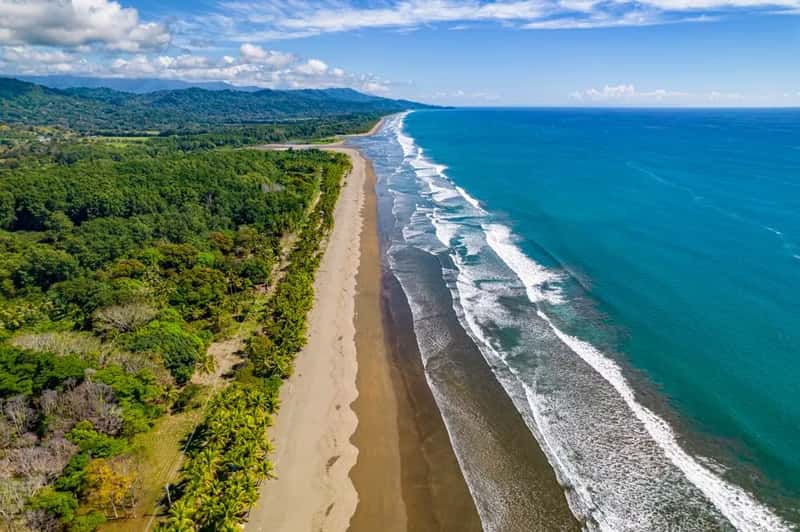
None of this means Americans aren’t welcome in Costa Rica. Most locals genuinely appreciate the economic contribution retirees bring and take real pride in sharing their country with newcomers who show up with curiosity and humility. The friction, where it exists, tends to come from a narrower gap than people assume: a willingness to adjust expectations rather than expecting the country to adjust around them.Retiring abroad was never going to feel exactly like home, and Costa Rica never promised it would. The retirees who thrive longest seem to be the ones who stopped comparing and started paying attention. That shift, small as it sounds, tends to make all the difference.