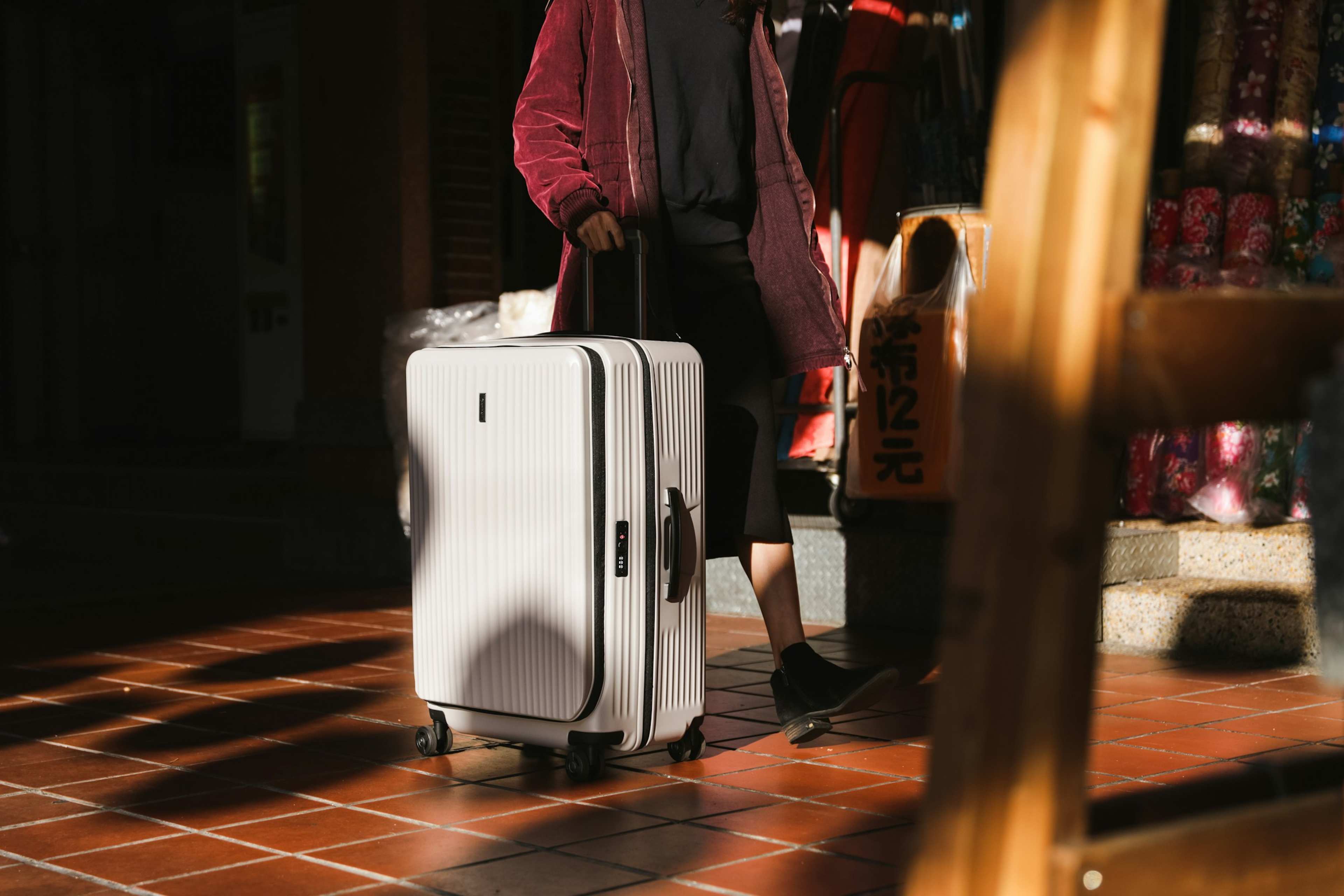
You probably spend hours agonizing over what to pack in your suitcase. New outfits for the beach, smart clothes for dinners out. Yet somehow, the most important outfit of the trip – the one you actually wear through the airport and onto the plane – gets almost zero thought. That one deserves more attention than you think.
What you wear on travel day affects how quickly you get through security, how comfortable you feel at 35,000 feet, and, honestly, whether you even make it onto the plane. Some choices can flag you with TSA agents. Others carry genuine health risks. A few could get you denied boarding altogether. Let’s dive in.
1. Complicated, Heavy Boots or Lace-Up Shoes
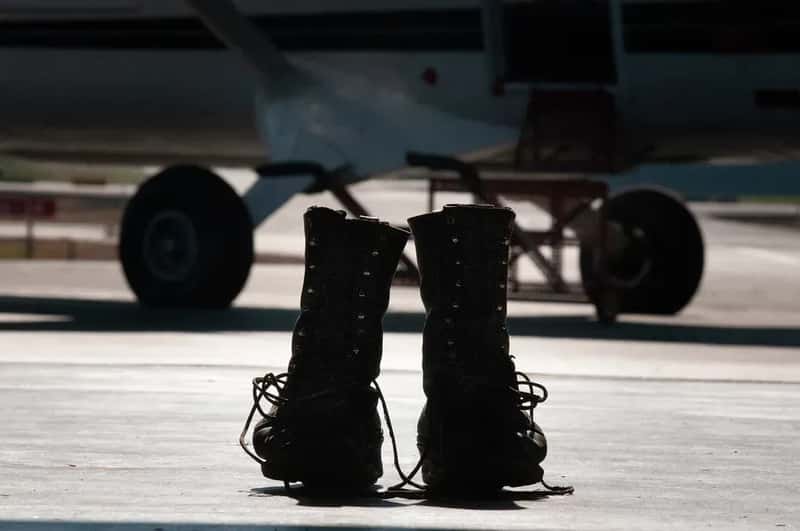
Here’s the thing about shoes: airports are not the place for fashion-first footwear. Some airports are quite large, and you will definitely want to wear shoes that are comfortable for walking. Make sure your shoes are easy to slip on and off, because most airport securities require you to remove them temporarily. Struggling with knotted laces or strappy buckles while a line of impatient travelers stares at your back is nobody’s idea of a good time.
Flight attendants also do not recommend wearing open-toed shoes such as sandals, flip-flops, heels, or wedges. Due to the limited space on planes, you are much more likely to get stepped on, stub your toe, or have luggage rolled across your foot. For these reasons, choose a pair of closed-toed shoes, preferably slip-ons, for easy removal at security, as recommended by the Transportation Security Administration. Think of your shoes like a boarding pass: they need to work smoothly, not cause a hold-up.
2. Open-Toed Shoes and Bare Feet
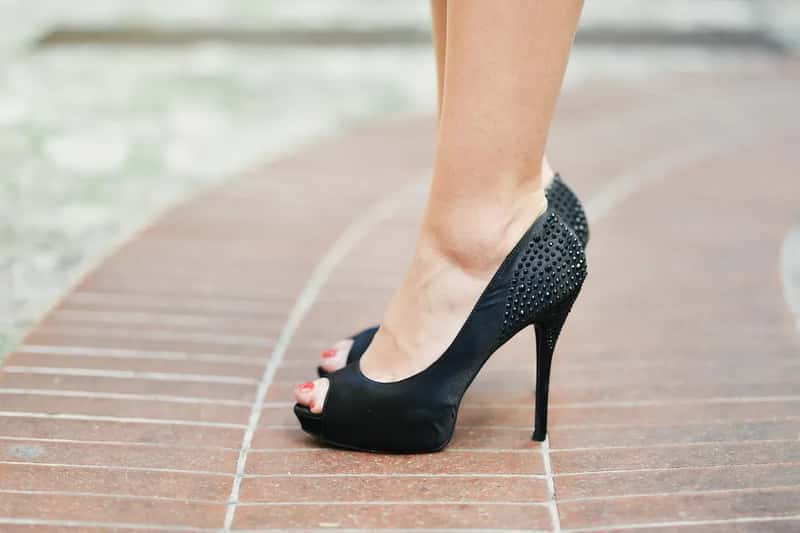
Slipping on a pair of flip-flops or sandals for the airport seems like a harmless choice – and a comfortable one, to say the least. Travel experts and experienced travelers seem to agree that any kind of open-toe footwear for air travel is not a good call. For starters, airports are a thriving hotspot of germs. Think of airport floors as one of the least hygienic surfaces you will ever encounter. Honestly, it is not much better than a public restroom floor.
Open-toe slippers can also prove to be an impediment in emergency situations that require passengers to evacuate the aircraft, and in case of a crash, navigate hazards like shattered glass, flames, or even dangerous terrain. When you are in an emergency, the last thing you want to be worried about is injuring your foot. Airlines, including Hawaiian Airlines, have gone further and made it official: bare feet are prohibited, and bathing suits such as bikini bottoms or speedos are deemed unsuitable.
3. Tight, Restrictive Clothing

Tight clothes can restrict blood flow in the already-confining space of an airplane seat, not to mention put you at risk for DVT. Ditch the skinny jeans, or anything tight enough to leave marks on your skin, and don loose-fitting natural fiber garments, since clothes made from cotton or linen are a great choice. This is not just a comfort issue. It is a genuine medical one.
An ongoing investigation by the World Health Organization found that the risk of DVT approximately doubles after a long-haul flight of more than four hours. Tight clothing, especially around your waist and legs, can impede blood flow. If your pants are digging in or your waistband is too snug, it is putting extra pressure on your veins. The fix is simple: swap the skinny jeans for something with a little give before you even leave the house.
4. Bulky Outerwear and Heavy Jackets

During airport screening, you will be asked to take off your coat or jacket for the TSA, including bulky outerwear such as parkas and vests. It is fine to wear a coat to the airport, of course, but it helps the security line move faster if you remember to take it off and put it in a screening bin before proceeding through the metal detector or body scanner. Wearing a gigantic parka into the security line is the equivalent of bringing a suitcase full of random metal objects. You are going to slow everything down.
Flyers must brave a multitude of temperature changes throughout their journeys. There is the sweat-inducing jog through the sunny airport terminal, the warm twenty minutes while the plane sits on the tarmac pre-takeoff, and that in-flight arctic chill. Layers are a traveler’s best weapon against such varying conditions. Think of it as dressing like an onion: lightweight, peelable layers beat one massive coat every single time.
5. Clothes with Metal Embellishments and Heavy Belts
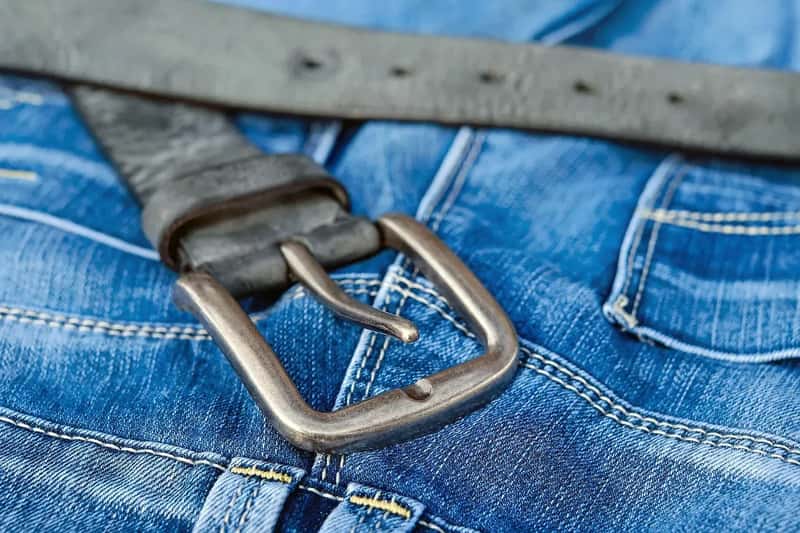
Belt buckles can easily cause issues, and most TSA rules and regulations require you to remove them anyway. If you want to be a travel pro, choose a belt-free outfit, or at least preemptively remove your belt and put it in the bin with your phone and wallet. It sounds obvious until you are the one fumbling with a chunky designer buckle while six people sigh audibly behind you.
Clothing with metal embellishments can trigger additional screening at security. That studded jacket, the heavily zipped biker gear, the sequined top – all of these are going to bring the line to a halt. Bulky jewelry can make it more difficult to sleep on a plane, and you are also more likely to be flagged by security. Keep it simple and save the statement pieces for your destination.
6. Offensive, Provocative, or Inappropriate Clothing
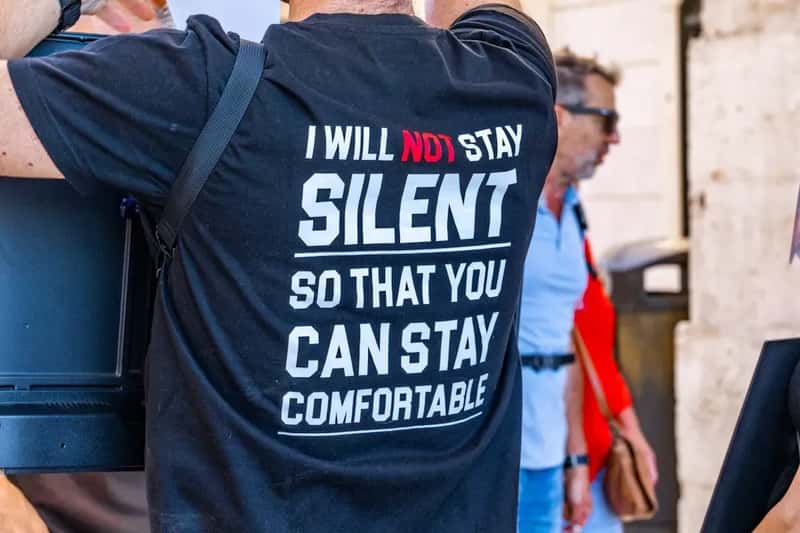
While the TSA does not specifically forbid any clothing unless it can reasonably be used as a weapon or it threatens other passengers, you do not want to wear any clothes with offensive or threatening material. While the TSA may let you through, you could be denied boarding by an airline. This is not a hypothetical risk. It happens more often than most people realize.
Offensive clothing may get you kicked off a plane, but it could also draw extra attention from TSA agents. Stories of flyers being prohibited from planes due to poor wardrobe choices abound, and for most of them, the trouble occurred after they had made it through the screening process. Still, agents may pull you aside for additional screening if they perceive a threatening or questionable message on your T-shirt. American Airlines, for example, requests that passengers avoid clothing with offensive language or inappropriate images. When in doubt, the rule of thumb is worth remembering: if you would not wear it to a family-friendly restaurant, do not wear it for air travel.
7. Beachwear and Swimwear
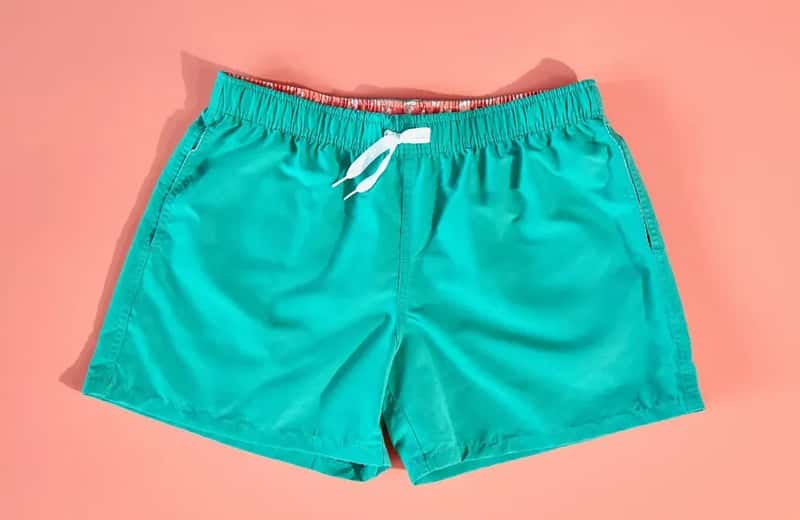
Let’s be real: you are excited about the beach. That is completely understandable. Wearing your bikini or board shorts to the airport, though, is a decision you will likely regret. Swimwear, though frequently worn in beach destinations, remained strongly discouraged during flights. Several airlines have gone beyond discouragement and made it a hard rule.
Under Rule 13, Refusal to Transport, Hawaiian clearly states what is not allowed on board: bikini bottoms, Speedos, and bare feet, along with clothing that is lewd, obscene, or patently offensive to others. The airline reportedly emphasized that upper torsos must be appropriately covered, which was considered a response to passengers attempting to board in beachwear. Pack the swimsuit in your carry-on and change at the hotel. Your fellow passengers will thank you.
8. Rompers, Bodysuits, and One-Piece Outfits

While overalls, coveralls, rompers, and one-piece bodysuits have made a style comeback in recent years, you should save them for later in your vacation – not on the plane. Airport and airplane bathrooms are not the cleanest places, so the logistics of using the restroom in one of these outfits are much more complicated. The last thing you want is for part of your outfit to touch something dirty, especially if you did not bring a change of clothes in your carry-on.
Aircraft lavatories are ridiculously small these days, so you will want to wear something that is not too tricky to maneuver. Avoid bodysuits or complicated wrap shirts or dresses, as well as long pants or skirts that may graze the unsanitary and often disturbingly wet lavatory floor. It is hard to say for sure why rompers became a travel trend, but once you factor in a long-haul flight and a miniature airplane bathroom, the appeal disappears fast.
9. Strong Perfume or Heavily Scented Products

Strong-smelling perfumes, colognes, and body sprays should not be worn in flight. Some passengers may not enjoy the scent of your cologne; others might suffer allergic reactions to synthetic fragrances. This is one of those things that sounds like an overreaction until you witness someone having a genuine respiratory response midair. Then it feels very, very real.
With airflow and filtration, smells, sprays, or perfumes can be spread throughout the cabin. For some, even sitting next to someone wearing a strong fragrance can be enough to give them a migraine, set off an asthma attack, or even give them a severe allergic reaction. Wearing strong perfumes on planes can cause discomfort, allergic reactions, or respiratory issues to other passengers due to the enclosed space. Keep the scent subtle, or better yet, skip it entirely for the duration of the journey.
10. Pajamas and Full Loungewear Sets
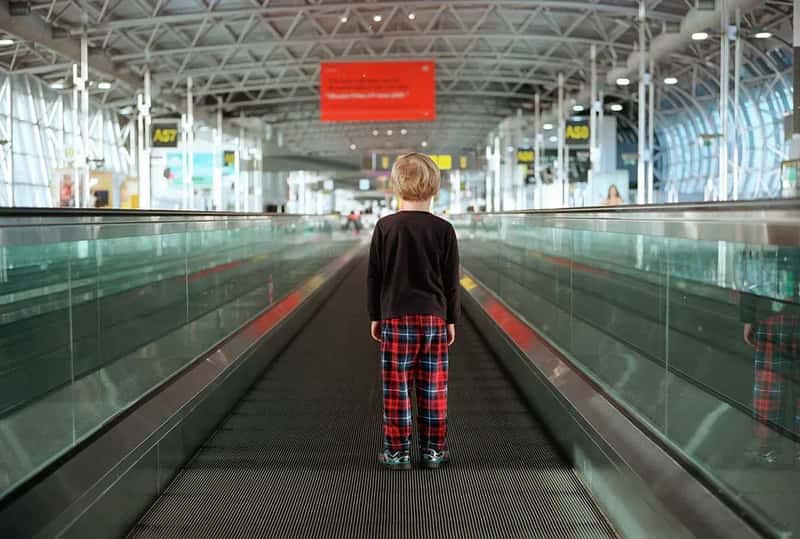
Comfort is king when flying. Nobody is arguing against that. There is, however, a growing debate about how far is too far on the comfort spectrum. Tampa International Airport became the first to announce dress code rules in an X post shared on February 26, and the travel hub revealed it is banning a popular travel outfit, explaining it has seen and heard enough. While airports do not have official fashion rules, many airlines have their own dress codes.
While airports do not tend to have rules about what travelers can wear, many airlines including United, American, Spirit, Southwest, Delta, and Hawaiian say their passengers must be properly clothed in the cabin. Pajama-style clothing is generally allowed unless it is revealing or inappropriate. Still, full PJ sets in public spaces are attracting increasing scrutiny, and as Tampa Airport’s February 2026 move showed, airports themselves are starting to weigh in. Comfortable does not have to mean rolled-out-of-bed. Soft joggers, stretchy knits, and breathable layers hit the sweet spot just fine.
Conclusion
Travel day dressing is genuinely its own art form. The clothes you choose affect your health, your speed through security, your comfort on board, and even your legal right to board. It is not about looking glamorous – it is about being smart.
The best airport outfit is one you barely notice you are wearing. Loose, breathable fabrics. Slip-on shoes. Minimal metal. No overpowering scents. Layers for the temperature rollercoaster between the terminal and the cabin. Simple choices, but the difference they make to your travel day is enormous.
Next time you are packing your bags, spare five minutes for the outfit you will actually wear through security. Your future self – comfortable, breezing through the checkpoint, seated happily at cruising altitude – will genuinely appreciate it. What would you have guessed was the number one mistake travelers make when dressing for a flight?