Most people assume the biggest risk for an older flier is turbulence, a hard landing, or getting lost in a mile-long terminal. Pilots and flight attendants will tell you, off the record, that none of those things keep them up at night. What actually worries them happens quietly – in the cabin air, in a seat nobody moved from for six hours, in a pill bottle packed in the wrong bag.
None of it has anything to do with age itself. It has everything to do with what happens to any body, at any age, once it’s sealed inside a pressurized tube at 35,000 feet. Here’s what crews actually notice, what the research actually shows, and why so much of it never makes it past the cockpit door.
1. The Cabin Air Isn’t Sea-Level Air – And Your Body Notices
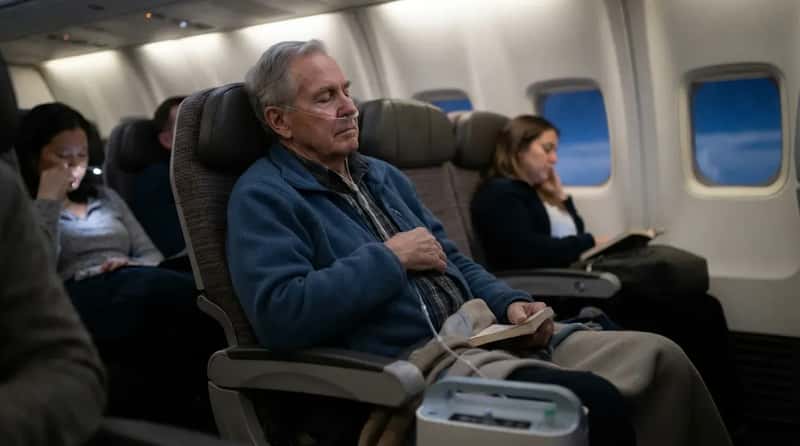
Here’s the part almost no passenger is told at check-in: airplane cabins are not pressurized to match the ground. On commercial aircraft, the cabin altitude must be maintained at 8,000 feet or less. That sounds technical, but it means every passenger, healthy or not, is essentially breathing the air of a moderate mountain town for the length of the flight.
Research using hypobaric chambers found that ascending from ground level to conditions of 7,000 to 8,000 feet lowered oxygen saturation by roughly 4 percentage points in study participants. For most healthy adults, that’s barely noticeable. But in some people, particularly those with heart or lung disease, symptoms may begin as low as 5,000 feet – which is exactly why pilots quietly wish more older travelers understood this before boarding, not after they start feeling foggy somewhere over the ocean.
Fast Facts
- Cabin altitude is legally capped at 8,000 feet, even while cruising near 35,000 feet in the air outside.
- Oxygen saturation can dip roughly 4 percentage points at that altitude compared to sea level.
- Symptoms can begin as low as 5,000 feet for passengers with existing heart or lung conditions.
2. That “25% Less Oxygen” Number Is Real, Not Exaggerated
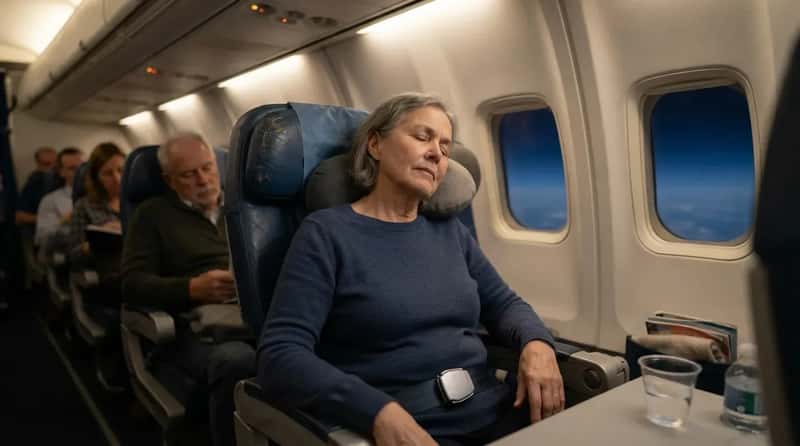
It sounds like scare-mongering until you see the physics behind it. At 8,000 feet cabin altitude, there is about 25% less oxygen available than there is at sea level. That’s not a malfunction – it’s how every commercial aircraft has been designed to operate for decades.
Most bodies compensate just fine. But it explains the headaches, the extra fatigue, and the strange grogginess that hits some older travelers by hour three of a flight, long before anyone would call it an emergency. Crews see it constantly and rarely mention it, because it usually resolves with water and movement. The next issue, though, worries them a lot more.
3. Blood Clots Are a Bigger Threat Than Most Passengers Realize
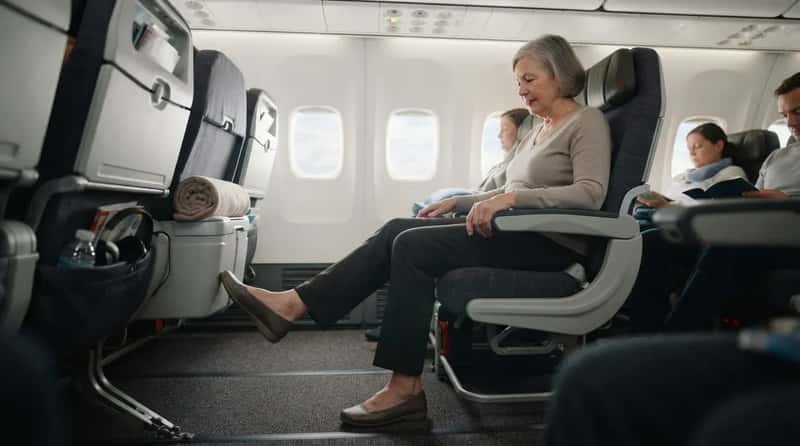
Every year, more than 300 million people take long-distance flights lasting four hours or more, and for some of them, deep vein thrombosis quietly becomes a real danger. The risk climbs with age, and it isn’t just an economy-class problem tucked into cramped rows.
Your DVT risk rises noticeably if you’re over 40, carry extra weight, or had surgery recently, and flights of 8 to 10 hours or longer carry the greatest risk. The odds still favor most travelers – about one in 6,000 passengers on flights longer than four hours develops a clot – but pilots wish every seasoned flier over 60 treated leg movement as seriously as a seatbelt, not as an optional in-flight quirk.
At a Glance
- More than 300 million people take long-haul flights of four-plus hours every year.
- Risk climbs after age 40, with extra weight, or following recent surgery.
- Flights of 8 to 10 hours or longer carry the greatest clot risk.
- Overall odds still favor travelers: about 1 in 6,000 on flights over four hours.
4. The Emergency Crews Train Hardest For Isn’t the One You’d Guess
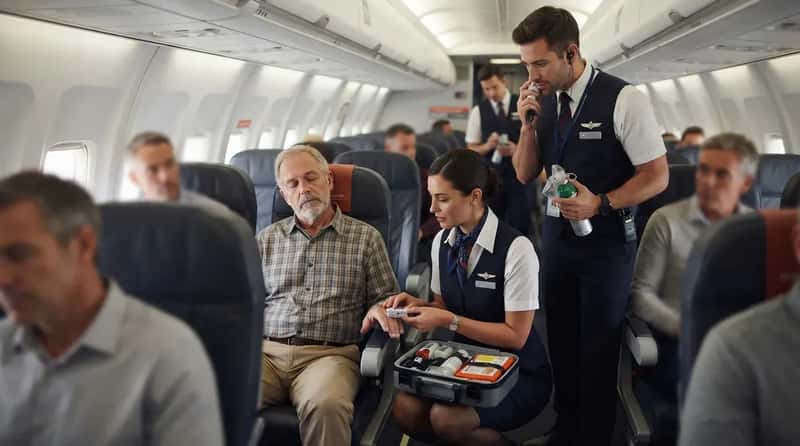
Ask a flight attendant what actually keeps them alert mid-flight, and it’s rarely turbulence. A landmark study of in-flight medical emergencies found that most incidents involved syncope, respiratory symptoms, or gastrointestinal distress – not dramatic collapses, but quiet, easy-to-miss warning signs.
The same research showed the most common reasons for hospital admission after landing were possible stroke, respiratory symptoms, and cardiac symptoms, in that order. It’s a sobering reminder that the symptoms crews watch for in older passengers aren’t chest-clutching movie moments – they’re the small stuff: dizziness, shortness of breath, sudden confusion. That’s exactly why so much of what follows circles back to prevention rather than reaction.
5. Most In-Flight Emergencies End Better Than People Assume

Here’s the twist pilots wish more anxious travelers knew: things usually turn out fine. In a review of over 10,000 in-flight medical events, only 8.6% of passengers were admitted to a hospital after landing, and just 0.3% died.
Even more reassuring, physician passengers stepped in to help in nearly half of all cases, and the aircraft was diverted only 7.3% of the time. The overwhelming majority of medical scares in the sky are managed calmly, quietly, and without ever making headlines. That fact rarely gets airtime, because “nothing dramatic happened” doesn’t sell the way turbulence footage does.
6. The TSA Rule Most People Over 75 Don’t Even Know Exists
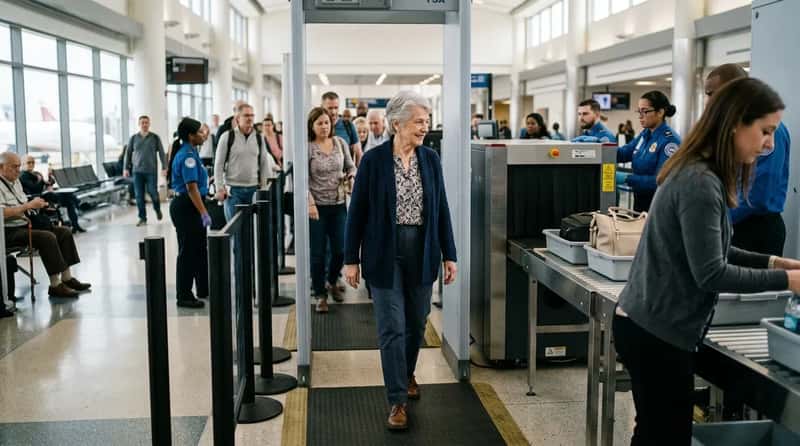
Here’s a genuinely surprising one: security screening quietly changes once you hit a certain age. If you are 75 or older, you can leave your shoes and a light jacket on when going through the checkpoint.
It doesn’t stop there. Travelers 75 and older are usually routed through the pre-check-style line, meaning they skip removing shoes or separating out liquids and laptops the way younger flyers do. Most people over 60 have no idea this threshold exists, and TSA doesn’t exactly announce it at the security line. It’s one of the few genuine perks of aging that airports quietly hand out.
Worth Knowing
- Travelers 75 and older can often keep shoes and a light jacket on during screening.
- This age group is typically routed through a faster, less invasive checkpoint line.
- The rule isn’t posted or announced – most flyers only learn it by accident.
7. Medications Belong On Your Body, Never In Checked Luggage
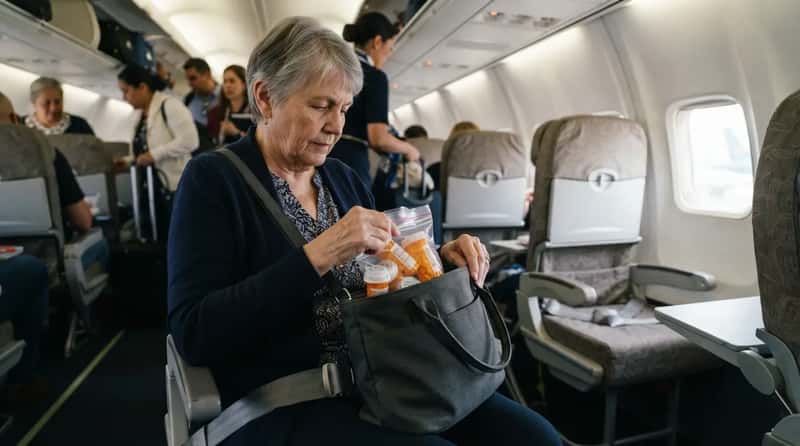
Nearly every flight crew has a story about a passenger who packed their pills in the wrong bag. It matters more for older travelers than almost anyone else, since nearly 9 in 10 older adults take at least one medication regularly.
The advice from aging experts is blunt: carry your medications with you, on your person, never in a suitcase. Checked bags get delayed, misrouted, or lost entirely, and a missed dose of a heart or blood pressure medication is a far bigger problem mid-flight than a missing sweater. Crews say this single habit prevents more in-air scares than almost any other precaution.
8. Silence Is the Mistake Crews See the Most

Flight attendants say the same regret comes up again and again after something goes wrong: nobody said anything beforehand. One veteran flight attendant recalled hearing passengers admit they skip carrying their own emergency medication because they assume the crew already has it – a habit she called “very dangerous.”
The fix is almost embarrassingly simple. Crews consistently ask for nothing more than a quiet heads-up before departure, something like: “I’m not expecting anything, but I have asthma, I have an allergy.” That single sentence lets the crew watch for warning signs early instead of reacting cold to a crisis at 35,000 feet. It costs nothing and changes everything about response time.
9. Your Seat Choice Matters More Than You’d Ever Guess
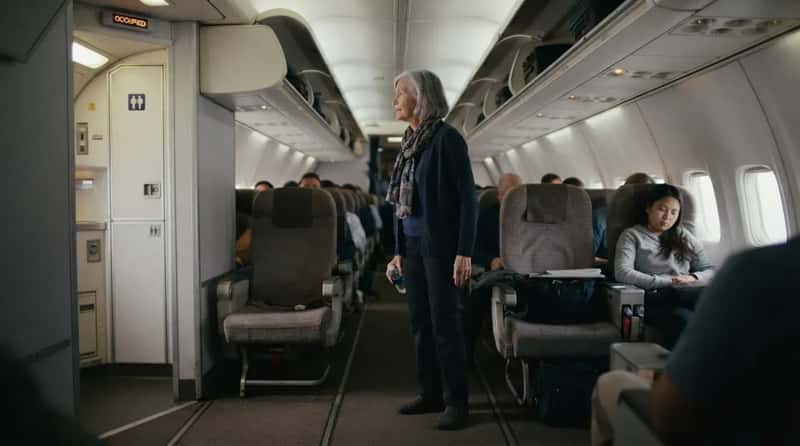
Frequent senior travelers eventually learn a trick most people discover too late: seat location isn’t just about comfort, it’s about safety. The smartest pick is a seat close to a bathroom, ideally on the aisle, which makes standing and moving far easier during a long flight.
It sounds minor until you consider why it matters. Sitting still for hours is exactly the condition that raises clot risk, so a seat that encourages standing and walking is quietly protective. It also avoids the awkward, sometimes risky climb over sleeping strangers in a cramped row. Pilots notice which passengers move periodically during long-haul flights, and which ones don’t – and they know which group tends to land feeling better.
10. Recent Surgery or Hospitalization Changes the Entire Equation
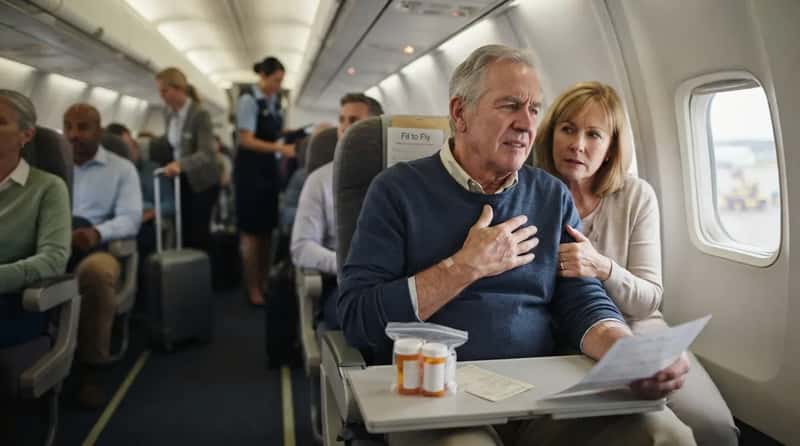
This is the one piece of advice doctors say gets ignored the most. Aging-medicine specialists recommend that anyone with a recent hospitalization, injury, or surgery seek medical consultation at least 10 days before flying – not the day before, not “if there’s time.”
Some conditions are serious enough that flying isn’t recommended at all in the near term. Physicians specifically advise against air travel for patients with active cardiac conditions like a recent heart attack, unstable angina, uncontrolled blood pressure or arrhythmias, severe valve disease, or recent bypass surgery. It’s not about ruining a trip – it’s about timing one correctly, something a rushed pre-vacation schedule rarely allows for.
Quick Compare
- Usually fine to fly: stable chronic conditions and well-managed blood pressure.
- Check with a doctor first: any hospitalization, injury, or surgery within the last 10 days.
- Flying not recommended: recent heart attack, unstable angina, uncontrolled arrhythmia, severe valve disease, or recent bypass surgery.
11. The One Truth Pilots Wish Sank In Before the Seatbelt Sign Turns On
After everything – the cabin pressure, the clot risk, the emergency statistics – pilots want one message to land above all the rest: flying remains remarkably safe for the vast majority of older travelers, including those managing chronic conditions. The data backs this up directly. Few in-flight medical emergencies result in aircraft diversion or death, and about one in four passengers who experience an emergency simply undergo additional evaluation at a hospital afterward, nothing more dramatic than that.
The passengers who fly comfortably into their 70s and 80s aren’t lucky – they’re prepared. They move every hour, they carry their pills on their body, they mention a condition before takeoff instead of during turbulence, and they pick a flight time that doesn’t fight their body’s rhythm. None of it requires special equipment or a doctor’s note most of the time. It just requires knowing what pilots have quietly known all along.
The Bottom Line
The scariest parts of flying after 60 were never the parts everyone worries about. The real risks are quiet – reduced cabin oxygen, hours of stillness, medication left in the wrong bag, symptoms nobody said out loud. Every one of them is manageable once you know it’s coming.
Pilots aren’t hiding some dark secret about older passengers. They’re just hoping, quietly, that the next person in seat 14C mentions their heart condition before landing – not during it.