For a long time, landing in Europe as an American meant a quick look at your passport, maybe a stamp, and a walk to baggage claim. Plenty of travelers barely remember the exchange. That routine has changed, and the change is easy to miss until you’re standing in the new line.
The new process affects anyone from the United States who plans a short trip to much of Europe. It also comes with a few misunderstandings, mostly because a second, separate system keeps getting mixed up with it. Here is what’s actually happening, based on official and well documented reporting through October 2026.
What the Entry/Exit System Is and When It Began
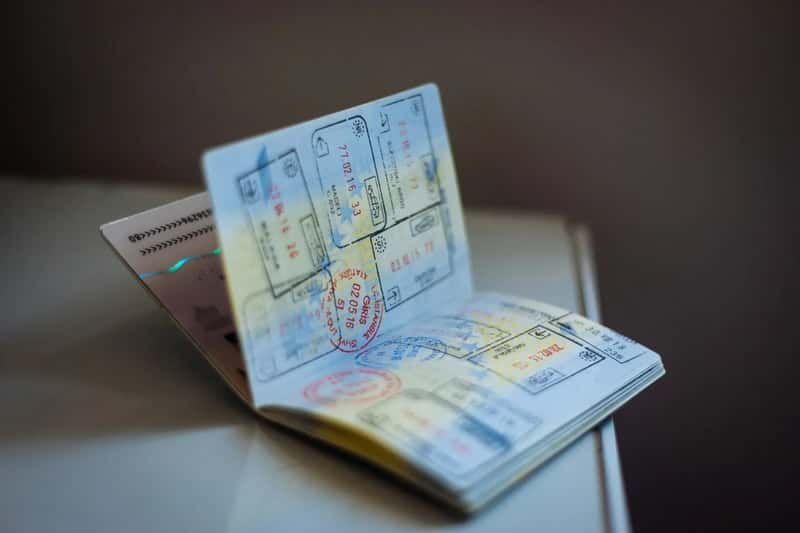
The Entry/Exit System, usually called EES, is a digital database. According to the French foreign ministry, member states use it to record data on nationals of non-EU and non-Schengen countries who cross the external borders of the Schengen Area[1]. In plain terms, it replaces the ink stamp with a digital record.
The rollout was staged. It was gradually implemented from 12 October 2025 and became fully operational on 10 April 2026[1]. The European Commission confirmed that milestone, and reporting on its announcement noted that it marks the end of passport stamping for covered short term travelers from outside the EU[2].
Why American Passport Holders Are Covered
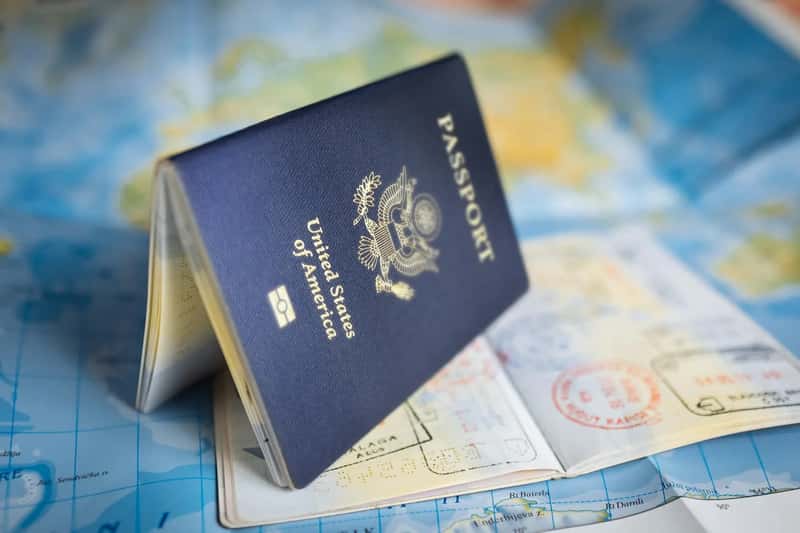
Americans fall squarely inside the system. It applies to travelers from outside the EU and Schengen area entering for short stays of up to 90 days within a 180 day period, whether for tourism or business, and it includes visa exempt travelers, the category U.S. passport holders belong to[3].
The geographic reach is wide, though not total. EES covers the 29 Schengen countries, including Switzerland, Norway, Iceland and Liechtenstein[4]. Meanwhile, Cyprus and Ireland are outside EES and still stamp passports manually[4], so a trip to Dublin works differently from a trip to Paris.
What Happens at the Booth or Kiosk
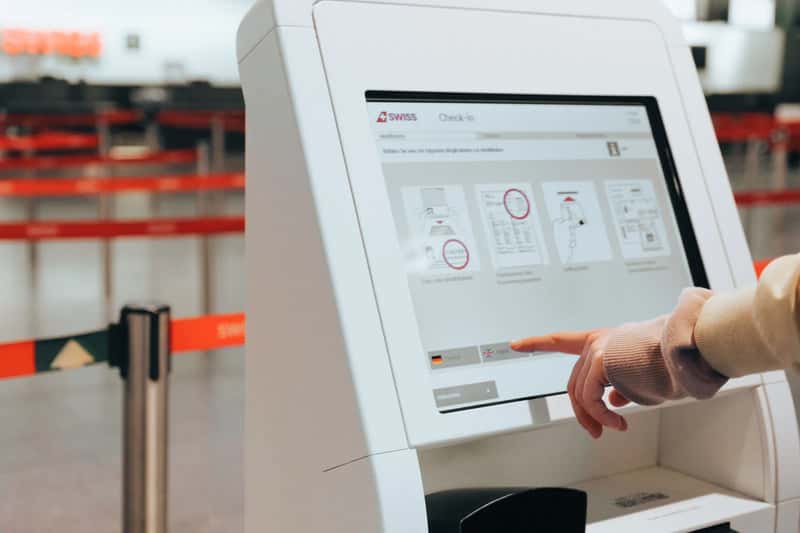
On your first entry, the process is more involved than the old glance at a passport. A border officer or self service kiosk captures four fingerprints and a facial image, links them to your passport, and creates a digital record[5]. The data collected also includes your travel document details and the date and place of entry, as described in Wego’s October 2026 overview.
Nothing about it requires an app or advance registration. You do it on arrival, at the border itself, and it’s free. The practical catch is time, since each traveler needs an individual record, and a family of four means four separate registrations.
Repeat Trips and How Long Your Data Stays

Later visits are meant to be quicker. After the first enrollment, a quick scan verifies your stored biometrics without the full registration process[5]. Officers can still retake a facial image if they need to, so a stored record doesn’t guarantee you’ll skip every check.
The record doesn’t last forever. The House of Commons Library notes the data is normally erased three years after the last trip to a country using the EES system[6]. For overstayers the window is longer, as details are held for five years[7], according to Al Jazeera’s explainer on how the system works.
Traveling With Children

Families get a small break on the fingerprinting. Children under the age of 12 are exempt from having to give fingerprints[6], according to the House of Commons Library briefing. Teenagers and adults go through the full process.
Exempt from fingerprints doesn’t mean exempt from registration. Reporting from Travel and Tour World in October 2026 says children under 12 do not provide fingerprints, but still require registration and a facial image[8]. Each child also needs their own passport, so it’s worth checking everyone’s documents well before departure.
Lines and Delays Since the Full Launch

The rollout hasn’t been smooth everywhere. SmarterTravel reported that biometric registration has caused delays at major European airports ranging from one to four hours at busy periods, with some reports of six hour waits[5]. Those figures come from summer reporting, so they reflect peak season rather than a constant.
The EU hasn’t backed down. Nine member countries asked for checks to be eased, and the EU acknowledged roughly 20 airports with queues but refused to pause the system[5]. As of mid October, airport industry groups ACI Europe and A4E called for a permanent mechanism to restore partial suspensions during excessive queues[4], though Wego points out that this is an industry proposal, not a confirmed change.
Refusing Biometrics, Overstays and Record Errors

Declining the scan isn’t a workable option. Wego’s summary is blunt on this point: refusing to give biometrics means refusal of entry[4]. A French law firm’s analysis adds that such a refusal is recorded and can stay visible to border guards in other Schengen countries for three years.
The system’s main job is enforcing the stay limit that already existed. The 90 day rule hasn’t changed, but what has changed is how the EU enforces it, since EES tracks exactly when you arrived and left across all 29 countries[5]. If a record looks wrong, there’s a remedy: France’s Interior Ministry confirms the right to request correction of inaccurate or incomplete EES data[8].
EES Is Not ETIAS
This is where most of the confusion lives. ETIAS is a separate pre travel authorization, and it is a travel authorization, not a visa, similar to ESTA in the USA and ETA in the UK[1]. Its fee is €20, raised from the original €7 in July 2025[9].
The launch date is the murky part. Earlier official messaging pointed to the last quarter of 2026, yet Schengen Traveler reports that the EU removed that target from the official ETIAS website in mid July 2026[10], with no new date announced as of late September. Sources vary on specifics, so check the official EU travel portal before you book. Because nothing is live yet, any site telling you to get an ETIAS now is stale at best, and there is nothing to apply for and no fee to pay anyone[11].
Practical Steps Before You Fly
Preparation is mostly about time. The Commission’s own numbers, reported by Travel and Tour World, show how large the system already is: more than 52 million entries and exits and over 27,000 entry refusals as of 10 April 2026[8]. Millions of travelers are passing through, so leave generous gaps between connecting flights.
Keep your passport valid and handy, and carry proof of any exemption if you hold a Schengen residence permit or long stay visa. Wego also notes that sites advertising live EES wait times publish scraped estimates rather than border authority data[4], so treat those numbers with caution. For anything that might change, such as ETIAS timing, rely on official EU sources.