For decades, arriving in Europe as an American meant a quick look at your passport and a stamp, sometimes with barely a glance. That routine has been changing since October 2025. The change affects millions of trips a year, yet plenty of travelers still don’t know it exists.
The new setup is digital, and it comes with a few extra minutes at the booth and some uneven results from one airport to the next. Here’s what the system does, who it covers, and how it has performed so far.
What the Entry/Exit System Replaces
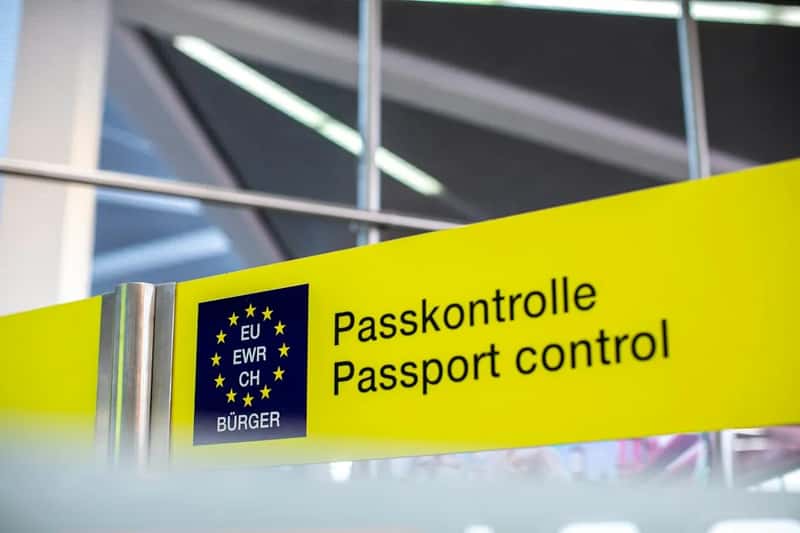
The Entry/Exit System, usually shortened to EES, began operating on 12 October 2025. It started with a progressive rollout in 29 European countries.[1] It became fully operational on 10 April 2026.[1]
The main change is that digitally recorded entries, exits and refusals of entry replace passport stamping for non-EU nationals coming for short stays.[1] Your passport may come back with fewer ink marks, but a record of your trip now sits in a database. It’s a quieter kind of border control, and a more thorough one.
Who Has to Go Through It
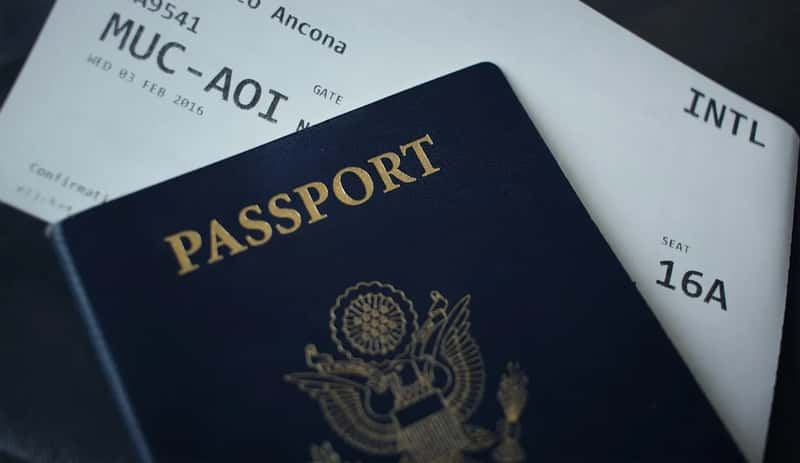
Americans are covered. The system applies to non-EU and non-Schengen nationals entering for short stays of up to 90 days within a 180 day period, whether for tourism or business.[2] It also covers visa-exempt travelers,[2] which is the category U.S. passport holders fall into.
Not every European destination is part of it. Ireland and Cyprus are outside the system and still use manual passport checks.[2] If your itinerary includes either, expect a more traditional experience there.
What Gets Recorded at the Booth
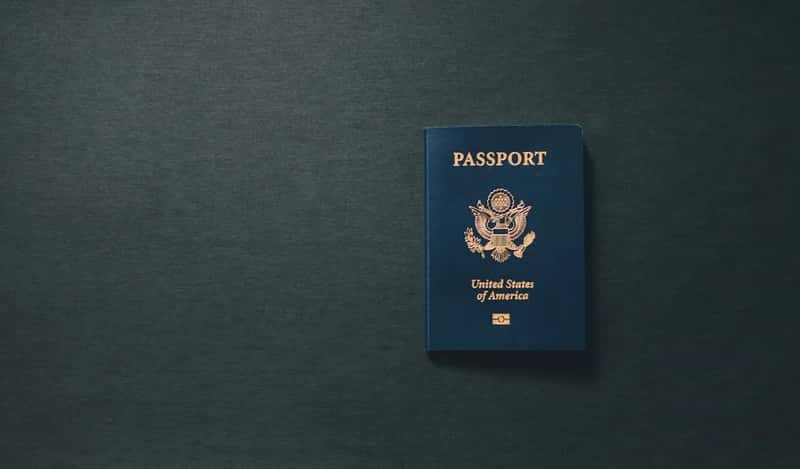
The checks start with the basics from your passport. That includes your full name, date and place of birth, sex, nationality, travel document number and expiry date.[3] On top of that, border authorities record a facial image and, in most cases, fingerprints.[2]
Families should note one detail. Children under 12 don’t give fingerprints, but they still need to be photographed.[2] Travelers who decline to provide biometric data can be refused entry, so it isn’t really optional.
Your First Trip Versus Later Ones
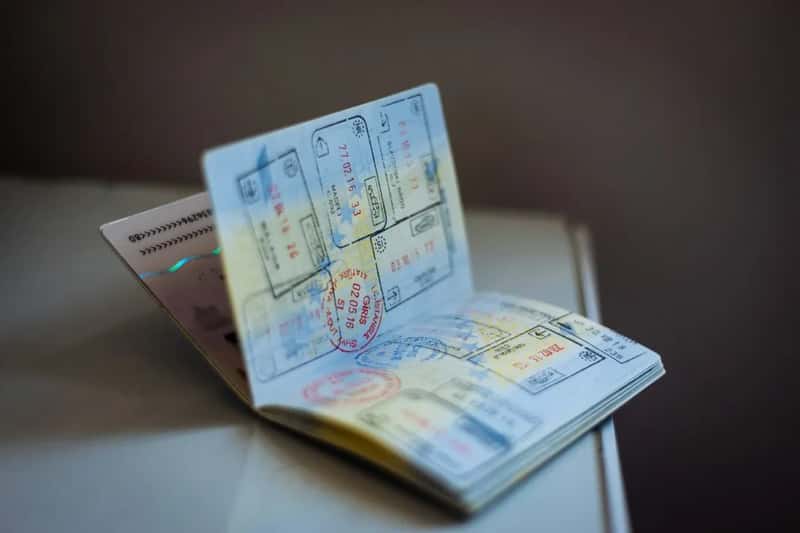
The first crossing is the slow one. Once you’re registered, the process gets lighter. You won’t need to do the full check each time, as long as you travel within three years of first registering and your passport hasn’t been renewed.[4]
There’s no paperwork to complete in advance either. EES is free and has no advance application.[5] Travelers with several stops only interact with it at first entry and last exit, and travel inside the Schengen area is unaffected.[5]
How Long the Lines Have Really Been
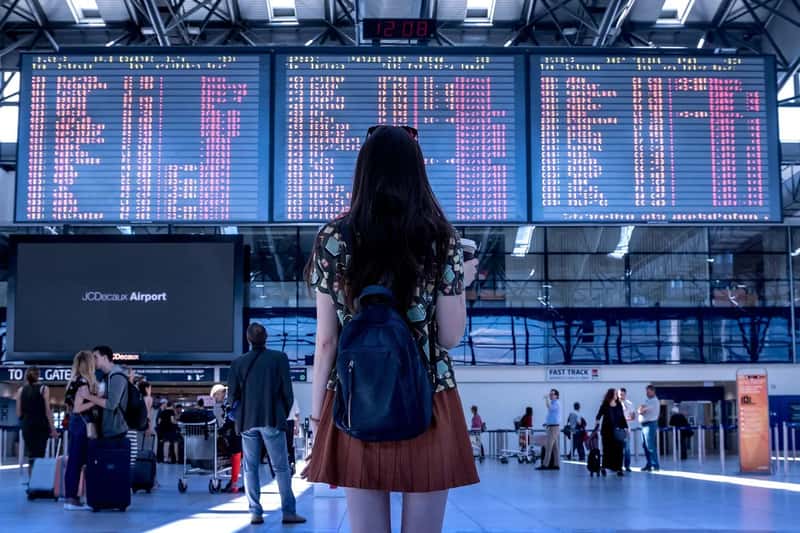
The honest answer is that it varies, sometimes a lot. In February, airline and airport groups pointed to excessive waiting times of up to two hours at airport border control[6] during the rollout stage. Earlier, Lisbon Airport suspended the system for three months after waits reportedly reached seven hours.[7]
Summer brought more pressure. Industry groups wrote to the Commission in early July, warning of border queues of four to five hours or more[8] across July and August. The Commission has put the serious problem cases at around 20 crossing points out of roughly 1,500.[9] That suggests most crossings were manageable, but the bad ones were very bad.
Why Some Airports Struggle More Than Others
Industry bodies named three culprits. They cited chronic border control understaffing, unresolved technology issues with border automation, and very limited uptake of the Frontex pre-registration app by Schengen states.[6] In other words, the problems are mostly about staffing and equipment, not the idea itself.
Missed connections have been the most costly result for travelers. Reports describe passengers missing flights and connections, with some planes departing with empty seats[10] because travelers were still in line. Large hubs with many arrivals from outside the Schengen area tend to feel this most.
The Rules Changed on 6 September

Over the summer, member states could temporarily suspend collection of fingerprints and facial scans to ease congestion in exceptional circumstances.[11] Those emergency flexibility measures ended on Sunday 6 September.[12] Airlines and airports asked for an extension, and the Commission rejected a full suspension in July.
What you’ll find on arrival now is patchy. Reports say France, Belgium, the Netherlands, Germany, Greece, Malta, Portugal, Italy and Switzerland are still applying incomplete or reduced biometric procedures at some crossings.[13] The Commission has not formally extended the expired mechanism.[13] So the experience depends on where you land.
Planning Connections and Arrival Time

Leave more room than you used to. Passport control will take longer, so travelers should allow extra time at the border.[4] That matters most when your first Schengen stop is also a connection, because the entry check happens there, not at your final destination.
A few habits help. Book longer layovers on separate tickets or tight itineraries, and keep your passport handy and undamaged. If a country offers the Frontex app for advance registration, it can shorten the booth time, though uptake by Schengen states has been very limited.[6]
ETIAS Is a Separate Requirement

People often mix up EES and ETIAS. EES happens at the border, while ETIAS is an online authorization you’d get before leaving. U.S. citizens don’t currently need an electronic travel authorization for the Schengen Area or the EU.[14]
The launch date has kept slipping. Official sources have pointed to a launch expected in the last quarter of 2026,[3] though one travel guide says reporting now points to 2027.[15] The EU has said it will announce the specific start date several months before launch,[16] and no websites currently issue ETIAS travel authorizations,[3] so treat any site selling one with suspicion.
What the Data Is Meant to Catch
The system exists to track stays and spot irregularities. It aims to detect overstays and strengthen border security.[17] For Americans, that means the 90 day limit within any 180 days is now checked by computer instead of by a stamp and a guess.
Officials point to results as proof it works. More than 45 million border crossings were registered in the early period,[1] and the Commission has cited nearly 44,000 denied entries.[18] Those figures come from EU officials, and airlines and airports dispute how smoothly it works in practice.
Practical Points Before You Fly
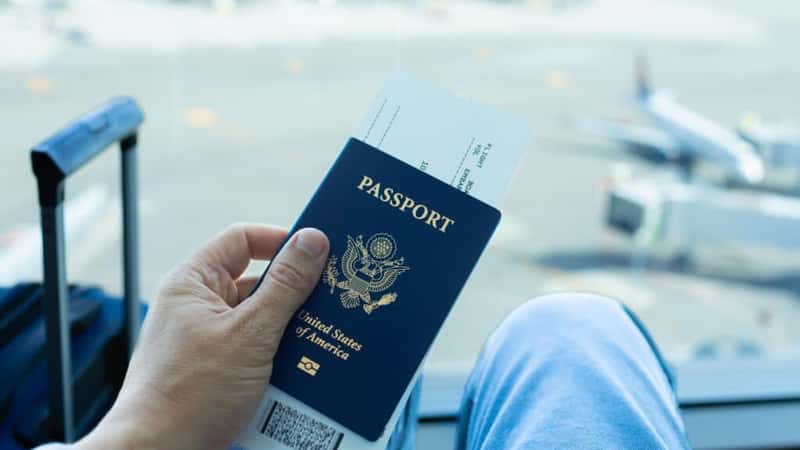
Bring a valid passport, allow extra time at your first Schengen arrival, and expect a photo and fingerprints on your first visit. Keep your stay under 90 days in any 180 day period. Don’t pay for ETIAS until the EU announces a start date through official channels.
Your experience will depend on the airport, the season and how the local border service is handling the system. Registration is a one time step for up to three years on the same passport, and later trips should be quicker.