Mexico remains one of the top vacation destinations for Americans, with millions crossing the border each year in search of sun-soaked beaches, vibrant culture, and affordable luxury. Yet behind the picture-perfect Instagram posts and resort brochures lies a less glamorous reality that travel agencies rarely discuss. Emergency room visits, drownings, and traffic accidents claim hundreds of U.S. tourists annually, turning dream vacations into medical nightmares. The question isn’t whether injuries happen, it’s where they’re most likely to occur and what specific dangers catch travelers off guard.
Recent data from the U.S. State Department and Mexican health authorities reveal surprising patterns about tourist injuries south of the border. While violent crime grabs headlines, the actual threats facing American visitors look quite different from media portrayals. Ocean riptides, questionable road conditions, and even basic medical billing disputes cause far more trouble than cartel violence for the average tourist. Understanding these regional risk factors could mean the difference between a memorable vacation and a costly emergency evacuation. Let’s dive into the specific destinations where U.S. tourists most frequently find themselves in harm’s way.
Cancun and the Riviera Maya: Paradise With Risks
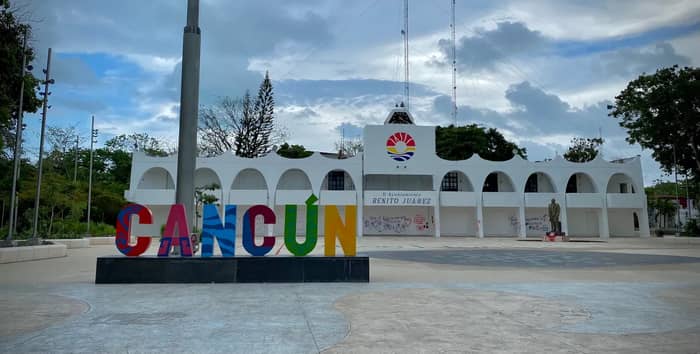
Cancun draws millions of Americans every year with its white sand beaches and all-inclusive resorts. Yet beneath the postcard image lies a growing concern. Motor vehicle accidents are a leading cause of U.S. citizen deaths in Mexico, and the highways connecting Cancun to nearby destinations see frequent crashes. In December 2024, five tourists were transferred to the hospital after a morning highway crash that left their driver dead on the wet road between Cancun and Puerto Morelos.
Water incidents remain equally troubling. In 2022, two American divers were killed in the waters off Cancún when a dive boat moved over them, despite flags and buoys warning they were there. Four people have died, and over a dozen were rescued in the shipwreck of a small boat carrying tourists between Isla Mujeres and Cancún in January 2024. The bustling waterways between Cancun and Isla Mujeres see frequent accidents due to heavy traffic from ferries, pleasure craft, and charter boats.
Cabo San Lucas: Dangerous Waters and Ocean Hazards

Cabo San Lucas ranks consistently as one of Mexico’s safer destinations for crime, yet its treacherous ocean conditions tell a different story. The powerful Pacific currents and massive waves have claimed numerous lives. A 65-year-old woman was killed when a giant wave struck two American tourists strolling on the beach near the famous stone arch in December 2014. In September of that year, a California man died after a rogue wave pulled him and his wife into the water in Cabo San Lucas.
Honestly, it’s hard to overstate how deceptive Cabo’s beaches can be. They look inviting, they’re stunningly beautiful, yet many have dangerous undertows that catch tourists off guard. A total of 61 U.S. citizens have drowned in Mexico from January 2010 through June 2012, according to State Department statistics, with three occurring specifically in Cabo San Lucas during that period.
Puerto Vallarta: Safe City With Isolated Wildlife Incidents
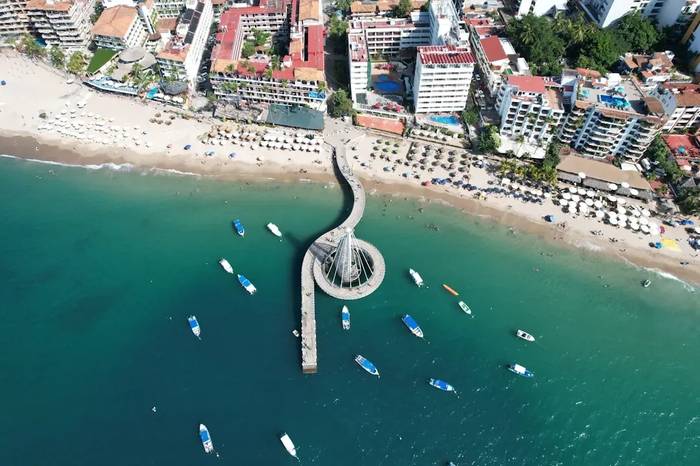
Puerto Vallarta maintains its reputation as one of Mexico’s safest destinations. The city experiences far fewer incidents involving tourists compared to other major destinations.
Yet unique dangers do exist. The tourists sustained injuries to their upper and lower extremities, thorax, and abdomen in a June 2023 crocodile encounter. While rare, crocodile attacks have occurred when tourists swim in rivers or near river mouths at night. These incidents remain isolated but serve as reminders that wildlife hazards lurk beyond typical urban crime concerns.
When comparing the crime rate in Puerto Vallarta with other cities, you’ll notice that it is very safe… even safer than many cities in the US. The main issues tourists face involve petty theft, pickpocketing, and occasional police corruption rather than violent crime or serious injuries. Ocean conditions can be rough, particularly during certain times of year, requiring attention to beach warning flags.
Highway and Road Accidents Throughout Mexico
Let’s be real: driving in Mexico poses one of the biggest injury risks for American tourists. The leading cause of death to all US travelers to Mexico was injuries (51%), with 18% of deaths resulting from motor vehicle crashes, according to historical data analyzing U.S. traveler fatalities. Road conditions vary dramatically across Mexico, and many highways lack proper lighting, clear signage, or adequate maintenance.
Rental car accidents happen frequently on unfamiliar roads. Tourists often underestimate the challenges of Mexican driving conditions, including aggressive local drivers, unexpected livestock crossings, and poorly marked speed bumps called “topes.” The State Department consistently advises travelers to drive only during daylight hours and stick to toll roads, which offer better maintenance and security.
Traffic laws differ from U.S. standards, and Mexican auto insurance requirements mean that accidents can become complicated quickly. Emergency response times vary widely depending on location, with rural areas experiencing significantly slower medical assistance than major tourist zones.
Alcohol-Related Incidents at Resorts

All-inclusive resorts present their own set of dangers. Since July 2017, more than 170 travelers have described injuries, illnesses, and deaths after drinking alcohol at resorts and in tourist towns in Mexico. Some tourists have reported mysterious blackouts after consuming what they believed were normal drinks, raising concerns about tainted alcohol or drink tampering.
Injuries rise during spring break because of heavy drinking, according to safety reports from Cancun. The combination of excessive alcohol consumption, unfamiliar surroundings, and sometimes inadequate safety oversight creates a perfect storm. Tourists engage in risky behaviors they’d never consider at home – swimming while intoxicated, accepting drinks from strangers, or venturing into unsafe areas late at night.
Resort pools and beaches become particularly hazardous after dark when lifeguards go off duty. Drowning deaths related to alcohol consumption occur with disturbing regularity, though exact statistics remain difficult to confirm since many incidents aren’t widely reported.
Medical Care Complications and Billing Issues

If you get sick or are injured while on a Mexican vacation, note that there have been cases of medical billing abuses. Most Mexican hospitals don’t accept U.S. domestic health insurance or Medicare/Medicaid and require payment upfront by cash, credit card, debit card, or bank transfer. This creates serious complications for injured tourists who may face unexpected medical expenses running into tens of thousands of dollars.
The quality of medical care varies significantly between major tourist destinations and smaller towns. While places like Cancun, Cabo, and Puerto Vallarta have modern hospitals with English-speaking staff, tourists injured in more remote areas may face long transport times to adequate facilities. Carbon monoxide poisoning from faulty water heaters has killed tourists in some accommodations, highlighting the importance of verifying safety standards.
Border regions present additional risks. Cities like Tijuana, Ciudad Juárez, and Matamoros consistently rank among Mexico’s most dangerous, with Americans crossing for medical procedures sometimes becoming victims of violence. This week, sombre news came of the deaths of two Americans who had travelled with two other companions to Mexico in search of health care in Matamoros in 2023, where they were caught in cartel crossfire.
Where Safety Meets Reality
There were more than 36.7 million visits by Americans to Mexico in 2023, with the vast majority returning home safely. The truth is, most injuries occur from preventable accidents rather than violence. Motor vehicle crashes, drownings, and alcohol-related incidents account for far more tourist injuries than cartel violence or crime.
Mexico’s tourism industry depends on visitor safety, and authorities invest heavily in protecting tourist zones. Popular destinations maintain visible police presence, 24-hour patrols, and dedicated tourist assistance centers. Still, dangers exist – from powerful ocean currents and poorly maintained roads to the occasional spillover of cartel violence into previously safe areas.
Smart travelers can minimize risks by avoiding excessive alcohol consumption, respecting ocean warning flags, driving only during daylight on main highways, purchasing comprehensive travel insurance, and staying within established tourist zones. The question isn’t whether Mexico is dangerous, but rather how prepared visitors are to navigate its specific challenges. Did you expect the ocean to be deadlier than the cartels?