English might be the default language of global business, travel, and pop culture, but that doesn’t mean every country speaks it with the same level of confidence. Each year, the EF English Proficiency Index, compiled from millions of test results, gives us a fairly reliable snapshot of which nations have truly mastered English as a second language. The latest edition, released in late 2025 and based on test data collected in 2024, shakes up the leaderboard in some surprising ways.
What follows is a countdown of the ten highest-scoring countries in the world for English proficiency among non-native speakers. Some names will feel familiar if you’ve followed these rankings before, while a few newcomers have climbed the charts thanks to strong gains in speaking and writing skills, which were assessed for the first time this year using AI-based evaluation.
1. The Netherlands
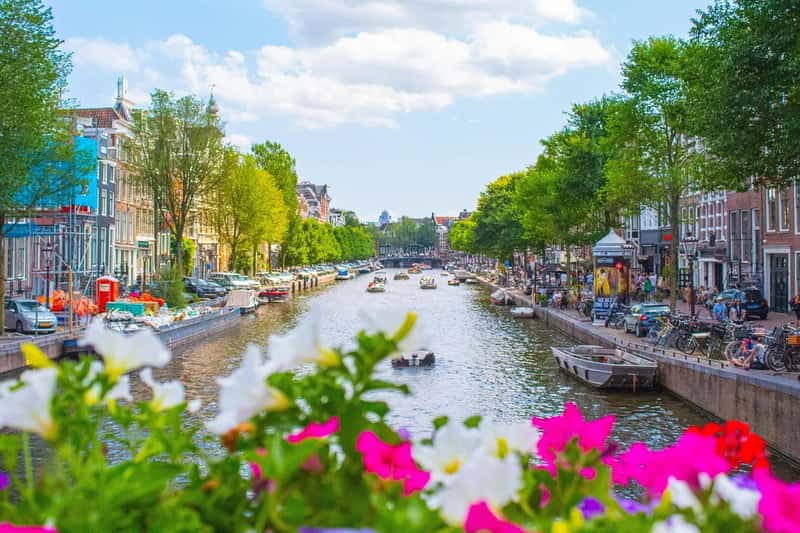
The Netherlands holds onto its long-standing crown as the world’s top performer in English proficiency outside the native-speaking world. The country scored 624 points in the 2025 index, even though this actually represented a 12-point decline from the previous year. Despite that dip, the Dutch remain comfortably ahead of everyone else, a position they have held almost continuously since these rankings began.
Much of this dominance comes down to culture rather than classroom instruction alone. Dutch television rarely dubs foreign content, so people grow up hearing natural English dialogue from childhood. Drawing on data from more than 2 million test-takers, the Netherlands topped the global ranking, scoring 636 in the 2024 edition and earning a “very high proficiency” rating.
2. Croatia
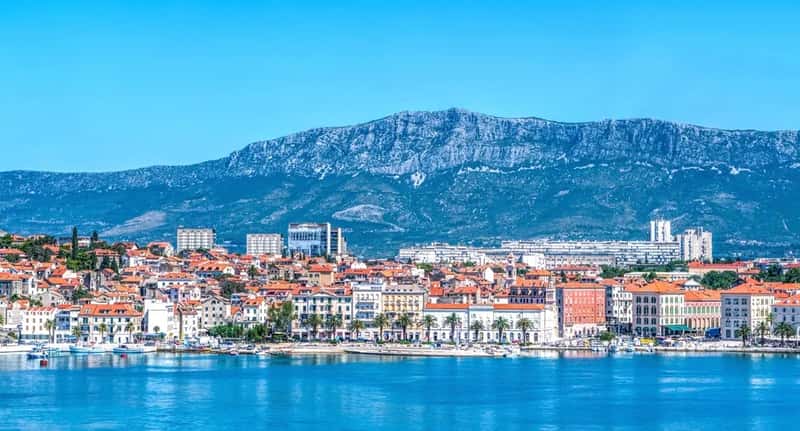
Croatia might be the biggest story of this year’s rankings. The country jumped up to second place, one of the countries that most improved its ranking this year, alongside Austria. With a score of 617, Croatia now sits firmly in the “very high proficiency” band, a remarkable leap for a country that wasn’t even close to the top ten a few editions ago.
Tourism plays a huge role here. Croatia’s coastline draws millions of English-speaking visitors every summer, and locals working in hospitality, retail, and tour guiding have every incentive to sharpen their conversational skills. Combine that with a school system that introduces English early and a media landscape that favors subtitles over dubbing, and the improvement starts to make a lot of sense.
3. Austria

Austria climbed into third place this year with a score of 616, continuing a pattern of steady gains. Austria improved by 16 points compared to the previous year, one of the more notable shifts among the top-ranked nations. That kind of jump in just one edition suggests something structural is changing rather than a one-off fluke.
Austrian schools have long emphasized foreign language instruction, and English sits at the center of that curriculum from an early age. Vienna’s role as a hub for international organizations, including several United Nations agencies, also means residents regularly interact with English speakers from around the world. That daily exposure likely reinforces what students learn in the classroom.
4. Germany
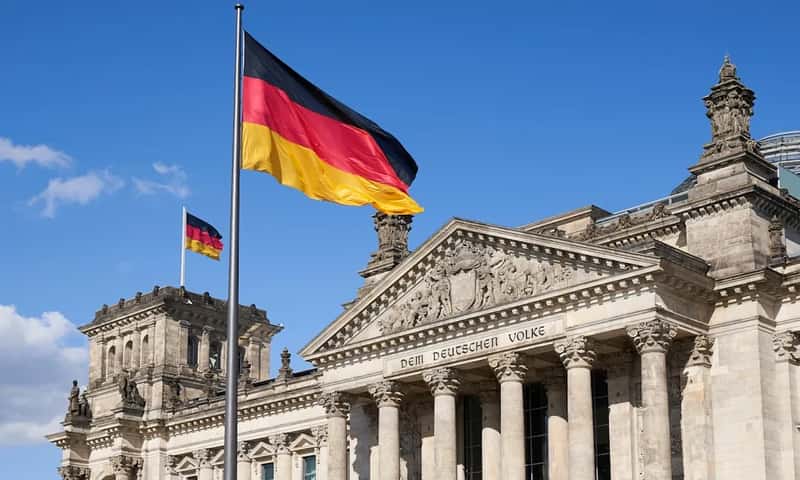
Germany rounds out the top four with a score of 615, and it did so with one of the more impressive climbs of the year. Germany climbed to fourth place with one of the biggest gains in Europe. For a country of over 80 million people, moving up the rankings this quickly is no small feat.
Germany’s economy is deeply intertwined with international trade, and English functions as the working language in countless boardrooms, universities, and tech startups across the country. Many German universities now offer entire degree programs taught in English, which naturally pushes younger generations toward fluency. That combination of academic exposure and economic necessity appears to be paying off.
5. Norway
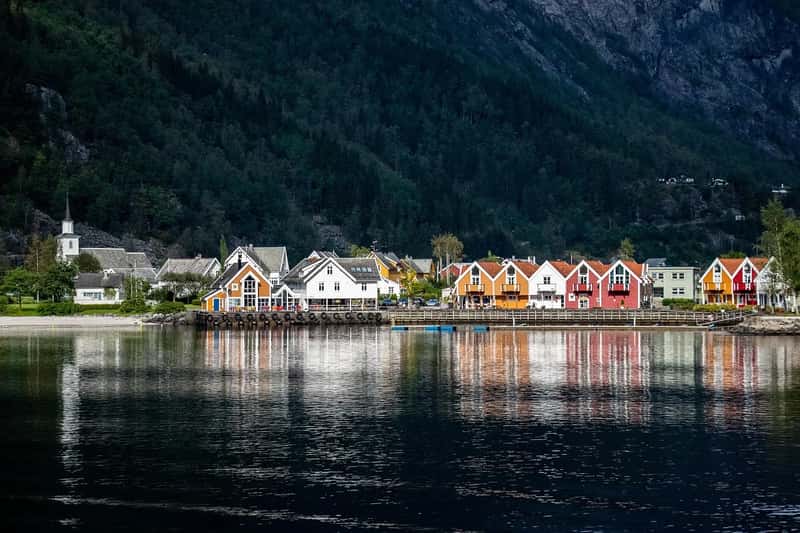
Norway has consistently ranked near the top of these charts for years, and 2025 is no exception with a score of 613. For the sixth consecutive year, the Netherlands retained the top spot, with Norway coming in second in the 2024 edition, before Croatia, Austria, and Germany reshuffled the order in 2025. Norway’s slip in relative position doesn’t reflect a decline in actual skill so much as other countries catching up fast.
Norwegian television and film rely almost entirely on subtitles rather than dubbing, giving children constant exposure to spoken English from a young age. The country’s oil and shipping industries also require frequent international communication, reinforcing English use well into adulthood. Add a highly funded education system, and it’s easy to see why Norway rarely drops far from the top tier.
6. Portugal

Portugal sits in sixth place this year with a score of 612, a strong showing for a country that has quietly built one of Europe’s more English-friendly populations. Its tourism-heavy economy, especially in cities like Lisbon and Porto, has turned English into an everyday necessity for anyone working in service industries. Younger Portuguese professionals in particular tend to test very well, reflecting improvements in both school curricula and informal exposure through streaming media.
Portugal has also become a magnet for remote workers and digital nomads from English-speaking countries in recent years, which has only increased the practical need for locals to converse comfortably in English. This kind of everyday, low-stakes practice tends to build fluency in ways that formal classroom study alone cannot always achieve.
7. Denmark
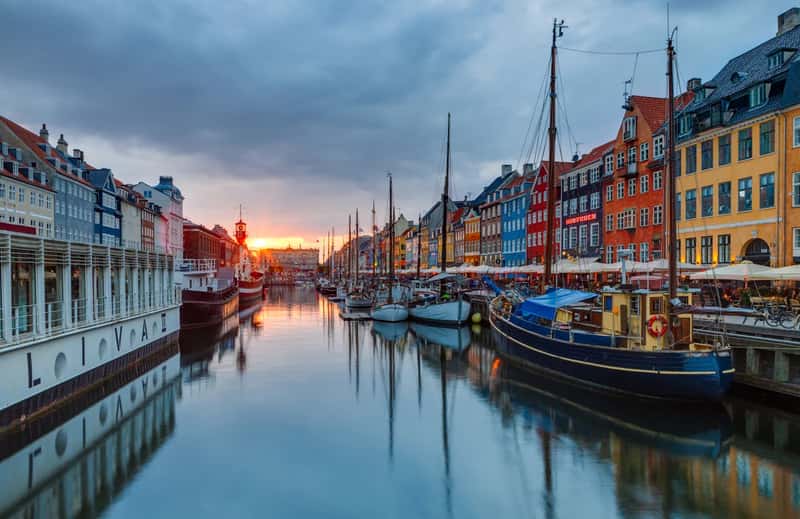
Denmark ranks seventh overall with a score of 611, maintaining its reputation as one of the strongest English-speaking nations in the Nordic region. Denmark leads the Nordic region, edging out Sweden and Norway by a fraction of a point, with differences between Nordic countries small but Denmark’s consistent edge placing it at the top this year. That kind of tight competition among Nordic neighbors shows just how uniformly strong English education is across that part of Europe.
Danish schools introduce English instruction early, often around age six or seven, and continue building on it consistently through secondary education. Combined with a media culture that favors original-language programming with subtitles, Danish learners get years of passive listening practice before they ever sit a formal test. That head start tends to show up clearly in adult proficiency scores.
8. Sweden
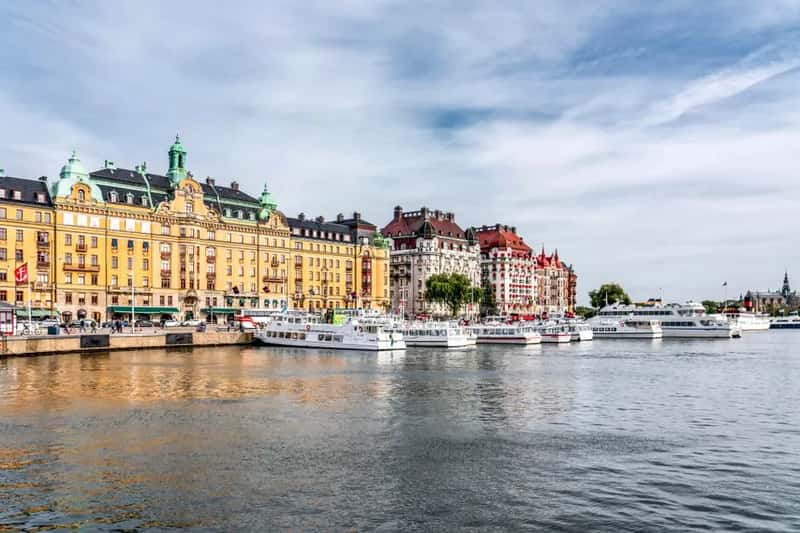
Sweden lands in eighth place with a score of 609, a respectable showing for a country that has essentially built English fluency into its national identity. Interestingly, Sweden also happens to be where EF, the organization behind this very index, was founded back in 1965. Founded in Sweden in 1965, EF’s mission is opening the world through education. That connection feels fitting given how central English has become to Swedish daily life.
Swedish universities offer a huge number of English-taught master’s programs, drawing international students and pushing local students to keep pace linguistically. Swedish media, much like its Nordic neighbors, rarely dubs English-language content, which means exposure starts early and never really stops. The result is a population that tends to move fluidly between Swedish and English depending on context.
9. Belgium

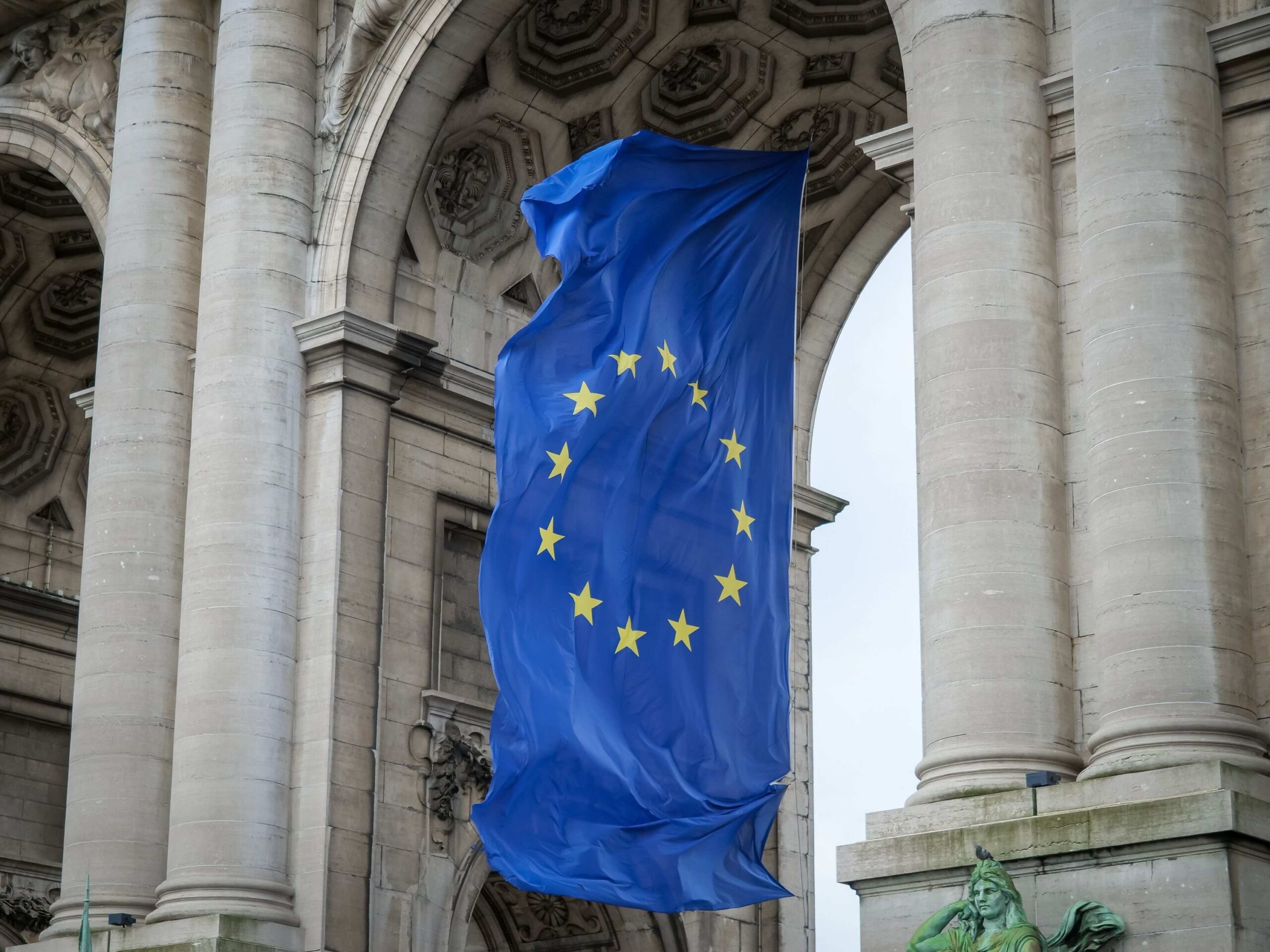
Belgium comes in ninth with a score of 608, a solid result for a country juggling three official languages of its own. Being home to both the European Union’s main institutions and NATO headquarters means Brussels functions as one of the most linguistically diverse cities in the world, and English often becomes the practical common ground between French, Dutch, and German speakers working side by side.
Belgian schools typically require students to learn at least one additional language beyond their native tongue, and English is almost always part of that mix given its role in international business and diplomacy. That constant, multilingual environment seems to give Belgians an edge when it comes to picking up English relatively comfortably compared to countries where only one language dominates daily life.
10. Slovakia
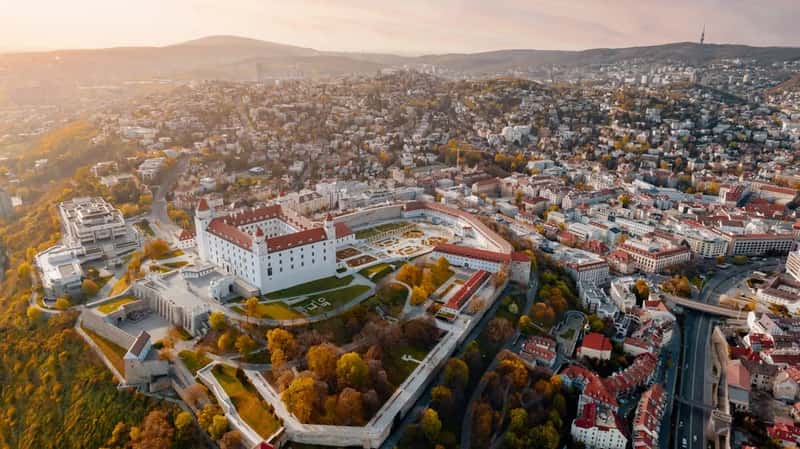
Slovakia rounds out the top ten with a score of 606, a strong result for a Central European nation that has steadily improved its standing over the past several editions of the index. Slovakia’s economy has become increasingly integrated with Western European supply chains and manufacturing, particularly in the automotive sector, which has created steady demand for English-speaking workers and managers.
Slovak schools have also expanded English instruction significantly over the past two decades, moving away from the Russian-language emphasis that was common under the previous political system. Younger Slovaks in particular tend to test well, suggesting the country’s investment in English education is paying dividends as that generation enters the workforce.
A Quick Note on Singapore

Longtime followers of this index might notice a familiar name missing from the 2025 list. Singapore, which had long ranked highly and was frequently the top performer in Asia in earlier editions, was excluded from the index since 2025 after being re-classified as a native English-speaking country. That reclassification says a lot about how deeply embedded English has become in Singaporean society, to the point where it no longer fits the “non-native” category this index is designed to measure.
It’s worth remembering that this edition of the index draws on test data from 2.2 million test takers in 2024, covering 123 countries and territories, with a minimum of 400 test takers required for a country to be included. That’s a substantial sample, though it’s worth keeping in mind that participants are self-selected rather than randomly chosen, which means the results reflect people motivated enough to take a free online English test rather than an entire national population.
What These Rankings Actually Tell Us

Looking at this year’s top ten, a clear pattern emerges: nearly every country on the list is European, and most share small population sizes, strong education funding, and media cultures that favor subtitling over dubbing. That combination seems to matter more than almost any other single factor when it comes to building widespread English fluency among adults.
None of this means English proficiency is fixed or permanent. Croatia’s dramatic climb and Germany’s notable gains this year prove that rankings can shift substantially in just twelve months when a country invests seriously in language education and exposure. Whether that momentum continues in future editions remains to be seen, but for now, these ten nations represent the clearest examples of what strong, widespread English proficiency looks like outside the English-speaking world itself.