The boarding gate opens at 5 AM.
You are already there.
Bag checked. Boarding pass pulled up. Coffee going cold in your hand.
You are not running toward something. You already know that. You have known it for a while now, somewhere beneath the hotel loyalty points and the airport playlist you’ve been refining since 2022.
The loop broke because it had to. Because the savings ran out, and the emotional fuel ran out, and somewhere between the tenth “trip of a lifetime” and the fifteenth airport lounge, the math stopped working. More movement did not produce more relief. It produced more fatigue. And fatigue, unlike grief, is not patient. Fatigue is loud. Fatigue eventually refuses to board the plane.
1. The Pent-up Lie

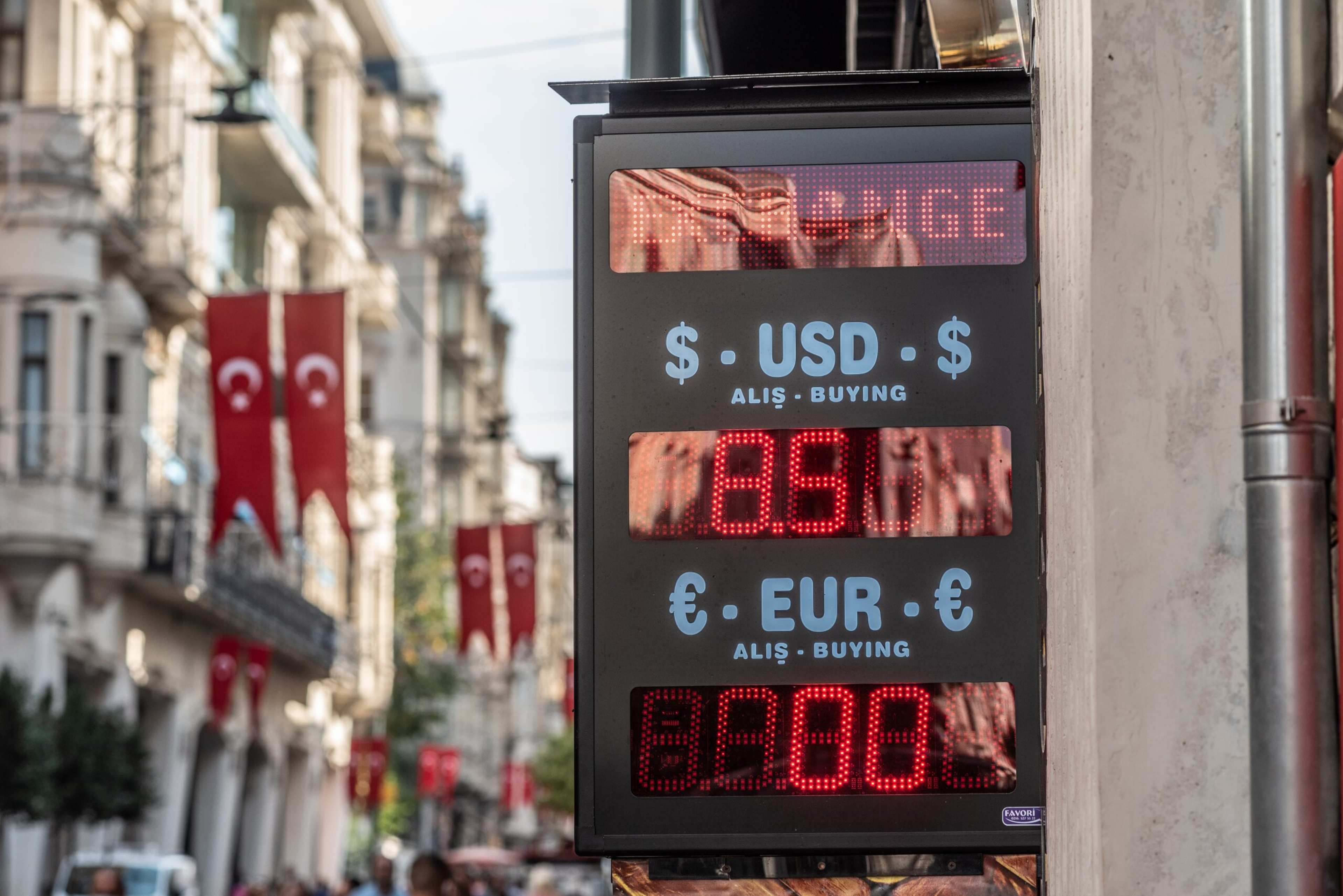
In 2022, the revenge travel surge was positioned as triumph – a post-pandemic explosion of wanderlust, where pent-up plans turned into flights, hotel bookings, and bucket-list adventures.
We called it freedom. We called it making up for lost time.
But “pent-up” is a clinical word. A pressure-cooker word. And pressure cookers, when they finally release, don’t do it gently.
People felt they had missed important events – birthdays, weddings, vacations, tours. What we never said out loud is that some of those missed moments weren’t reschedulable. They were gone. People died. Relationships fractured. Entire versions of ourselves we were building quietly collapsed in a year of stillness. That isn’t a missed vacation. That is loss. And loss, unlike a cancelled flight, doesn’t get rebooked.
The surge wasn’t a celebration. It was a pressure valve.
We just dressed it up in linen and called it Europe.
2. The Exit Strategy
The pandemic induced direct health threats as well as secondary stressful events – financial distress, separation from social support systems. These wide-spread stressors can lead to depersonalization: a sense of detachment from self, others, and the world.
We didn’t recognize it as depersonalization. We called it wanderlust.
The exit strategy was always physical. A departure gate. A time zone change. A place where nobody knew your name before the pandemic, and therefore nobody could compare you to whoever you were before it.
New city. New self. Right?
The problem with an exit strategy is that it requires something worth exiting. And grief – real, collective, unprocessed grief – doesn’t let you leave without a forwarding address. It follows you through customs. It sits across from you at the restaurant you specifically chose because it had nothing to do with home. It orders the same thing you would have ordered if you’d stayed.
You can exit a country. You cannot exit a nervous system.
3. The Velocity Problem
People weren’t just traveling – they were making up for two years of lost vacations in one go. By 2023, nearly one-third of U.S. households were on the move, setting passenger traffic and hotel records across the country.
That velocity was a symptom.
Grief, by its nature, is slow. It moves at the speed of the body. It pools in the chest at odd hours. It surfaces in grocery store aisles and during the wrong song in a rental car. It does not respect itineraries.
Speed, on the other hand, is the oldest anaesthetic we have. Move fast enough and the feeling can’t catch you. Book the next flight before the current one lands. Keep the calendar full. Keep the passport stamped. The logic was ancient and completely understandable and entirely counterproductive.
If you keep revisiting an injury – reliving what was lost – you reinforce that neural loop, deepening the emotional wound instead of healing it. The more we replay a painful experience, the more it becomes encoded in emotional memory, leading to what psychologists call rumination – repetitive negative thinking that leads to anxiety, depression, and emotional fatigue.
Velocity was not healing. It was rumination with a carry-on bag.
4. The Temporary Identity
There is a particular kind of self you build on the road. It is lighter. It has no history in the city it currently occupies. It laughs more easily. It orders things off menus it wouldn’t dare touch at home. It is, in many ways, a relief.
But it is also a fiction.
Catastrophic events drastically alter people’s outlooks as they make sense of events and search for meaning. Given its severity, the COVID-19 pandemic could be considered an existential inflection point – an intense experience that led to significant physical, emotional, and spiritual transformation.
The Temporary Identity – the loose, passport-holding self we became in 2022 and 2023 – was not a transformation. It was a placeholder. A holding pattern while the real work of rebuilding a post-pandemic self waited, untouched, back at the address on your driver’s license.
The tragedy of the Temporary Identity is that it is genuinely seductive. You feel more alive abroad. The colors are brighter. The coffee is better. Your problems feel foreign because you are. But foreign is not healed. Foreign is just unfamiliar. And unfamiliar wears off, usually around day four of a seven-day trip, when you catch yourself checking your phone for news from home and feeling everything you flew to avoid.
5. The Emotional Fatigue Nobody Named
Another major factor in the slowdown of revenge travel was emotional fatigue. The original driver of revenge travel was emotional – people wanted to make up for missed experiences.
I remember standing in a train station in Porto in the autumn of 2023. I had been traveling for eleven days. I had photographs of seventeen distinct meals. I had checked into four different accommodations. I had told people, via small glowing rectangles, that I was having the time of my life.
I sat on a platform bench and felt absolutely nothing.
Not peace. Not joy. Not even sadness. Just a vast, echoey nothing that the architecture of the station seemed to magnify rather than fill. I had been moving so consistently that I had outrun even my own ability to feel. That is not travel fatigue. That is what happens when you use movement as a substitute for stillness, for long enough, that the stillness becomes unrecognizable.
The pandemic left an indelible mark on global mental health, with widespread psychological consequences that persist beyond the acute phase of the virus. I had carried those consequences into every time zone and called it a holiday.
6. The Grief That Stayed Home
Grief rearranges the world. It shifts your sense of time. It alters your energy. It makes familiar places feel heavy with memory. Even routines that once felt grounding can suddenly feel suffocating.
This is precisely why the airport felt so appealing.
Home was haunted. Not by ghosts, but by absences. The chair where a person used to sit. The coffee order you still know by heart for someone who isn’t here to drink it. The version of your own life that was interrupted and never quite resumed.
But grief that stays home does not evaporate while you are gone. Grief requires integration, not erasure. Travel can assist integration, but it isn’t a substitute for therapy, community, or time. When you return – and you always return – it is exactly where you left it. Sitting on the couch. Patient in the way that only unprocessed pain can be patient. It has nowhere else to be.
The suitcase gets unpacked. The grief does not.
7. The Reward Loop
The neuroscience here is uncomfortably clear.
Research shows that the desire to “get even” – to reclaim what was taken – activates the same reward pathways in the brain as addictive behaviors. In the moment, it can feel powerful, satisfying, even. But over time, holding onto a grudge or resentment can take a serious toll on mental health.
The “revenge” in revenge travel wasn’t just metaphor. It was neurological. The booking of a flight after lockdown activated the same dopaminergic reward architecture as any other pursuit of a “just” outcome. We had been wronged – by a virus, by governments, by time itself – and the trip was restitution.
The brain began to treat this like a craving. It felt urgent. Necessary. Even just. But like any short-term high, that satisfaction was fleeting.
So we booked another trip. And another. Not because the last one failed, but because the reward loop demanded continuity. The problem with using travel as a reward for surviving trauma is that it teaches your nervous system to associate relief with departure. Which means home – stillness, presence, the very place where healing actually happens – starts to register as deprivation.
8. The Social Performance of Recovery
Recovery, in the post-pandemic years, had an aesthetic.
It looked like a rooftop in Barcelona. A sunrise hike. A table for one at a restaurant you were brave enough to book alone. It was photographable. It was shareable. It performed health in the visual language of freedom and motion and arrived light.
We appeared composed – attending classes, working shifts, posting travel photos – but inside, many were barely coping.
The social performance of recovery is its own kind of trap, because it creates an audience for your wellness. And audiences require consistency. You cannot post your grief. You cannot Instagram the 3 AM hotel room ceiling stare. So you post the sunrise instead, and in doing so, you make a silent contract with yourself: the performance IS the recovery. The beautiful photograph IS the healed self. Which means the actual self – confused, still mourning, exhausted from performing – has nowhere left to exist.
Travel following major traumatic events can serve as a catalyst for meaning reconstruction and enhanced wellbeing; however, empirical evidence supporting this relationship remains limited. Particularly when the travel is more performance than process.
9. The Return Problem
Nobody talks enough about the return.
The outbound flight has a mythology. The arrival has a mythology. But the return – the grey Tuesday morning when you wheel your suitcase back through your own front door and stand in the hallway not entirely sure who is standing in it – that part gets skipped over in the recap.
The stressors of travel can cause preexisting psychiatric disorders to recur, latent or undiagnosed problems to become apparent, and new problems to arise. But it is the return that does the most damage when the travel was avoidance. Because the return is the reckoning. The trip ends. The credits roll. And whatever you left behind is still in the same position you left it, perhaps a little more settled, a little more patient, a little more determined to be seen.
If travel were truly cathartic, we would feel lighter once it was done. Yet what happens instead is a kind of psychological looping – rather than releasing us from the feeling, it ties us more tightly to it.
The return is not a failure. It is an invitation. Most of us just don’t know how to answer it yet.
10. The Year the Loop Broke
The era of chaos and full-on frenzy is over. So what’s taking its place in 2026?
Something quieter.
Something that does not require a departure gate.
In the post-pandemic era, travel for purpose and morality may become more prevalent as people engage in deeper introspective reflection in searching for purpose and constructing a revised life narrative. That is not a trend piece observation. That is a psychological correction. A course-change happening slowly, in millions of individual nervous systems, as the reward loop finally delivers its diminishing returns and the stillness it was designed to outrun starts to look less like a threat and more like an invitation.
In 2026, the traveler is finally sitting down. Not because the world got smaller, but because the interior landscape got harder to ignore. The unprocessed grief – the loss of people, of certainty, of the version of life that existed before March 2020 – has been riding shotgun on every trip since 2022, waiting for the itinerary to slow down long enough to be acknowledged.
Grief doesn’t disappear. It changes shape over time. And sometimes, a different horizon helps you see that change more clearly. But the horizon doesn’t have to be a flight away. Sometimes it is just across the room, in the chair you have been avoiding since you got home from the last trip, in the quiet that you have been expertly outrunning for four years.
The gate is closing. This time, the bravest thing might be staying.