


You check in your bag at the airport, watch it disappear down the conveyor belt, and hope for the best. Most of us do this without a second thought. The odds seem decent enough, right? Well, here’s the thing. The mishandling rate dropped to 6.3 bags per 1,000 passengers in 2024, which sounds reassuring until you realize that still amounts to millions of mishandled bags worldwide every single year. Taking a simple photograph of your luggage before you fly might feel unnecessary, even paranoid to some people. Yet this small step could save you hours of frustration and hundreds of dollars if things go sideways.
It Provides Essential Evidence for Airline Claims
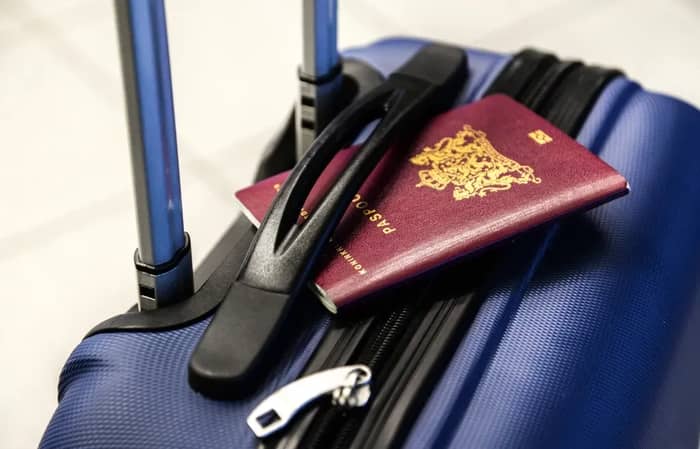
When your bag arrives damaged or doesn’t arrive at all, the burden of proof falls squarely on your shoulders. Travelers must provide clear evidence of damage through pictures and receipts, highlighting the value of thorough documentation. Think about it: how would you accurately describe the exact condition of your suitcase from memory when you’re standing at a baggage claim counter, exhausted after a long flight? A quick photo taken at home gives you undeniable proof of what your luggage looked like before the airline touched it. Snap photos that clearly show the condition of the bag before being handled by the airline. Then, if something is out of place when you get it back, you have proof to show the baggage services office. This becomes particularly crucial when airlines try to claim pre-existing damage or normal wear and tear.
The difference between getting compensated and being denied often comes down to documentation. Airlines process thousands of damage claims, and without concrete evidence, they can easily dismiss your complaint.
Airlines Mishandle Millions of Bags Annually
Let’s be honest about the scale of this problem. U.S. airlines lose 2 million suitcases a year. That’s not a typo. In 2024, over 2 million air travelers had checked bags that were lost, delayed, or damaged on domestic flights in the U.S. American Airlines lost 1,750,009 bags between January 2021 and January 2024, averaging 8.71 bags lost per 1,000 bags loaded onto aircraft. These aren’t isolated incidents or rare occurrences. They’re systematic failures happening every single day at airports worldwide.
Documentation Speeds Up the Claims Process
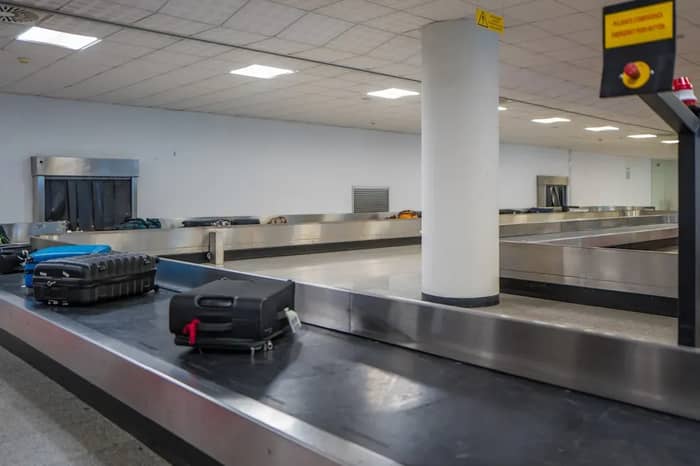
Documentation, such as a baggage claim tag and pictures of the damaged luggage, is important to substantiate the claim. When disaster strikes, you don’t want to be scrambling to remember what brand your suitcase was or trying to recall every item you packed. Airlines have strict timeframes for filing claims. For flights within the U.S., file a report before leaving the airport, or within 24 hours of receiving your bags. For international flights, file a report before leaving the airport, or within 7 days of receiving your bags.
Those deadlines come fast, especially when you’re dealing with jet lag or trying to salvage your vacation. Having photos ready on your phone eliminates one major hurdle in the claims process. You can immediately show airline staff exactly what your bag looked like, what unique identifiers it had, and prove any new damage occurred in their care. If you have photos of your bag, show them to the airline staff. This helps them identify it more quickly and reduces the risk of confusion with similar luggage. Detailed descriptions speed up the search process.
You Can Claim Substantial Compensation With Proof
Airlines are legally required to compensate passengers for lost or damaged luggage, but they need proof of what was lost. Under DOT rules, they’re required to compensate passengers up to $4,700 in damages. If you’re flying internationally, the Montreal Convention liability limits are lower, at around $1,700. That’s real money on the table, enough to replace nearly everything in a typical checked bag.
Here’s where photos become invaluable. If the items inside of your suitcase are damaged or lost in transit these photos act as an itemization, and proof, of what’s in your bag. To make a claim, you must provide proof of your bag’s contents and its value. This can include receipts, photos, or sworn statements. Being prepared with this evidence strengthens your case and speeds up the process. Without documentation, you’re left trying to convince a skeptical claims adjuster that you really did pack expensive items.
Many travelers don’t realize they can photograph not just the exterior of their suitcase but also lay out their belongings before packing. One quick snapshot of everything spread on your bed creates an inventory that could be worth thousands of dollars in a claim.
It Helps Identify Your Bag Among Thousands
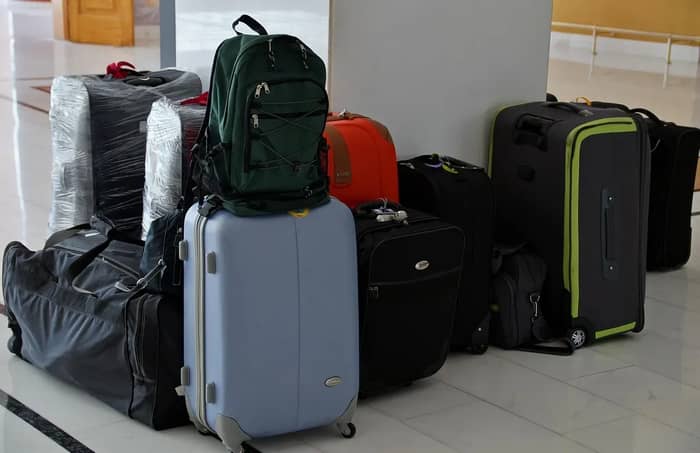
Walk through any baggage claim area and you’ll see a sea of black suitcases circling endlessly. A quick photo of your bag or labeling your suitcase makes the lost luggage report much easier. When your bag goes missing, airline staff need to know exactly what they’re looking for. Saying “a black rolling suitcase” doesn’t narrow it down much when they’re dealing with hundreds of similar bags.
Your photo should capture distinguishing features: stickers, ribbons, unique wear patterns, or any customization you’ve added. These details become critical when multiple passengers claim the same generic suitcase model. I’ve seen passengers at baggage claim unable to definitively identify their own luggage because they couldn’t remember specific details under pressure. A photo eliminates that uncertainty entirely. You can pull up your phone and say with absolute confidence, “This is mine.”
The Process Takes Less Than Two Minutes
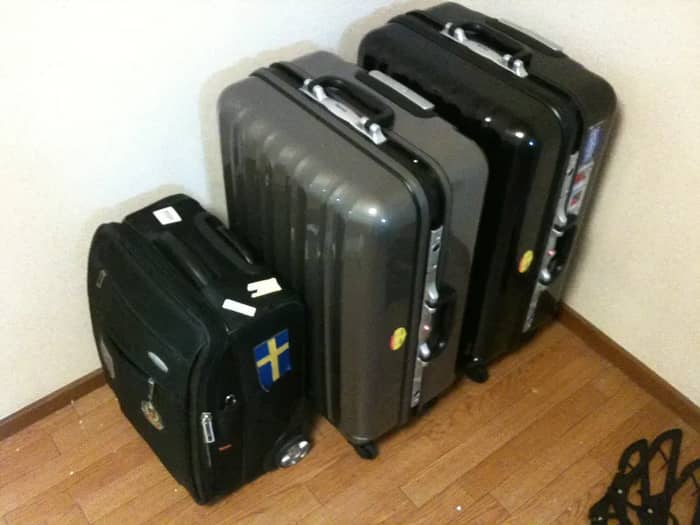
Let’s talk about the actual effort required here. Before you head to the airport, snap a few photos of your packed suitcase from multiple angles. Get the exterior, any identifying marks, and if you’re being thorough, the contents laid out before you pack them. Upload them to cloud storage or email them to yourself so they’re accessible even if something happens to your phone. Total time investment? Roughly about two minutes.
Compare that to the hours you’ll spend filing claims, arguing with airline representatives, or replacing items if something goes wrong. It’s honestly one of the easiest forms of travel insurance you can get, and it costs absolutely nothing. Lay everything you will put into each suitcase out on the bed or floor. Snap a picture of the suitcase or bag.
The reality is that most travelers won’t need these photos. Your bag will probably arrive safely, and you’ll never think about those images again. That’s perfectly fine. The small effort provides massive peace of mind and protection for those times when things don’t go according to plan. In a world where we photograph everything from our meals to our parking spots, why wouldn’t we document something as valuable as our luggage before trusting it to an airline’s baggage system?
What do you think? Have you ever wished you’d taken photos of your luggage before a trip gone wrong?



