Anyone who’s booked a flight this summer has probably noticed the same frustrating pattern: gas prices at the pump have eased, oil headlines talk about a market cooling off, yet plane tickets still feel painfully expensive. It’s not your imagination. Jet fuel, one of the biggest costs an airline carries, has tumbled sharply from its spring peak, but the savings simply aren’t showing up in ticket prices. Understanding why requires looking past fuel costs entirely and into the messier world of demand, capacity, and corporate strategy.
The Iran War Sent Fuel Prices Soaring, Then Falling
The story starts in late February 2026, when the United States and Israel attacked Iran, closing the Strait of Hormuz, a corridor that transports about a fifth of the world’s oil and gas. That shock rippled instantly through energy markets, and jet fuel prices roughly doubled in the early weeks of the conflict, according to reporting from CNN, prompting airlines to pass the costs on to consumers through increased fares, fewer flights and higher baggage fees.
Jet fuel prices roughly doubled in the early weeks of the Iran war, prompting airlines to pass the costs on to consumers through increased fares, fewer flights and higher baggage fees.
By early April, jet fuel had climbed to a high of $4.88 per gallon on April 2, an extraordinary spike for an industry that runs on razor-thin margins. Since then, the picture has flipped. Spot jet fuel prices fell 40% since their peak in April, according to data through June 25 from Airlines for America, an industry trade group. By early July, prices had settled around about $2.80 per gallon, the lowest since the start of the Iran crisis more than three months ago, according to fuel tracking company Argus.
Fares Climbed Fast but Are Coming Down Slowly
If fuel costs move like an elevator, ticket prices seem to move like a staircase, one that only goes down a step at a time, if at all. Government data confirms just how steep the earlier climb was. The consumer price index put out by the U.S. Bureau of Labor Statistics showed that airfare increased by over 29% between November and May. Separately, Forbes reported that airfares were up nearly 27% in May compared to last year, according to U.S. Bureau of Labor Statistics.
Even as fuel has retreated, fares have barely budged. Virtually all fares are up 15% to 20% from one year ago, according to Deutsche Bank Securities data, which tracks hundreds of published fares. Average round-trip pricing tells a similar story, with one report noting fares spiked to an average of $1,105 on May 4, dropping back down to $980 as of June 8, still well above pre-conflict norms. The gap between how fast fuel costs rose and fell versus how fares have moved is the central puzzle travelers are grappling with this summer.
Demand Never Blinked, So Why Would Prices?
Here’s the uncomfortable truth for anyone hoping for a price correction: airlines raised fares, and people kept buying tickets anyway. That single fact has reshaped the entire pricing conversation. Delta’s chief executive put it bluntly when discussing the airline’s own numbers. Bastian said fares are at the “right level” despite “meaningfully” lower costs.
Southwest’s leadership echoed the same sentiment about resilience in bookings. “With fares up though that much, there’s been no drop-off in demand at all,” Southwest Airlines CEO Bob Jordan said during a Bernstein investor conference on May 27. When a business discovers that customers will absorb a price increase without pulling back, there’s little financial incentive to reverse course voluntarily. That’s simple economics, even if it feels unfair to the traveler footing the bill.
Airlines Are Using the Windfall to Recover Losses, Not Cut Prices
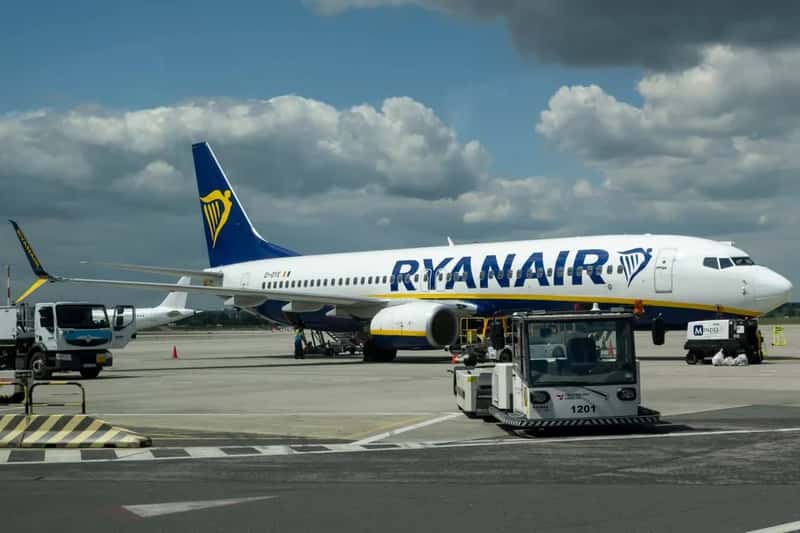
It’s worth remembering that airlines didn’t sail through the fuel spike unscathed. The financial damage was real, and executives argue they’re still digging out of a hole. In the U.S. alone, airlines lost a billion dollars in the first quarter of the year. Delta alone described a massive hit tied directly to the crisis, with its CEO citing the nearly $2 billion that major carriers like Delta had to pay for price hikes in fuel this quarter.
Executives have been candid that today’s fares are partly about repairing that damage before anything resembling relief arrives for consumers. Delta’s own math shows just how incomplete the recovery has been so far. Bastian said Delta’s higher fares are projected to recapture only 40-50% of the roughly $2 billion headwind the airline faced in the second quarter. Industry-wide estimates from Deutsche Bank paint an even starker picture of the imbalance between what airlines spent and what they’ve clawed back. Deutsche Bank estimated that US airlines will only recover 60 cents of every additional dollar spent on jet fuel, pitting increased revenue of nearly $14.5 billion against additional fuel costs totalling $24.1 billion.
Spirit’s Collapse Quietly Reduced Competition
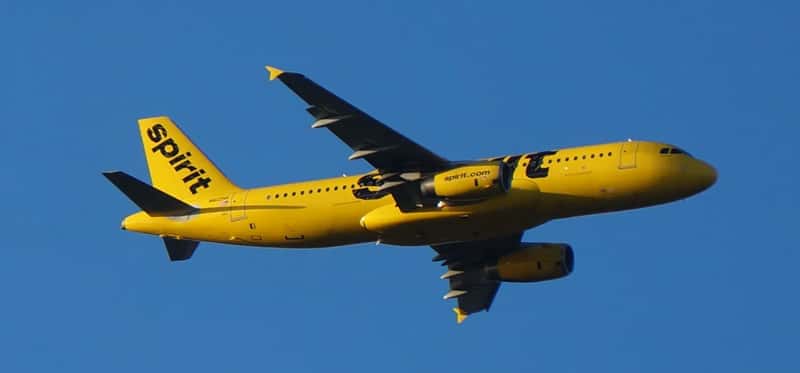
A less obvious but arguably just as important factor is the disappearance of one of the industry’s most aggressive discounters. Ultra-low-cost carrier Spirit Airlines shut down in May 2026, and its exit removed a significant source of downward pressure on fares across many domestic routes. It’s possible that travelers kept buying tickets because carriers reduced capacity and cut routes, so there’s fewer options, especially since ultra-low-cost Spirit Airlines shut down in May.
Analysts have been direct about the consequence. The second factor is less competition, as the bankruptcy of Spirit Airlines removed a lot of pressure for legacy airlines to compete on price. Southwest’s CEO reinforced this point in comments to the Wall Street Journal, noting that Spirit Airlines’ collapse has eased competition across the industry. Fewer discount seats on the market means fewer reasons for full-service carriers to undercut each other.
Airlines Deliberately Shrank Capacity, and Haven’t Added It Back
When fuel costs spiked, airlines didn’t just raise prices, they also trimmed schedules to cut exposure to expensive flying. That reduction in available seats has proven far stickier than the fuel spike itself. Major airlines like United, American and Delta have trimmed between 3% and 5% from their schedules to offset some of their fuel costs. Normally summer is when carriers add capacity to meet vacation demand, but this year has broken that pattern.
The numbers confirm just how unusual this stretch has been. Domestic flight capacity is basically flat (+0.8%) compared to last year, according to data from OAG Aviation Worldwide. Deutsche Bank’s airline analyst pointed to this dynamic as a core reason fares haven’t followed fuel downward. Linenberg noted that fares are higher because there are fewer overall seats, which is due to airlines eliminating their less popular, lower-fared flights. Fewer bargain seats in the mix naturally pulls the average fare higher, independent of what’s happening with oil markets.
Airline Executives Say the Old Rules Don’t Apply Anymore
Perhaps the most striking shift is how openly airline leaders have said pricing is no longer tethered to a cost-recovery formula. Southwest’s CEO was unusually blunt about this on an earnings call. “[Ticket prices are] going to be dictated by market conditions, not by some academic formula, or target of calculated recovery [of increased fuel costs],” Southwest Airlines CEO Bob Jordan said about fares during an April earnings call.
United’s chief commercial officer went even further, suggesting that today’s elevated fares could become the new normal simply through habituation. “The longer consumers pay these prices and airlines get used to this revenue stream, the more likely it is to stick,” United chief commercial officer Andrew Nocella told investors in April. That’s a remarkably candid admission that pricing power, once gained, tends to be defended rather than relinquished.
Rising Labor and Operating Costs Are Filling the Gap
Fuel isn’t the only expense weighing on airline budgets, and that matters for understanding why relief hasn’t followed fuel’s decline. Veteran aviation consultant Michael Boyd has pointed out that other cost pressures haven’t eased at all. “We have labor costs coming up. We have operational costs going up at airports,” Boyd said in an interview. He added a memorable line capturing just how far the industry has drifted from its old discount-fare identity. “So in terms of looking forward to a future of bright low $59 fares, that was on another planet long, long ago.”
IATA’s director general has framed this as a structural issue rather than a temporary blip tied to one conflict. “We expect average jet fuel prices to be 70% higher year on year. And that will add $100 billion to our collective fuel bill this year,” Walsh said at the organization’s summit meeting in Brazil earlier this month, resulting in “wafer-thin” profit margins for the global industry of just 2%. With margins that thin, airlines have little appetite to give up hard-won pricing gains just because one line item on the expense sheet improved.
Smaller Carriers Face Even Less Room to Cut Fares
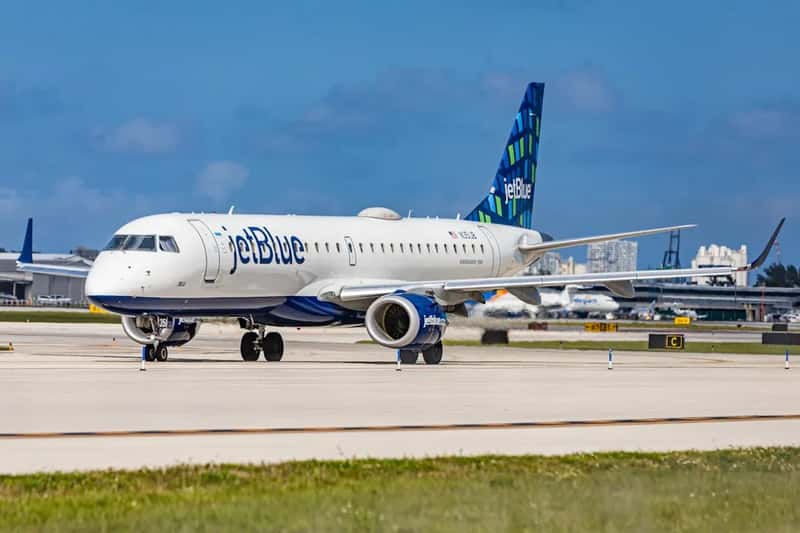
While the major legacy carriers have posted strong stock performance amid this pricing environment, smaller and less financially stable airlines are in a tougher spot, and that further reduces the odds of a broad fare rollback. JetBlue’s situation illustrates the pressure smaller carriers face after years of thin or negative profitability. That’s particularly challenging for smaller carriers like JetBlue, which hasn’t turned a profit since 2019.
JetBlue’s own CEO has cautioned that even a resolution to the geopolitical situation wouldn’t flip a switch back to cheaper flying. “Even if the war were to end, we’re not planning for oil prices to snap back overnight,” said Joanna Geraghty, JetBlue’s CEO, speaking with Bloomberg at the IATA meeting in Brazil. “We think it’s going to be a longer, protracted sort of unwind of the escalated fuel prices.” When even the airlines under the most financial pressure are bracing for a slow unwind, it’s a strong signal that meaningful fare relief isn’t arriving quickly for anyone.
What Travelers Can Actually Expect Going Forward
The seasonal calendar does offer some hope, though it comes with caveats. Fares historically ease once the peak summer travel rush winds down, and this year is expected to follow that familiar rhythm rather than break from it entirely. Some cheaper tickets are likely coming this fall, but that’s because fares regularly come down after the busy summer travel season, though that doesn’t mean fare increases are over, and experts still expect the same percentage increase this fall compared to 2025.
For travelers with flexibility, timing still matters enormously. Data from the airfare app Going suggests genuine savings are possible for those who can shift their trip to the tail end of summer. Historically, traveling at the end of August is roughly 23% cheaper compared to any other time over the summer, according to Going data. Beyond that, most analysts agree the real test comes later in the year, once capacity decisions and demand patterns settle into whatever the new normal turns out to be.
The Bigger Picture
What’s unfolding this year isn’t simply a story about oil markets or a single geopolitical shock. It’s a case study in how airline pricing actually works, which turns out to have far less to do with fuel costs than most travelers assume. Demand, seat supply, competitive pressure, and corporate strategy all matter more day to day than whatever jet fuel happens to cost on a given Tuesday.
The honest takeaway is that airfares behave asymmetrically: they climb quickly when costs spike, and they descend far more reluctantly once those costs ease. Until competition returns in force, capacity expands meaningfully, or demand finally softens, don’t expect the kind of dramatic fare relief that falling fuel prices alone would seem to promise.