Walking home after an evening out shouldn’t feel like rolling the dice with your safety, yet millions of Americans experience that exact knot of anxiety when the sun goes down. There’s something uniquely unsettling about empty streets, dim lighting, and the echo of your own footsteps that triggers an almost primal response. Most people brush it off as paranoia or chalk it up to watching too many crime dramas, but the reality is far more nuanced than that. This fear isn’t just in your head, and understanding where it comes from might actually help you navigate nighttime streets more confidently.
The truth is, your unease about walking at night in American cities stems from a mix of legitimate safety concerns, urban design failures, and statistical realities that vary wildly depending on where you live. Some neighborhoods genuinely do pose heightened risks after dark, while others remain perfectly safe despite feeling creepy. Meanwhile, factors like inadequate street lighting, car-centric infrastructure, and actual crime trends all play into whether your fear is justified or overblown. Let’s break down exactly what’s making you nervous and separate the real dangers from the imagined ones.
The Darkness Factor Makes Streets Feel Dangerous
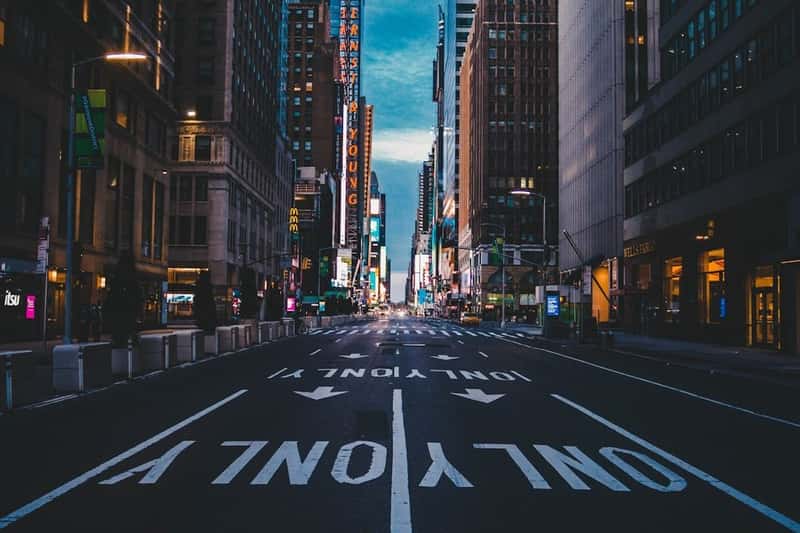
The nighttime fatality rate on the Nation’s roadways is three times higher than the daytime rate, and 76 percent of pedestrian fatalities occur at night. That’s a staggering statistic when you really think about it. Roughly three out of every four pedestrian deaths happen when the sun goes down, which makes the instinct to fear nighttime walks entirely rational.
Almost the entire increase in pedestrian deaths has occurred on urban arterial roads and after dark. These busy city roads are built to move traffic quickly between areas, yet they often lack proper lighting or appropriate sidewalks where pedestrians can feel secure. Around 72% of pedestrian fatalities occurred at night on average during the 2015–2019 period in the United States, and honestly, when you’re walking alone in dim light with cars speeding past, that vulnerability becomes very real.
Crime Statistics Tell a Complicated Story

Nearly 80% of Americans worry about crime and violence “a great deal” or “a fair amount,” and 63% of respondents described crime in the U.S. as either extremely or very serious – the highest percentage since Gallup began asking the question in 2000. The disconnect between improving numbers and growing fear is striking. Crime remains concentrated in particular cities, and in many cases, smaller communities have rates far exceeding the national averages, so your actual risk depends heavily on where you live.
Certain Cities Remain Genuinely Risky After Dark

Memphis once again topped the list, with a violent crime rate nearly six times the national figure, while Detroit and Baltimore also recorded rates more than triple the U.S. average. Let’s be real: if you live in one of these cities, your fear isn’t irrational. Memphis, Tennessee, had the highest violent crime rate of a 100,000+ population, with 2,501 violent crimes per 100,000 residents in 2024, followed by Oakland, California, and Detroit, Michigan, at 1,925 and 1,781, respectively.
In cities examined, researchers found that a large majority of pedestrian fatalities occurred on busy city roads at night, and a disproportionate number of these pedestrian deaths occurred in socially and economically disadvantaged neighborhoods. The infrastructure in these areas often fails residents completely. Poor lighting, missing sidewalks, and high-speed traffic create a perfect storm of danger.
Infrastructure Design Prioritizes Cars Over People
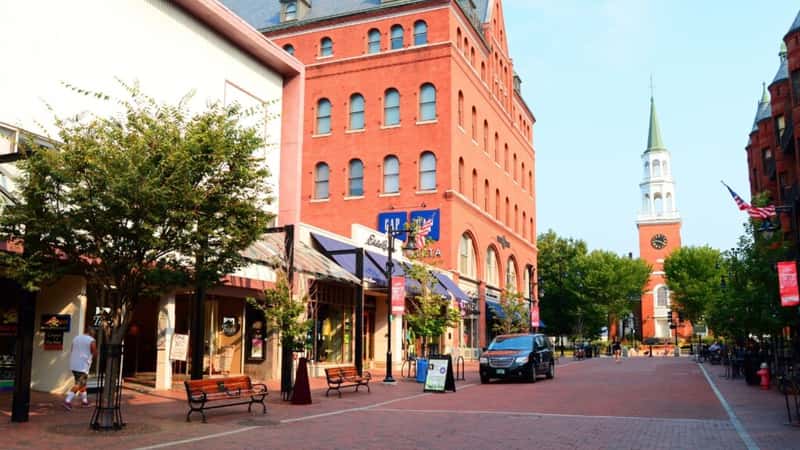
American streets weren’t designed with pedestrians in mind, particularly at night. Most of the nighttime pedestrian crashes at segments are associated with roadways with no physical separation and the absence of streetlights, along with driver alcohol involvement and their physical condition (inattentive/distracted), based on research published in the Journal of Safety Research.
Pedestrians and vehicles often share congested roads that are not always well-lit or have appropriate sidewalks, crosswalks, or traffic signals on urban arterial roads. With improved illumination, pedestrian injuries are reduced by half, nighttime crash rates decrease significantly, and instances of crime decrease. Technology exists to make streets safer, yet implementation remains frustratingly slow in many communities.
Reduced Visibility Creates Real Danger from Vehicles
Over 75% of pedestrian fatalities happen at night, and an average of 23 roadside assistance providers, including tow providers, are struck and killed each year. In 2023, an estimated 7,314 pedestrians were killed, and 68,000 were injured, which is the equivalent of one pedestrian death every 72 minutes. The darkness simply makes it harder for drivers to see you, even when they’re paying attention.
Personal Safety Concerns Beyond Traffic
While overall crime rates have dropped, robbery remains a legitimate concern at night. Robbery incidents totaled 205,952, accounting for 16.9% of violent crimes with a rate of 60.6 per 100,000 inhabitants, and robberies decreased 8.9% from 2023. That’s still thousands of violent encounters happening on American streets.
The Fear Is Often Justified by Location

Your fear depends entirely on where you’re walking. A well-lit street in a low-crime suburb poses minimal risk. A poorly lit arterial road in a high-crime urban area presents genuine danger from both traffic and crime. The national improvements in crime rates offer little comfort when your specific neighborhood remains dangerous after dark.