There’s no single moment when it started. No headline, no viral TikTok trend, no government campaign. Just a slow, steady drift of retirees, remote workers, and regular families deciding that a two-bedroom condo overlooking the Pacific in Panama City makes more financial sense than a starter home in Ohio or Florida.
The numbers back up the instinct. Americans aren’t chasing an exotic fantasy so much as running the math on what a dollar buys on either side of the equator, and increasingly, that math points south.
The US housing squeeze is pushing people to look elsewhere

Back home, the picture hasn’t gotten much friendlier for buyers. The median sales price of homes sold in the US reached $410,800 in the second quarter of 2025, according to the Federal Reserve Bank of St. Louis. A 10% down payment would cost first-time home buyers more than $40,000 upfront. That kind of entry fee changes what people are willing to consider.
The majority of Americans reported a delay in their homeownership dreams, largely citing their inability to afford homes on their local market, or difficulty in finding a home that met their needs. Buyers who can afford to pay in cash will likely continue to dominate the real estate market in 2026, and for Americans planning to make the leap to homeownership this year, it pays to have deep pockets. For someone sitting on savings but priced out of a comparable US market, a country where that same cash stretches three or four times further starts to look less like a gamble and more like common sense.
Foreigners can buy property with almost no restrictions

Part of what makes Panama different from many of its neighbors is how little red tape stands between a foreign buyer and a signed deed. As of early 2026, US citizens can legally buy residential property in Panama with nearly the same rights as Panamanian nationals, making it one of the most foreigner-friendly real estate markets in Latin America. There’s no requirement to partner with a local, no special foreign-buyer registry, nothing that treats an American differently at the closing table.
The Panamanian Constitution grants foreigners the same property rights as citizens, and buyers can own titled property outright in their personal name or through a Panamanian corporation or foundation. Unlike some neighboring countries, buyers do not need a local partner or a residency permit to buy land. That single fact removes a huge amount of friction that trips up buyers in other Latin American markets, and it’s a big reason word has spread among Americans comparing options abroad.
Home prices that still feel almost normal
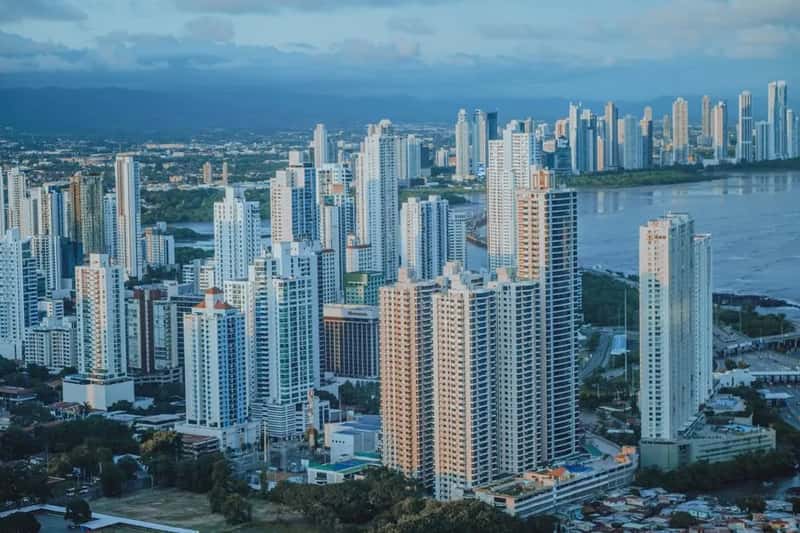
What actually pulls people in, though, is what their money buys. As of early 2026, the typical home price in Panama nationwide sits at around $140,000, while properties in Panama City average closer to $210,000 due to the concentration of higher-value condos. Compare that to the US median above four hundred thousand and the gap starts to explain a lot of one-way flights.
Prices do shift by neighborhood. In prime areas like Punta Pacifica or Costa del Este, buyers can expect to pay between $2,800 and $3,500 per square meter for high-end apartments, while modern one-bedroom apartments in places like San Francisco or El Cangrejo start around $190,000. Head to the mountains and the math changes again, since a detached three-bedroom home with mountain views in Boquete typically ranges from $300,000 to $550,000. There’s genuine variety here, which means buyers with different budgets and different priorities all tend to find something that fits.
The Pensionado visa turns a modest pension into a residency card
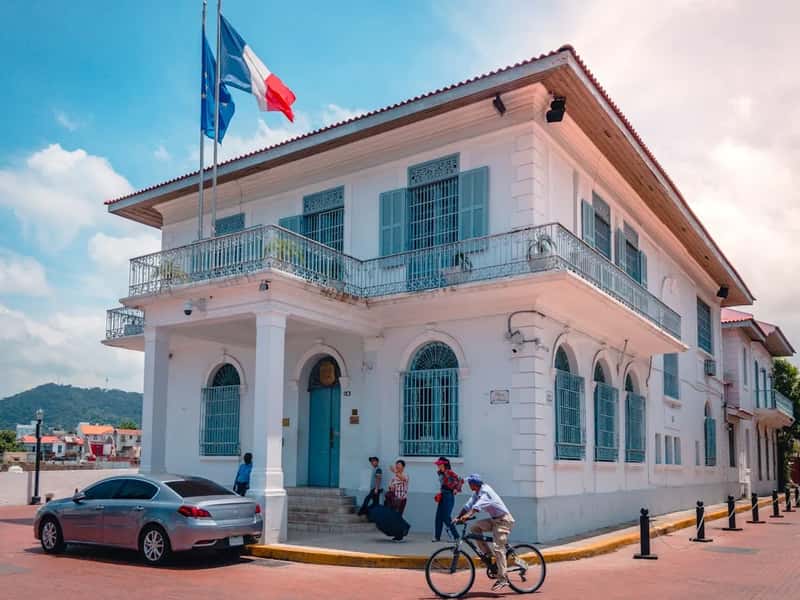
For retirees specifically, Panama offers something few other countries match. The Panama Pensionado Visa is a residency permit that allows applicants to retire in Panama for life, so long as they have a lifetime pension or annuity of at least $1,000 USD per month. The only residency requirement is that they spend at least one day in Panama each calendar year. For a Social Security recipient, that bar is remarkably low.
The approval odds are unusually favorable too. The visa reportedly has a 97% approval rate, and almost 2,000 were granted in 2024. On top of that, holders get discounts including 50% off entertainment and Monday through Thursday hotel stays, 25% off airline tickets and restaurants, and 20% off medical consultations. It’s not exaggeration to call it one of the more generous retirement programs on offer anywhere in the world right now.
The Friendly Nations Visa gives working-age buyers a path too
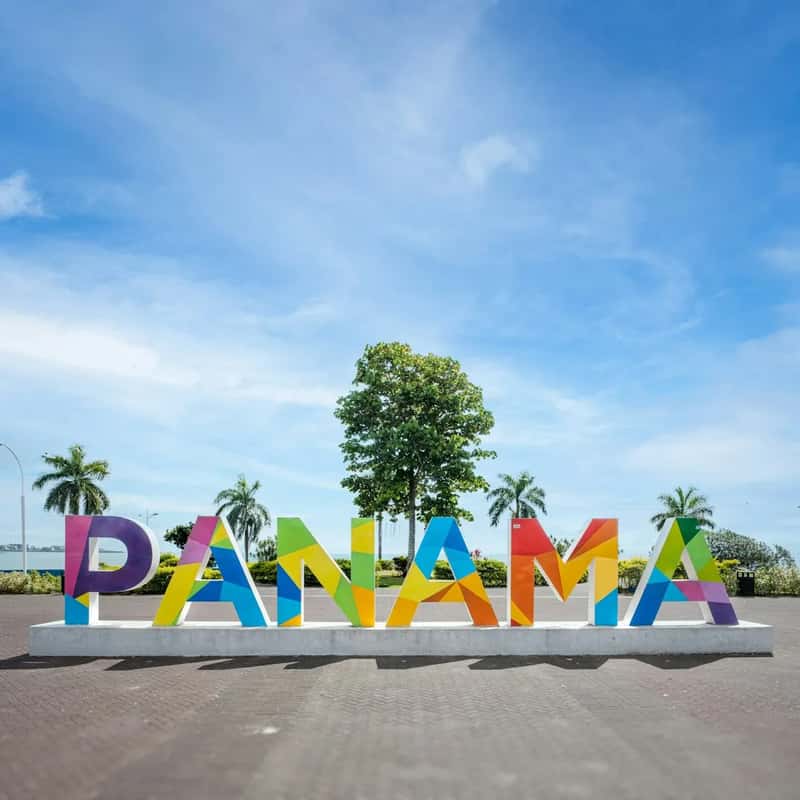
Retirees aren’t the only ones with an easy on-ramp. Americans can qualify through three routes: getting a job with a Panamanian company employing at least 10 locals, buying property worth at least US$200,000, or depositing US$200,000 in a General License Panamanian bank for three years. The rules got stricter a few years back, though. Panama issued Executive Decree 197 in May 2021 and eliminated the old corporation-formation shortcut that had attracted applicants by the tens of thousands.
Even with the tighter framework, the visa still leads somewhere useful. The Friendly Nations Visa gives two years of provisional residency that converts to permanent residency, with citizenship possible after five more years. For an American who buys a $250,000 place in Costa del Este, the property purchase itself can double as the residency application, which is a fairly efficient way to solve two problems with one transaction.
A dollar economy removes a layer of financial anxiety

One detail that gets underappreciated: Panama doesn’t have its own currency risk to worry about. Panama uses the US dollar as its official currency, pegged 1:1 to the Balboa, so American retirees face zero currency conversion risk since Social Security and pension payments arrive and are spent in the same dollars. That’s a meaningful difference from, say, buying in Mexico or Costa Rica, where exchange rates can quietly erode a fixed income over time.
The dollarization cuts both ways for financing decisions too. Panama’s dollarization means US Federal Reserve rate cuts translate almost directly into better mortgage affordability for Panamanian homebuyers, making 2026 a more accessible year for financing. It’s a subtle mechanic, but it means American buyers aren’t navigating a foreign monetary policy on top of everything else. The financial plumbing already speaks their language.
Healthcare costs that actually make retirement math work

For anyone weighing a move abroad, healthcare tends to be the deciding factor, and Panama holds up well here. Panama has emerged as an attractive destination for expats and medical tourists seeking affordable, high-quality healthcare, with medical expenses running at 25% to 50% of what patients would pay elsewhere. Private healthcare in Panama remains significantly more affordable than in the United States, with costs typically around 50% to 75% lower.
Day-to-day care is cheap enough to barely register as a budget line. Health insurance can cost under $200 a month if applied for before age 64, and even with zero insurance, doctor’s visits can cost as little as $20, with some services offered for free or for nominal fees of $2 to $5. For a retired couple used to US insurance premiums, that gap alone can justify the move before housing even enters the conversation.
Where Americans are actually settling
The buying pattern isn’t random, it clusters. Costa del Este remains Panama’s most liquid residential market, where properties sell faster and hold value better than almost any other neighborhood in the country. Meanwhile, the Panama Oeste corridor, especially areas near the upcoming Metro Line 3 stations, is quietly becoming the best value play for buyers who want appreciation without paying Panama City prices.
Outside the capital, the appeal is different but just as strong. Boquete and Coronado coastal properties behave more like second-home markets, with prices driven by expat demand cycles rather than local economic fundamentals. Established communities help too, since Panama City hosts established communities of US and Canadian citizens, European professionals, and Latin American business families, with active InterNations chapters, yacht clubs, golf clubs, and English-language networking events that make social integration faster than in many comparable destinations. That combination of familiar faces and English-friendly services eases a transition that could otherwise feel isolating.
Taxes are lighter on foreign income than most Americans expect
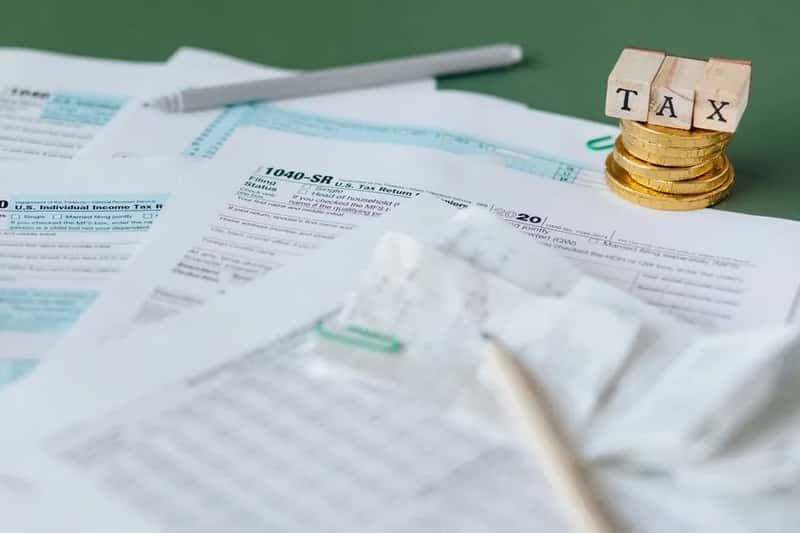
Panama’s tax system rewards people who earn their money elsewhere and simply spend it locally. Panama uses a territorial tax system, meaning income earned from abroad is not taxed in Panama. For a retiree living off a US pension or a remote worker billing American clients, that structure can mean a noticeably lighter tax load than staying in the States.
There’s still paperwork on the US side that doesn’t disappear just because someone relocates. The Foreign Earned Income Exclusion lets qualifying filers exclude up to $132,900 of Panama-sourced earned income using Form 2555, though they must also report foreign financial assets exceeding $200,000 for single filers or $400,000 for joint filers on Form 8938. It’s not a loophole so much as a legitimate framework, but it’s complicated enough that most serious buyers hire a cross-border accountant before they sign anything.
The window may not stay this open forever
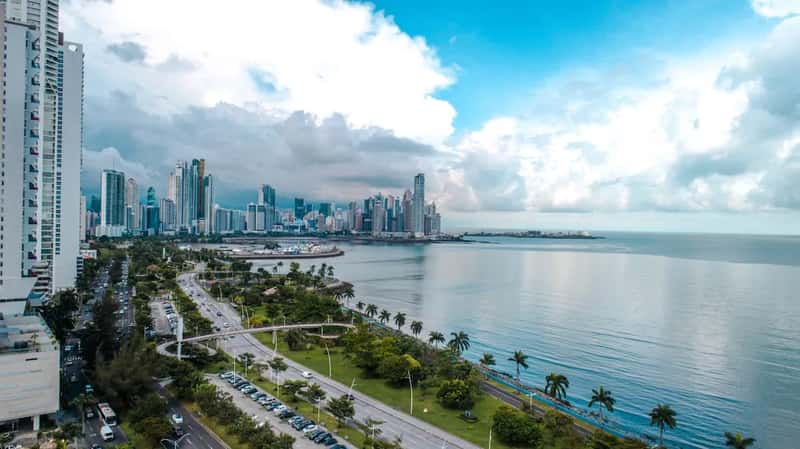
None of this is static, and a few signals suggest the terms could tighten. The minimum investment threshold for the Qualified Investor Visa, which was $300,000, is set to increase to $500,000 by late 2026, so anyone hoping to qualify at the lower rate is watching the calendar closely. That’s a meaningful jump for buyers who were planning around the lower figure.
The broader market isn’t expected to shut its doors, though. Panama is not moving toward a broad foreign-buyer ban, so the larger rule change for residential prices is the preferential mortgage framework for local lower and mid-price homes, with the most likely foreign-buyer change being stricter enforcement and paperwork around rental use, tax compliance, and tourism permits rather than a direct ban on foreign ownership. In other words, the fundamentals that drew Americans here in the first place, easy ownership, dollar pricing, and a straightforward residency path, still hold. The specific numbers attached to certain visa categories are simply worth checking before locking in a plan.
A move that’s less about escape and more about arithmetic
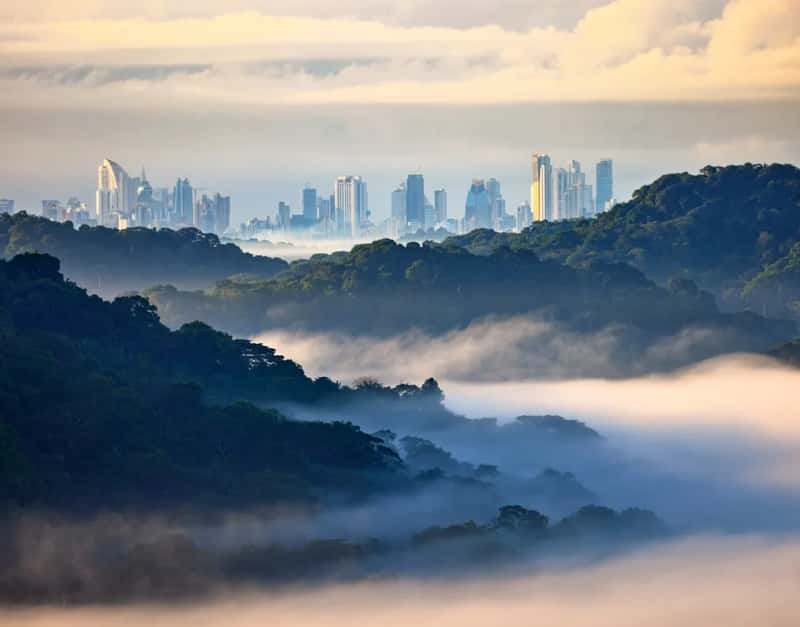
What stands out about this trend isn’t drama. It’s the opposite. Americans buying in Panama aren’t fleeing anything so much as running honest numbers on housing, healthcare, and taxes, and landing on a country that happens to use their own currency and welcome their money without much friction.
Whether that calculus stays this favorable depends on policy decisions still being written in Panama City’s ministries. For now, though, the appeal is simple enough that it doesn’t need embellishment: a lower price tag, a workable visa, and a dollar that spends the same on both sides of the flight.