For years, Costa Rica was the obvious answer when someone mentioned a Central American vacation. Lately, though, the region’s map has started to look different. Travelers who once defaulted to Costa Rica are increasingly landing in Panama, El Salvador, Nicaragua, and beyond, and the reasons behind that shift are worth unpacking one country at a time.
Costa Rica’s rising costs are sending travelers elsewhere
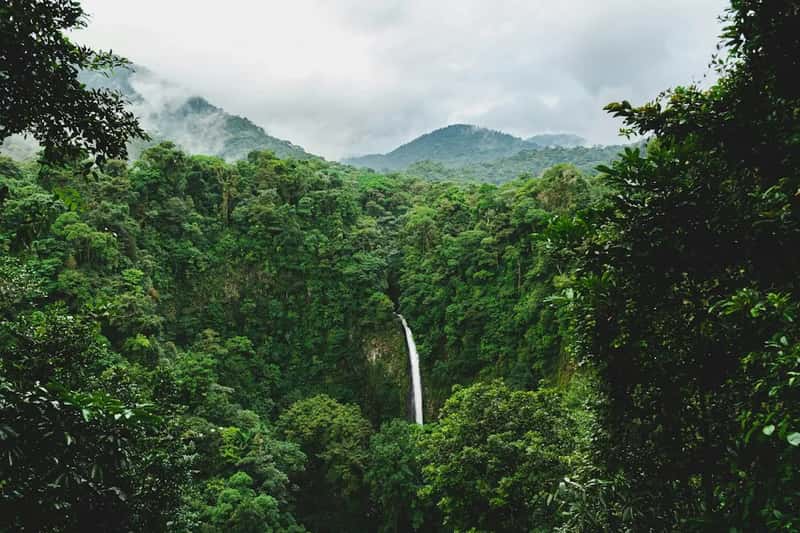
The math on a Costa Rica vacation has changed noticeably in the past couple of years. The average vacation cost, excluding flights, has risen from $5,500 in 2022 to $7,800.[1] That kind of jump is hard to ignore for families comparing options across the region.
The country’s currency has made things worse for dollar-holding visitors. The Costa Rican colón’s appreciation, now at 512 per U.S. dollar from 614 in 2022, has increased costs by 15 to 20 percent for Americans, per the National Chamber of Tourism.[1] Industry voices have been blunt about the fallout, noting that this has led U.S. tourists to choose cheaper destinations like Panama or the Dominican Republic or to shorten trips.[1]
Panama’s tourism numbers are breaking records
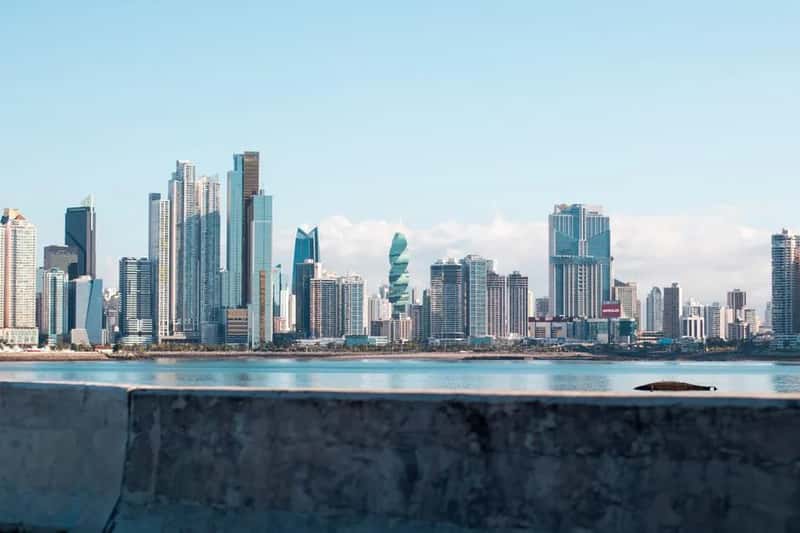
Panama has quietly become the biggest beneficiary of Costa Rica’s slowdown. Panama drew a record 1.75 million international visitors in the first half of 2026, a 17.4% increase compared to the same period in 2025.[2] That growth wasn’t a fluke tied to one good season either.
Officials describe it as part of a longer trend, pointing out that the 1.75 million figure represents a structural upswing, not a one-time spike, building on a strong 2025, when Panama received 3,004,266 international visitors and generated US$6.583 billion in tourism revenues, excluding international transport.[2] Americans remain the driving force behind those numbers, since the United States remains the dominant source market, with Canada, Mexico, Argentina, Colombia, and Ecuador following as key feeder nations.[2]
El Salvador’s safety turnaround is reshaping its image
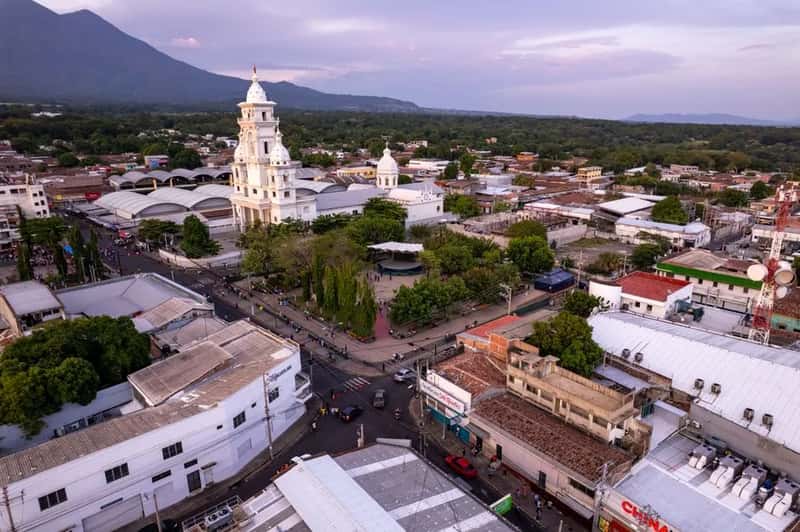
Ten years ago, El Salvador was rarely mentioned as a travel destination. That reputation has flipped almost entirely, and the shift shows up directly in the numbers, with the country recording a historic 4.1 million international visitors in 2025, the highest annual figure the country has ever seen.[3]
The security story behind that surge is well documented. The United States upgraded El Salvador’s travel advisory to Level 1 in 2025, its lowest-risk category for American travelers.[4] That change followed a dramatic drop in violent crime, and travel officials have noted that U.S. travelers, who account for nearly 40% of visitors, now fly in directly from major cities, filling hotels to capacity during peak times.[5] It’s a remarkable turnaround for a country once associated almost entirely with gang violence.
Nicaragua emerges as a budget-friendly alternative
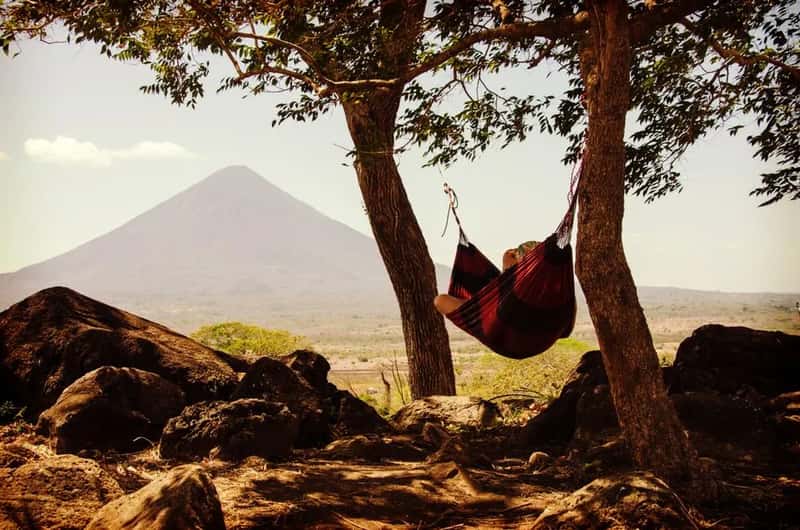
Nicaragua has long shared Costa Rica’s volcanoes, lakes, and colonial towns at a fraction of the price, and travelers appear to be noticing. The country’s landscape offers a similar experience for less money, with Nicaragua known for its volcanic landscapes, with Masaya Volcano and San Cristóbal offering some of the region’s best hiking experiences, while the Islands of Ometepe, formed by two towering volcanoes, are another highlight for nature lovers, and the colonial cities of Granada and León provide rich historical experiences.[6]
Regional growth data backs up the anecdotal shift toward Nicaragua as a value destination. Earlier tourism recovery figures showed Nicaragua posting some of the sharpest percentage gains in the region, part of a broader pattern where this growth is particularly notable in countries such as Nicaragua, Guatemala, Honduras, Costa Rica, Mexico, and Colombia.[7] For budget-conscious travelers who still want jungle hikes and lake towns, Nicaragua checks a lot of the same boxes Costa Rica used to.
Guatemala draws culture and adventure seekers
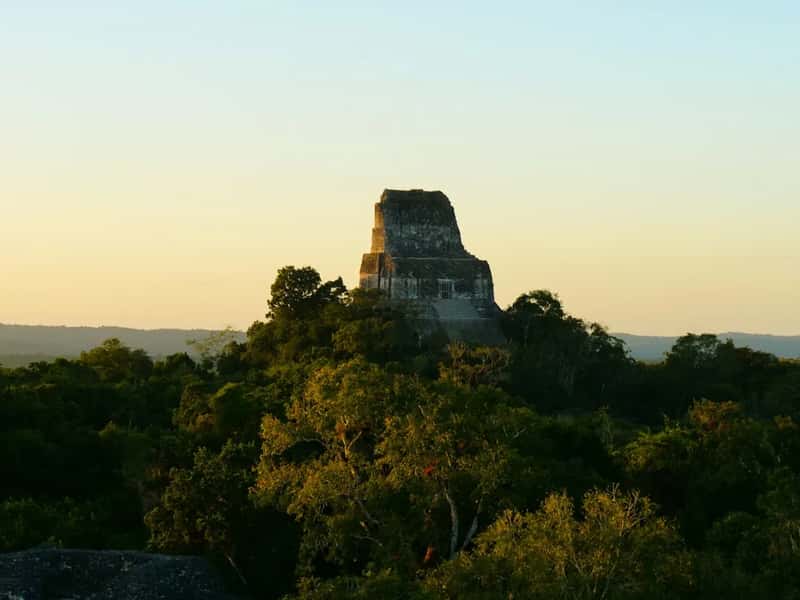
Guatemala’s appeal rests less on beaches and more on history, and that distinction has helped it carve out its own lane. The country continues attracting visitors interested in archaeology, culture, and outdoor adventures, since Guatemala continues attracting visitors interested in archaeology, culture, and outdoor adventures, with ancient Maya sites, volcanic landscapes, and colonial towns creating unique experiences that appeal to international travelers.[8]
The country has also benefited directly from travelers rerouting away from pricier options. Analysts tracking the region noted that Mexico and Guatemala gained travelers through lower prices, broader attractions, aggressive marketing, and expanding air connectivity from North America and Europe.[9] For American tourists weighing Tikal’s ruins against Costa Rica’s rainforest lodges, price has increasingly tipped the decision toward Guatemala.
Belize holds its own with marine tourism
![Belize holds its own with marine tourism (Source: [1], fetched September 2006. Caption on this USGS web page was, "Blue Hole: Aerial view of the 400-ft-deep oceanic blue hole (Lighthouse Reef Atoll Blue Hole) located east of Belize.", Public domain)](https://travelbinger.com/cdn-cgi/image/width=800,quality=60,format=auto,fit=cover/https://nvmwebsites-budwg5g9avh3epea.z03.azurefd.net/travelbinger/c7c6a809e0d72ff4f4f53554db682cec.webp)
Belize occupies a smaller but steady niche, built almost entirely around water. The country’s biggest draw remains its reefs, since for those seeking an underwater adventure, Belize is hard to beat, with the Great Blue Hole, a UNESCO World Heritage Site and one of the world’s top diving destinations, keeping it a top destination.[6]
Spending patterns suggest Belize’s visitors, while fewer in number than Panama’s or El Salvador’s, tend to spend generously once they arrive. Regional tourism trackers have pointed out that average daily spending in Belize is nothing to scoff at, but its considerable coastline and marine-based attractions draw tourists with some of the highest spending capacities in Central America.[10] That combination of high-value, lower-volume tourism keeps Belize relevant even without Panama-style headline numbers.
Regional travel agreements make border hopping easier
One underappreciated factor in this shift is bureaucratic, not scenic. Several Central American nations have streamlined how visitors move between them, and the Central America-4 Border Control Agreement lets visitors move freely among El Salvador, Guatemala, Honduras and Nicaragua for up to 90 days on a single entry.[3]
That kind of policy change matters more than it might seem at first glance. It means an American tourist can now build a multi-country itinerary across four nations without repeated visa hassles, something that simply wasn’t as smooth a decade ago. For travelers deciding where to spend two or three weeks, the ease of combining destinations has made the region as a whole more appealing than any single country alone.
Currency dynamics favor dollarized economies

Money matters in ways that go beyond sticker prices, and currency structure is one of them. Panama’s use of the U.S. dollar removes a layer of uncertainty that Costa Rica’s fluctuating colón has introduced, since Panama’s use of the US dollar eliminates currency risk, making it attractive for hospitality and residential real estate investment.[2]
That stability extends to everyday tourist spending, not just investment decisions. When a traveler can budget in the same currency they earn, without worrying about exchange rate swings eating into their trip, the calculation becomes simpler. El Salvador shares this dollarized advantage, and it’s part of why both countries have found it easier to market themselves as predictable, budget-friendly options compared to a Costa Rica where the exchange rate has moved sharply in recent years.
Airlines are expanding connections across the region
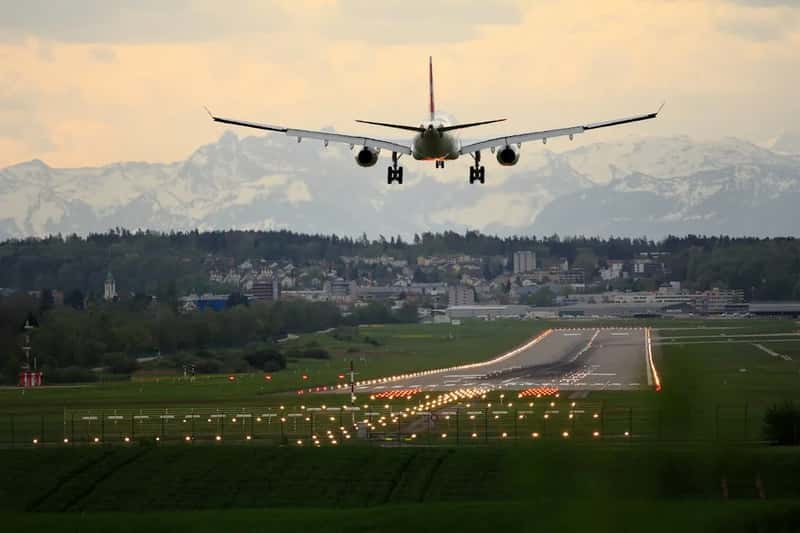
None of this growth happens without better flight access, and airlines have clearly taken notice of the demand. Panama’s surge, for instance, has been tied directly to aviation expansion, with growth driven by a strong US market, expanded airline routes including new connections like Quito-Rio Hato, 86 incentivized events, and promotional partnerships with platforms like Expedia, Despegar, and Copa Airlines.[2]
El Salvador has followed a similar playbook, pairing security improvements with infrastructure investment. Reports on the country’s momentum note that the country’s active efforts to enhance air connectivity, improve infrastructure, and provide a seamless entry process have all contributed to making El Salvador a go-to destination.[11] More direct routes mean fewer layovers and lower fares, which in turn makes it easier for American travelers to choose a neighboring country over Costa Rica almost on impulse.
The bigger picture
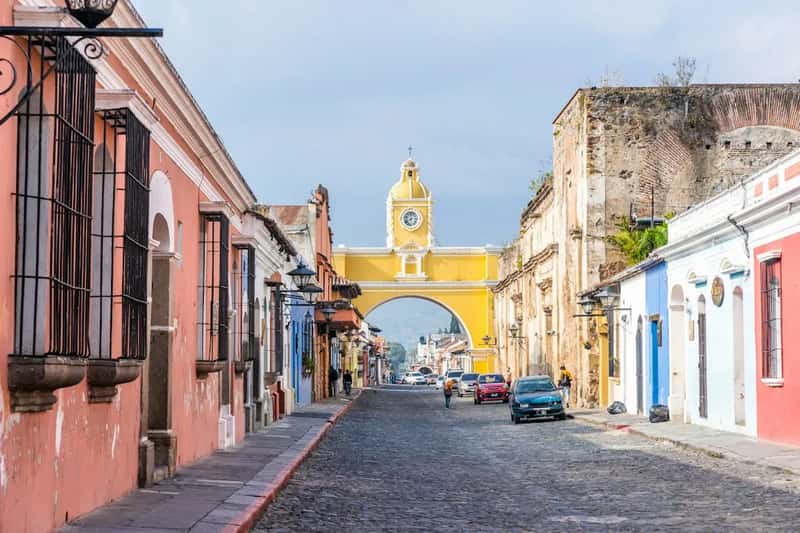
What’s happening across Central America isn’t really about Costa Rica losing its appeal so much as the rest of the region finally catching up on infrastructure, safety, and affordability. Panama’s dollarized economy, El Salvador’s dramatic safety turnaround, and Nicaragua’s lower price points have each pulled American travelers in different directions for different reasons. The result is a more competitive, more interesting regional tourism map than existed even five years ago, and for travelers willing to look beyond the country that made this part of the world famous, the options have never been better.