I used to be the person who counted down the days until the next cruise. The idea of unpacking once, waking up in a new port, and eating dinner while the horizon slid by felt like the smartest way to see the world. Somewhere along the way, though, that feeling wore thin, and it took me a while to figure out exactly why.
This isn’t a takedown of cruising as an industry. Millions of people still love it, and the numbers back that up. But my own relationship with it changed, and it led me toward a completely different rhythm of travel that I didn’t expect to enjoy nearly as much as I do now.
The cruise that made me start questioning everything
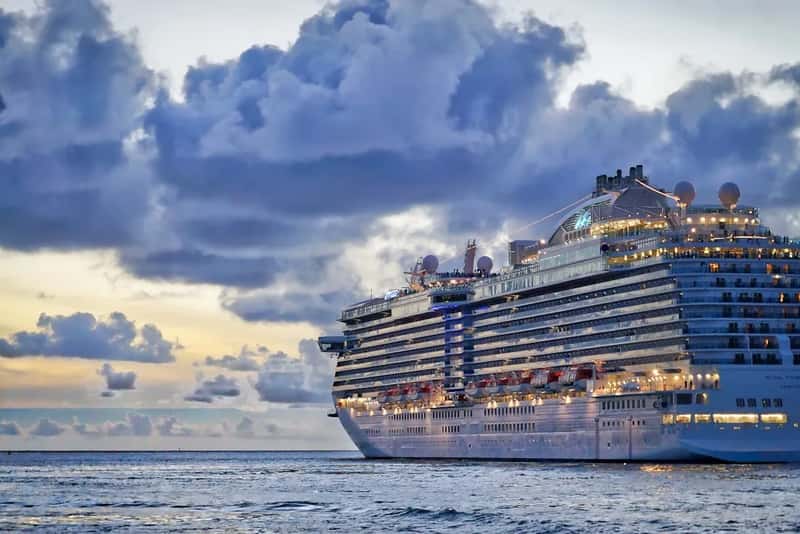
It was a seven night Caribbean sailing, the kind of trip that looks perfect on paper. Four ports, a balcony cabin, and a schedule that promised something new every single day. By day three, though, I noticed I couldn’t remember which island we’d actually been to that morning.
The ship itself had become the destination, and the ports felt like brief errands in between. I’d step off, buy a coconut drink, take a photo near a sign, and step back on. That’s when the first crack appeared in how I thought about the whole experience.
All-inclusive started to feel like all-controlled
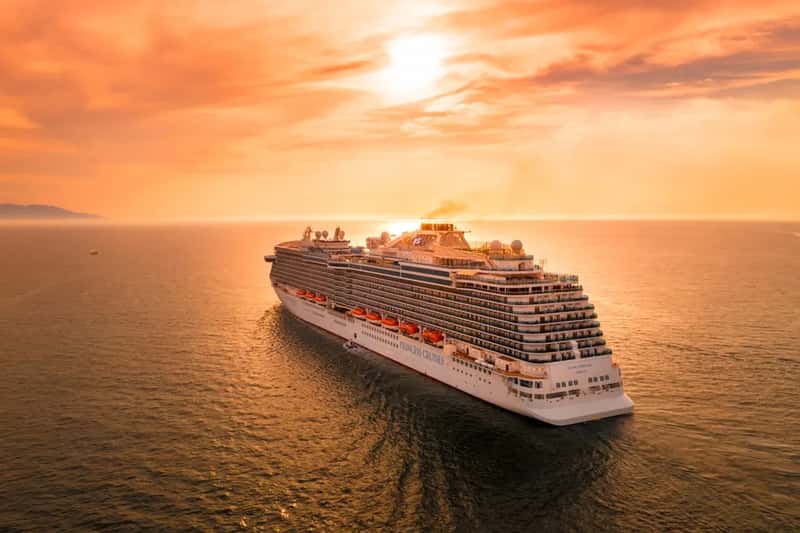
The pitch for cruising has always been convenience. One price, endless food, no decisions to make. For a while that sounded like freedom, but eventually it started to feel like the opposite.
Meals happened on a schedule I didn’t set. Excursions were pre-packaged and timed to the minute. Even the sense of spontaneity I associate with real travel, wandering somewhere just because a street looked interesting, had almost no room to exist inside that structure.
The crowds got bigger, not smaller
A record-high 37.2 million people took cruise vacations in 2025, according to figures from the Cruise Lines International Association, up from 34.6 million passengers in 2024 and 31.7 million in 2023.[1] Those aren’t small increases. AAA projects a record 21.7 million Americans will embark on ocean cruises in 2026, marking the fourth consecutive year of record passenger volume for the cruise industry.[2]
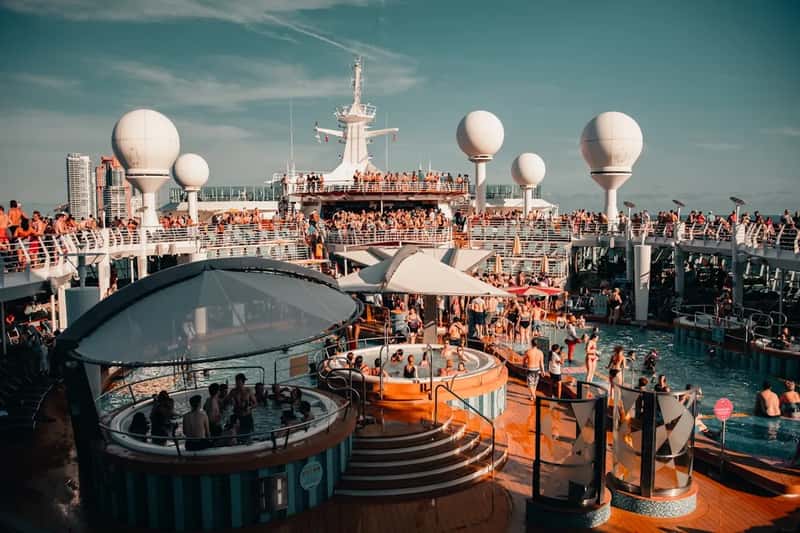
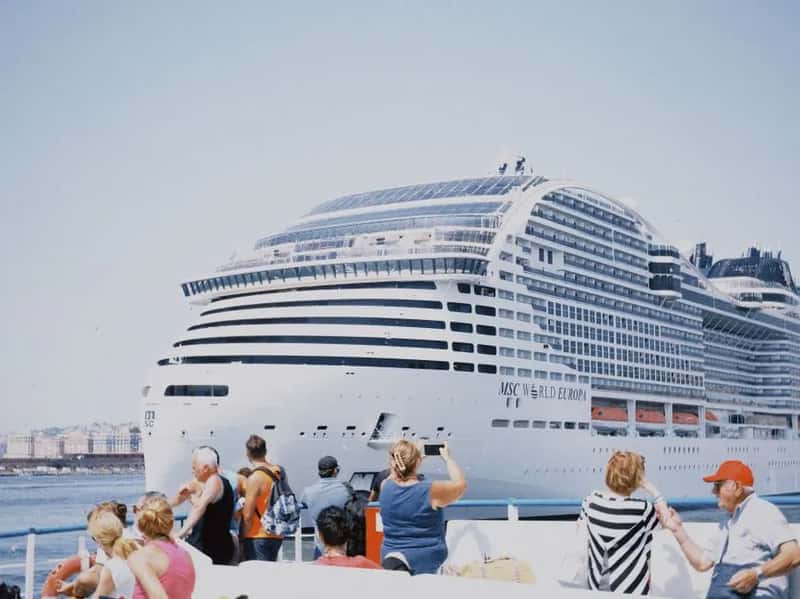
Bigger ships and more passengers mean busier everything, from buffet lines to shore excursions. The Caribbean remains the most popular cruise destination for Americans, attracting 72% of U.S. cruise passengers, and Florida’s ports, including Miami, Port Canaveral, and Fort Lauderdale, are the busiest in the world due to this demand.[2] Standing shoulder to shoulder with thousands of other passengers trying to squeeze the same island into a six hour window stopped feeling like a vacation and started feeling like a logistics exercise.
Ports turned into extensions of the ship
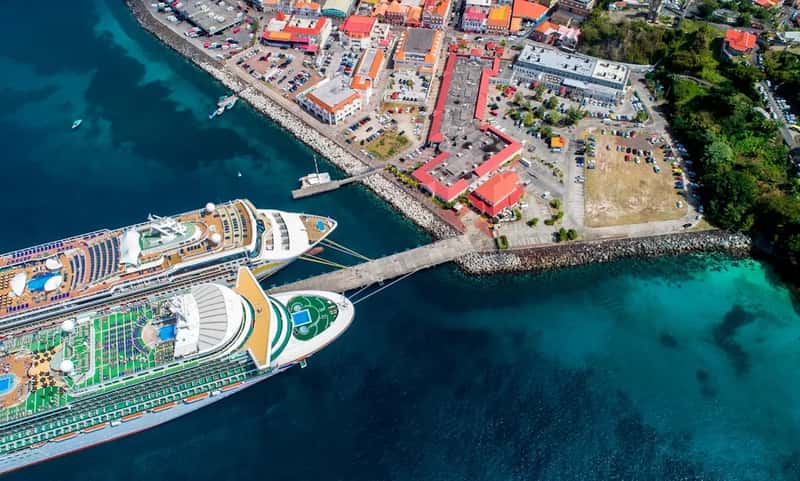
Cruise ports increasingly cater to the volume of people arriving rather than the character of the place itself. Souvenir shops, chain restaurants, and pre-arranged taxi lines dominate the areas closest to the docks. It’s efficient, but it rarely feels like the country you actually came to see.
Port Canaveral has become the world’s busiest cruise port, handling over 8.5 million cruise passengers in 2025, up from roughly 8.2 million in 2024.[3] When a single port handles that kind of traffic, local businesses naturally shift toward serving crowds rather than curious individual travelers, and something gets lost in that trade.
The itinerary problem: seeing everything, feeling nothing
A typical cruise squeezes several destinations into a single week. That sounds efficient until you actually try to absorb four different cultures, cuisines, and histories in four separate half days. I found myself remembering photos more than moments.
There’s a difference between visiting a place and passing through it. Cruising, by its very design, leans hard toward the second option. I started craving the version of travel where I actually got to know somewhere, even if that meant seeing fewer places overall.
Prices climbed, but the experience didn’t keep pace
Cruising still markets itself as the affordable vacation option, and for entry-level cabins that can be true. But add drink packages, specialty dining, Wi-Fi, gratuities, and excursions, and the final bill often looks nothing like the advertised base fare.
Meanwhile, the industry keeps expanding its capacity to match demand. CLIA member cruise lines are expected to operate 325 ocean sailings in 2026, representing roughly 690,000 berths globally.[4] More ships and more berths generally mean more competition for onboard revenue, not necessarily better value for the traveler paying for it.
Rethinking what a vacation is actually supposed to feel like
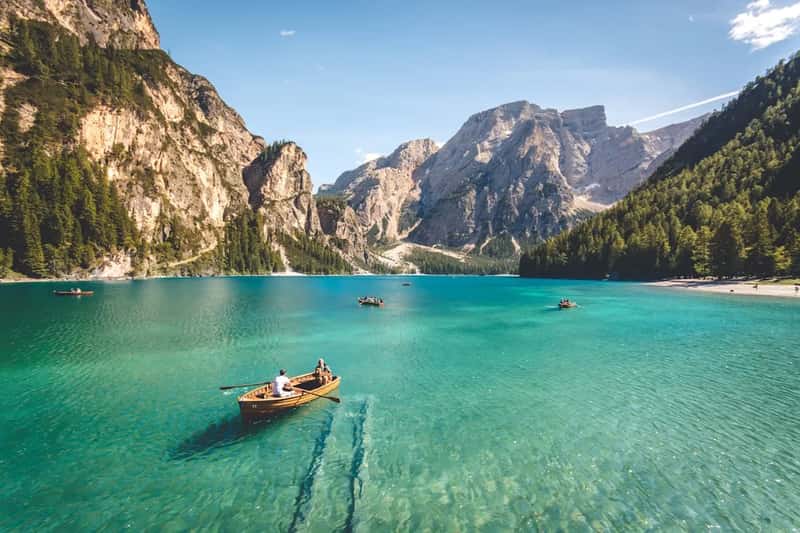
At some point I stopped asking how many places I could see and started asking how a trip made me feel afterward. Restored, or drained. Cruises, for me, had started tilting toward the second category, even though the itinerary looked impressive on paper.
There’s a real difference between coming back from trips feeling restored versus returning from fast travel trips feeling depleted.[5] That distinction sounds obvious once you name it, but it took me years of overpacked itineraries to actually notice the pattern in my own travel habits.
Discovering slow travel almost by accident
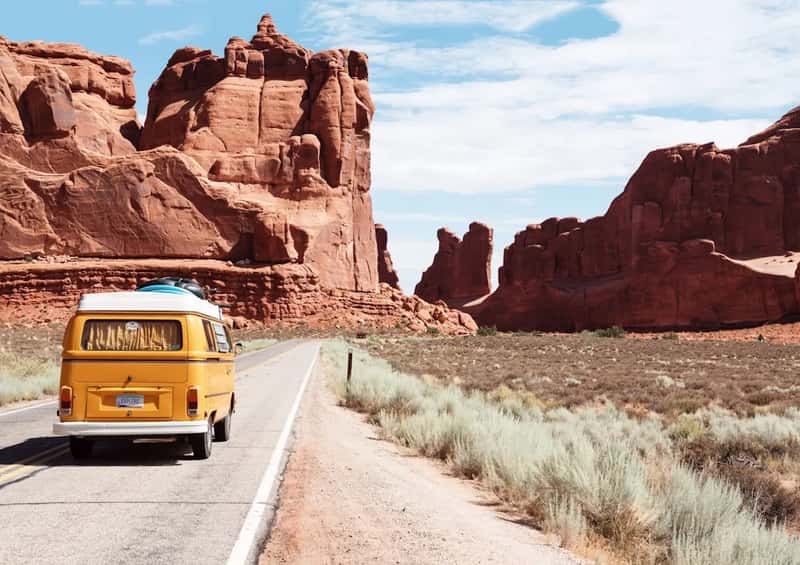
My shift toward a different style of travel wasn’t some grand plan. It started with a work trip that turned into an extra ten days in the same city, and I noticed how differently I felt by the end of it. I wasn’t rushing, and I actually knew where the good bakery was by day four.
It turns out I’m far from alone in that shift. Slow travel is gaining momentum, increasing from 22% in 2025 to 26% in 2026 among long-haul travelers planning trips to Europe, according to the European Travel Commission’s Long-Haul Travel Barometer.[6] A Vrbo survey found that the vast majority of travelers, 91 percent, say they are interested in slower, simpler trips built around rest, reading, nature, and meaningful experiences.[7]
Renting an apartment instead of booking a cabin

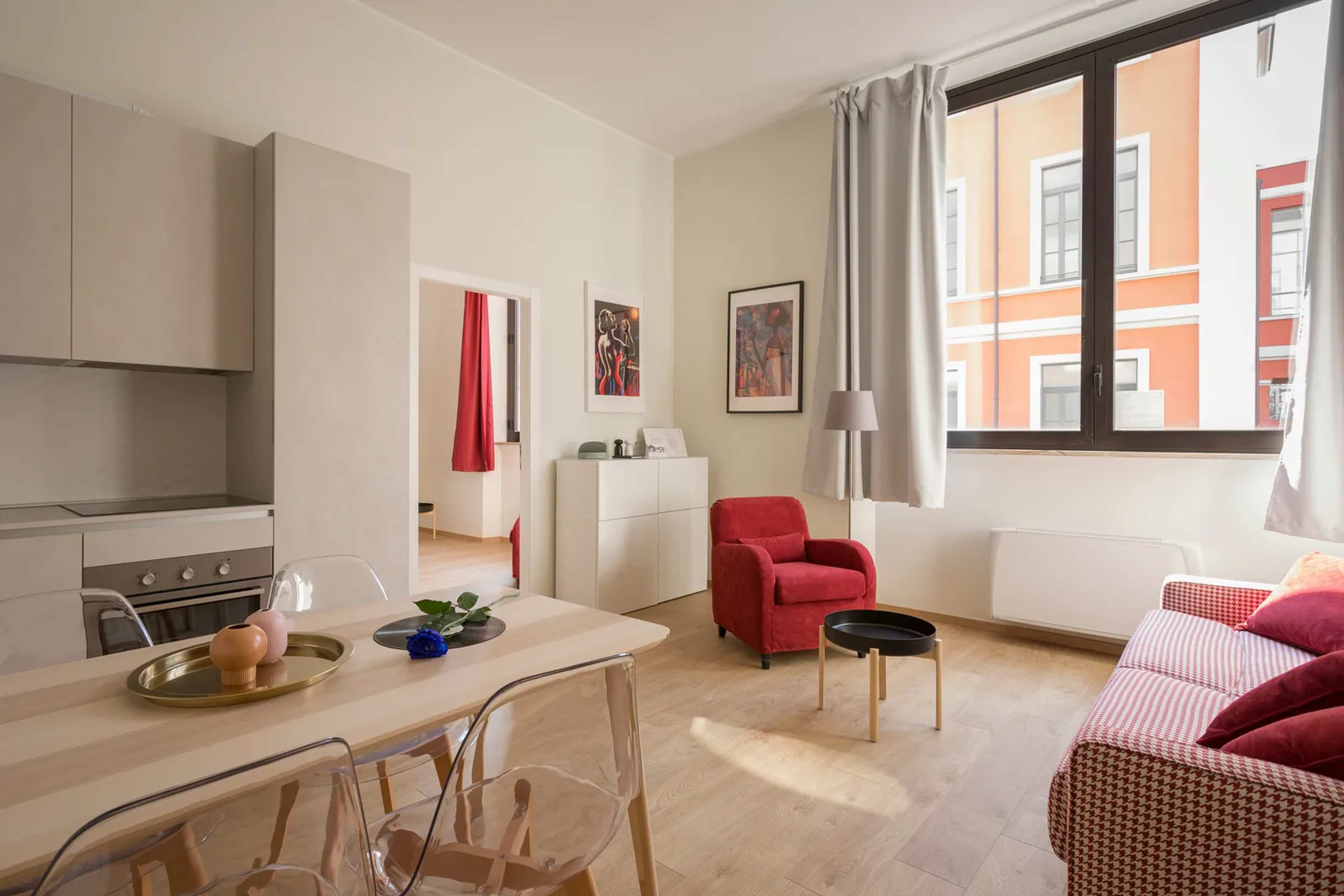
These days, my trips look almost nothing like that Caribbean sailing. I book a small apartment in one city for two or three weeks instead of a cabin that moves between four countries in seven days. I shop at the local market instead of the ship’s buffet, and I cook half my meals.
This kind of extended stay has quietly become mainstream rather than niche. Slow travel, which often means staying in fewer places or immersing in a local culture for an extended time, is gaining popularity according to 2025 trend reports from Hilton and Booking.com.[8] It also helps that remote work has made longer stays practical for far more people than it used to. As of 2026, over 70 countries now offer official digital nomad visas, and the list keeps growing.[6]
What staying still taught me that constant motion never did
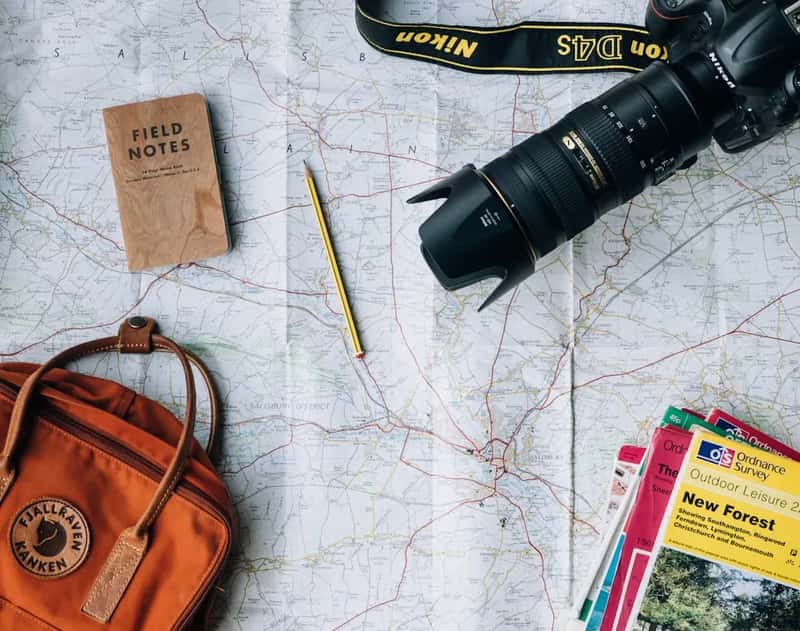
On a cruise, I never learned a neighbor’s name or found a favorite corner table. On a month-long stay in one place, both things happen naturally, without any effort. Rather than cramming in excursions, travelers gravitating toward this style spend mornings with no agenda and afternoons simply observing daily life instead of documenting it for later.[7]
That’s the version of travel I actually wanted all along, I just didn’t know it yet. Slow travel, immersing oneself into a destination for an extended time as a local to fully experience the culture, is gaining popularity as life accelerates around us.[9] Ironically, slowing down is what finally made travel feel exciting again.
A different kind of trip, a different kind of memory

Cruising isn’t a bad way to travel, and clearly it still works beautifully for a huge number of people chasing convenience and variety in one trip. It simply stopped matching what I wanted from time away, which turned out to be depth rather than breadth.
Trading a packed itinerary for a single address, a grocery list, and a slower pace changed the way I remember my trips entirely. Instead of a blur of ports, I now have specific streets, specific bakeries, specific mornings that actually stayed with me. That’s the trade I didn’t know I needed until I made it.