

There’s a particular kind of clarity that comes from sitting down at a small, unlabeled restaurant filled with people speaking a language you don’t understand, ordering something you can’t entirely identify, and realizing this is the most honest thing the country has shown you. No curation. No tourist markup. Just how people here actually eat.
Food has always been one of the more unguarded windows into a culture. Local gastronomy and food tourism are two interrelated concepts that refer to the exploration and enjoyment of the culinary culture and traditions of a destination, with local gastronomy reflecting the history, identity, and diversity of a place. That’s not a small claim. It means the bowl in front of you carries centuries of agricultural decisions, trade routes, migrations, and values that no museum exhibit could compress into a single moment quite so efficiently.
The Dish Is Never Just a Dish
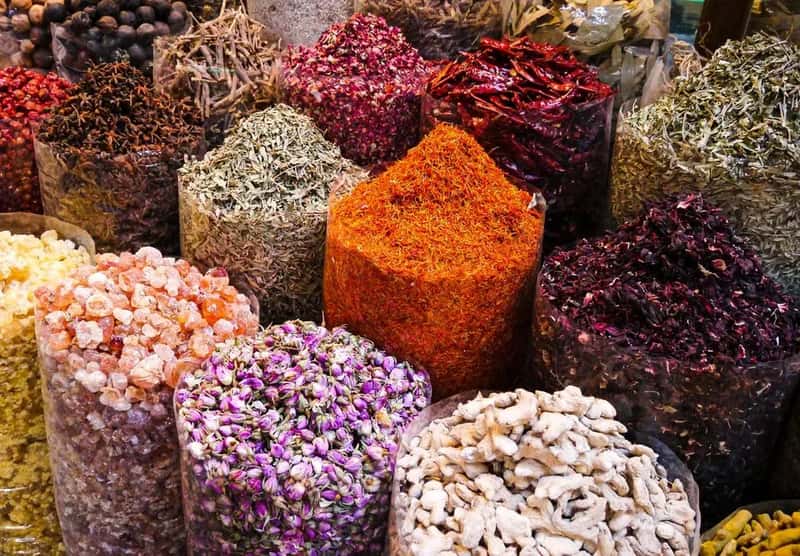
What ends up on a local table is rarely accidental. The base ingredients of a culinary tradition reflect what grows nearby or what trade made affordable. Corn masa in Mexican street food reflects Mesoamerican agricultural history, while rice flour in Vietnamese wrappers and South Indian dosas reflects wet-paddy farming that has operated for over three thousand years. The plate in front of you is a compressed version of geography.
The history of the spice trade is legible in the spice blends found in street food from port cities, from Zanzibar’s pilau seasoning to Penang’s curry mee to Kolkata’s jhalmuri. You’re not just tasting flavor when you eat local. You’re tasting every ship, every drought, every economic arrangement that shaped the region across generations.
Street Food Is the Most Honest Expression of a Culture
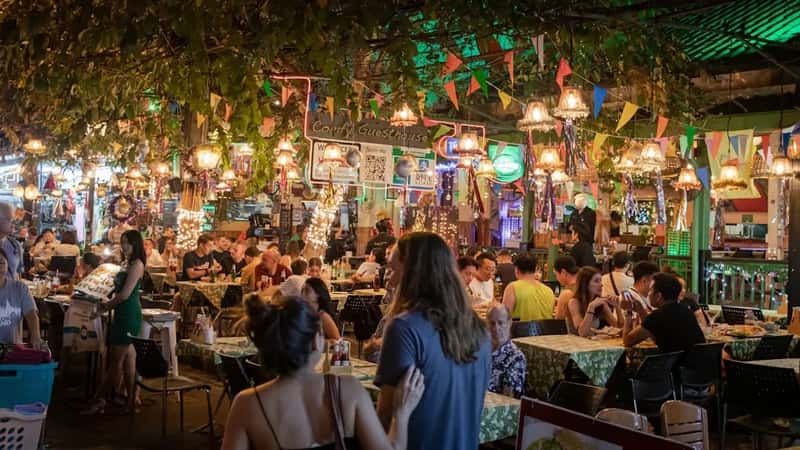
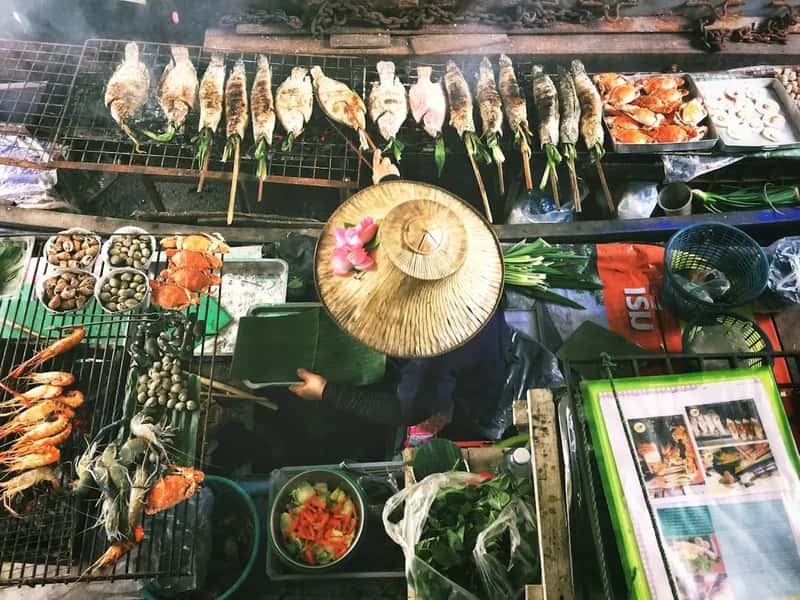
Street food happens in the open, in shared space, with no gate to keep anyone out. That structural openness is part of what makes it culturally revealing. The things a society chooses to cook and eat in public, quickly and cheaply, say something that a formal cuisine carefully edited for restaurant menus often does not. There’s an unfiltered quality to it that’s hard to replicate.
According to a study from the Food and Agriculture Organization, roughly two and a half billion people eat street food every day. That’s not a niche dietary habit. Street food is a living expression of culture, history, and community, telling the story of a place through flavor, aroma, and human connection. When a city’s working population eats this way collectively, it reveals everything about how that society is organized.
Religious Calendars Show Up on the Menu
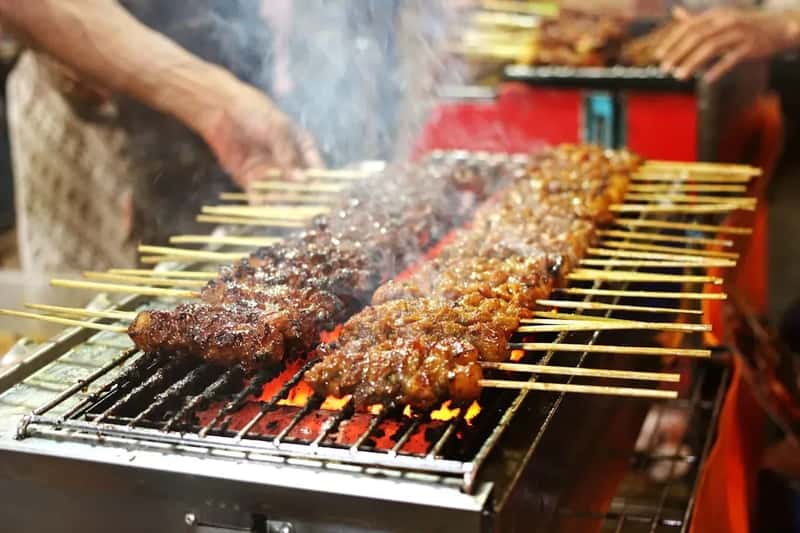
Street food menus shift with religious calendars. During Ramadan, the streets of Cairo, Istanbul, and Kuala Lumpur fill with vendors selling specific dishes tied to iftar traditions. Lunar New Year generates distinct street food markets across East and Southeast Asia. Religious and cultural dietary practices directly regulate what is sold, how it is prepared, and who the customer base is.
This kind of seasonality is invisible in tourist-facing restaurants, which tend to flatten the calendar into a single generic menu. Eating in a neighborhood during a religious period is like being handed a page from the culture’s most intimate diary. The food tells you what the community holds sacred, what it celebrates, and who it feeds first.
Immigrant Histories Are Written in Flavor
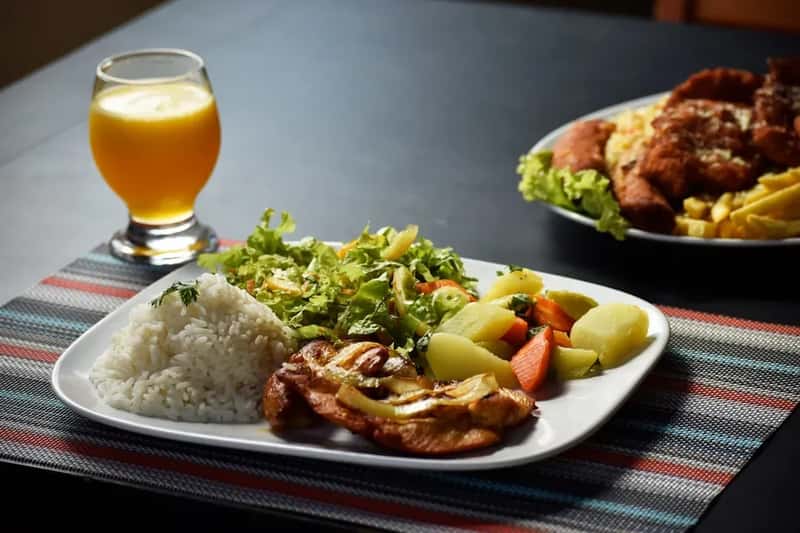
Street food has historically served as an economic entry point for migrant communities. In cities like New York, Los Angeles, and Chicago, immigrant groups have used food cart and street vendor operations to establish economic footholds before transitioning to brick-and-mortar businesses. A city’s street food landscape is essentially a living map of who arrived, when, and under what circumstances.
In Hawaii, the local street food tradition of plate lunch, consisting of rice, macaroni salad, and a portion of meat, was inspired by the bento of Japanese who had been brought to Hawaii as plantation workers. The meal tells a migration story spanning oceans and labor history in a single serving. Over time, these immigrant dishes often weave themselves into the fabric of their new cities, enriching the local street food scene immeasurably.
Singapore’s Hawker Centers: A Case Study in Cultural Complexity
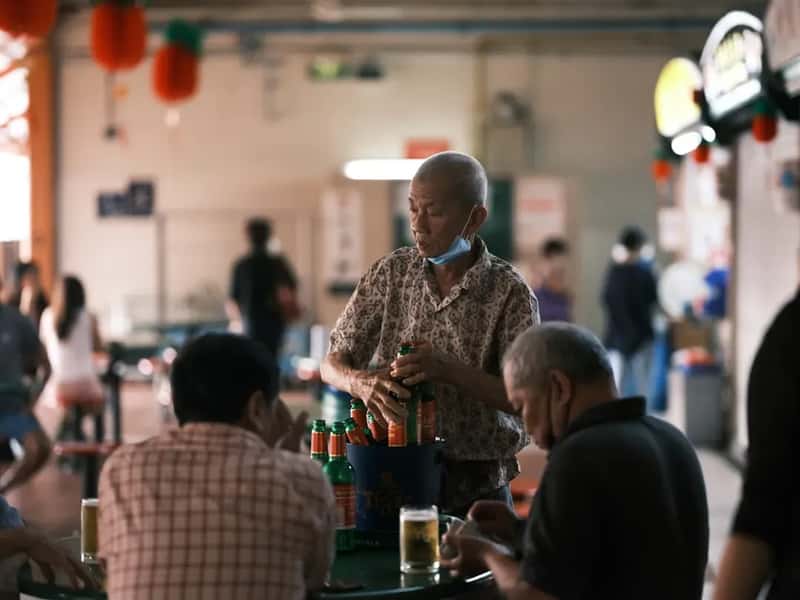
Evolved from street food culture, hawker centres have become markers of Singapore as a multicultural city-state, comprising Chinese, Malay, Indian and other cultures. Hawkers take inspiration from the confluence of these cultures, adapting dishes to local tastes and contexts. What’s remarkable is that this mixing happened not in a lab or a design studio, but around a table.
Singapore’s 2020 UNESCO Intangible Cultural Heritage inscription for hawker culture recognized several dimensions beyond mere culinary excellence: the social institution enabling cross-class and cross-ethnic interactions in shared spaces, the intergenerational knowledge transmission from hawker masters to apprentices and family members, and the affordability ensuring food accessibility across economic levels. As a social space that embraces people from diverse socioeconomic backgrounds, hawker centres play a crucial role in enhancing community interactions and strengthening the social fabric.
Traditional Recipes Are Living Archives
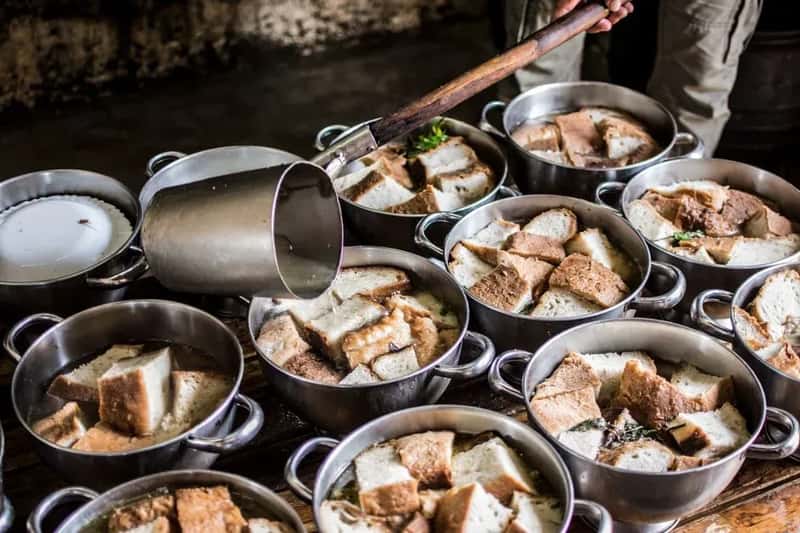
Street food vendors often rely on recipes and techniques that have been handed down through generations, ensuring that traditional flavors are preserved for future generations. These age-old practices are a vital link to the past, providing continuity in a rapidly changing world. By maintaining these culinary traditions, street food serves as a living archive of cultural heritage.
As of 2025, nearly fifty culinary traditions and food-related cultural practices have been recognized on UNESCO’s Representative List of the Intangible Cultural Heritage of Humanity, highlighting the growing global acknowledgment of foodways, traditional cooking skills, and shared dining customs as vital components of cultural identity and heritage worldwide. Examples of UNESCO-recognized food cultures include the Gastronomic Meal of the French, traditional Mexican cuisine, Washoku (traditional Japanese cuisine), Lavash (traditional Armenian bread), and Hawker culture in Singapore. Each recognition is a formal admission that these foods carry something irreplaceable.
Travelers Are Starting to Understand This
In 2024, a Hilton study involving ten thousand travelers from nine countries found that culinary experiences ranked as the top priority for more than half of respondents across Millennials, Gen Z, Gen X, and Baby Boomers. That’s a significant shift from earlier decades when travelers largely treated food as a logistical problem to solve between sightseeing.
In 2025, more than half of travelers across generations now prioritize food when planning trips, and about eighty-one percent actively look forward to culinary adventures abroad, indicating that authentic local cuisine is a significant motivator for travel decisions and cultural engagement. Half of global travelers book restaurant reservations before their flights, and nearly one in five will travel specifically to seek out new restaurants or culinary experiences. The meal is no longer an afterthought. For many, it’s the whole point.
The Gap Between Tourist Restaurants and Real Ones
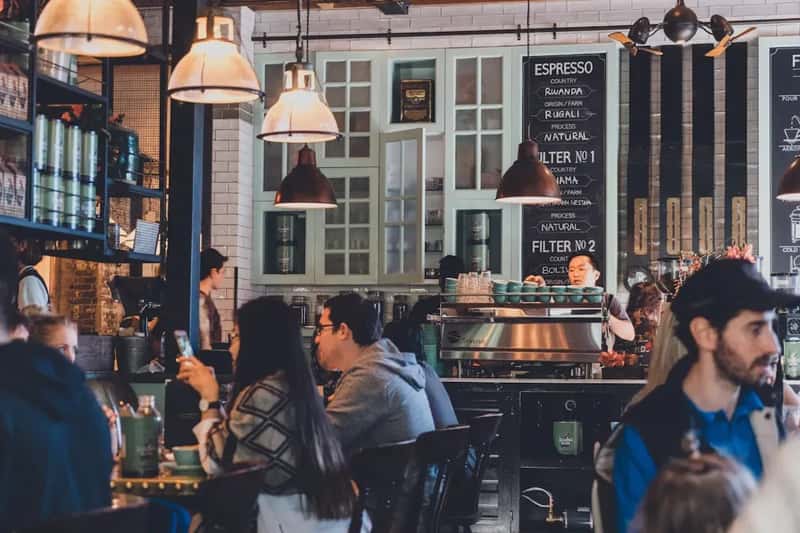
There’s a texture to local dining that tourist-oriented establishments can’t reproduce, no matter how authentically they market themselves. Travelers who seek truly local culinary experiences opt for eateries popular among locals, showing a preference for simple and rustic dining venues over gourmet and five-star restaurants. The preference isn’t about frugality. It’s about access to something real.
Local gastronomy reflects the history, identity, and diversity of a place, while food tourism allows tourists to enjoy and appreciate it. The problem is that many visitors never bridge the gap between what’s designed for them and what locals actually eat daily. Seventy-six percent of local cuisine enthusiasts claim that food tourism improves their understanding of local history and traditions. The people who seek out the real thing come away with something that a highlights tour simply can’t offer.
Globalization Is Both a Threat and an Opportunity
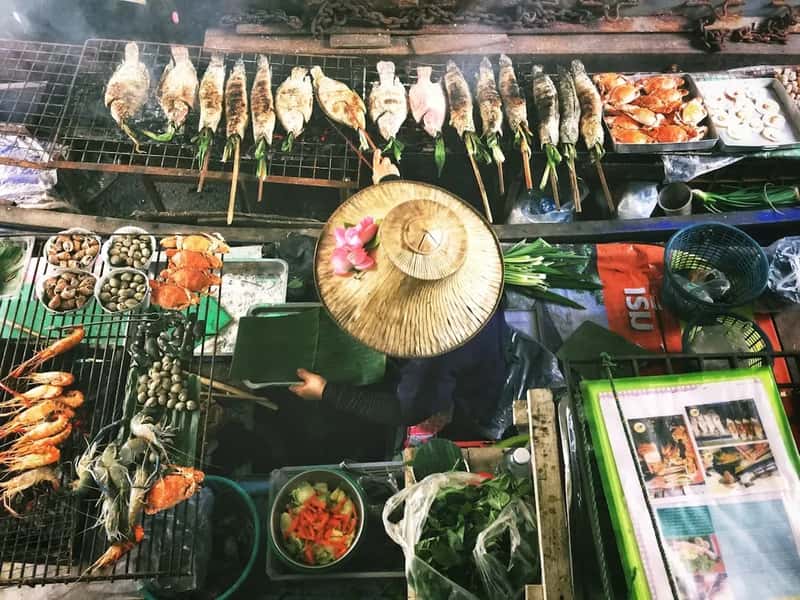
Globalization presents both opportunities and challenges. On one hand, it has spread diverse international cuisines far and wide, enriching local street food scenes and promoting exciting cultural exchanges. On the other hand, the proliferation of global fast-food chains and the homogenization of tastes can pose a threat to the survival of unique, traditional street foods.
Still, there’s a counter-movement worth noticing. Street food is experiencing a resurgence as consumers increasingly seek authentic, nostalgia-driven dining experiences that allow them to reconnect with their cultural roots. By preserving and celebrating local culinary traditions, street food can maintain the integrity of traditional recipes while also offering room for innovation through creative twists. The appetite for authenticity, it turns out, is itself a form of cultural resistance.
What You Learn That No Guidebook Can Teach
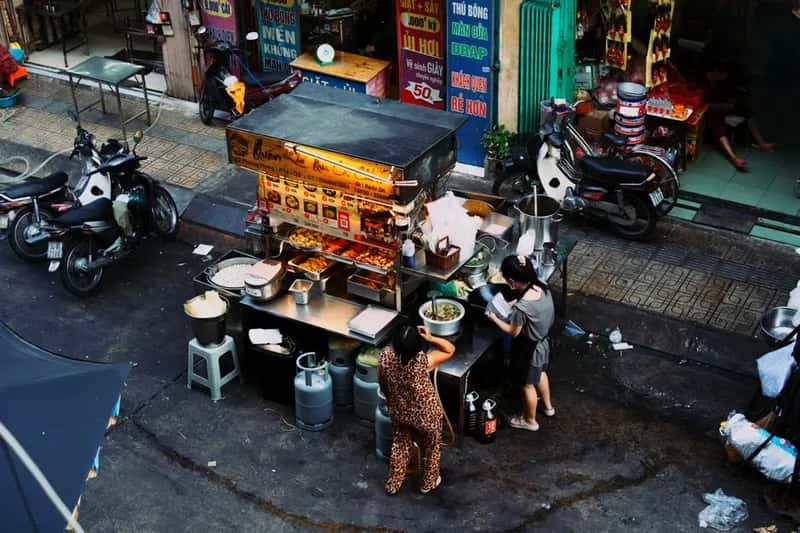
Across the world, from bustling cities to rural villages, street food offers a glimpse into the soul of a community. Each dish tells a story, providing insight into regional flavors, indigenous ingredients, and the creativity of the people who prepare them. This is knowledge that can’t be acquired from a summary or a carefully staged cooking demonstration arranged for visitors.
Street food thrives on relationships. Regular customers are remembered, conversations flow easily, and vendors become local characters. In many neighborhoods, street food stalls serve as informal community hubs, places where stories are exchanged alongside meals. Sitting in one of those spaces as a traveler, even briefly, offers something closer to genuine cultural understanding than nearly any other single act of tourism. The food is the entry point. What follows is the country itself.