Cruising is booming like never before. More people are boarding ships today than at any point in the history of ocean travel, lured by glittering promises of sun-soaked decks, buffets that stretch the length of a football field, and itineraries that hop between continents like they’re nothing. It genuinely sounds like paradise.
Yet underneath all that glossy marketing, there’s a real and growing list of concerns that experts, health officials, and experienced travelers are raising. Some of these reasons are minor inconveniences. Others are legitimately alarming. Most people shrug them off after one trip. But one of them, number four on our list, is the reason even seasoned cruisers quietly pause before booking again. Keep reading, because that one deserves your full attention.
1. The Cruise Industry Is Bigger Than Ever – and That’s Part of the Problem
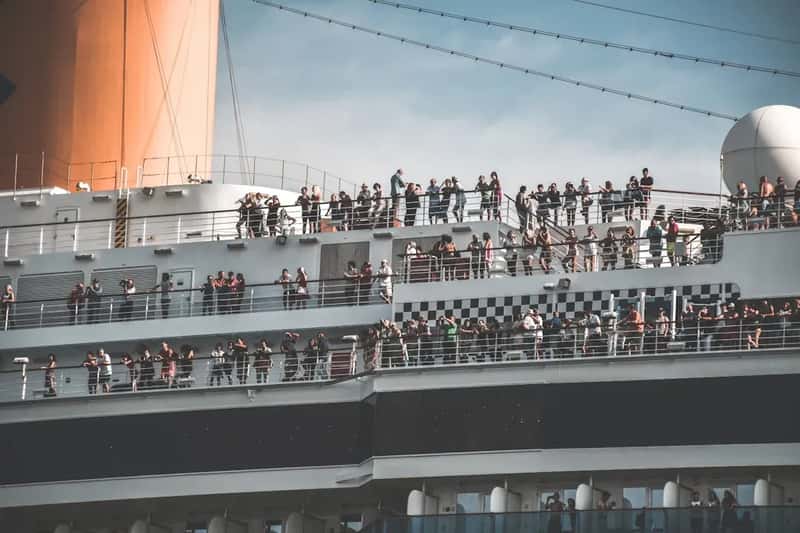
Let’s start with the scale of this industry, because it sets the stage for everything else. Cruise ships welcomed 34.6 million passengers in 2024, a 9 percent increase from the 31.7 million travelers who cruised in 2023. That is a staggering number of people all crammed onto ships together, sharing pools, buffets, elevator buttons, and recirculated air.
The 2025 State of the Cruise Industry Report from Cruise Lines International Association highlights a vibrant and growing global cruise sector. In 2025, the industry is forecast to welcome 37.7 million ocean-going passengers and reach 310 ocean-going vessels. Think about that for a second. That is more passengers than the entire population of many countries.
The industry is expected to mark the fourth consecutive year of record cruise passenger volume in 2026. Growth like that makes for great industry press releases. For passengers already frustrated by overcrowding and overwhelmed facilities, though, it reads more like a warning sign.
2. Overcrowding Onboard Is Not a Minor Complaint
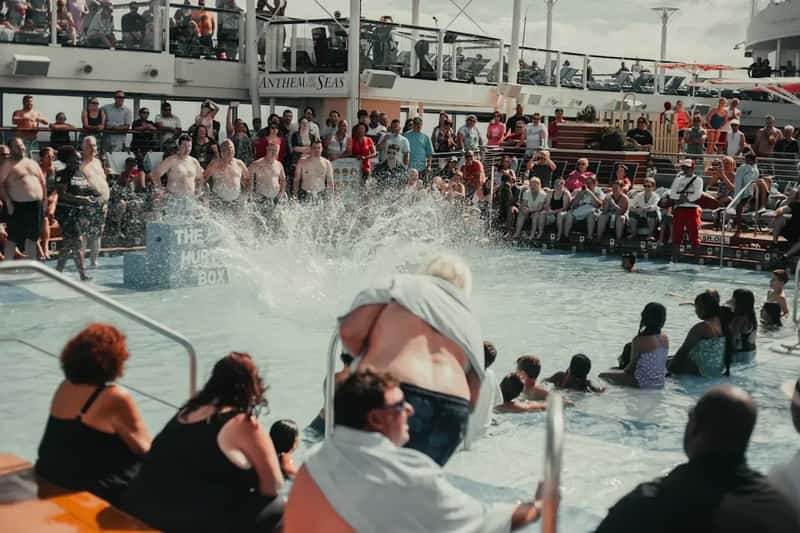
Here’s the thing: nobody wants to admit they paid a lot of money to feel like a sardine. But overcrowding is one of the most documented and consistently reported frustrations in modern cruising. Large ships can feel packed during sea days or port departures. Pool decks, elevators, and buffets are the top hot spots for crowd complaints.
Lines like Carnival Cruise Line and Norwegian Cruise Line rank among the worst due to overcrowding, hidden fees, and inconsistent onboard maintenance. Passengers who expected a relaxing holiday at sea often find themselves queuing for everything from morning coffee to deck chairs at 7am just to secure a spot.
Many comments on Cruise Critic and forums criticize cruise lines for declining service quality, long lines at buffets, and congested pool areas that make relaxation difficult. If you’re picturing a peaceful ocean breeze and a quiet drink in your hand, a 6,000-passenger megaship is more like Times Square on New Year’s Eve.
3. Hidden Fees and the Real Cost of “Affordable” Cruising

Cruise advertising is a masterclass in selective truth-telling. The base fare looks irresistible. Then reality starts adding up. Cruises advertise great base fares, but onboard expenses add up fast – drinks, Wi-Fi, excursions, gratuities, and specialty dining can double your final bill. Honestly, doubling the cost is sometimes being generous.
Budget-focused lines like Norwegian Cruise Line’s older ships and certain Royal Caribbean sailings receive criticism for hidden fees, cramped cabins, and nickel-and-diming. While prices seem attractive, the overall value often falls short of expectations in 2024. It’s the kind of sticker shock that hits you on day two at sea, when you realize that glass of wine at dinner isn’t included in what you paid.
Think of it like buying a printer: the machine is cheap, the ink cartridges will end you. And just like those printers, you’re locked in by the time you figure it out. You’re in the middle of the ocean with no other options.
4. The Norovirus Crisis: The Real Reason Experts Are Raising the Alarm

This is the one. This is the reason the article exists. The 2024 season was described as something of a banner year for difficult cruises. In 2025, there were 22 reported norovirus outbreaks aboard cruises, up from 18 across 2024. That is a record-setting trajectory that health authorities are tracking very carefully.
Cruise ships recorded their worst year of gastrointestinal illnesses in over a decade in 2024, according to the Centers for Disease Control and Prevention. Through 2024 the CDC confirmed 16 gastrointestinal disease outbreaks on cruise ships, 5 of which were logged in a single month – the largest number of cruise ship outbreaks in 12 years. Those numbers alone should give anyone pause before boarding.
On cruise ships, more than 90 percent of gastrointestinal illness outbreaks with a confirmed cause are due to norovirus. Characteristics of norovirus that facilitate outbreaks include a low infective dose, easy person-to-person transmissibility, prolonged viral shedding, absence of long-term immunity, and the ability of the virus to survive routine cleaning procedures. In a floating city packed with thousands of people sharing buffets, pools, and elevator buttons, that’s a recipe for misery.
Norovirus may incubate up to 48 hours before symptoms appear, which makes it extremely difficult to restrict an outbreak. Symptoms include nausea, vomiting, abdominal cramps, diarrhea, general weakness, low fever, headache, and muscle aches. The illness could last up to 5 days depending on the person’s age, general health, and severity of exposure. Spending five days violently ill on a rocking ship is not what anyone books a vacation for.
Experts point specifically to this issue because unlike other cruise inconveniences, illness outbreaks are not a matter of personal taste or mismanaged expectations. The 2025 season marked the 19th outbreak of gastrointestinal illnesses on cruises just in the first nine months, 14 of which were caused by norovirus, surpassing 2024’s total. The close quarters and high population density on cruise ships make them particularly vulnerable to norovirus outbreaks. No amount of planning or luck fully protects you.
5. The Environmental Damage Is Increasingly Hard to Ignore
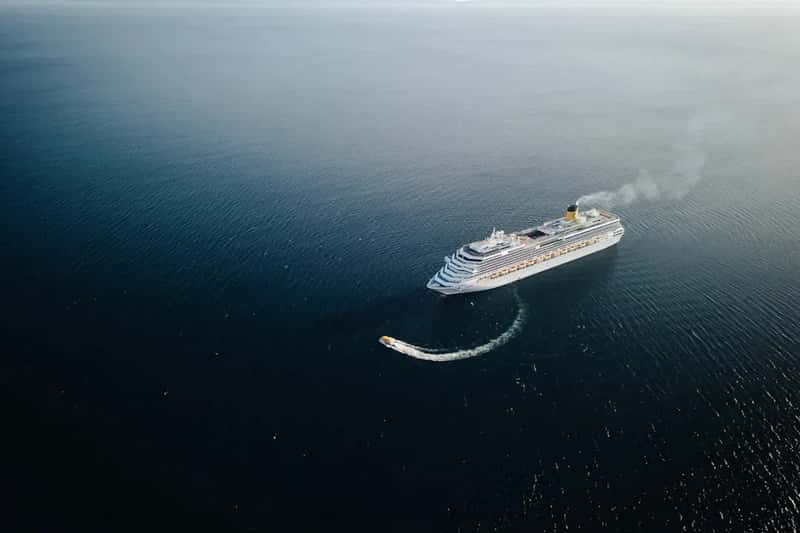
Cruising has long been a target for environmental criticism, and the data backing those concerns is solid. Cruise ships emit roughly double the CO2 per passenger compared to airplanes over the same distance. For travelers who care about their carbon footprint, that number is genuinely sobering.
Large ships carrying thousands of passengers consume vast amounts of fossil fuel, contributing significantly to climate change. Their passage through the waters also impacts marine ecosystems and coral reefs, altering areas’ biodiversity. The underwater world beneath a cruise ship’s path often tells a different story than the brochure photographs above.
Due to international maritime law, cruise ships are governed by the laws of the country under which they are registered, not the countries they visit. This allows cruise lines to bypass local environmental regulations, enabling them to dump untreated sewage and waste into sensitive marine environments. That legal loophole has infuriated environmental advocates for years.
6. Port Cities Are Pushing Back Against Cruise Tourism

It’s not just the ships that are under pressure. The destinations themselves are starting to fight back. Some ports have responded to cruise guests by implementing tourist fees, limiting the number of ships in port, or prohibiting ships from docking altogether. Venice banned cruise ships from docking at its port. One of the most iconic destinations in the world essentially said: enough.
The discomfort and tensions are not confined to the Mediterranean islands or Alaskan ports. In cities like Barcelona and Amsterdam, residents have actively demonstrated against overcrowding and the environmental impact of cruise tourism, even blocking the passage of cruise ships in protest. When locals are physically blocking your ship, something has gone seriously wrong.
In places like Venice and the Galápagos Islands, cruise tourism has led to overtourism, where local communities face ecosystem damage, higher prices, and overcrowded attractions – all while cruise lines continue to profit. The tension between mass tourism and local living is now one of the defining travel debates of our time.
7. Sanitation Standards Vary Wildly Between Ships
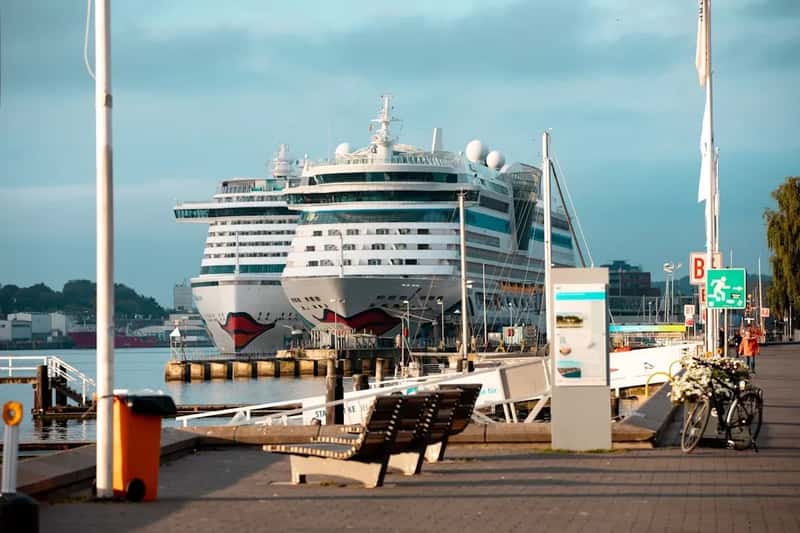
The norovirus issue is related to, but separate from, the broader question of general sanitation on cruise ships. These are not always the same problem, and the differences matter. In 2023 and 2024, three Carnival ships – Breeze, Elation, and Miracle – scored near the bottom of the CDC’s Vessel Sanitation inspections. Those scores aren’t hypothetical risks; they represent real inspection findings on real ships.
MSC Seaside scored a 67 during a CDC inspection, with violations including inadequate sanitation and food safety. To put that in context, the CDC considers a score below 86 to be a failing grade. These aren’t rare edge cases; they occur with enough frequency that the CDC runs an entire dedicated program to monitor them.
The Centers for Disease Control and Prevention conducts unannounced Vessel Sanitation Program inspections twice a year for ships carrying 13 or more passengers. The key word there is unannounced. The fact that those inspections still turn up violations tells you everything you need to know about consistency.
8. Food Quality and Dining Disappointments Are Real and Widespread

Cruise advertising loves to show glistening plates and gourmet spreads. The reality, for many passengers, falls well short of that imagery. Many passengers have expressed dissatisfaction with the food offerings on certain cruise lines. Complaints include repetitive menus, bland flavors, and lukewarm dishes. A week of the same rotation of mediocre meals can drag down even the most beautiful itinerary.
Buffet burnout is real. Many travelers also expect five-star dining around the clock, only to find standard fare in main dining rooms. The math is simple: when you’re feeding thousands of people per seating, corners will be cut. It’s mass catering at an industrial scale dressed up with tablecloths.
Mass-catering food for thousands will never equal fine dining ashore. That’s a frank admission from a travel industry source, and it’s worth repeating before you book expecting culinary excellence as part of the standard package.
9. Motion Sickness Catches More People Off Guard Than You’d Expect
Seasickness is one of those topics that people are oddly embarrassed to research before a cruise, perhaps because it feels like admitting vulnerability. It shouldn’t be. Even calm seas can bother first-timers. Seasickness is one of the most common and least talked-about cruise complaints. It’s hard to say for sure exactly how widespread it is, but passenger forums consistently rank it among the top vacation-ruining surprises.
Certain routes are significantly rougher than others. Transatlantic crossings, Alaska sailings, and Southern Ocean itineraries carry far more motion risk than a calm Caribbean week. The ship’s size and age also matter enormously. Choosing newer, larger ships with advanced stabilizers helps. Booking a mid-ship cabin on a lower deck also reduces the effects significantly.
The metaphor that comes to mind: seasickness is like altitude sickness for mountain trekkers. You won’t know how you react until you’re already there, and by then there’s no turning back. Coming prepared with remedies is simply smart planning.
10. Service Quality Has Been Quietly Declining Across Several Major Lines

This one is harder to quantify but consistent enough across passenger reviews and industry reports that it deserves to be named. Several major cruise lines have received a range of negative reviews from passengers, with common criticisms focusing on food quality, service inconsistencies, and maintenance issues. When those complaints appear across multiple independent platforms and over multiple years, the pattern is hard to dismiss as coincidence.
Some passengers describe certain ships’ vibe as lacking energy. Others say the entertainment is below expectations. Guests also report understaffed dining rooms, long lines, and inconsistent attention to detail. Understaffing is a particular concern when ships are sailing at or above full capacity, which is increasingly common given surging demand.
Lower-rated cruise lines often cut corners on staffing and ingredients to reduce costs, leading to subpar dining and sluggish service. These operational shortcuts are a common reason they repeatedly appear on “worst cruise lines” lists. The industry’s rapid expansion is attracting more passengers than ever, and not every line is scaling its service quality to match. That gap is where disappointment lives.
Conclusion
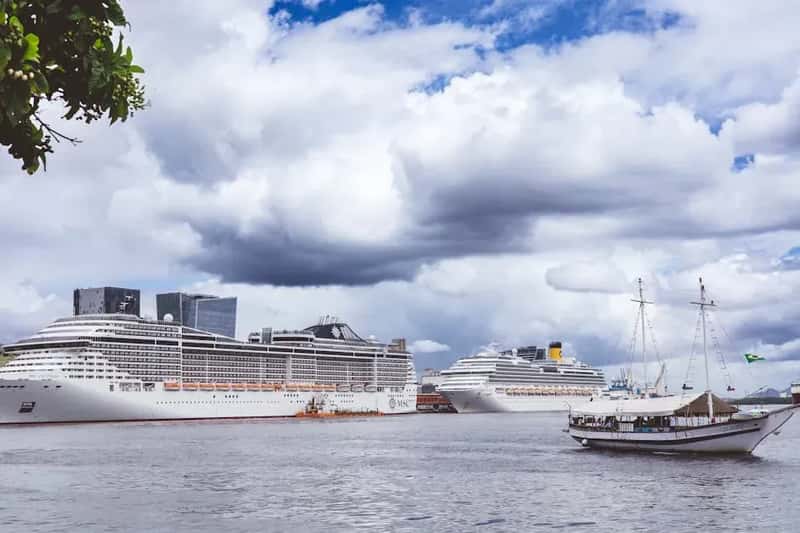
Let’s be real: cruising has a genuinely wonderful side. The destinations, the novelty, the convenience of unpacking once and waking up somewhere new each morning. About 90 percent of U.S. cruise passengers rate their experiences as very good or good, and 91 percent of them have taken multiple cruises. Those are impressive satisfaction numbers that no honest article should ignore.
Still, the concerns on this list are not invented. They are documented, data-backed, and increasingly visible. Environmental damage, service cuts, hidden costs, sanitation inconsistencies, and overwhelming crowds are real patterns affecting real travelers. Most of them can be navigated with research and smart booking.
Number four, the norovirus crisis, is the exception. It cannot be fully avoided through preparation alone, and its consequences can devastate an entire vacation within 48 hours. The trend is worsening, not improving, and the CDC data from 2024 and 2025 makes that unmistakably clear. Before you book, research not just the itinerary, but the ship’s health inspection history and outbreak record. You owe yourself that thirty minutes. Would you board a plane without checking its safety record? Thought so.